8D Sound Experience

Lucia Salcedo

We built an 8D sound experience to help Gen Z tune out the chaos and reconnect with themselves.
Anxiety, pressure, and constant comparison were eating away at Gen Z’s mental well-being. So we designed an immersive, sound-based app that offers them a moment of pause—and a pathway back to inner balance.
Growing up surrounded by filters, dopamine loops, and constant pressure to “be more” can mess with your head.
The Problem
For Gen Z, stress, anxiety, and low self-worth aren’t rare—they’re default settings.
Through research, we heard versions of the same feeling over and over again:
“I feel like I’m not enough.” “There’s too much going on all the time. I can’t shut it off.”
OUR GOAL? Design something that actually helps. Not another tracker, not a push notification—something that feels like breathing space.
My role
This was my Master’s thesis project, where I led the process from research to product concept, and from UX design to user testing.
I co-designed methodologies, conducted all interviews, synthesized insights, and iterated multiple concepts before landing on our final solution.
Research Process
We took a mixed-method approach to understanding how memory, sound, and emotional regulation intersect for young adults.
Surveys
120 participants helped us explore:
How emotional memories affect self-image
How sensory input, especially sound, can trigger deep emotional responses
Interviews
We spoke with 21 individuals (ages 18–25), asking vulnerable questions around identity, emotional overwhelm, and the way they relate to memory.
One insight stood out:
“Sounds trigger my most vivid memories—and the feelings that come with them.”
What we know about our user
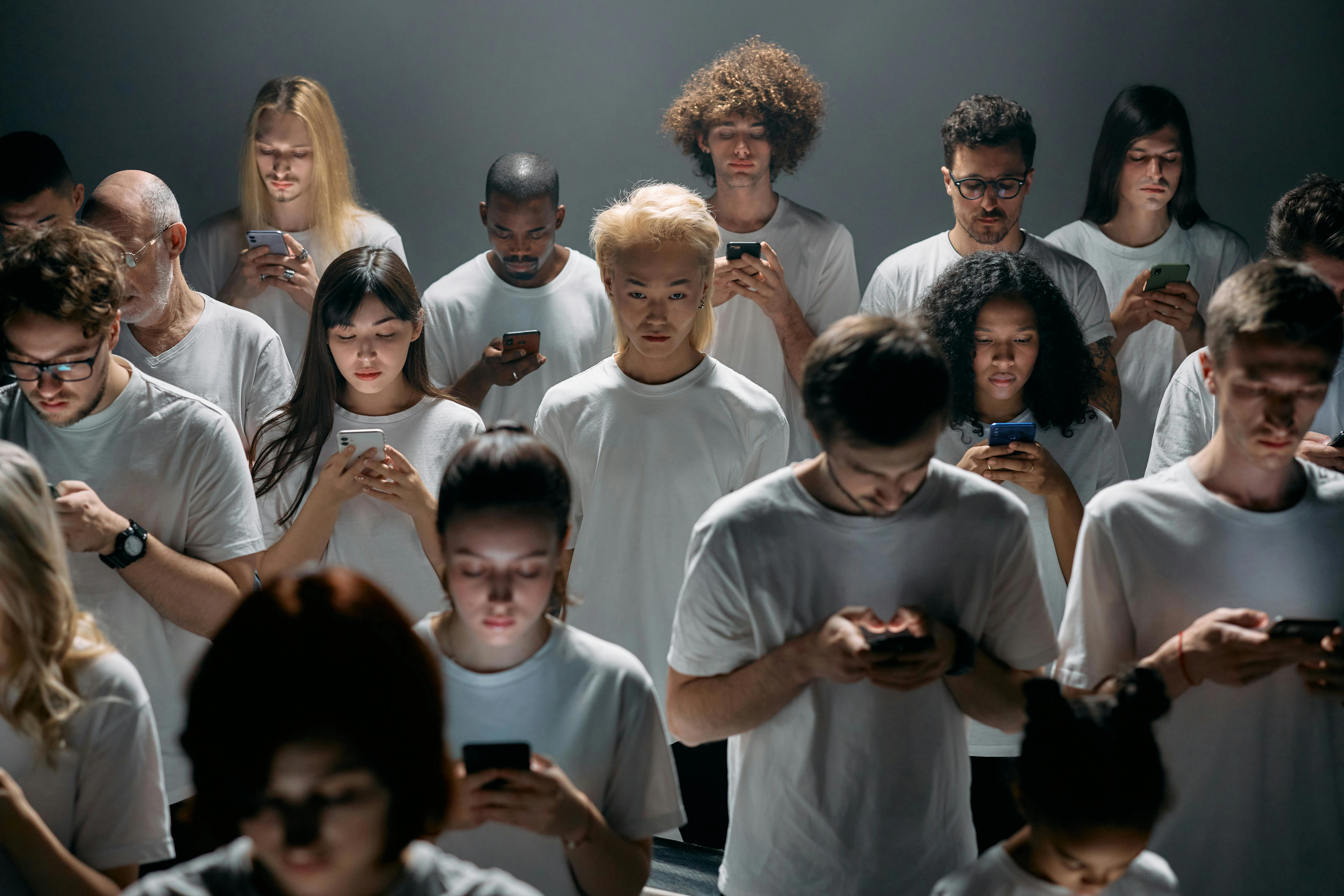
Our user is a young adult (16–27 years old) navigating a constant state of noise—digital, emotional, and societal. They're growing up in a world that celebrates curated perfection, while quietly crushing them with pressure.
I don’t know how to switch off. Everything feels urgent, even when it’s not.
Feels overwhelmed by social comparison.
Experiences anxiety, burnout, or low self-worth.
Responds strongly to music and sensory experiences.
Struggles with disconnection from their own emotions.
Craves tools that are personal, intuitive, and non-invasive.
Seeks moments of calm but doesn’t always know how to access them.
This isn’t just a user. It’s a human looking for a way to feel safe inside their own mind. Our job was to design a moment of relief.
Desk Research
We explored how music therapy works, the neuroscience of sound and memory, and how immersive audio can evoke a sense of emotional safety and grounding.
Opportunity: What We Learned
Key insights that shaped our direction:
Memories are central to self-identity
Social media fuels feelings of inadequacy
Sound evokes emotion faster than visual cues
Static interventions don’t work—users need flexible, adaptive tools
So we asked ourselves:
What if we could use immersive sound to guide users back to themselves?
Solution Exploration (v1): The Multisensory Installation
We initially explored a physical, location-based experience that combined light, scent, and touch.
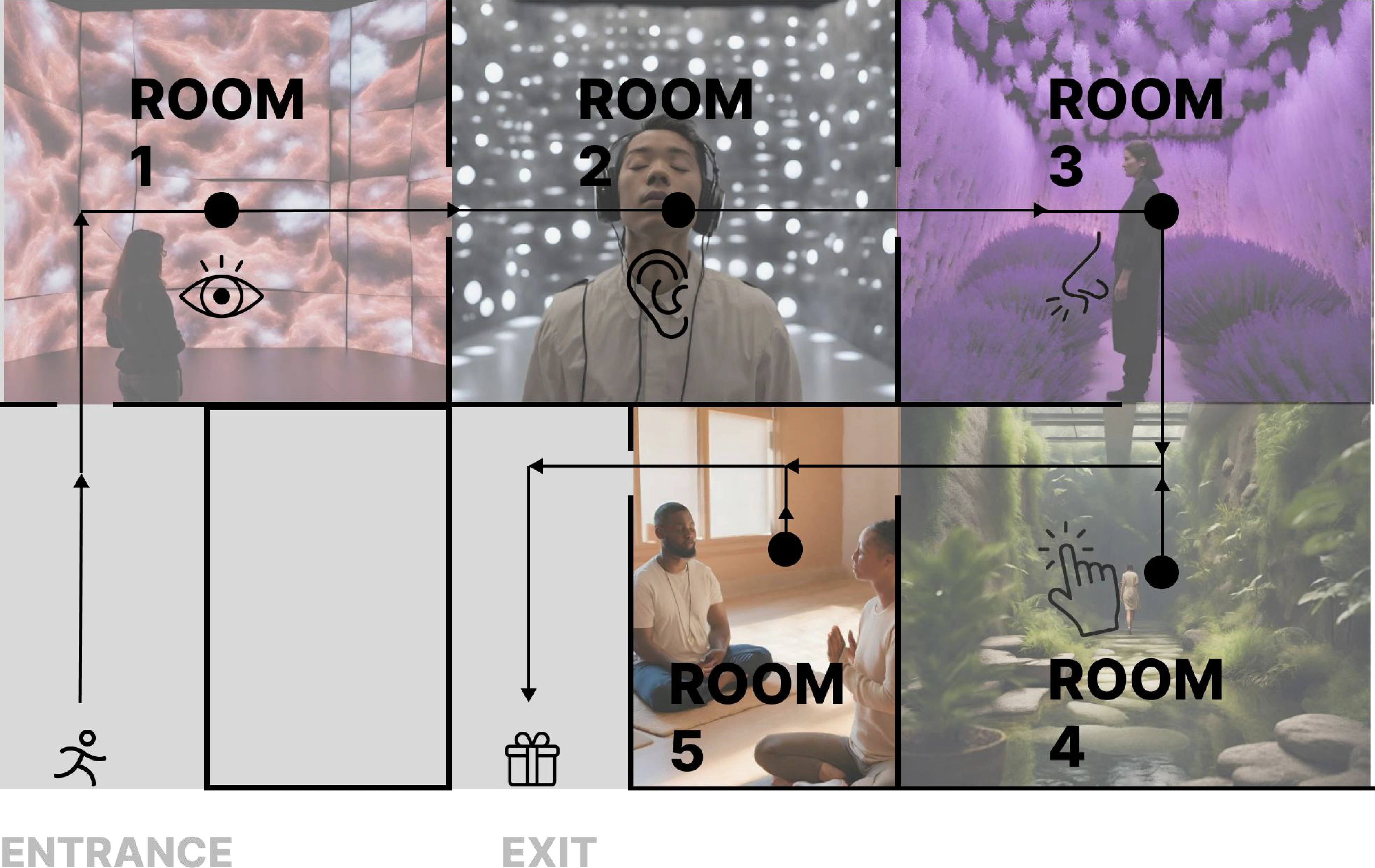
But we hit some limits:
Personalization was nearly impossible.
What soothes one person might trigger another.
The physical location reduced accessibility.
We needed something more intimate, adaptive, and scalable.
So we focused only in sounds.
Final Solution: 8th Dimension App
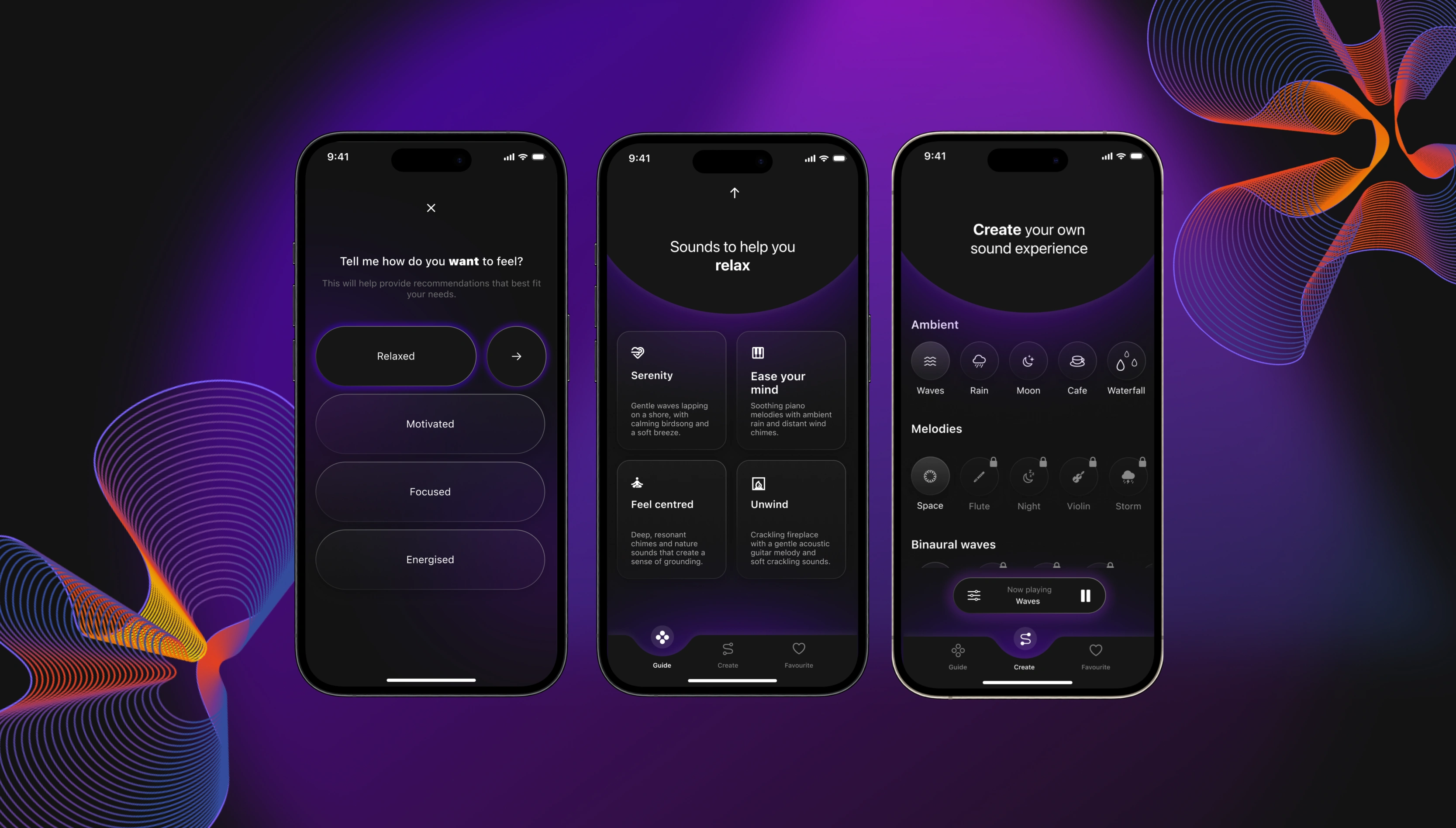
A personalized mental wellness app that uses 8D soundscapes to evoke calm, reflection, and emotional release.
Value Proposition
8D soundscapes: Fully immersive audio journeys.
Mood-based curation: Users choose experiences based on how they feel.
Introspective guidance: Subtle voiceovers prompt reflection.
Emotional escape: A safe space for detaching and realigning.
Sound Testing
To get the right sounds, we tested multiple audio types and frequencies with users.
Using headphones and live feedback, we asked:
How do you feel during and after listening to this?
We observed changes in posture, tone, and energy—validating which sounds promoted grounding or emotional release.
UX / UI Design
We sketched early concepts and tested hi-fi wireframes to validate:
Navigation logic
Sound playback flow
Emotional cues in UI (colors, microcopy, visuals)
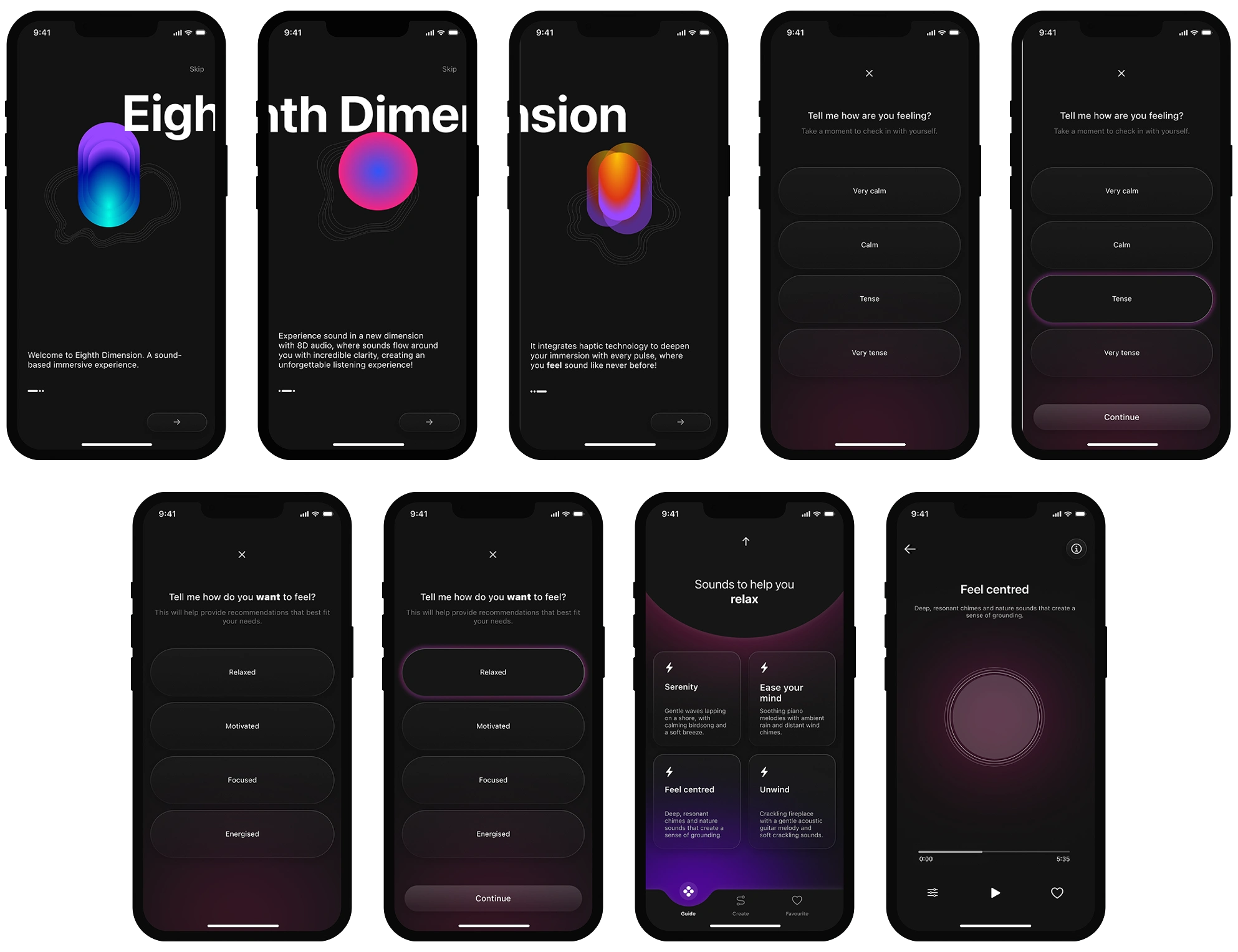
What we learned from users
Across three usability test rounds, we got valuable insights that helped shape the final product.
What worked
The clean, minimal UI
The calm visual tone
Mood-based onboardin
A non-intrusive, exploratory flow
The structure of sound categories
The UI fits the product perfectly—it feels calm and intentional.
What we improved
Scroll indicators & layout clarity: People missed vertical scrolling → we added visual cues and simplified sections.
Sound interactions: Users wanted to preview sounds before adding, and organize their favorites → we introduced previews, renaming, and folders.
Onboarding flow: Initial walkthroughs were confusing or too text-heavy → we rewrote and streamlined.
Micro-interactions: Volume sliders, transitions and button feedback were refined for smoother use.
Content clarity: Info buttons added so users could understand what each sound does.
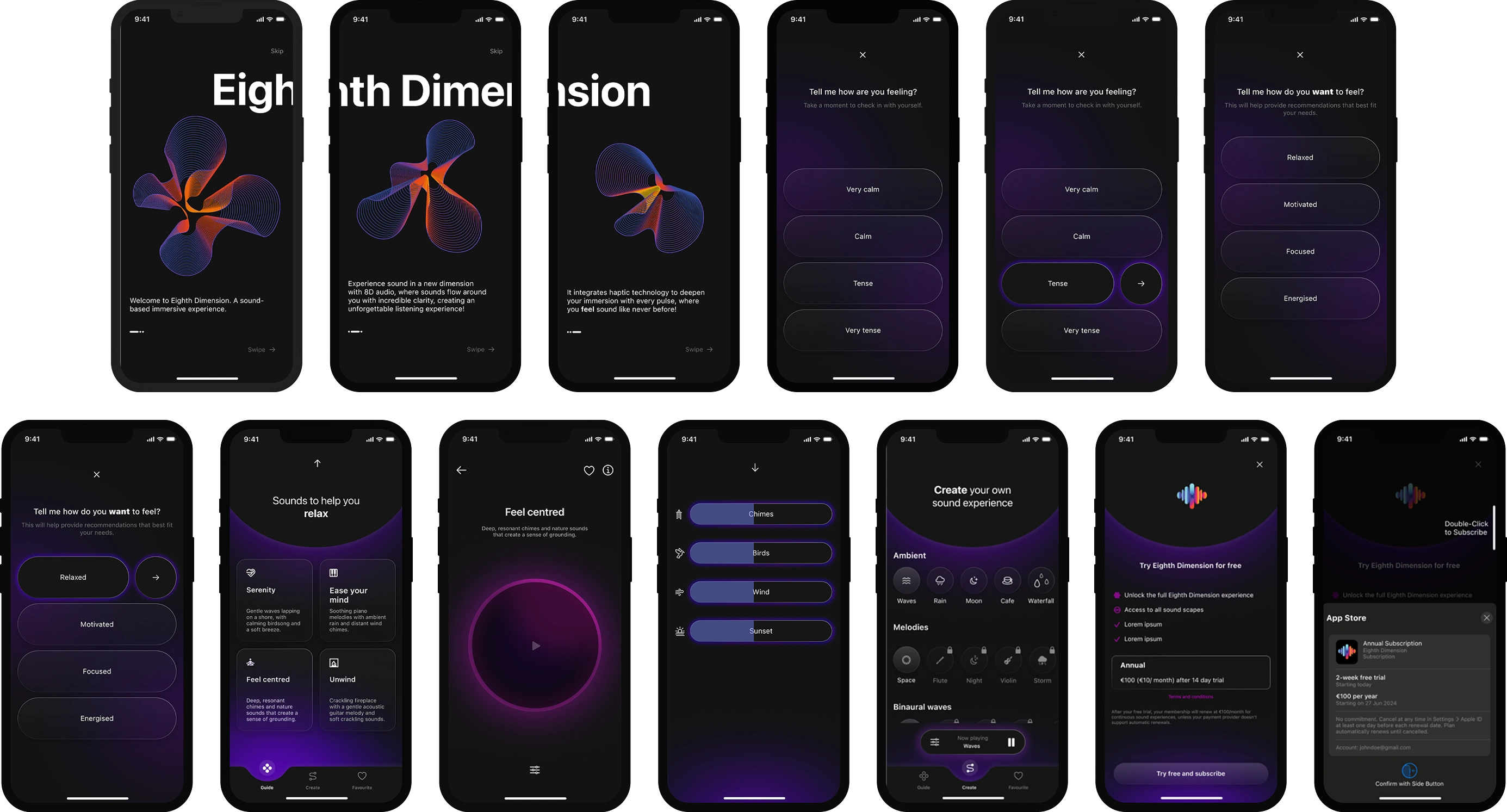
Final Design Highlights
Mood-first onboarding.
Calm, immersive UI.
Seamless sound exploration and organization.
Smooth, accessible interactions.
Guided, but optional post-session reflections.
Like this project
Posted Aug 5, 2025
Created an 8D sound app for Gen Z mental wellness.
Likes
0
Views
26