Optimising global payment flows

Chris Godby
1 collaborator


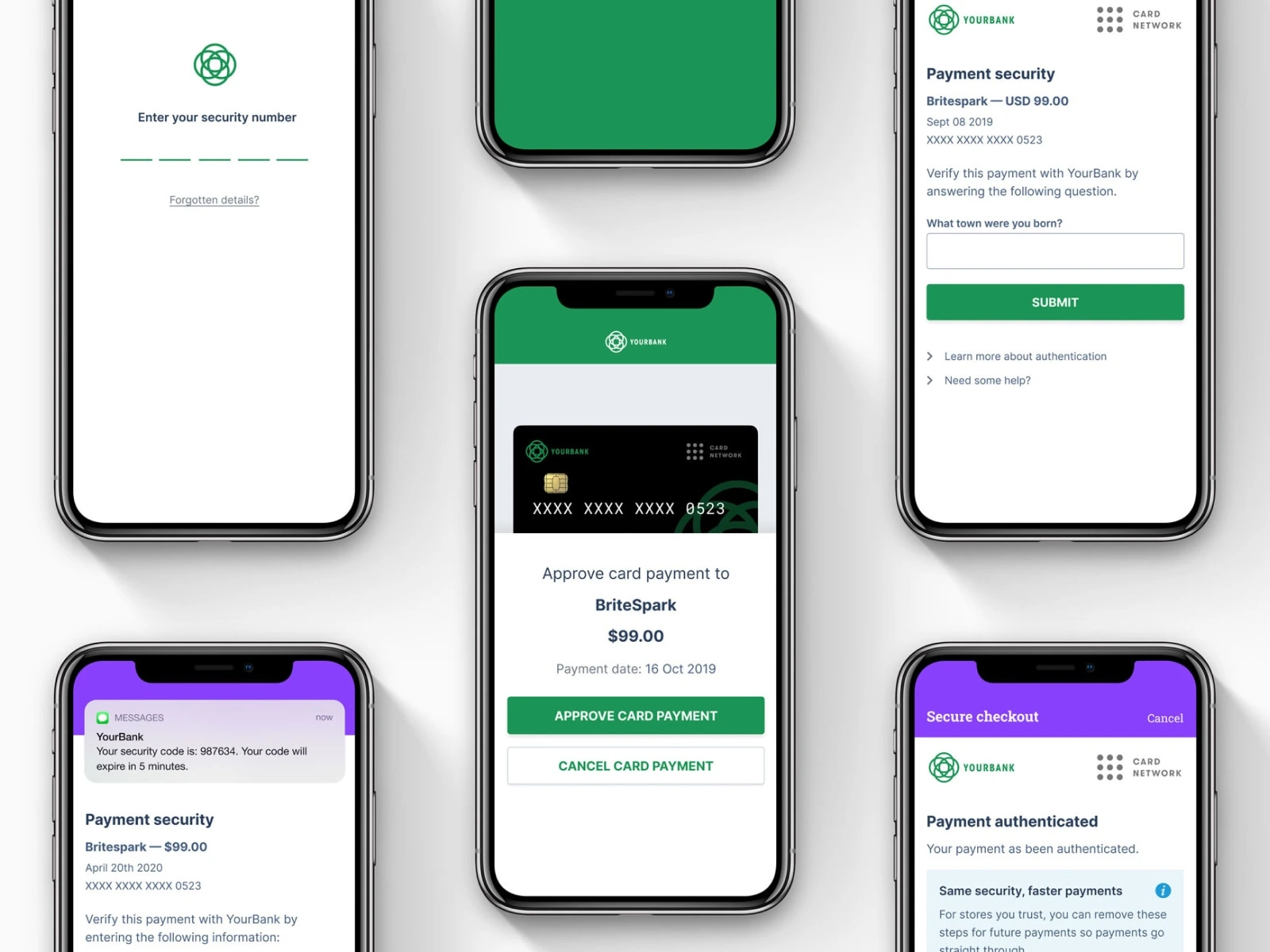
Balancing trust and efficiency to impact conversion across billions of transactions
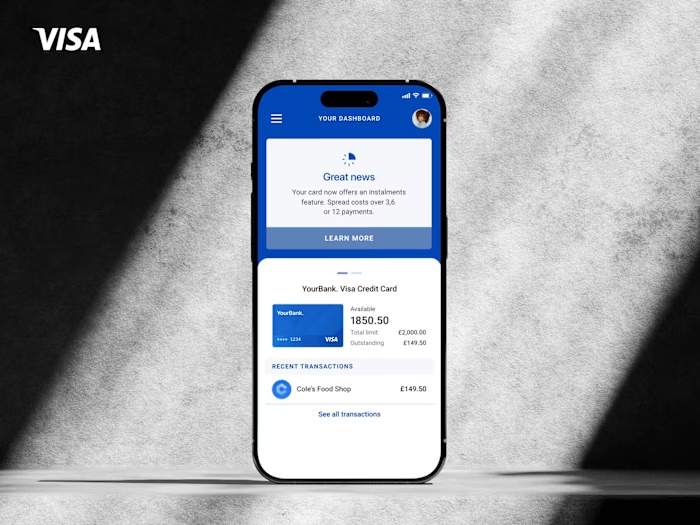
EMV® 3DS needed to validate authentication flows that would directly impact conversion rates across billions of online transactions. Payment authentication creates friction at checkout; the exact moment when cart abandonment peaks at 70-82%.
Banks, card networks, and merchants worldwide required data-driven evidence that proposed authentication standards would reduce friction while maintaining security, balancing conversion optimisation with fraud prevention across 6 markets.
The work
Research-Driven Testing at Scale
Designed and iterated 80 authentication flow variants across 6 markets
Built custom prototype tool that streamlined testing logistics—allowing rapid iteration based on user behaviour and insight data
Applied CRO methodology to payment security: every design decision validated through user testing, not assumptions
Translation to Business Impact Converted complex technical requirements into clear UX standards that balance security with conversion:
Reduced authentication friction points that typically cause checkout abandonment
Created guidelines enabling consistent implementation across thousands of merchants
Established testing framework for ongoing optimisation as technology evolves
Industry-Wide Conversion Impact
The resulting standards now shape authentication experiences affecting billions in transaction volume. By applying conversion optimisation principles to security flows, the guidelines help merchants maintain checkout conversion rates while meeting regulatory requirements.

The teams mapping out key flows and issues to build early alignment
Customers trust brands they recognise. So we had to invent fake ones.
In order to simulate more realistic payment anxiety

Recognised logos have built in trust. This can impact how people behave during their user interviews so we created faux brands to neutralise this impact.
The payment flows had to work identically whether you're a fintech in Singapore or a high-street bank in Munich. So we used consistent template-based approach in Figma.
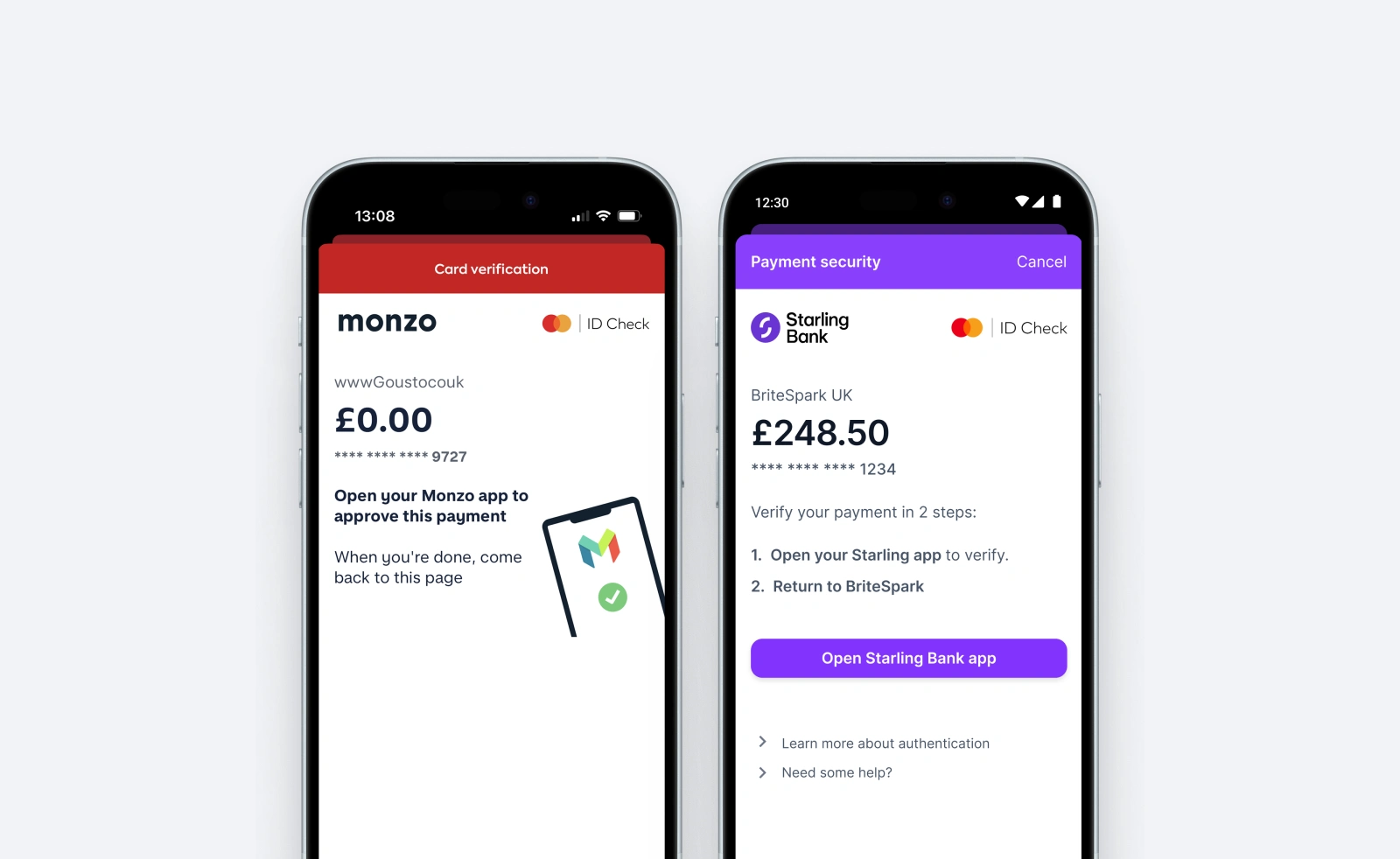
One template. Many banks.
The template also had to work across all devices and in multiple languages, from iFrames to native experiences
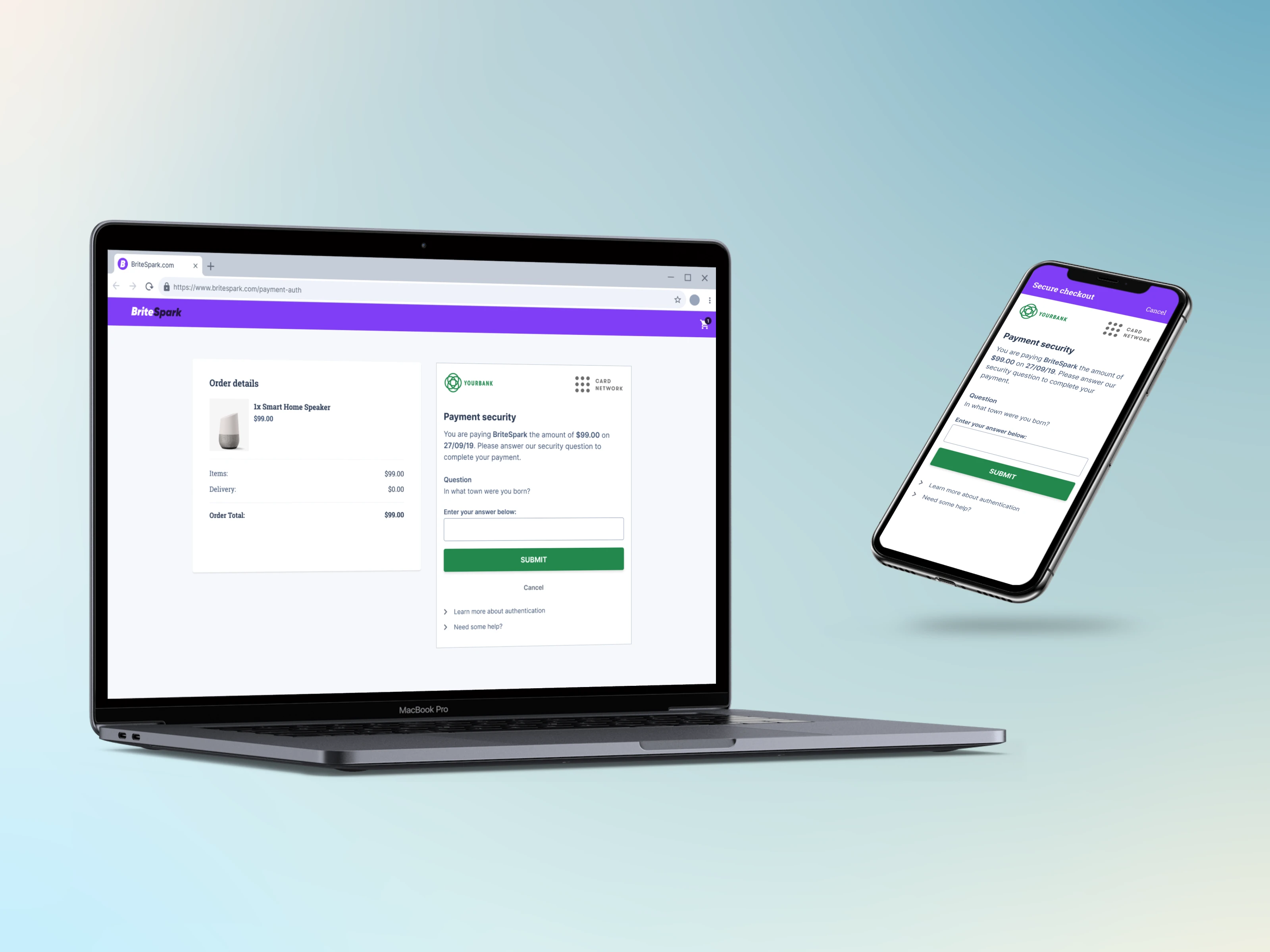
The tempalte had to work on desktop, mobile, game consoles and tablets
Even the smallest UX copy can make or break a conversion, especially when something unexpected happens
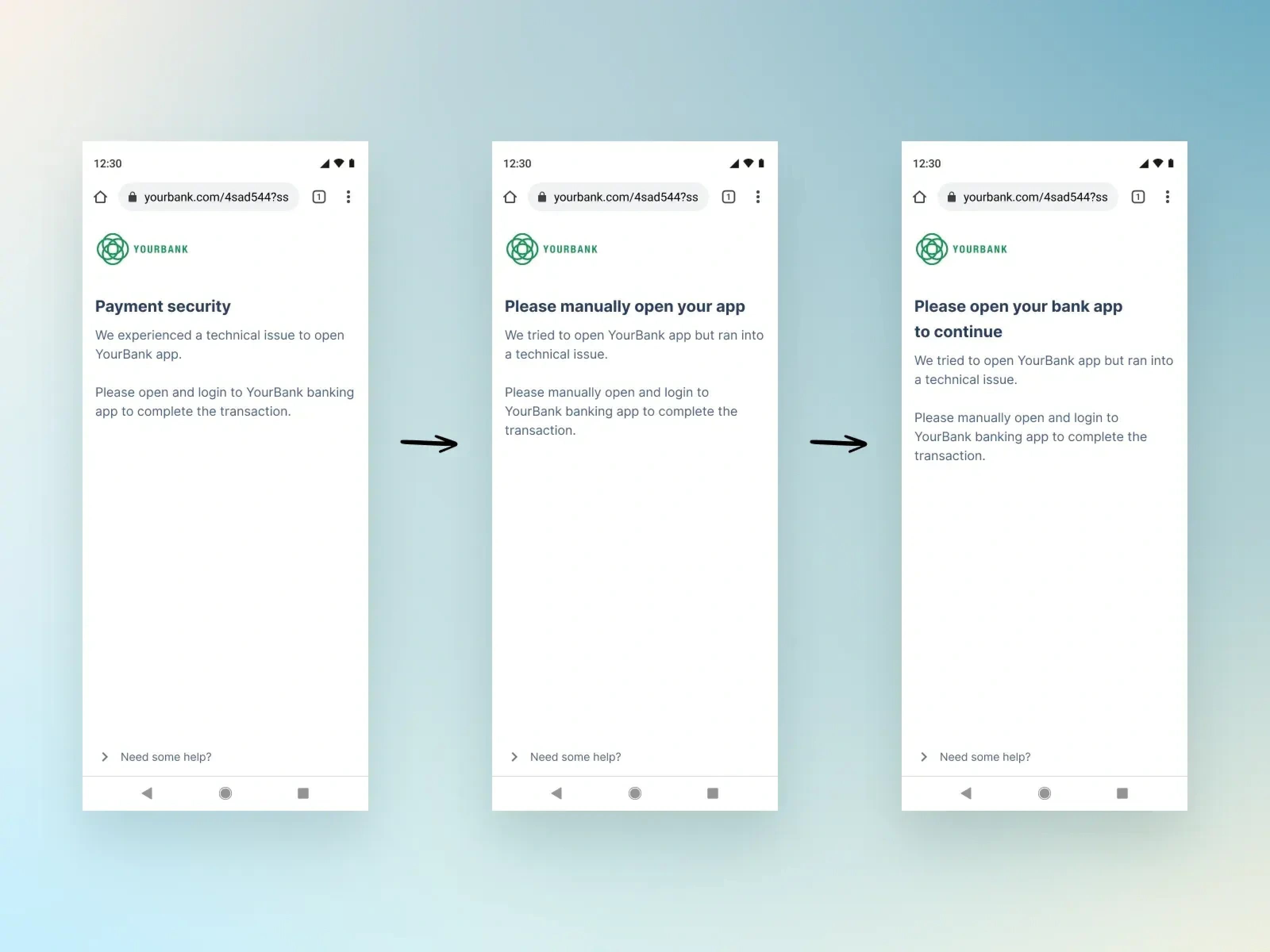
Testing an unhappy flow UX copy
And as we tested, we captured insights into Figjam, sometimes iterating between participants
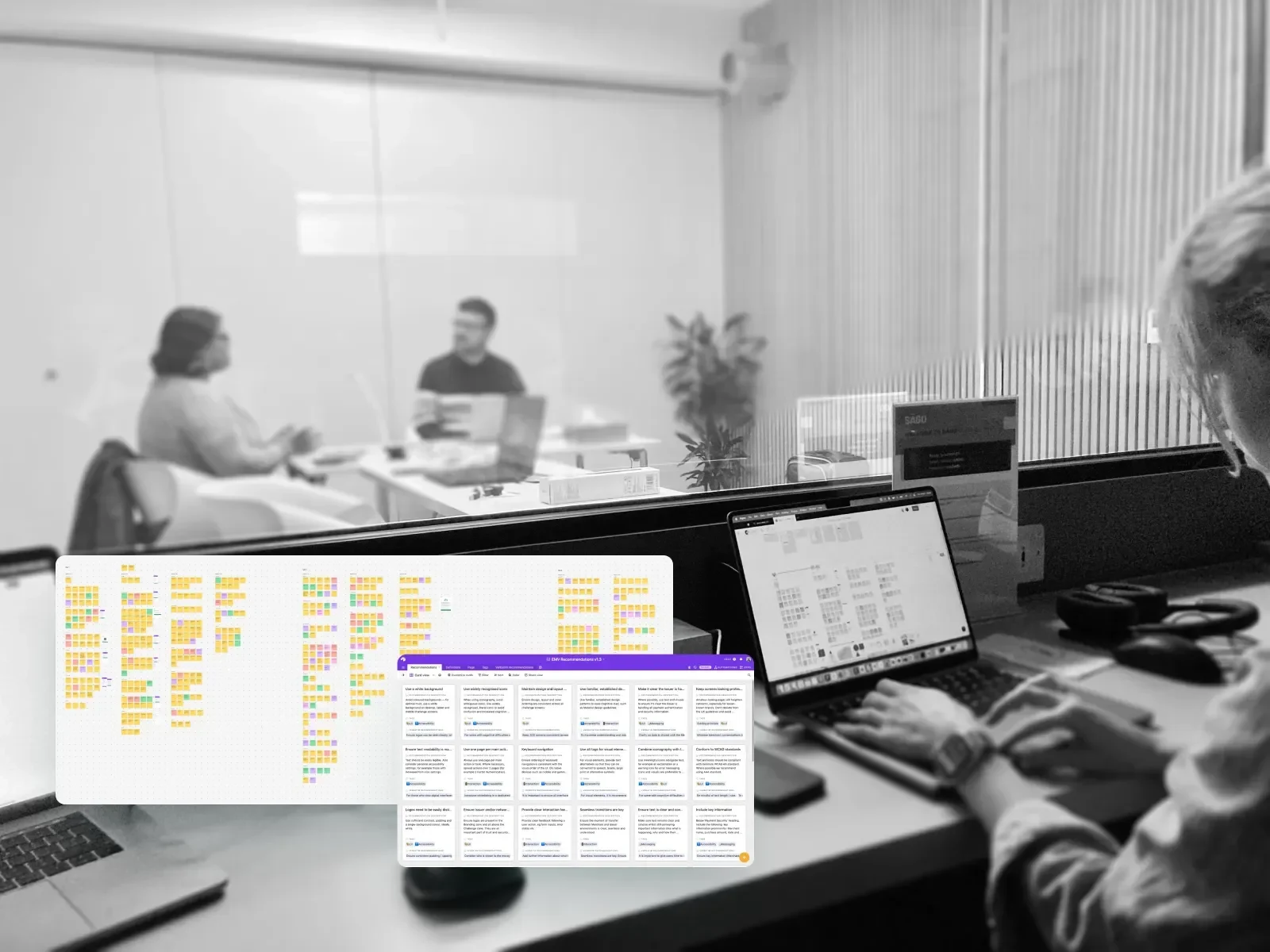
Capturing user testing insights to iterate in real-time
We then combined 16 months learnings into an interactive online guide to make the insights accessible to all.
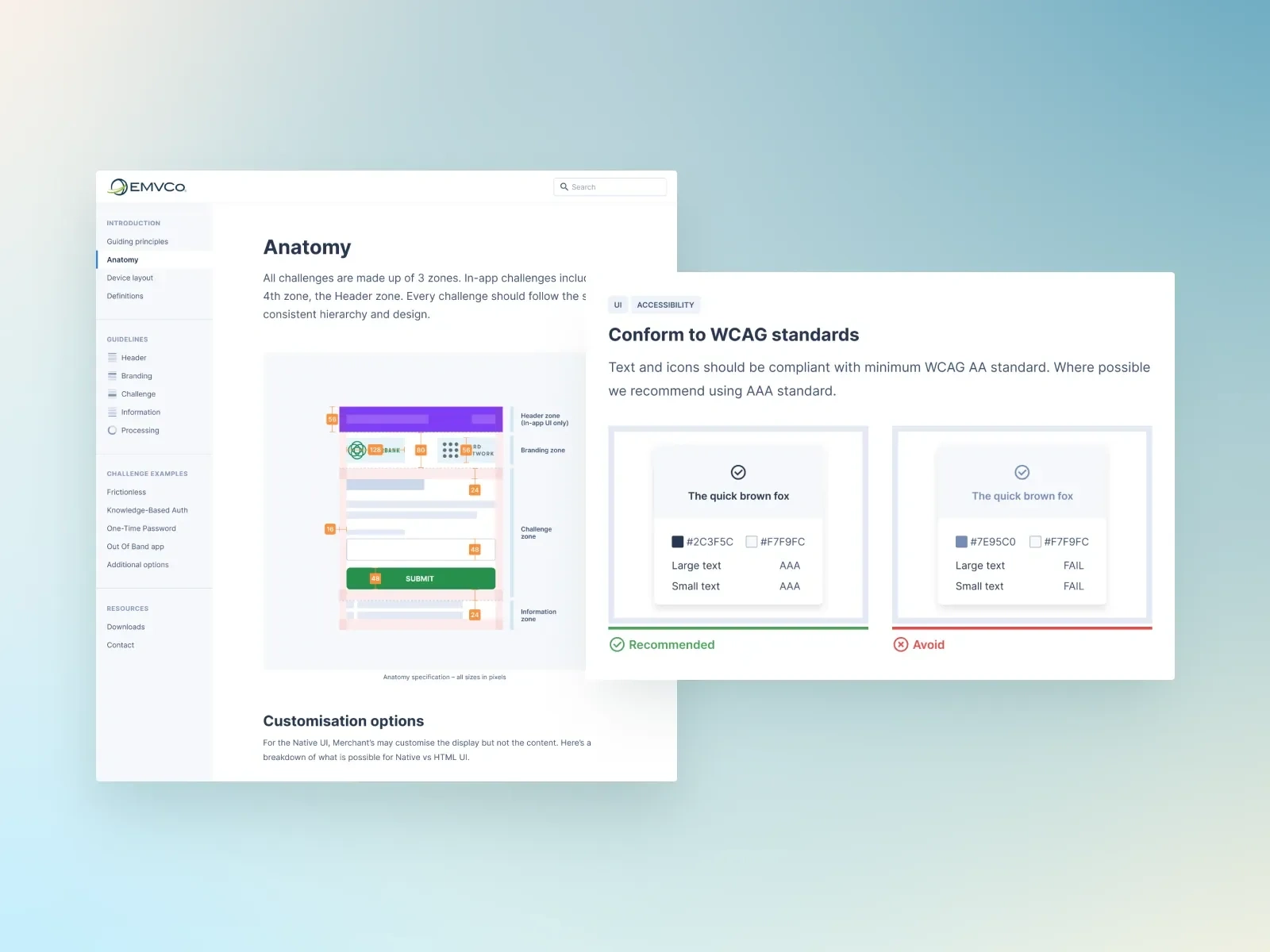
Converting testing insights into actionable UX guidelines
Key Insight
Balancing friction with efficiency can increase conversion, especially when security is top of mind.
To satisfy the needs of:
banks that want to protect their customers
merchants that want to maximise sales
card networks that want a bit of both
We came up with 4 pillars, driven by the research (both qual and quant)...
4 Conversion Pillars:
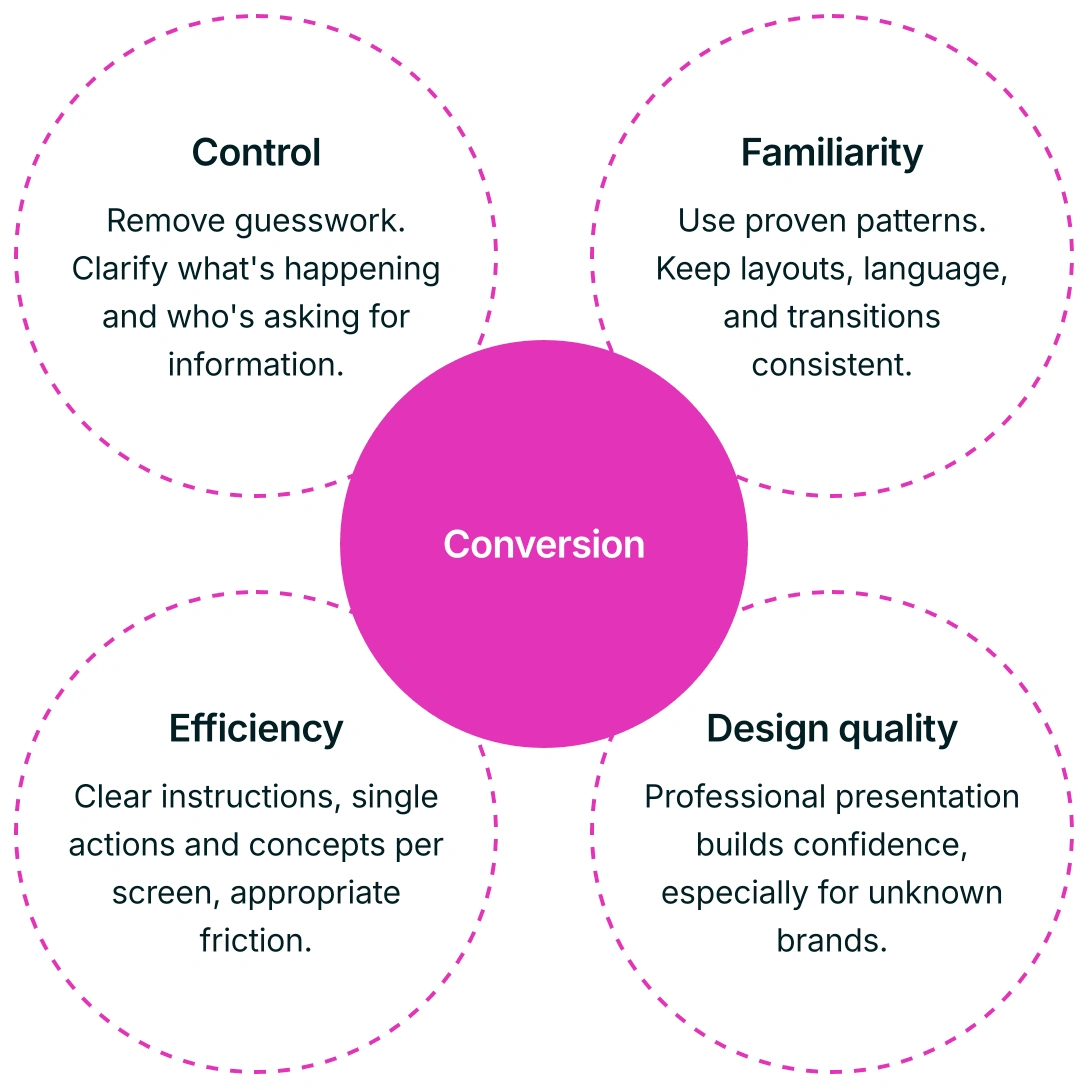
I now use this model across most of my CRO projects.
Like this project
Posted Jun 24, 2025
Working with the EMV® 3DS team and Ipsos UX I co-authored 3DS payment UX standards used by every card network, bank and merchant worldwide.
Likes
1
Views
24
Clients

EMVCo
Ipsos
Collaborators