Portfolio Stocks Dashboard Development

Abang Tah


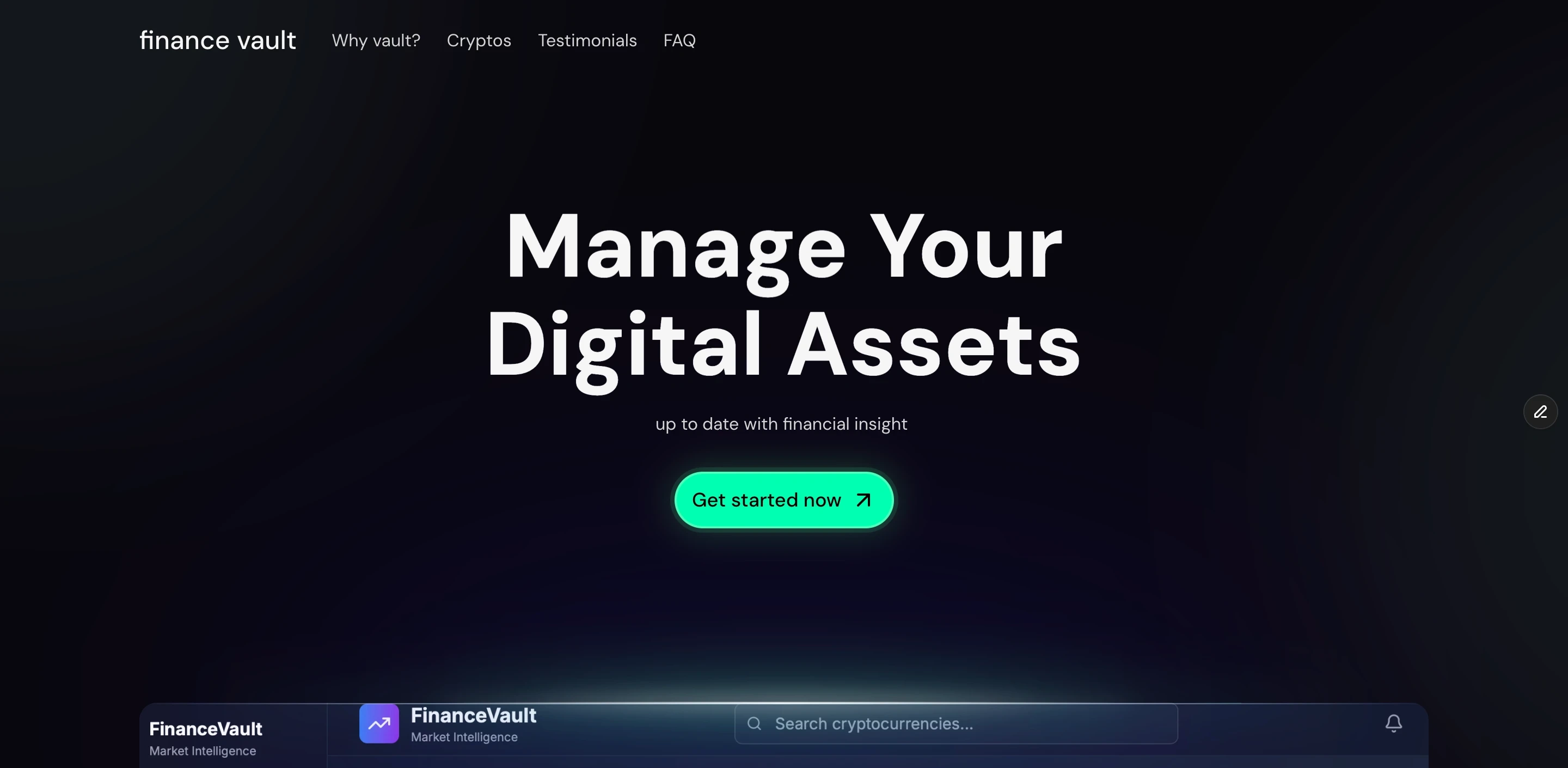
Portfolio Stocks Dashboard :
Project Title and Vision
The project is titled “Portfolio Stocks Dashboard”, and its purpose is to create a modern, responsive, and data-driven platform where users can manage, visualize, and monitor their stock investments.
The dashboard combines intuitive design with robust backend logic, giving both novice and advanced investors the ability to track their assets in real time.
“I wanted to design more than a portfolio tracker. I wanted to deliver a system that bridges data, interactivity, and reliability—so that investors feel they have a real tool, not just a static chart.”
Scope of work
The scope covered full-stack development from frontend interface to backend data handling:
Frontend (React + Framer Motion)
Delivered sleek UI, animations, transitions, and responsive layouts for different devices.
Backend (Node.js API Layer)
Created endpoints for CRUD operations on stock entries, real-time portfolio aggregation, and data formatting.
Database (Firebase Firestore + Firebase Auth)
Provided secure, scalable storage for user portfolios, transactions, and authentication.
Deployment (Vercel for frontend, Firebase hosting for backend services)
Ensured uptime, automatic CI/CD, and smooth developer experience.
Tech Stack & How It Works
Frontend: React + Framer Motion
React was chosen because of its component-based architecture, which allowed me to modularize the dashboard into reusable parts:
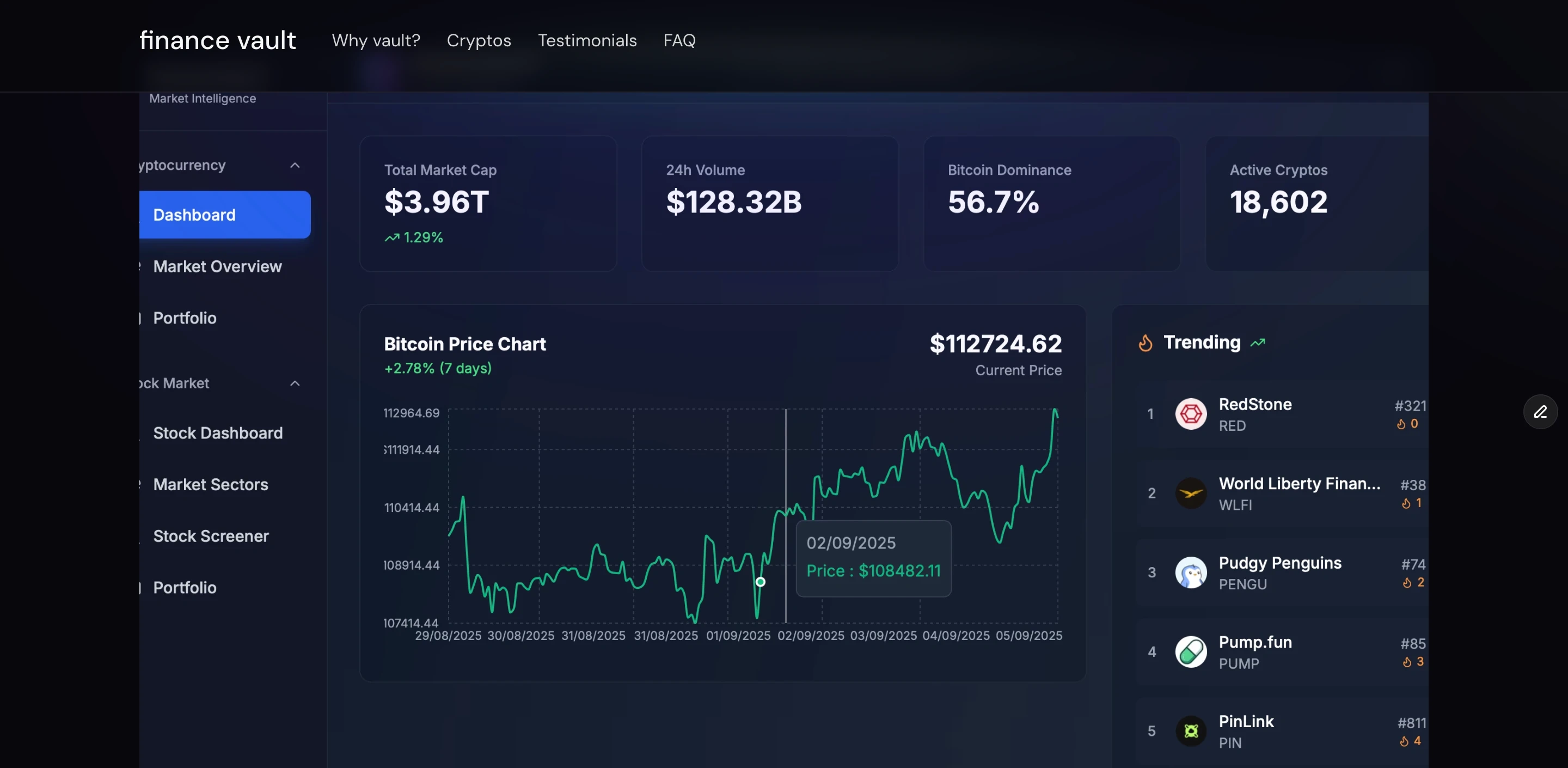
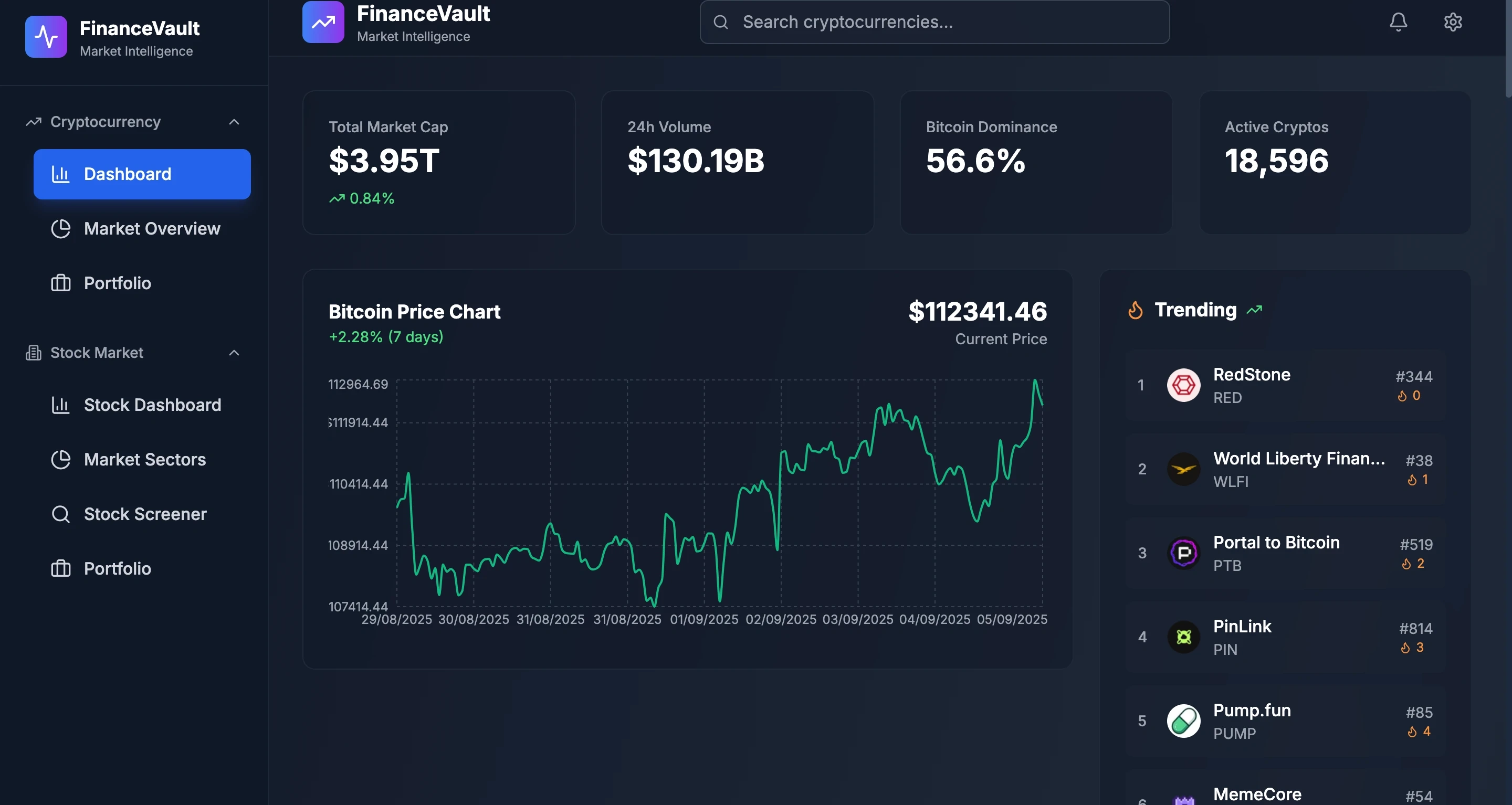
Portfolio summary cards
Interactive charts
Navigation sidebar
Transaction entry modal
Framer Motion powered micro-interactions:
Smooth card hover effects
Animated transitions when switching between “Portfolio” and “Transactions” pages
Page load animations for better user experience
React provided structure, Framer gave soul. The combination meant the app wasn’t only functional—it felt alive.
Backend: Node.js
Implemented as a REST API layer.
Handled requests like:
POST /add-stock – to add new stock to a portfolioGET /portfolio/:id – fetch portfolio detailsDELETE /stock/:id – remove stock entriesMiddleware handled validation, error handling, and API security tokens.
Express.js framework simplified routing and scalability.
Database: Firebase
Firestore stored user data in a structured, NoSQL format:
users/{userId}/portfolio/{stockId} documents held stock metadataReal-time listeners meant that any portfolio update immediately reflected on the dashboard without refresh
Firebase Auth managed secure user logins, allowing people to create and manage personalized portfolios.
Hosting + Functions ensured lightweight backend services could scale automatically.
Deployment & DevOps
Vercel was used for frontend deployment:
CI/CD pipelines triggered on every
git push.Global CDN ensured low-latency load times.
Firebase Hosting managed backend services:
Auto-scales without server setup.
Integrates directly with Firestore and Auth.
Core Features Delivered
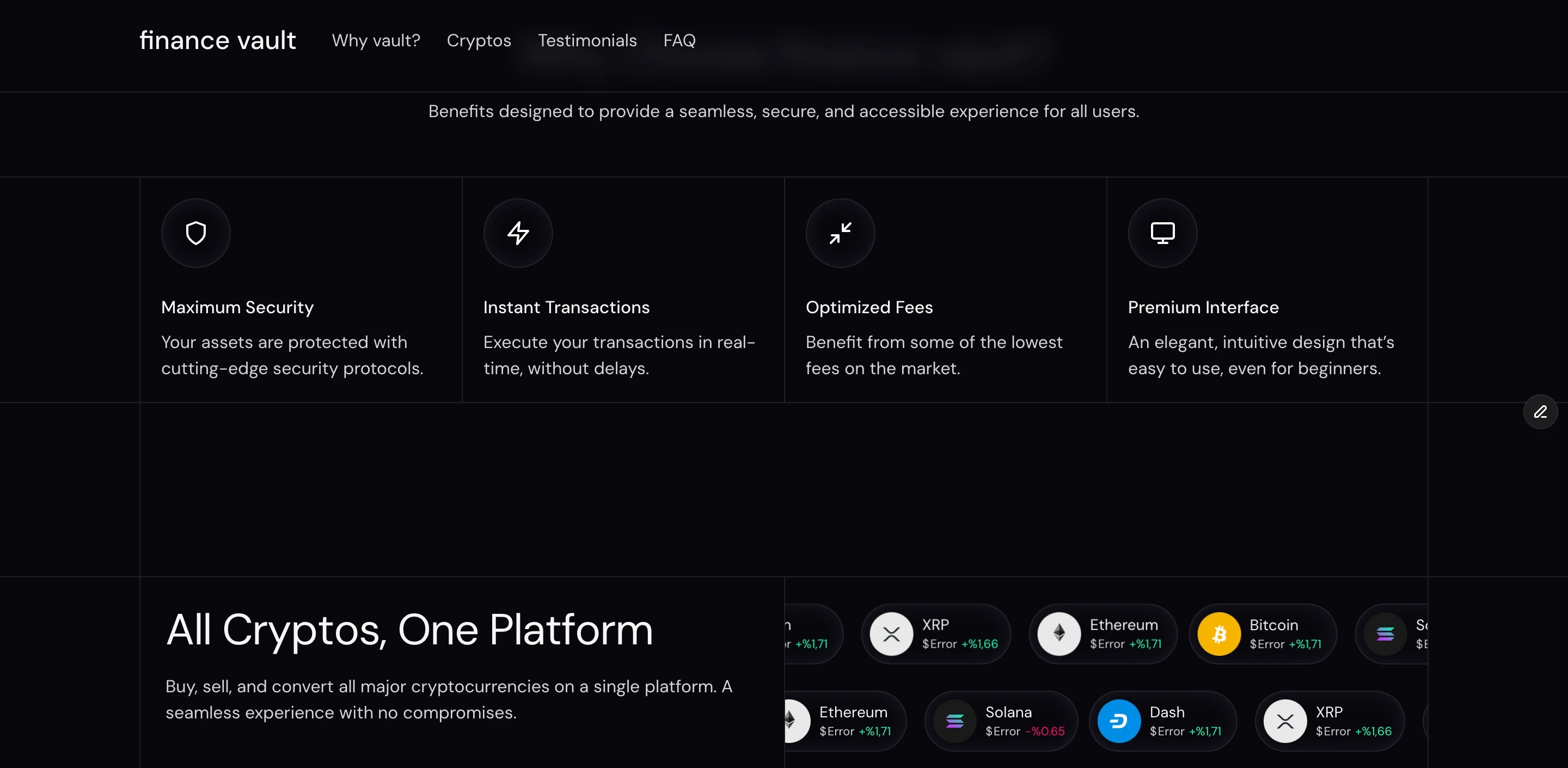
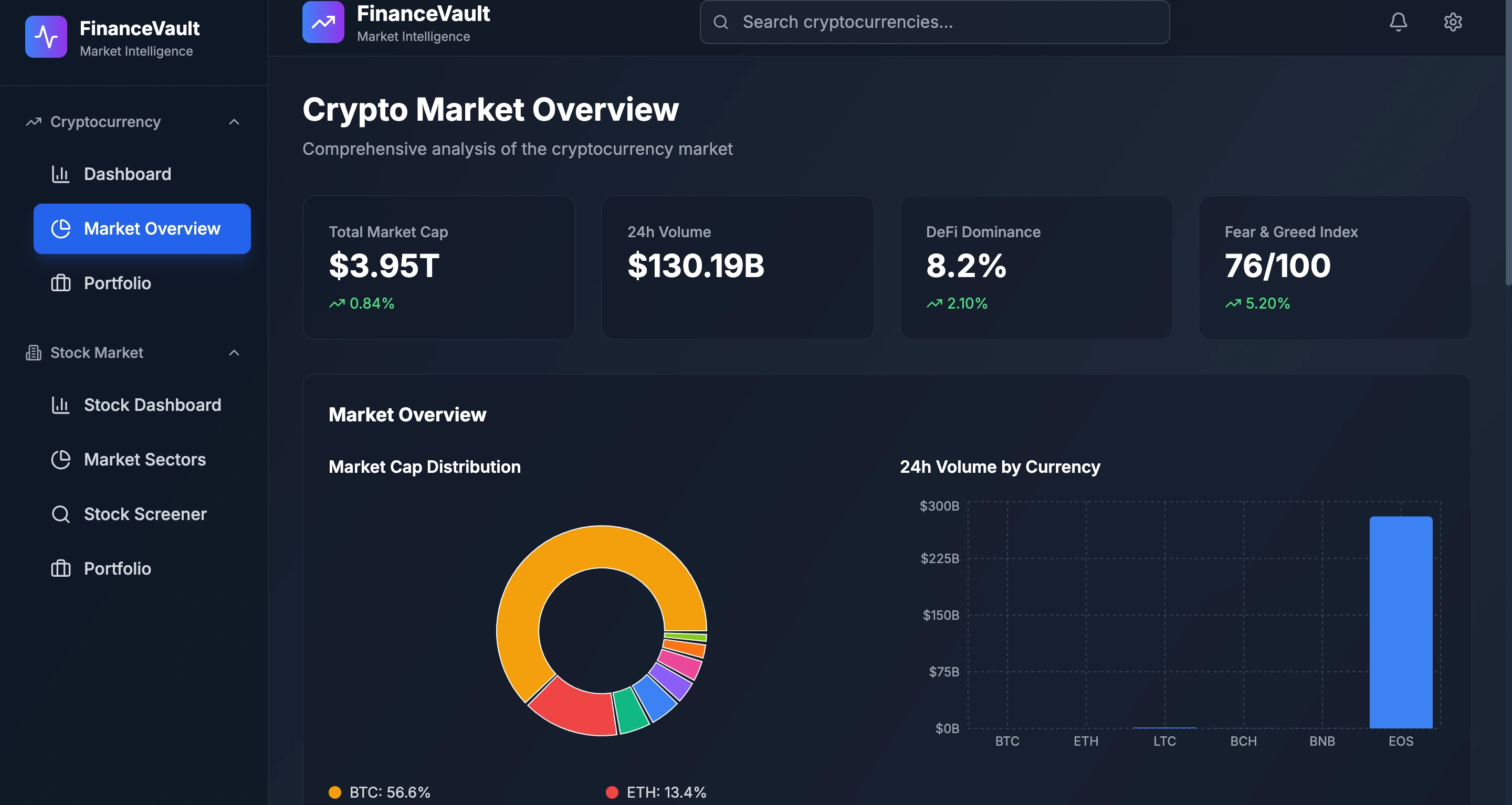
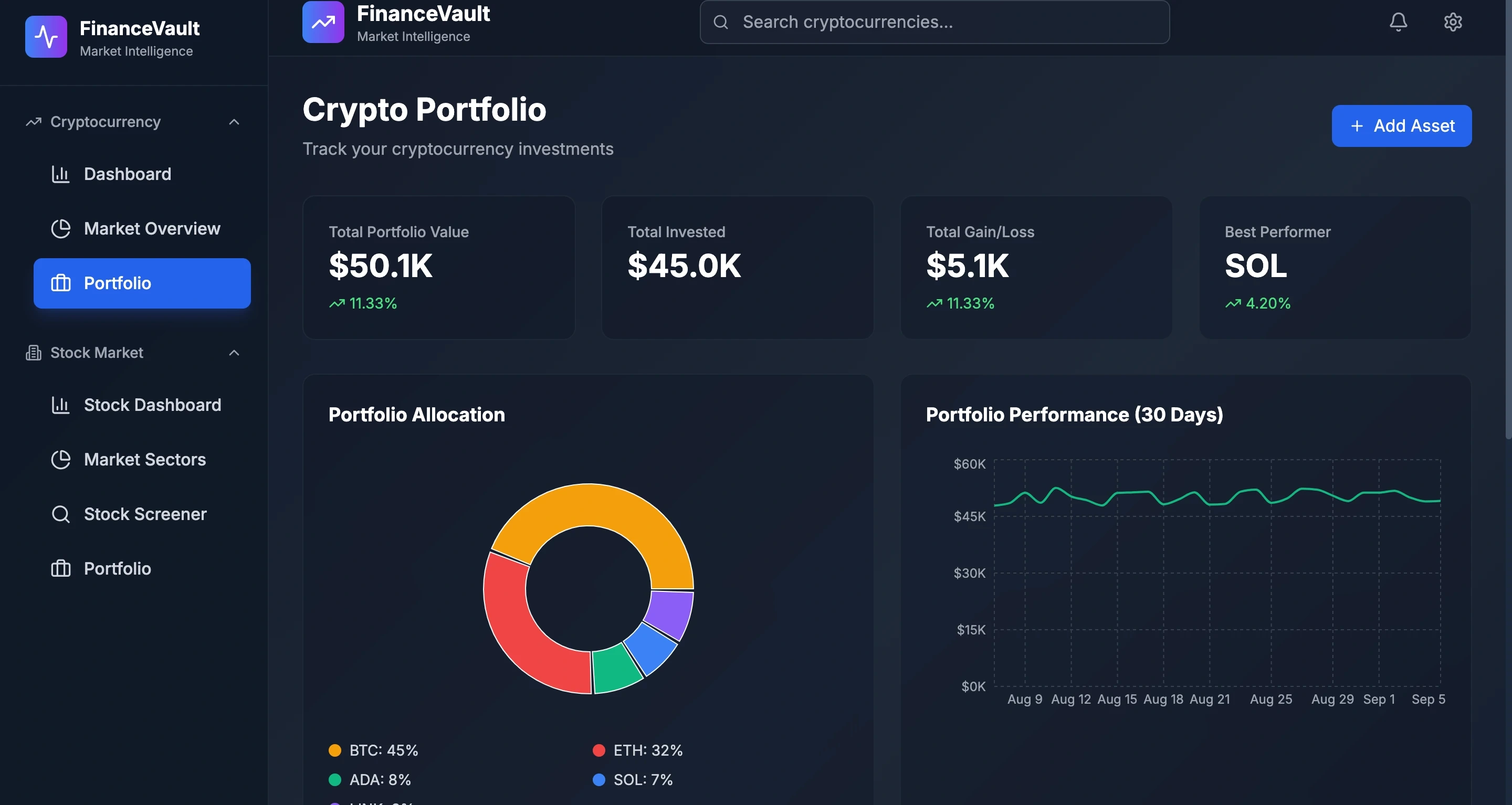
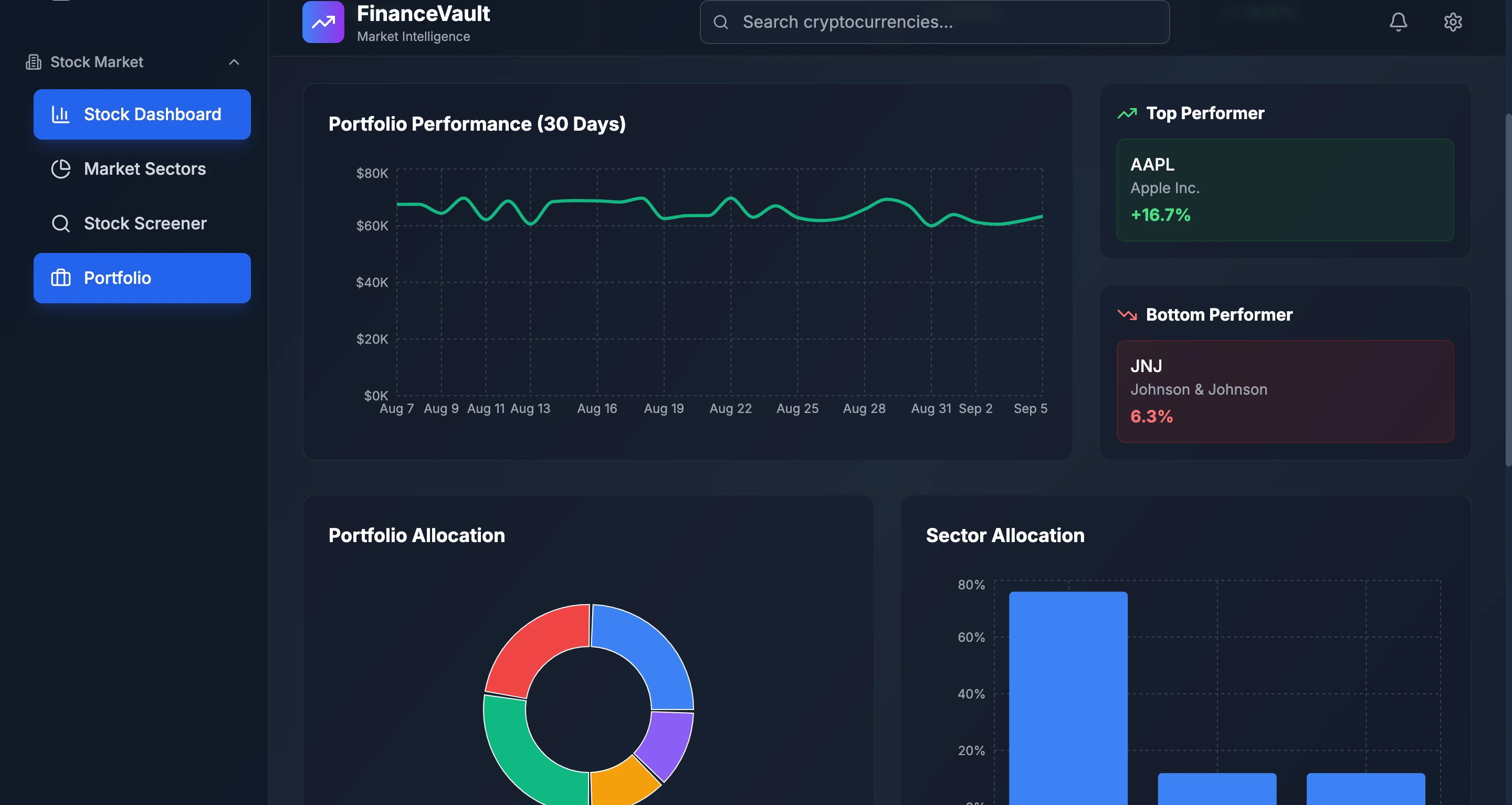
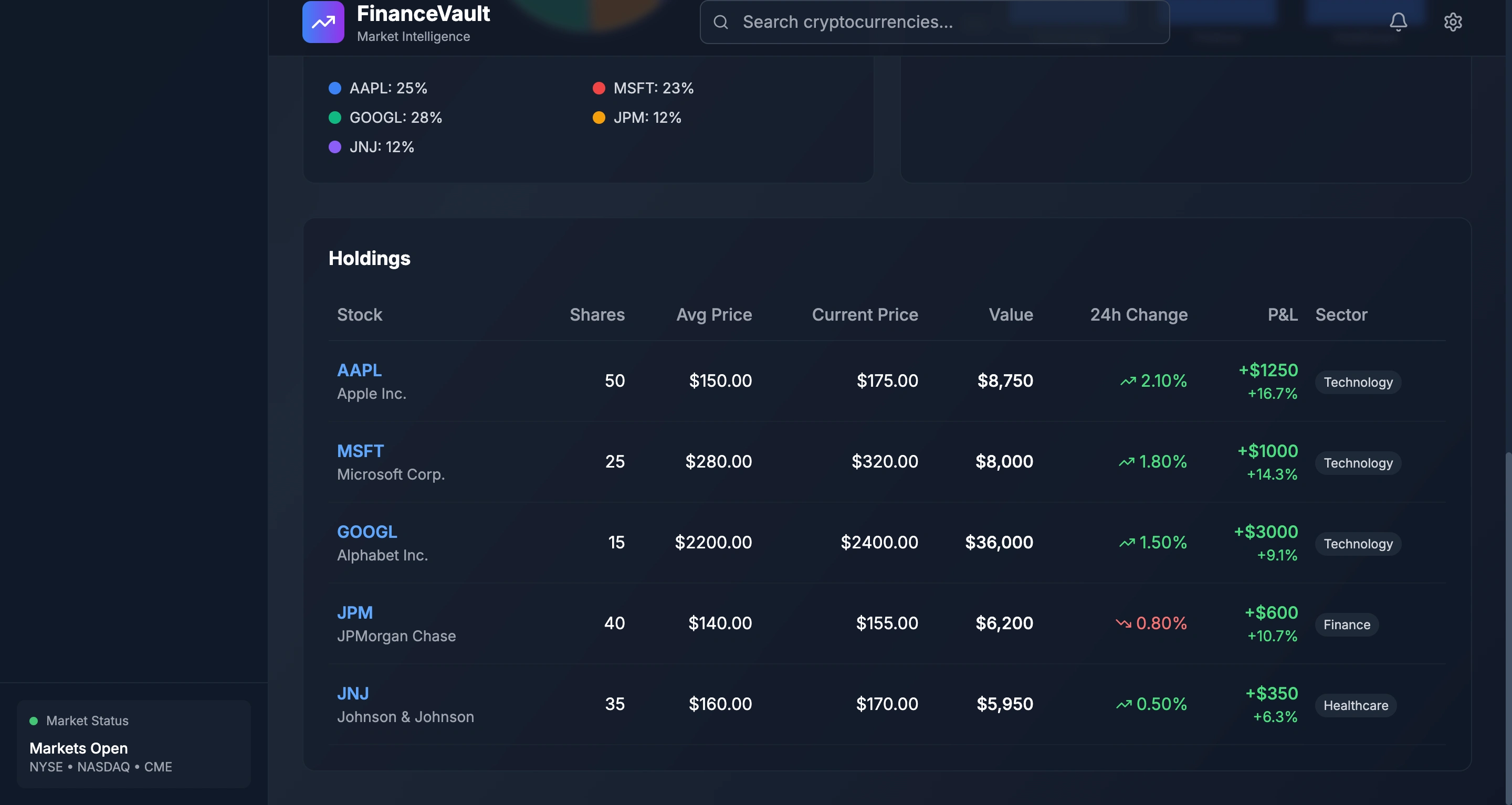
Portfolio Overview – Displaying total value, daily change, and asset allocation.
Interactive Charts – Historical growth curve, pie chart of stock distribution
Stock CRUD – Add, update, or delete stocks with seamless database sync.
Authentication System – Individual user accounts, protecting data privacy.
Real-Time Sync – Every user action updated instantly across sessions.
Responsive UI – Mobile-first but optimized for tablets and desktop.
Animations & Transitions – Fluid movements for better user experience.
Challenges and Solutions
Challenge: Real-time updates without heavy server load
Solution: Used Firestore’s built-in listeners, reducing manual polling.
Challenge: Maintaining state consistency between frontend and backend
Solution: Integrated React Context API for state management with Firebase snapshot listeners.
Challenge: Designing for both beginners and advanced investors
Solution: Simplified dashboard design but allowed deep dives into stock breakdowns.
Challenge: Secure authentication and data privacy
Solution: Implemented Firebase Auth with JWT tokens and OAuth providers.
Timeframe & Work Rate
Planning & Wireframing: 1 week
Frontend Development: 2 weeks
Backend Development: 1.5 weeks
Database Integration: 1 week
Testing & QA: 4–5 days
Deployment & Handover: 2 days
Total Duration: ~6 weeks (with ~25 hours/week commitment).
“The project taught me how to manage time between designing, coding, and testing without losing focus on user experience.”
Outcome & Impact
Delivered: A fully functional, production-ready portfolio management dashboard.
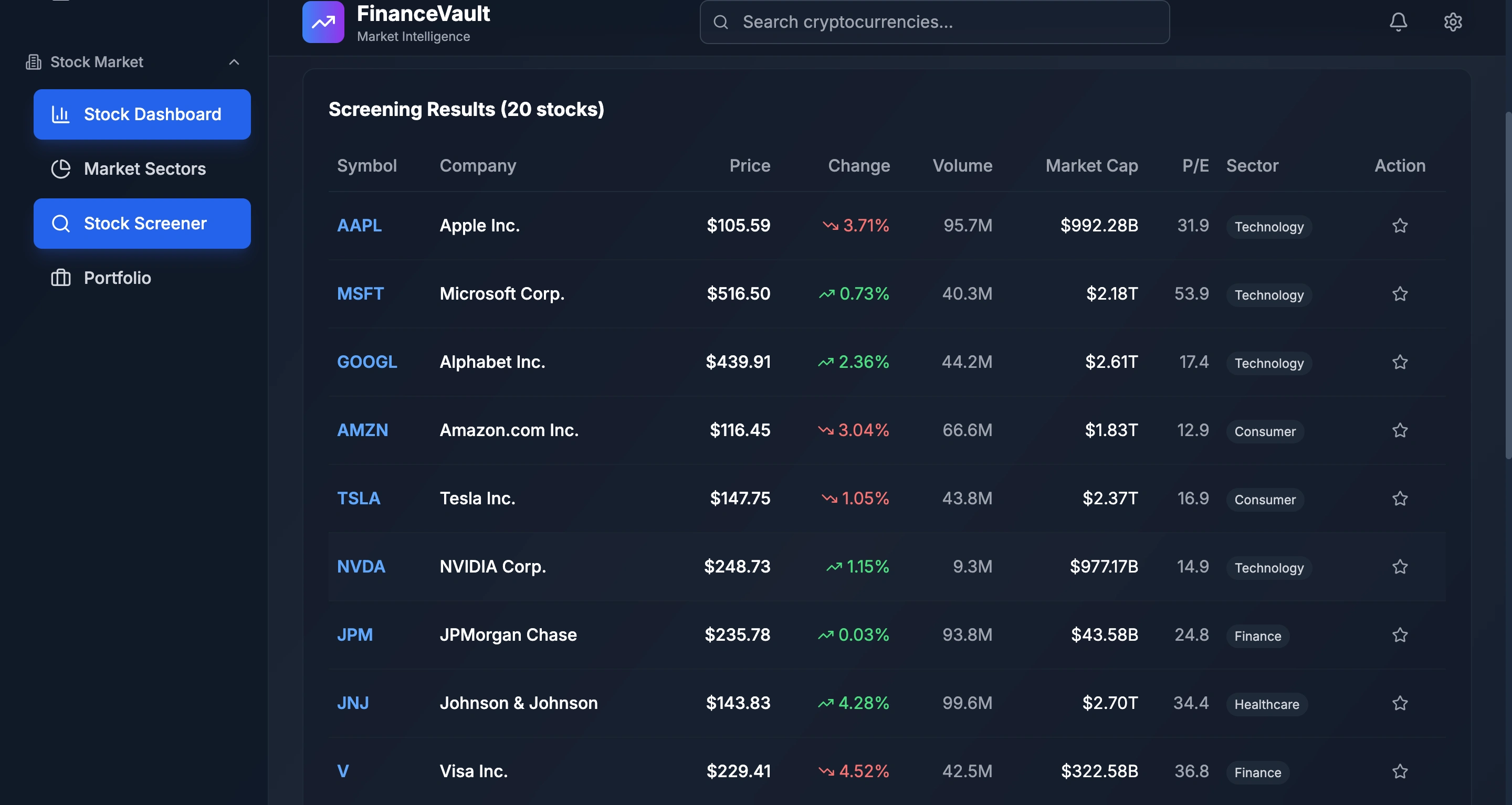
Solved: The problem of fragmented stock management by uniting portfolio visualization, transaction management, and real-time updates into one place.
Result: A system that could be expanded into a commercial SaaS tool for retail investors.
Reflection & Key Learnings
React + Framer Motion can balance performance and beauty.
Firebase proved to be a lightweight but powerful choice for both database and authentication.
Node.js provided flexibility for API orchestration and can easily scale with serverless functions.
Deployment with Vercel simplified delivery and gave a professional finish.
Final Quote
“A project is only complete when it solves a real problem. The Portfolio Stocks Dashboard solved the problem of scattered financial tracking by giving users one seamless, real-time, and elegant platform.”
Like this project
Posted Sep 5, 2025
Developed a responsive, data-driven stock portfolio management dashboard.