Built with Jitter
BOLLUNI — Dinner Is the Only Certainty

Abdullah Eroğlu


BOLLUNI
BOLLUNI began with a simple idea: dinner should be the only certainty.
The food is serious, generous, and intentionally dependable. Everything surrounding it is allowed to change.
One night might become an opera. Another might feel like a meyhane, a game, a cinema, an aquarium, or a rave. The point was never to build a restaurant around gimmicks. I wanted to build a place where the evening itself could become part of the memory.
Come hungry. Leave with a story.
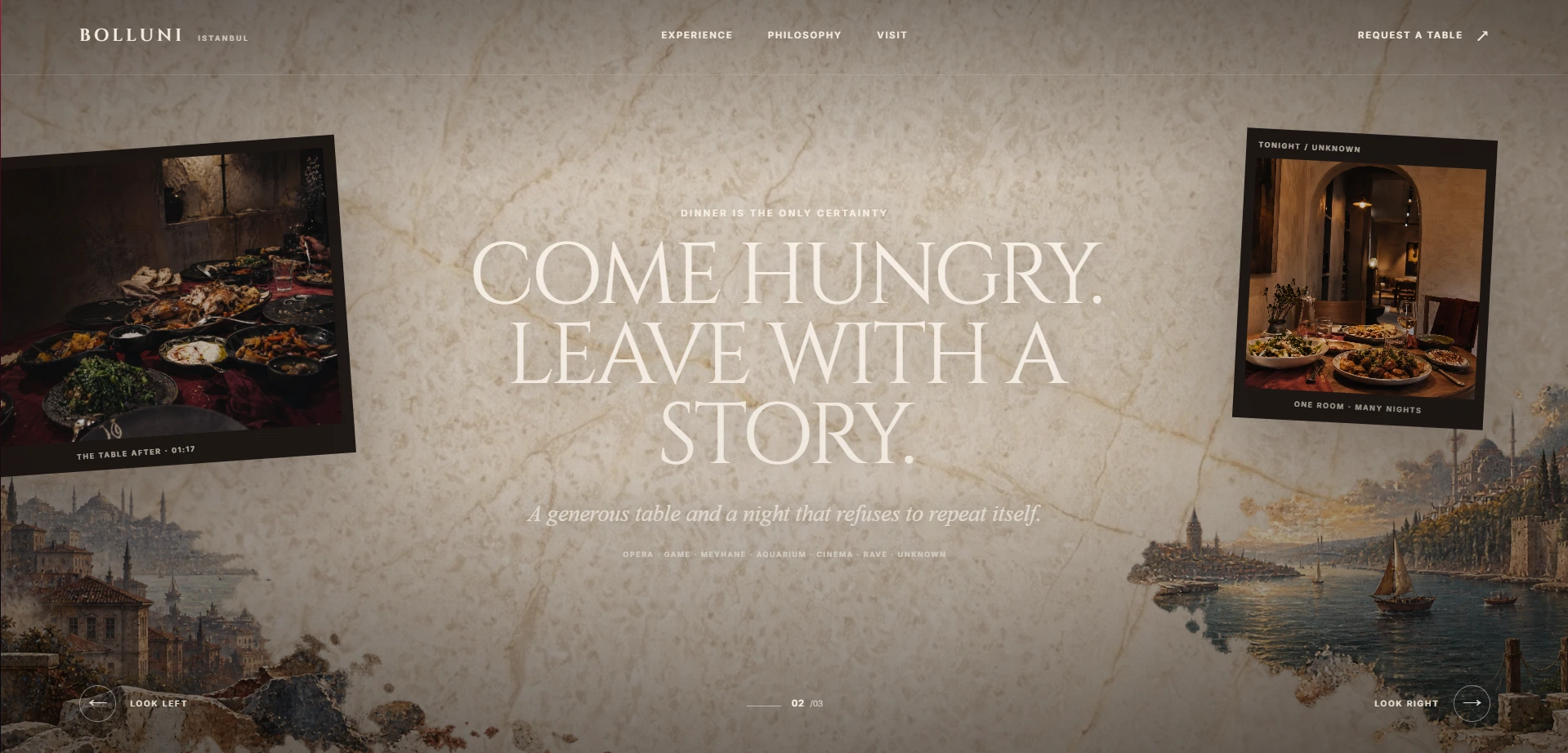
Bolluni Hero Section
Building the World
The visual direction needed to feel theatrical without becoming luxurious in the predictable fine-dining sense.
I built BOLLUNI around warm paper tones, deep blacks, aged architectural references, expressive food photography, Mediterranean color accents, and an editorial typography system.
The contrast was important.
The food needed to feel immediate and physical, while the surrounding world could feel romantic, strange, historic, and slightly unpredictable.
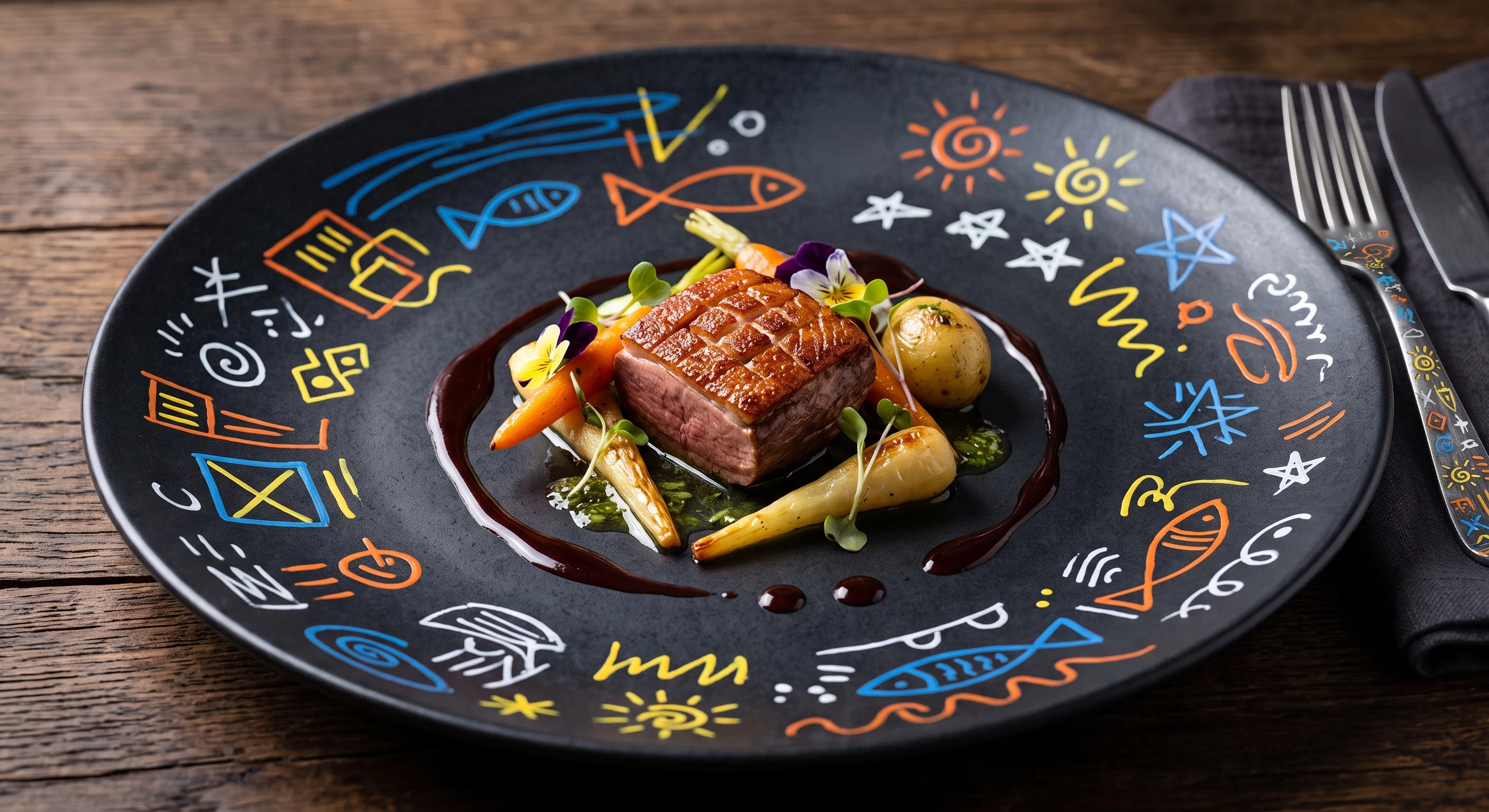
Bolluni Experimental Plate
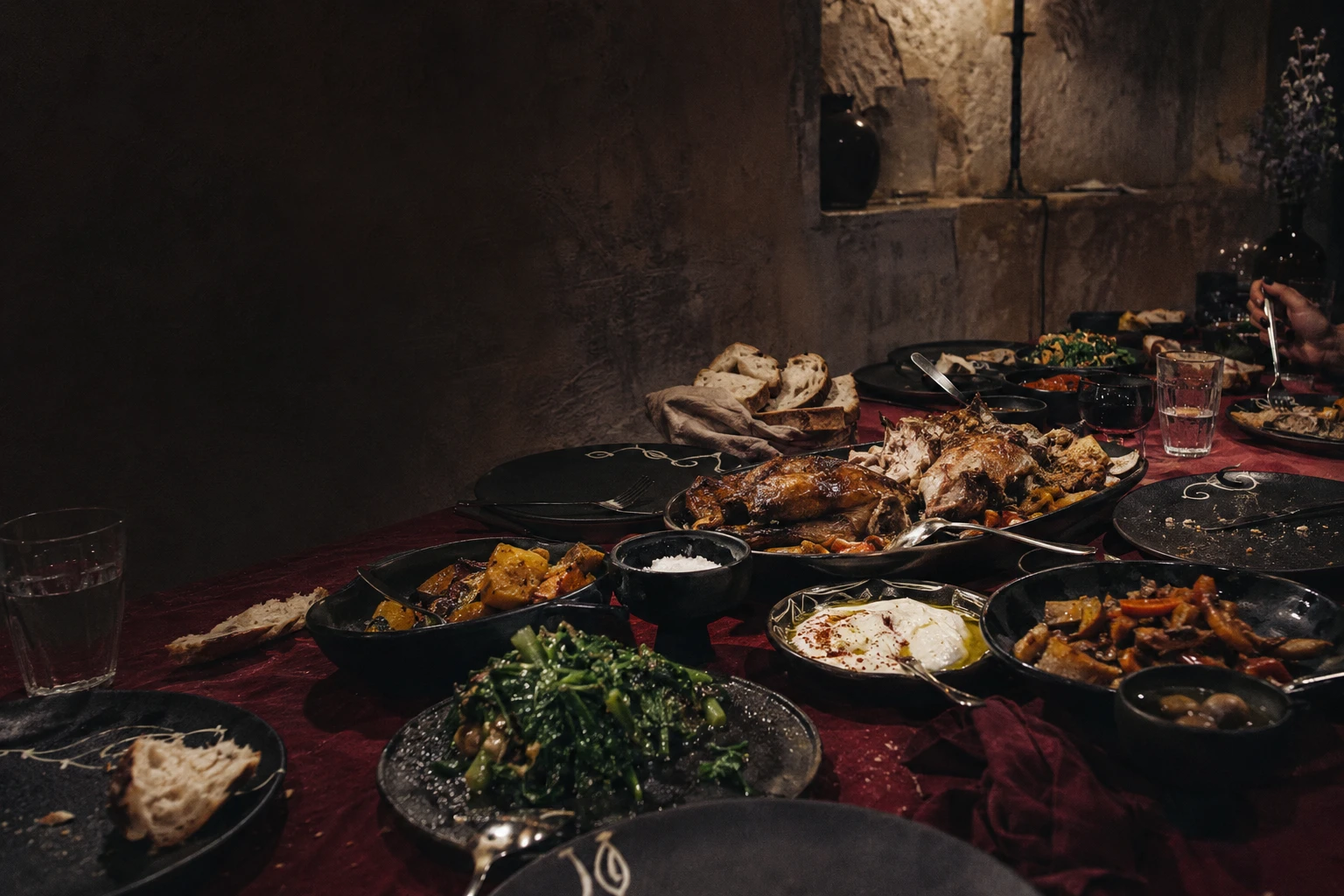
Bolluni Atmosphere
A Restaurant That Can Change Its Character
Instead of giving every possible event its own disconnected identity, I designed one visual system capable of changing mood.
Opera, game nights, meyhane, aquarium, cinema, and rave environments all belong to the same BOLLUNI world.
The room can change.
The energy can change.
The experience can change.
The brand should still remain recognisable.
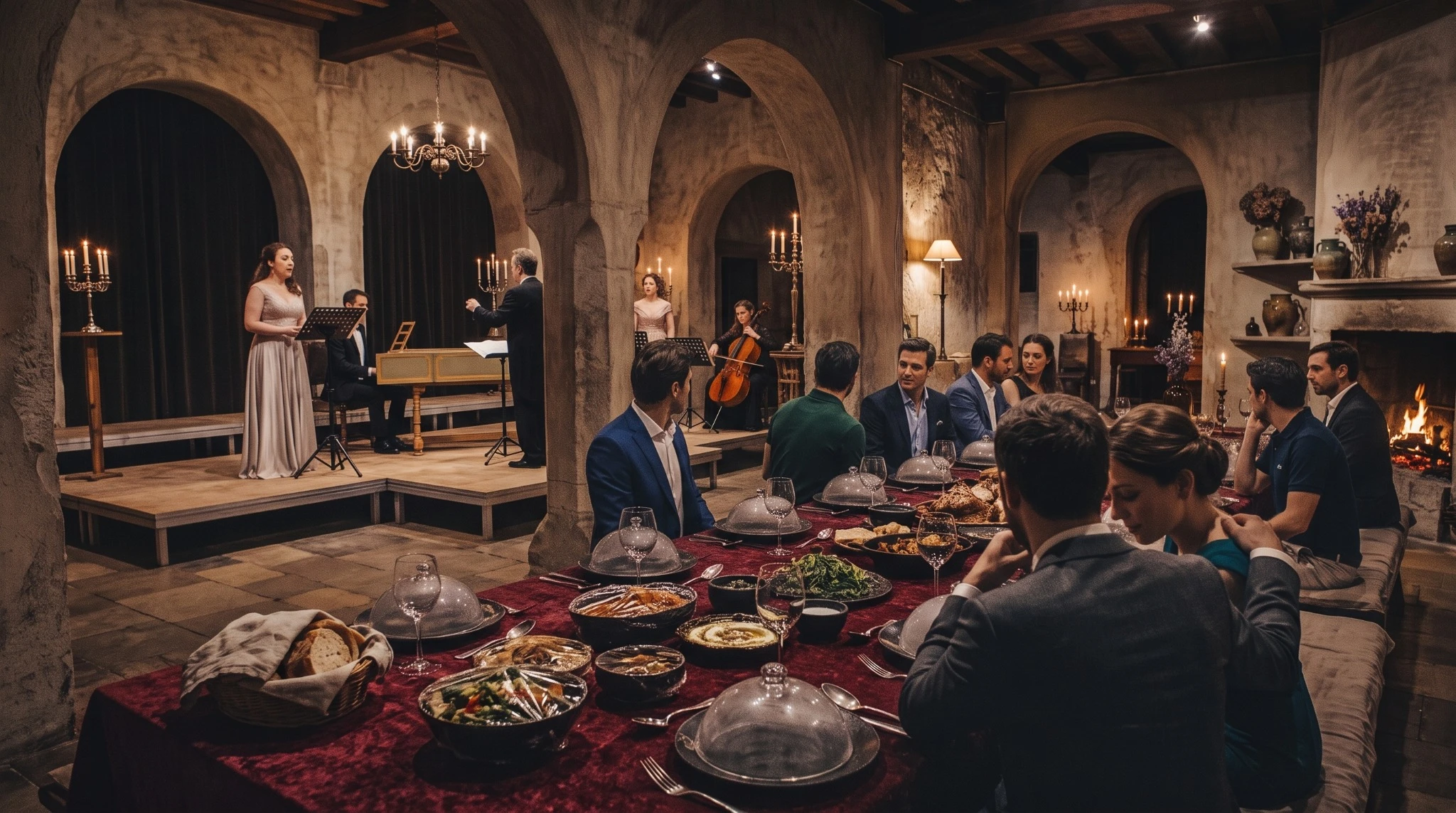
One Of The Possible Nights
The Hero as a Space, Not a Banner
I didn't want the opening section to behave like a conventional restaurant hero.
The hero works more like a small stage the visitor can look around.
On desktop, the composition can be shifted horizontally to reveal different parts of the scene rather than immediately forcing the visitor down the page. The left and right controls create a controlled camera-like movement across the visual world.
Once the visitor leaves the hero, the website returns to a more conventional vertical flow.
This gave me a way to make the first interaction memorable without forcing the entire website into an experimental navigation system.
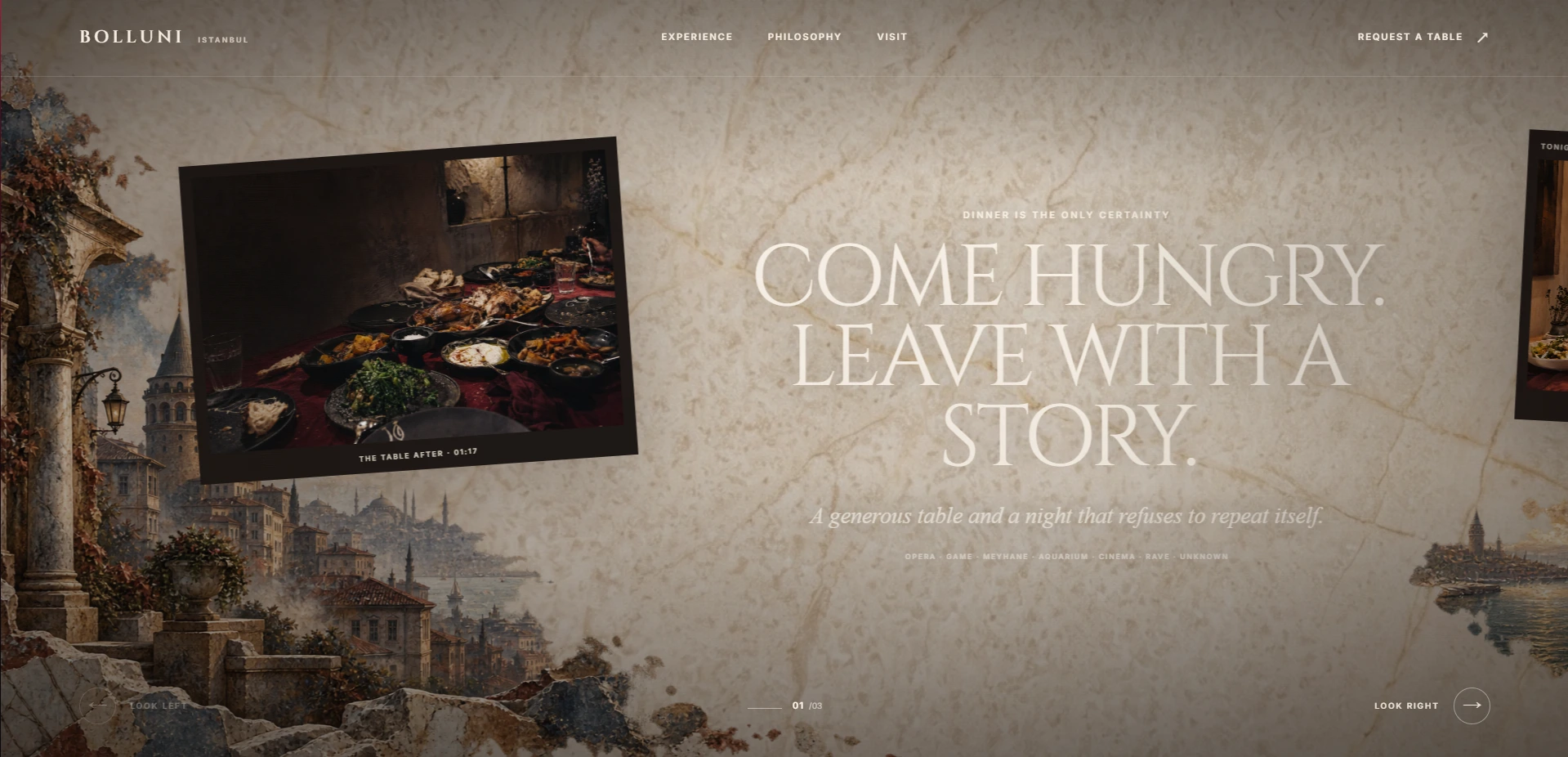
Hero Left Look
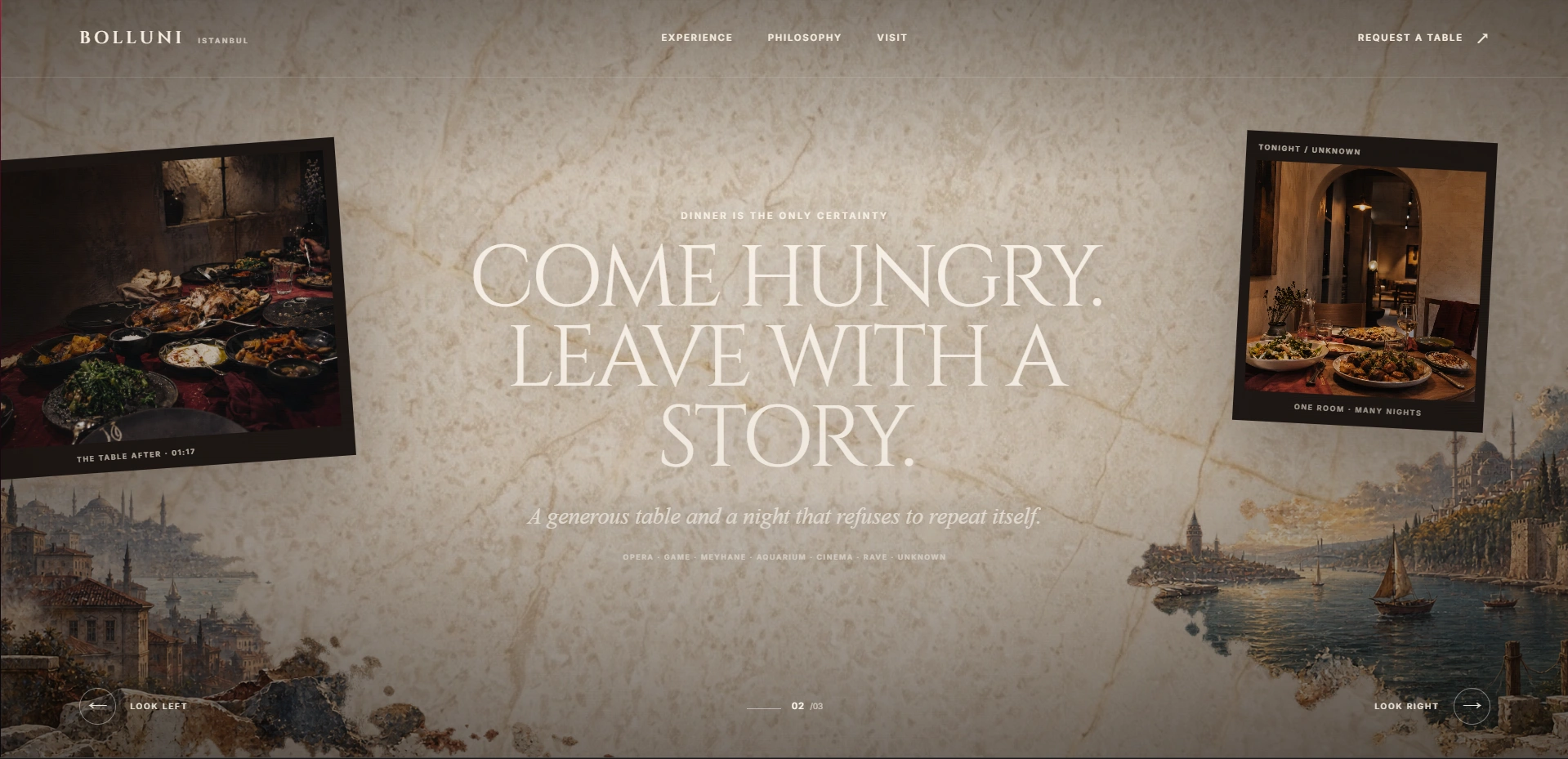
Hero Midle Look
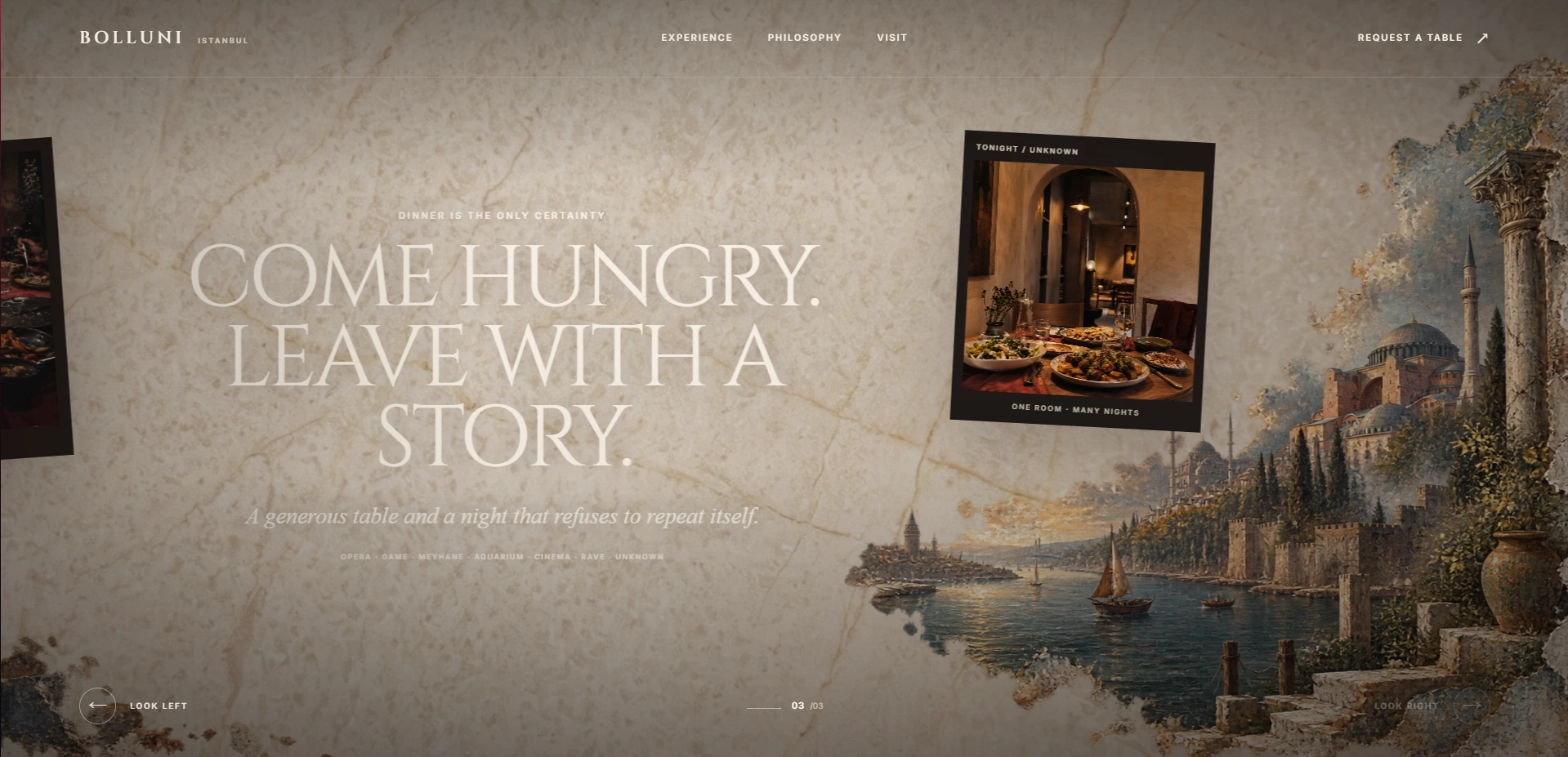
Hero Right Look
Motion Without Turning the Site Into a Demo Reel
BOLLUNI needed movement, but I didn't want every section fighting for attention.
Reveals are timed around the scroll so photography, typography, and background elements enter with enough force to be noticed while still allowing the food and content to remain the focus.
Images use controlled parallax and hover behavior, while transitions are deliberately smoother and more cinematic than standard UI animation.
The goal was not to prove that the website could move.
The goal was to make the movement belong to the atmosphere.
Motion Direction Beyond the Website
I also extended BOLLUNI into a short motion piece using Jitter.
Rather than creating a conventional UI animation, I approached it more like a miniature brand trailer.
I combined large typographic transitions, image choreography, zoom in and zoom out sequences, simulated camera movement, camera-follow typography, blur, irregular object movement, and a seamless loop.
Jitter does not provide a traditional camera workflow, so much of the spatial movement had to be constructed manually through synchronized scale and position changes.
The final result was intentionally designed to feel simpler than the system behind it.
Bolluni Motion Video (Made with Jitter)
The Food Is Still the Anchor
BOLLUNI can become visually strange, loud, theatrical, or unexpected.
The dinner cannot.
That became one of the most important rules of the project.
The portions are intended to be generous. The ingredients are treated seriously. The guest should never leave feeling that the experience replaced the meal.
There is no interest in turning dinner into a collection of empty spectacles.
The night may change. Your dinner will not.
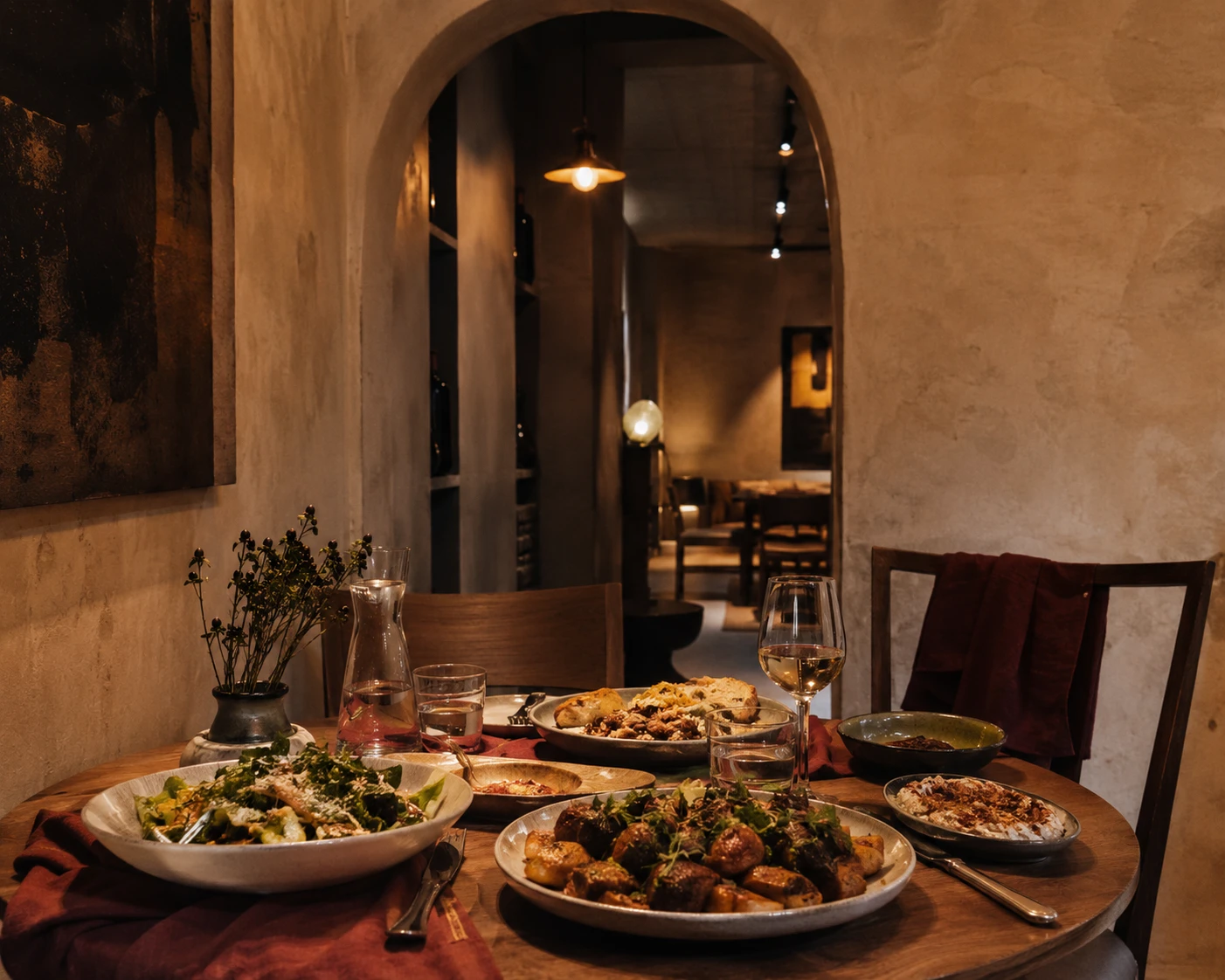
Served Dinner
Surprise Needs Boundaries
Mystery only works when the guest still has control over the things that matter.
BOLLUNI can keep the exact format of the evening secret, but accessibility requirements and safety-related information should never be hidden.
If an experience contains strong flashing lights, intense sound, unusual physical conditions, or anything else that might affect a guest's ability to participate safely, that information needs to be communicated before confirmation.
Surprise is part of the experience.
Consent is part of the system.
Personalisation Without Turning People Into Data
I also wanted personalisation to feel human rather than algorithmic.
BOLLUNI does not need to generate a different menu because somebody answered a questionnaire.
Instead, small details can be noticed and remembered with permission.
A song.
An object.
A flavour.
A reference.
Something that might only mean something to one person at the table.
We do not personalise a menu. We notice a person.
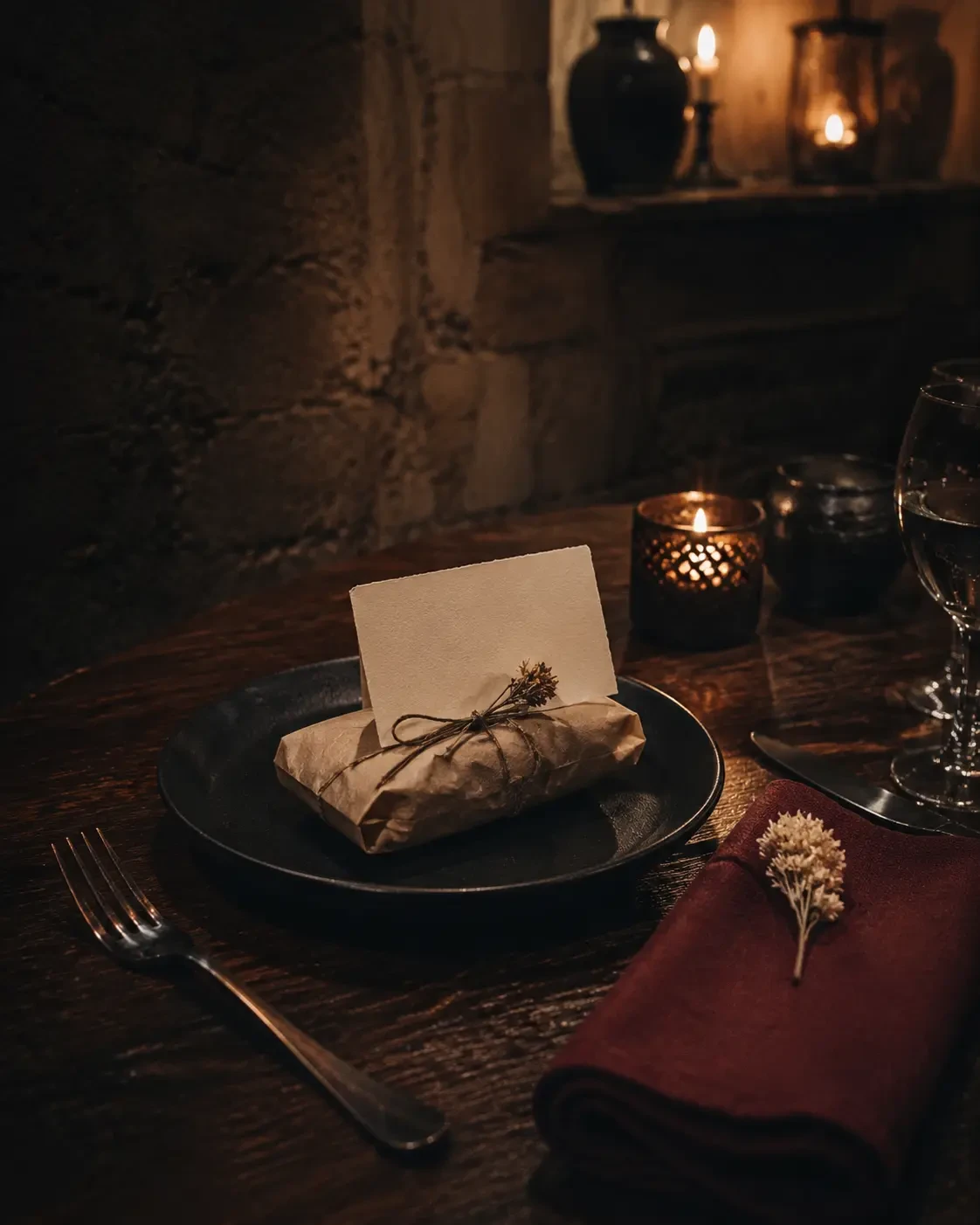
Personalized Gift
Four Principles
The concept eventually became easier to control through four rules:
Feed people.
Pay attention.
Never repeat.
State the limits.
These principles influenced more than the restaurant concept. They also became design constraints for the website.
The experience could remain unpredictable as long as the underlying system stayed coherent.
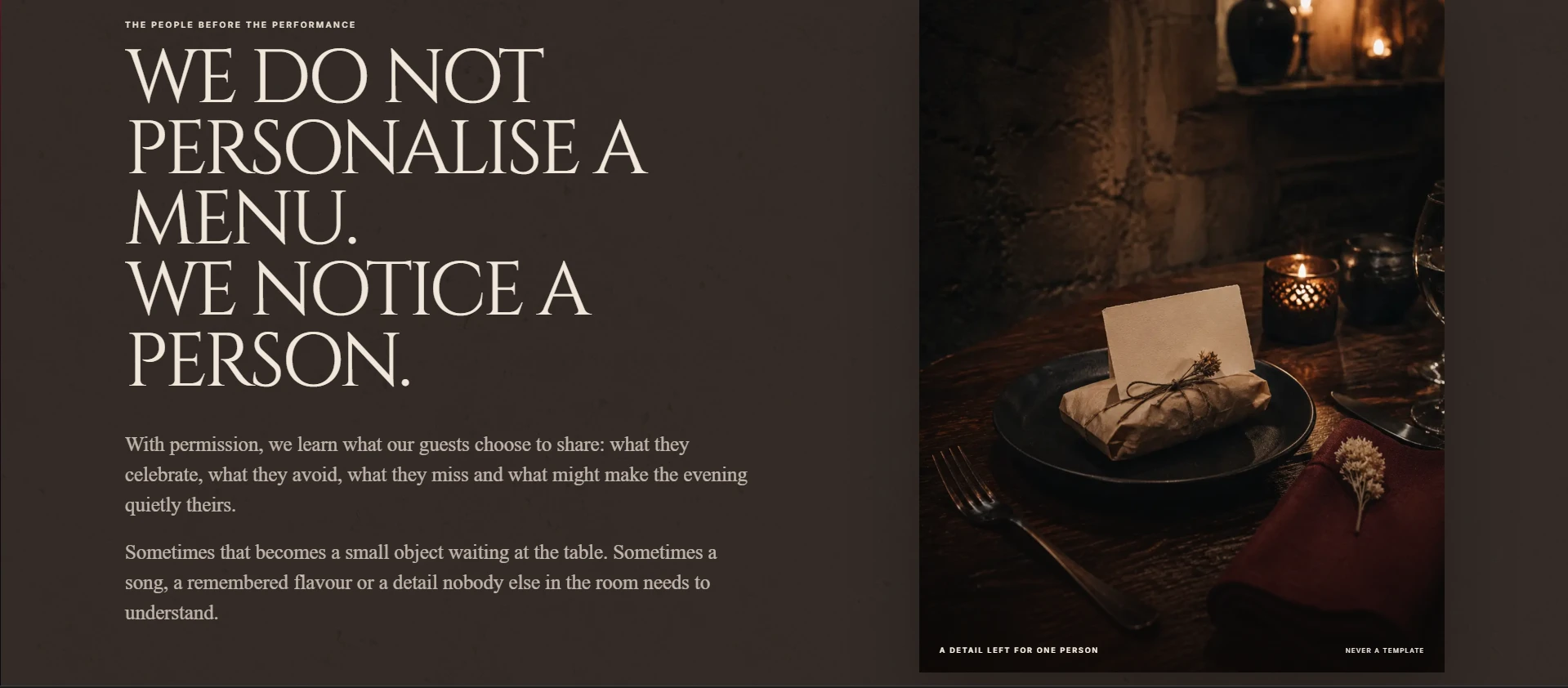
Personalize Philosophy
Using AI Without Giving It the Direction
AI was part of the production process, but not the source of the final direction.
I used ChatGPT throughout the project as a thinking partner while developing the concept, structuring parts of the experience, testing copy, challenging ideas, and working through design and development problems.
I used Gemini during visual exploration and image generation, particularly when I needed imagery that belonged specifically to the BOLLUNI world rather than relying entirely on existing stock material.
The outputs were treated as raw material.
I selected, rejected, edited, directed, and combined them around an art direction that had already been established.
The final website, interaction system, pacing, visual decisions, and implementation were still human-directed.
From Image Generation to a Working Experience
One of the interesting parts of the project was moving repeatedly between visual exploration and implementation.
An image could change the composition of a section.
A section could reveal that a generated image was wrong for the experience.
An interaction could require a different crop, background, texture, or visual hierarchy.
Instead of treating image generation, design, and development as separate phases, I allowed them to influence each other throughout the build.
That iterative loop became a major part of the final result.
The Final Experience
The finished website is intentionally more restrained than the restaurant concept itself.
The strange parts are revealed gradually.
The hero introduces the world through spatial movement. The photography carries the appetite. The editorial system gives the brand structure. Motion controls the rhythm. The content explains why unpredictability exists in the first place.
BOLLUNI isn't designed around the idea that a restaurant needs more spectacle.
It is designed around the idea that a memorable dinner can become the beginning of something larger.
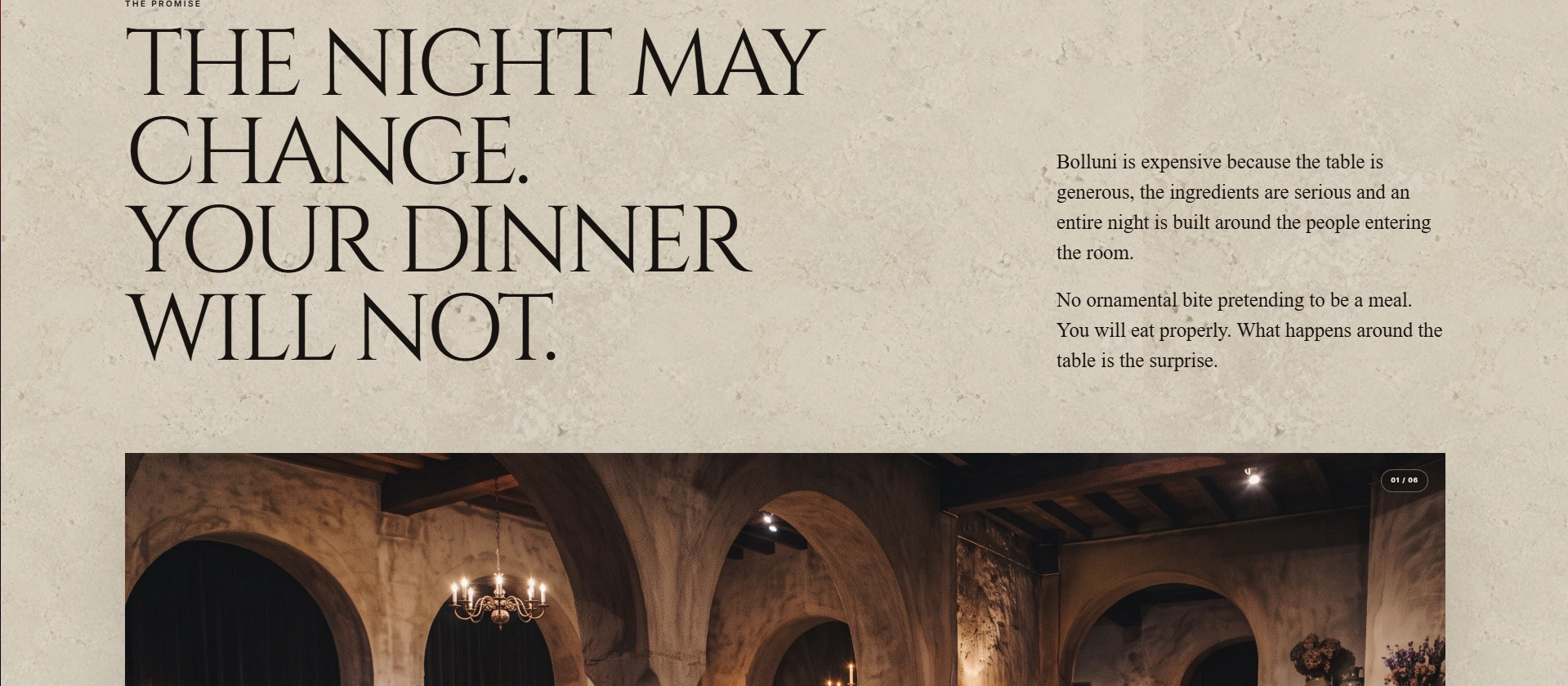
The Promise
Creative Direction / Concept / Art Direction / Web Design / Development / Motion
HTML · CSS · JavaScript · GSAP · Lenis · Jitter · ChatGPT · Gemini
Like this project
Posted Aug 20, 2026
A restaurant concept and interactive web experience where dinner stays dependable while each night can change character. Editorial art direction, cinematic motion, and spatial hero interactions build a flexible BOLLUNI world.