
March 2024
Product design case study
Overview
Built a professional network for sports talent across Africa
TASAfrica was built to help African athletes get seen, build credible profiles, and connect with scouts, coaches, clubs, and academies.
Think of it as a professional network built around sports talent.
When I joined, the idea was strong, but the product felt scattered. Different users had different needs, yet the experience treated everyone almost the same.
I worked with the team to give the product more structure, simplify key flows, and create a design system that could grow with it.
My role
Helped shape the product from structure to final screens
I led the UX across major parts of the platform and worked closely with the product manager, engineers, and other stakeholders.
My work included:
Designing athlete profiles, discovery, matches, messaging, and verification flows
Shaping experiences for athletes, scouts, coaches, clubs, and academies
Creating and documenting the design system
Turning product ideas into clear user flows and interfaces
Working with engineers through handoff and implementation
By the end of the project, I had worked across 690+ screens covering the main product experience.
Problem statement
One platform, several very different users
TASAfrica had to work for people with very different goals.
Athletes wanted exposure and career opportunities
Scouts wanted an easier way to find and assess talent
Coaches needed to manage players and follow development
Academies and clubs wanted to promote programs and find players
The early product gave these users almost the same experience.
That made the platform harder to understand. Users could join, but the next step wasn't always clear. Profiles also needed to show different information depending on who was using them.
The challenge was building one connected product without making it feel crowded.
Goals
Make the platform easier to understand and use
We wanted to create a sports network where users could quickly understand what they could do and where they should go next.
The product needed to:
Help athletes show their skills, history, and achievements
Help scouts find and assess talent
Support different user roles within one product
Make discovery and interaction easier
Build trust through verified profiles
Create a design system the team could keep building on
Process
Spoke with 34+ prospective users
Before pushing pixels, we needed to understand how people already discovered and assessed sports talent.
Together with the product manager, we spoke with 34+ athletes, scouts, coaches, and academy representatives.
We asked about how athletes find opportunities, what scouts look for before contacting a player, what information builds trust, and where the current process tends to break down.
Those conversations helped us decide what belonged in V1 and how the main parts of the product should connect.
Finding the right structure
The first ideas went through several rounds.
Some flows asked for too much information too early. Others made the product feel like separate tools stitched together for different users.
We stripped those ideas back and focused on one shared system with role-based experiences where they mattered.
Initial Explorations & Rejected Designs
Revised User Flow Wireframes
Key product flows
Get users inside first, complete the profile later
Sports communities include people with different levels of digital experience, devices, and internet access.
So I kept onboarding light.
Users selected their role early, entered the basic details needed to create an account, verified their identity, and could complete the rest of their profile once inside.
This reduced the amount of work required before users could start exploring the product.
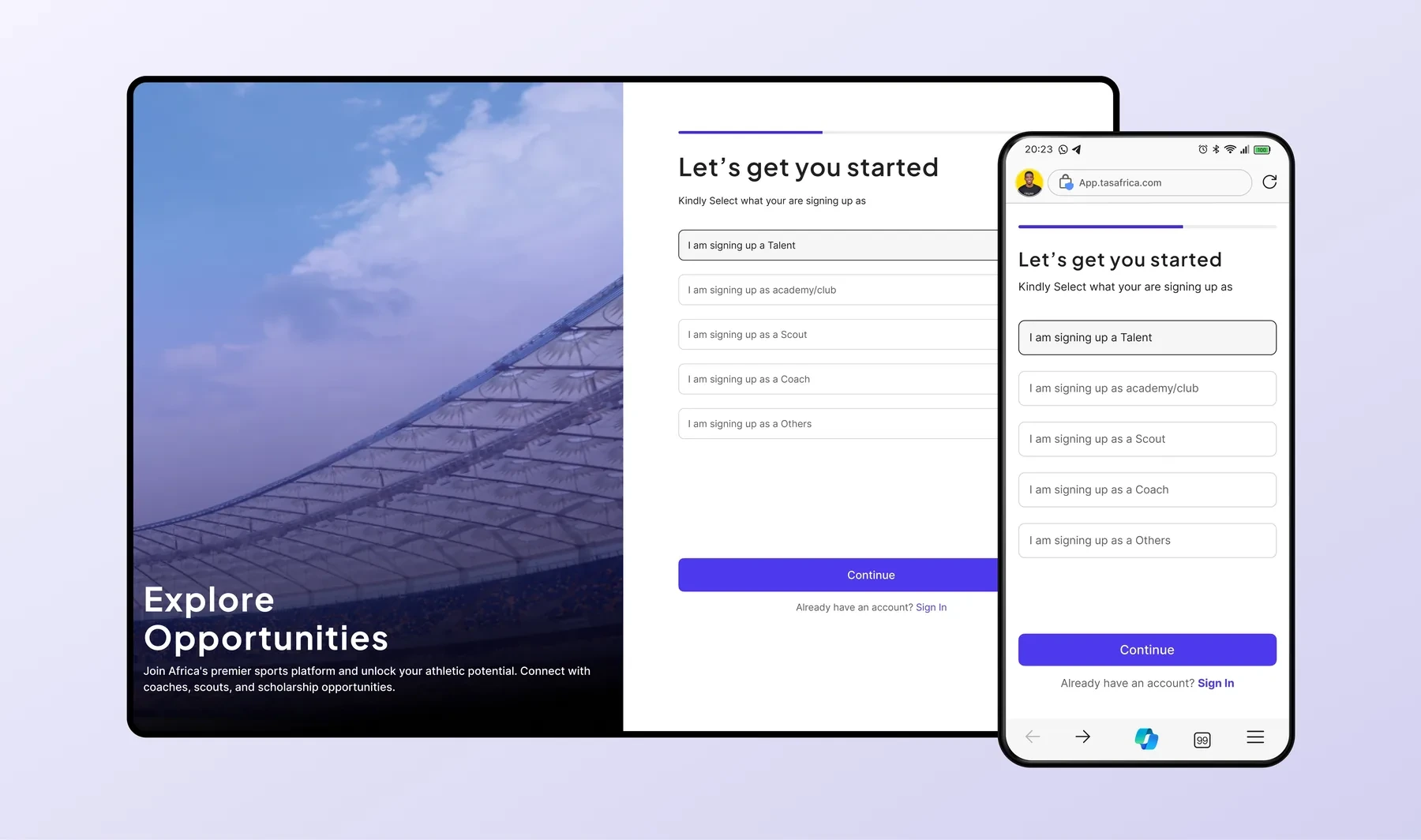
Role Selection
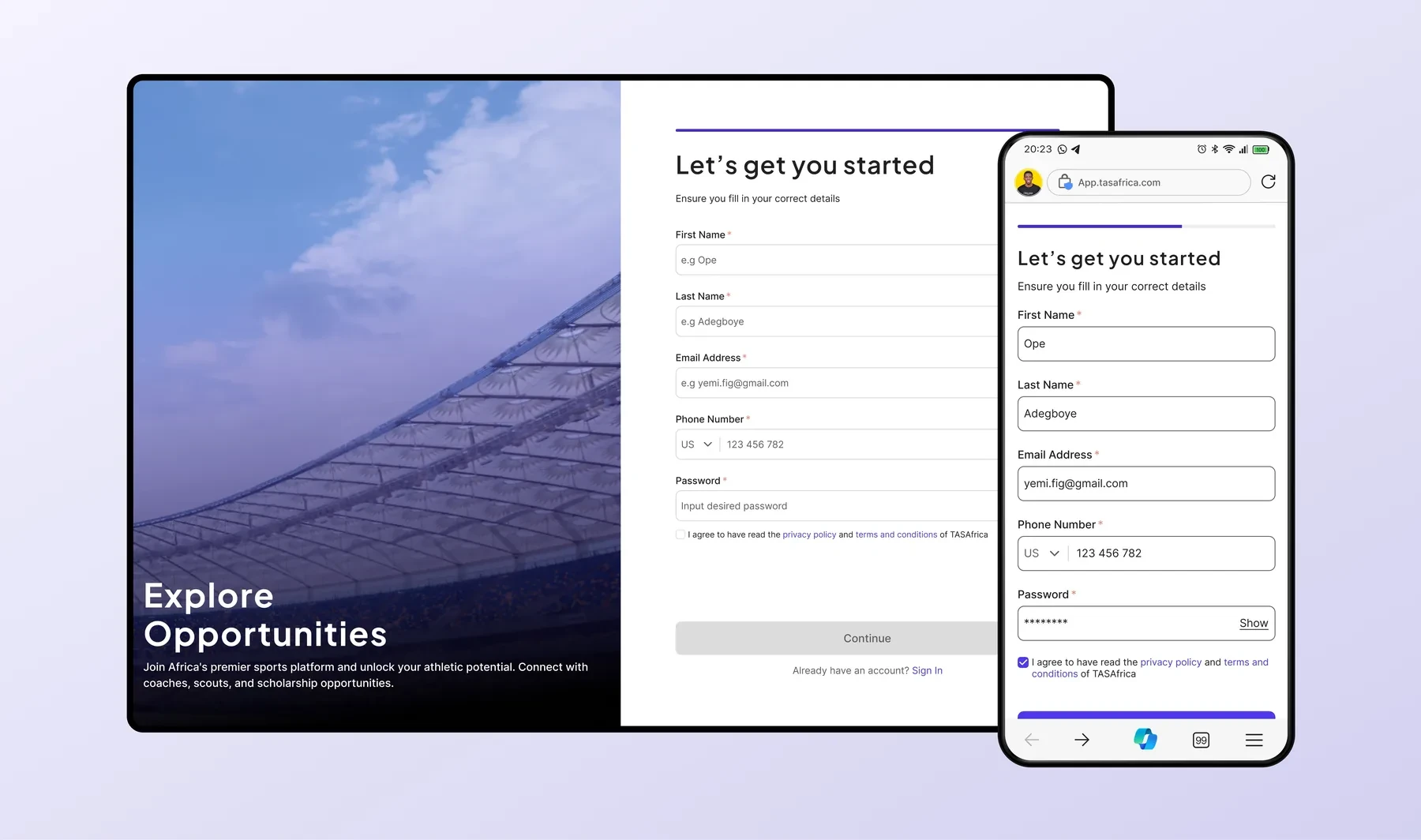
Personal Information
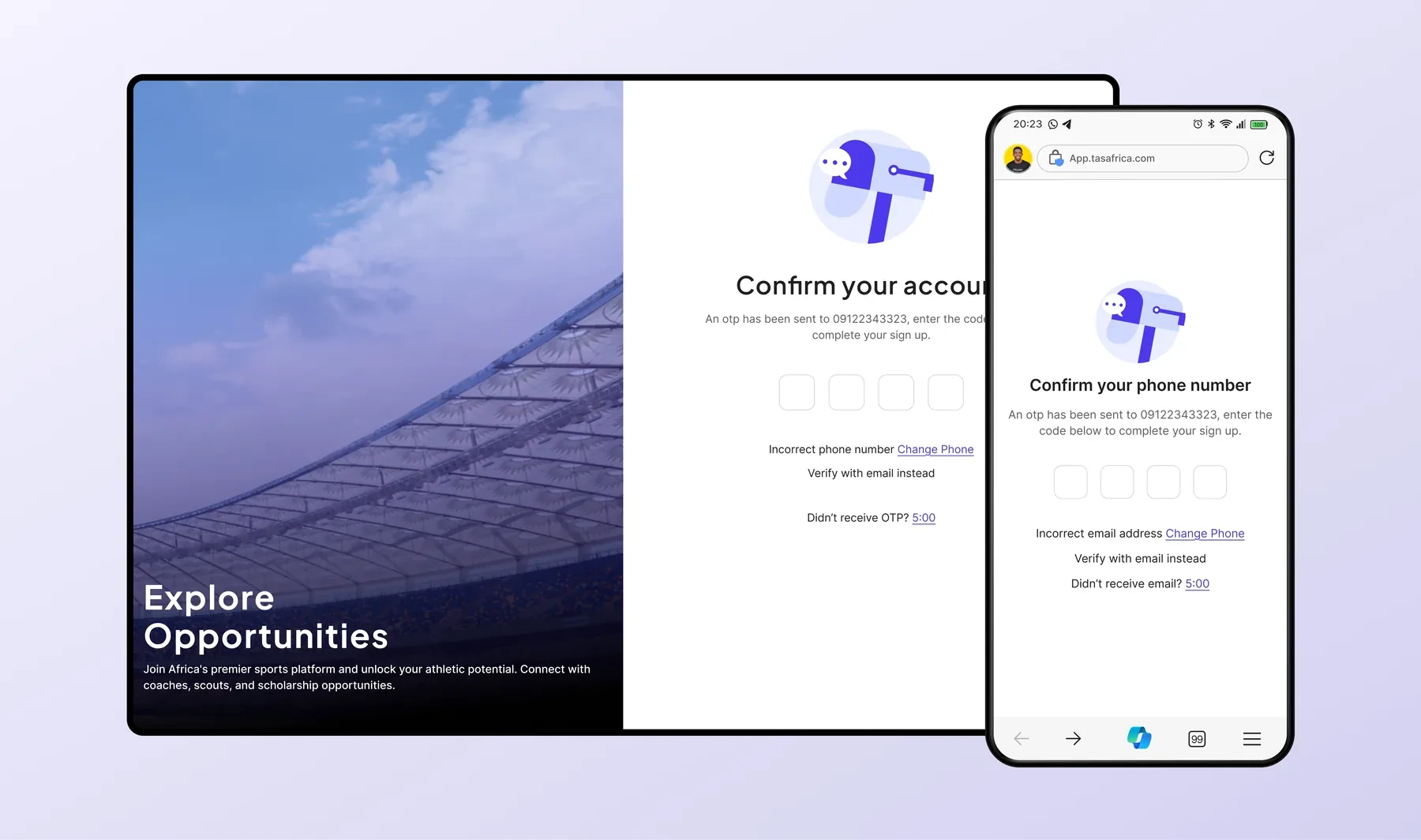
OTP Verification
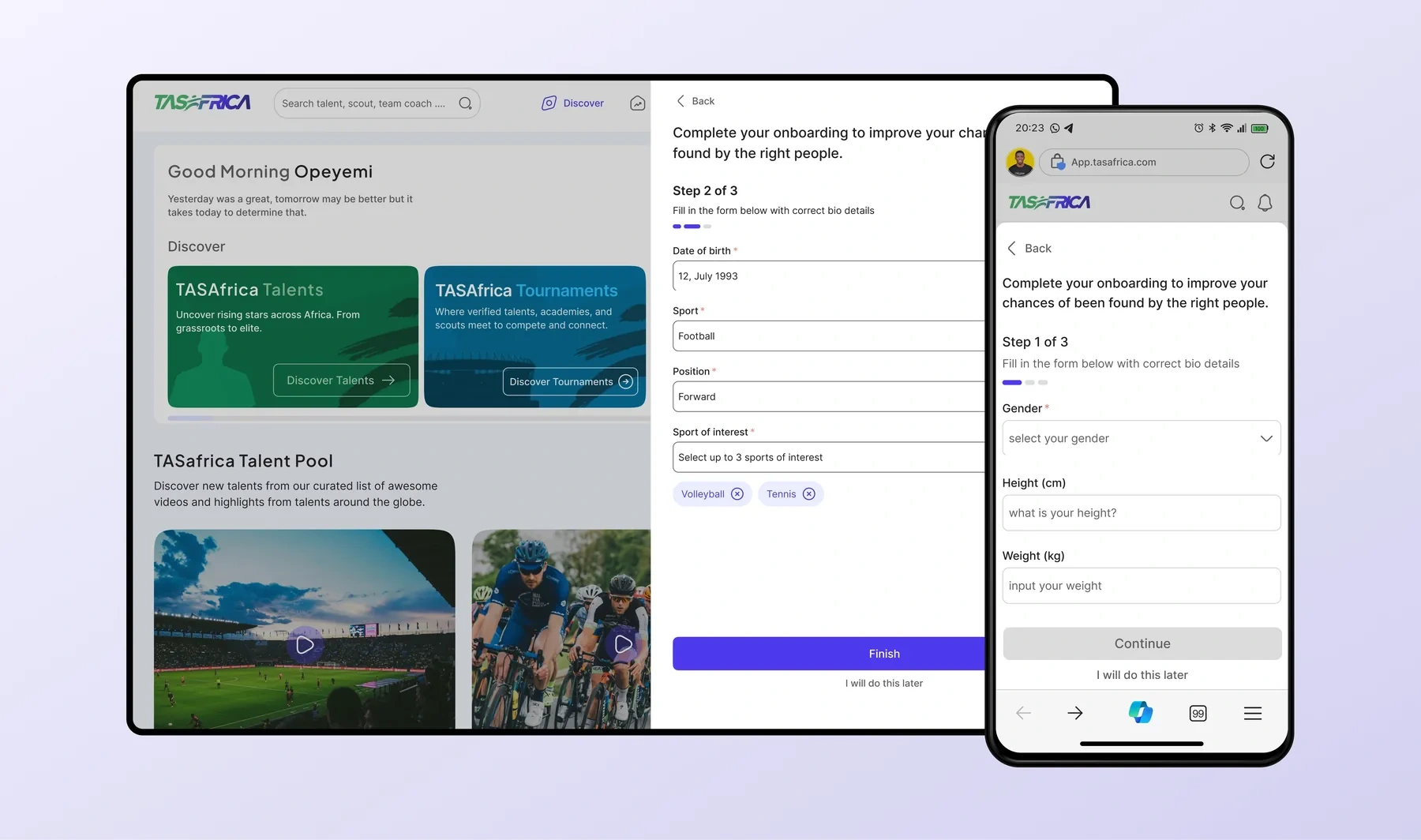
Account Created
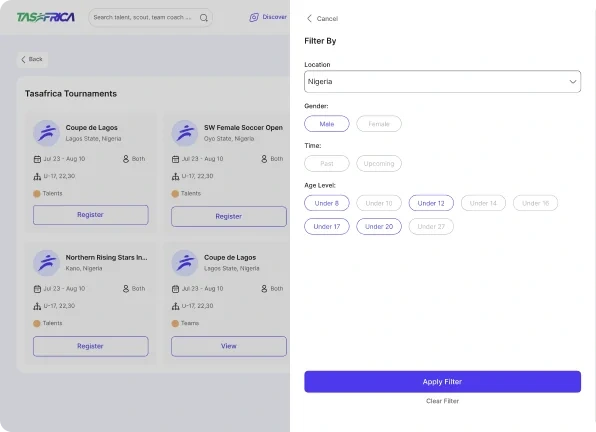
Make discovery the first thing users see
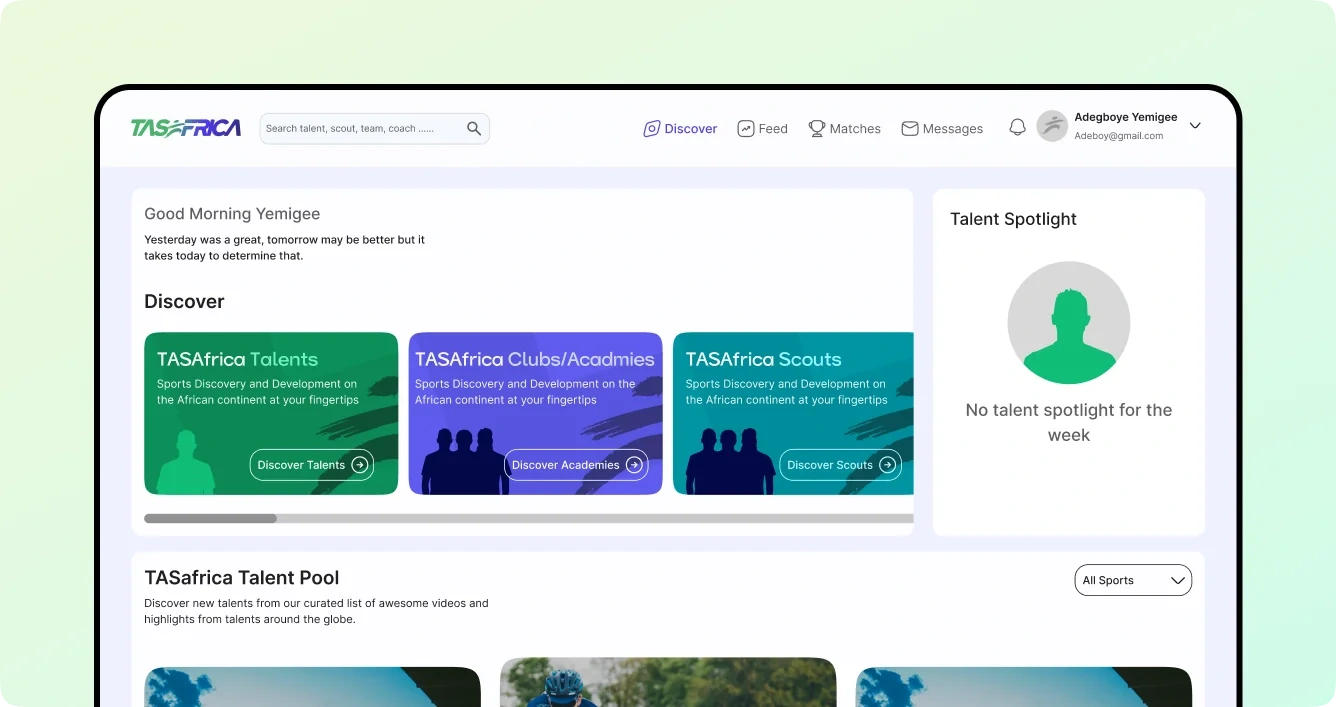
The homepage became the centre of the experience. Users could discover athletes, watch highlights, find academies, see opportunities, and move into their feed, matches, or profile without digging through the interface.
The structure gave the product a clearer starting point and made important content easier to find.
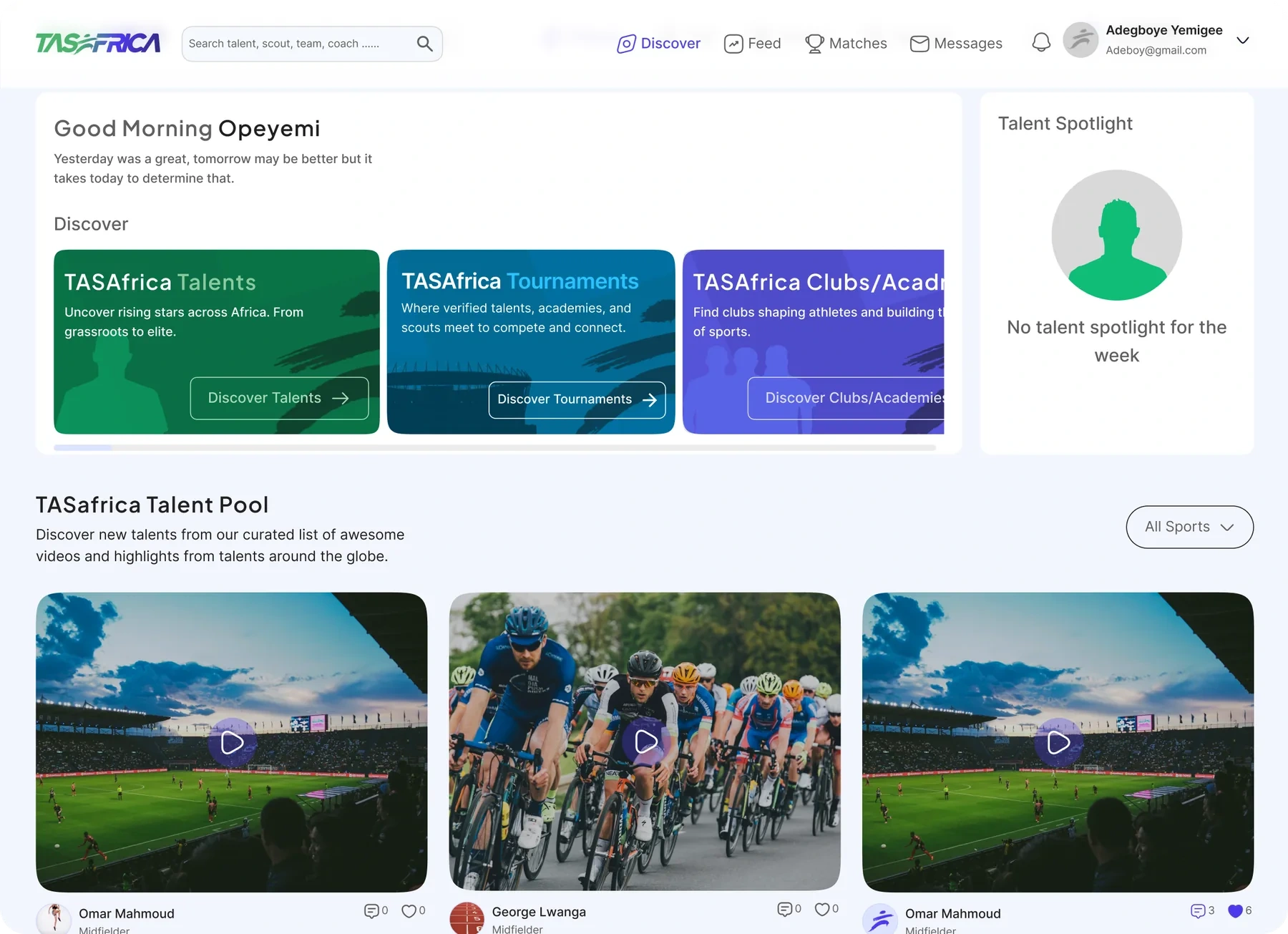
Discovery Homepage
Talent Categories
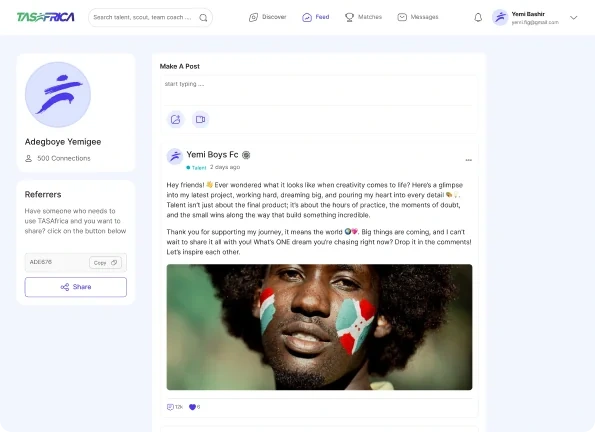
Give athletes more ways to be seen
A profile alone wasn't enough.
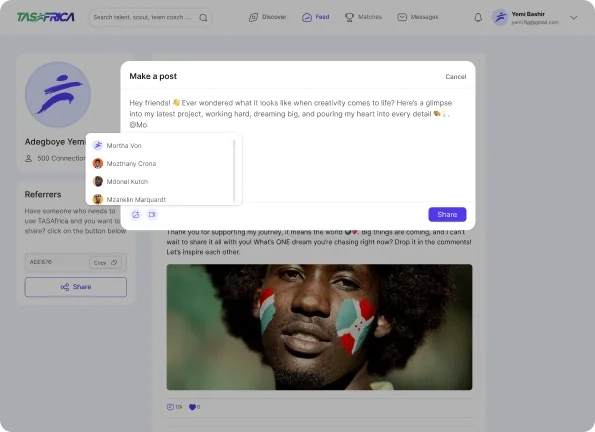
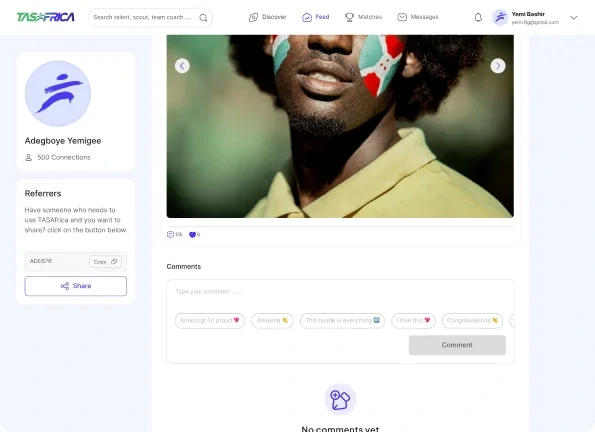
Athletes needed a place to share wins, match clips, updates, and progress over time. Scouts and other users also needed a way to react, comment, and start conversations.
So the product included a community feed built around sports content and interaction.
Community Feed
Post Detail
Video Highlights
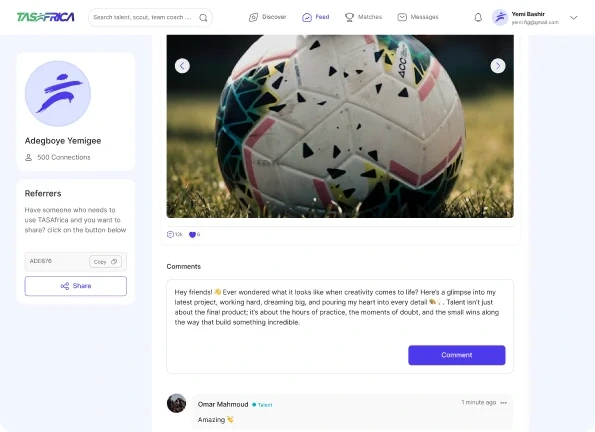
Comments & Discussions
Other Screens Designed (690+)
View Screens
Profile
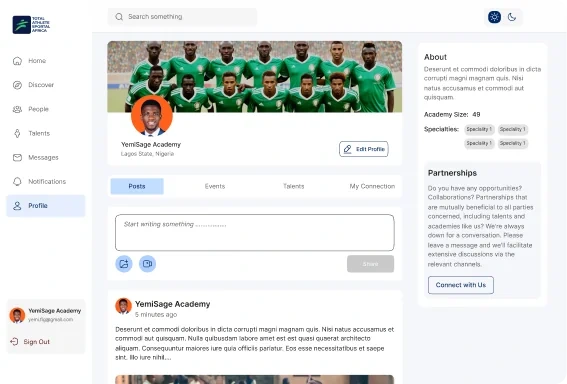
Different users, one flexible profile system, An athlete’s profile should not look exactly like a scout’s or academy’s profile. I designed a role-based profile structure that changed the information shown depending on the user, while keeping the overall experience familiar. For athletes, that meant putting more focus on performance, achievements, videos, experience, and verification.
View Screens
Matches
Bring games and talent discovery closer together, Matches gave users another way to discover what was happening across the network. Athletes could follow upcoming games and tournaments, while scouts, coaches, and academies could use match activity to keep track of players and teams.
View Screens
Messages
Move conversations from discovery to opportunity, Once someone found the right athlete, scout, coach, or academy, they needed a simple way to continue the conversation. Messaging supported direct conversations around trials, recruitment, games, and other opportunities without leaving the platform.
View Screens
Settings
Give users control over their presence, Settings covered the quieter parts of the product that still mattered. Users could manage profile details, notifications, privacy, and how their professional information appeared across the platform.
Key decisions
Decisions that shaped the final experience
Mobile first: A large part of the target audience would access the platform from mobile devices, so the experience was designed around smaller screens first.
Role-based profiles: Profiles changed based on who the user was, while still following the same visual and interaction system.
Talent-focused discovery: Search and filtering helped scouts, coaches, clubs, and academies narrow down players instead of scrolling through a generic feed.
Verification: Verification cues helped users understand which profiles had gone through the platform's checks.
One design system: I built reusable components and patterns that gave the team a shared foundation for new screens and features.
Results
Turned a scattered product into a clearer sports network
I led the design of 690+ screens across 8 core features for a sports talent platform serving athletes and coaches. Working with 3 engineers and a product manager, we launched the platform with over 3 clubs using it.
We:
Simplified how users joined and moved through the product
Made athlete profiles easier to understand
Gave scouts clearer ways to discover talent
Connected several user types within one experience
Created reusable patterns for future features
Built a mobile-first product that could work across different African user contexts
The product eventually went live and supported athletes, coaches, clubs, and other users across the network.
Takeaways
What the project taught me
TASAfrica pushed me beyond designing individual screens.
I had to think about how several user types, features, and journeys could live inside one product without losing clarity.
I also worked closely with the PM, engineers, testers, and stakeholders through several rounds of decisions and iterations. That improved how I communicate design choices, defend what matters, and adjust when the product needs something different.
The project was later paused due to an internal management challenge, but the work remains one of the projects that shaped how I approach complex product design today.
0 likes · 0 views · Nov 17, 2026
Mobile-first sports talent network: role-based profiles, discovery, messaging and verification. Led 690+ screens across 8 features and a design system.
