Aviation Emergency Training & 3D Scenario Visualization

Yong Zhang


Aviation Emergency Training & 3D Scenario Visualization
Vue 3 · Cesium · Interactive 3D Scenarios · Dual-View Synchronization
Project Overview
Developed a web-based 3D training and visualization system for aviation emergency education.
The platform presents different aviation emergency scenarios through interactive 3D visualization, event timelines, camera animations, and synchronized information displays.
Working from the client's established training workflows, I was responsible for the application structure, frontend development, Cesium integration, deployment, client acceptance, and subsequent refinements.
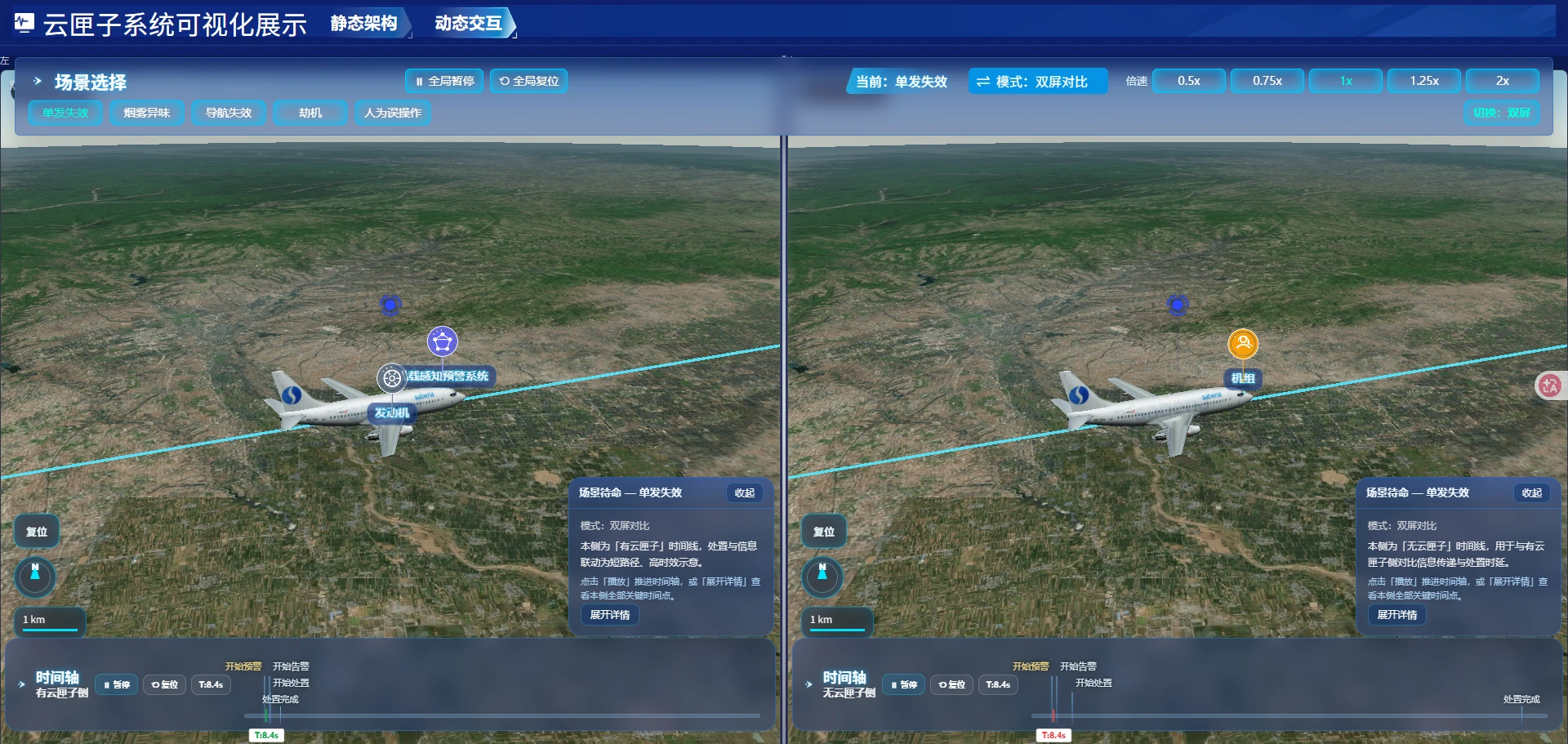
A key requirement was to support both single-screen training demonstrations and side-by-side comparisons of emergency scenarios with and without the client's Yunxiazi system.
The Challenge
Aviation emergency training involves complex sequences of events, system states, and operational responses.
Presenting these scenarios effectively requires more than displaying a static aircraft model. The application needed to coordinate multiple elements:
Emergency events and their progression
System and component states
Information and control relationships
Timeline-driven scenario playback
3D camera movement and visual presentation
Synchronized comparison between two independent 3D views
The dual-view comparison was a particularly important engineering challenge.
Both views needed to maintain consistent scenario timing and key states while operating as separate Cesium environments.
My Role & Contributions
1. Application Architecture & Frontend Development
Designed and implemented the frontend application structure based on the client's established business and training requirements.
Developed the application pages using Vue 3 and integrated Cesium for interactive 3D scenario visualization.
Organized the frontend functionality around scenario presentation, event information, timeline control, and 3D interactions.
2. Aviation Emergency Scenario Visualization
Implemented visual presentations for multiple emergency training scenarios, including:
Single-engine failure
Smoke or unusual odors
Human operational errors
Aircraft hijacking
Navigation system failures
Each scenario was organized around events, key states, information flows, control relationships, and associated 3D presentations.
The system used timeline progression and camera animations to help present the sequence of events during training demonstrations.
3. Timeline & 3D Scene Coordination
Developed the integration between scenario timelines, application state, and Cesium scene presentation.
Coordinated timeline progression with scenario changes, key status information, and camera animations.
This enabled scenario content and the corresponding 3D presentation to be viewed together within the training workflow.
4. Synchronized Dual-View Comparison
Implemented a side-by-side comparison mode for demonstrating scenarios with and without the Yunxiazi system.
The parent application managed two independent iframe-based Cesium views.
Used browser postMessage communication to synchronize:
Scenario selection and changes
Timeline progression
Key scenario states
This provided a coordinated comparison experience while preserving separate rendering environments for each view.
The application also supported single-screen presentation when comparison was not required.
5. Deployment, Acceptance & Iteration
Handled frontend integration, deployment, and client acceptance activities.
Incorporated multiple rounds of client feedback and requirement adjustments to refine the training interface and scenario presentation.
The project covered the engineering process from solution design and implementation through deployment, acceptance, and subsequent improvements.
Engineering Outcome
Delivered a Cesium-based aviation emergency training visualization system supporting multiple emergency scenarios, timeline-driven presentations, and synchronized dual-view comparisons.
The project demonstrates practical experience with:
Interactive 3D application development
Scenario and timeline coordination
Multi-view state synchronization
Browser-based inter-frame communication
Complex frontend system integration
Client-driven development and delivery
My contribution focused on turning established training requirements into a functioning interactive application, with particular emphasis on coordinating scenario state and 3D visualization across independent views.
Technologies
Vue 3 · JavaScript · Cesium · WebGL-Based 3D Visualization · iframe · postMessage · Timeline Coordination · Interactive Scenario Visualization
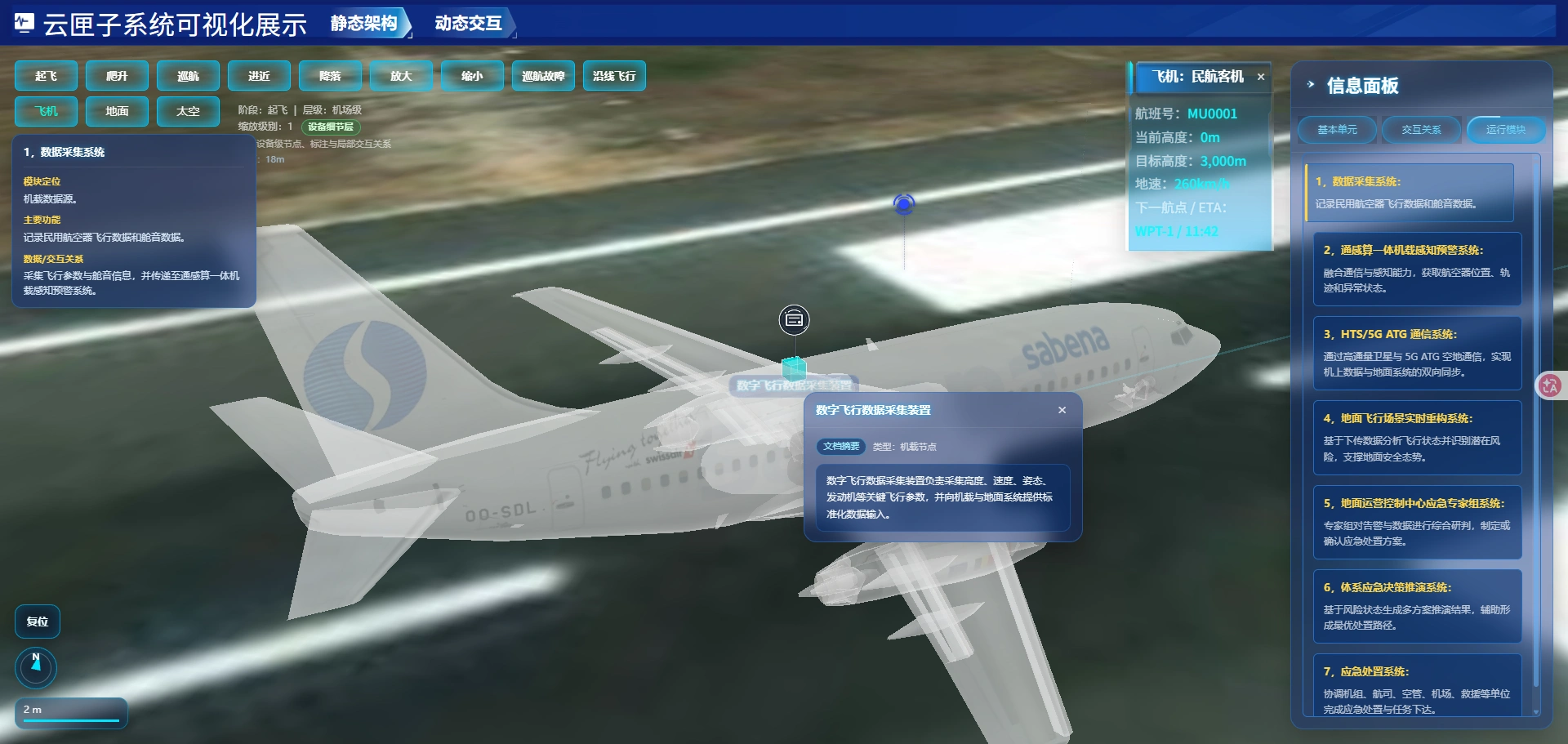
Main training interface combining 3D aircraft visualization, event controls, system information panels, and instructional content.
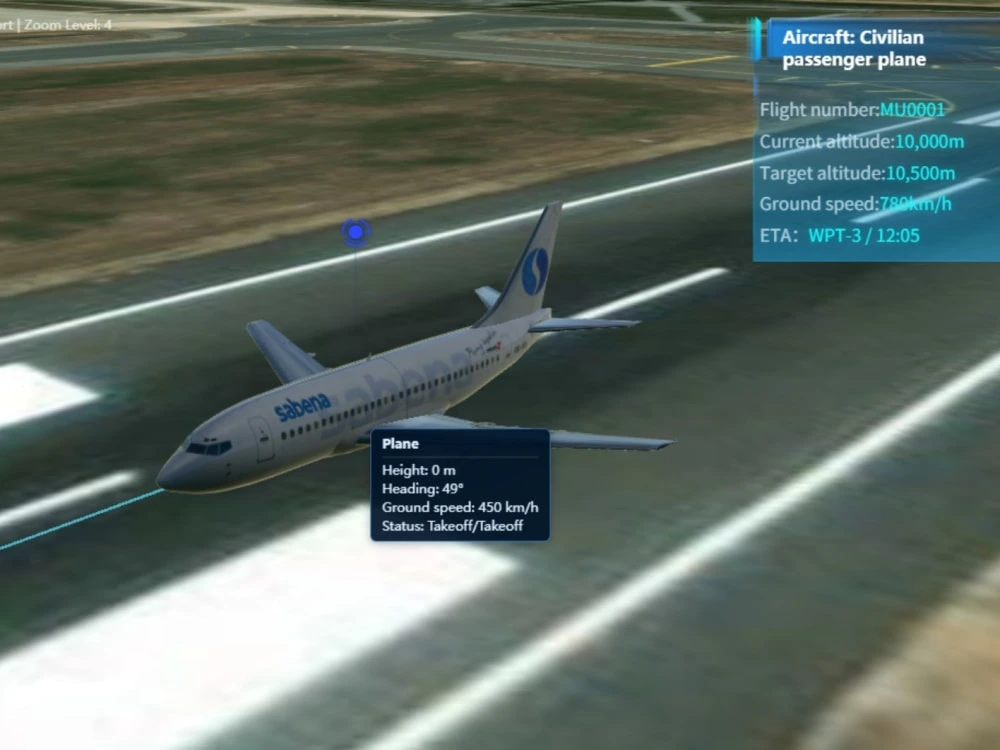
Single-scenario aviation emergency view showing aircraft state, flight status, and scene-based visualization during takeoff.
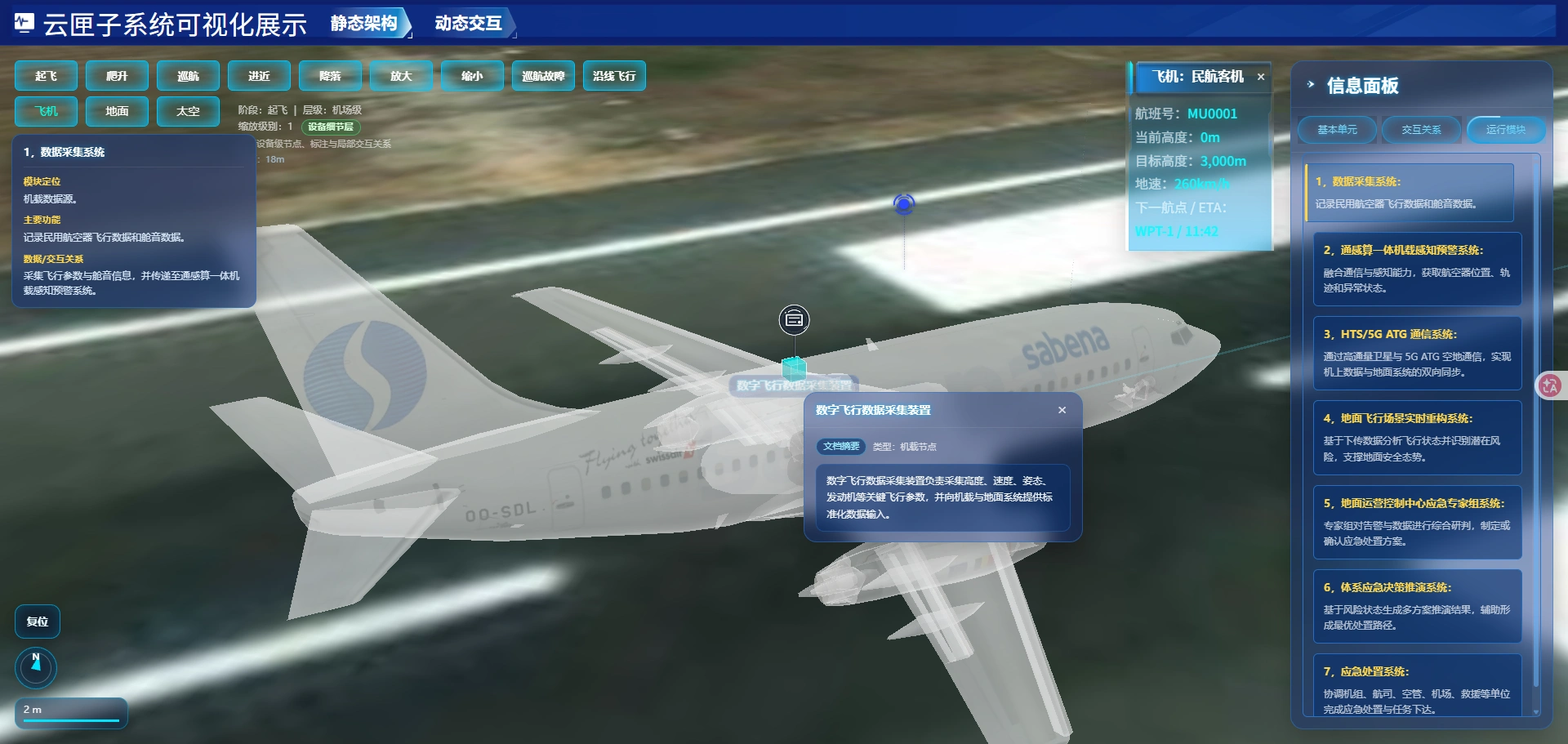
Interactive component-level information panel linked to the 3D aircraft model for scenario explanation and system education.
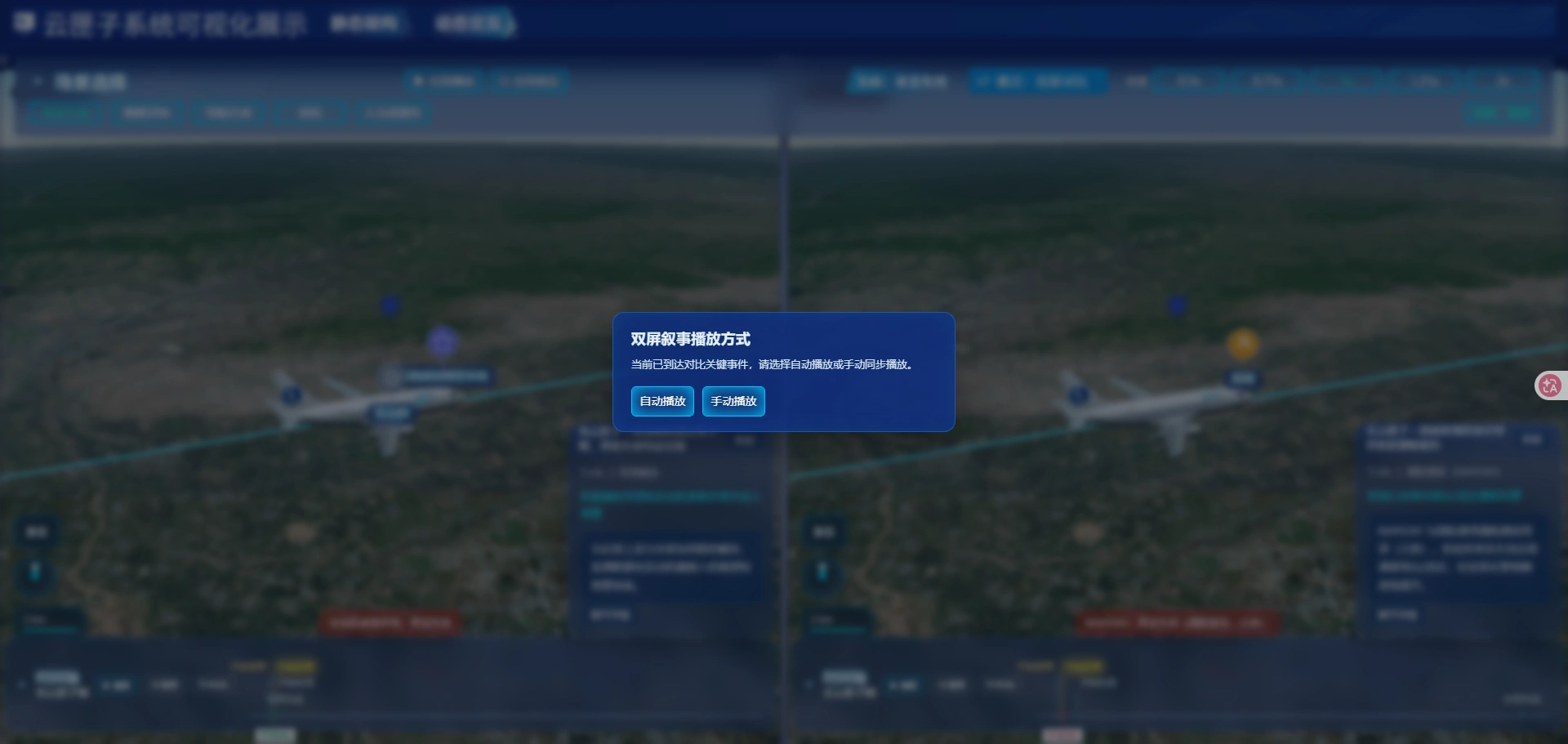
Dual-view comparison mode with synchronized playback options for contrasting emergency scenarios across independent 3D views.
Like this project
Posted Oct 28, 2026
Developed and delivered a Vue 3/Cesium training platform with aviation emergency scenarios, timeline animations, and synchronized dual-view comparisons.