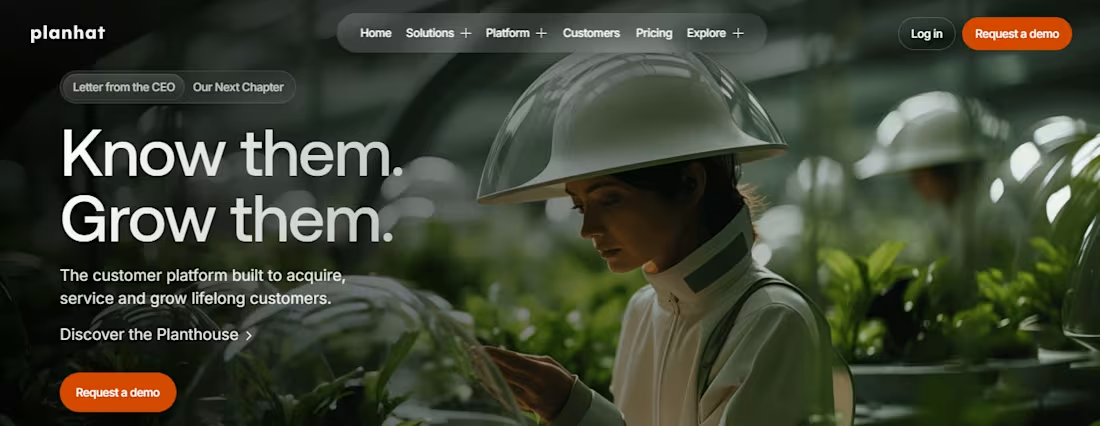
The difference between a $1k site and a $10k site is in the physics.
Static templates feel rigid. Premium brands feel like silk. By using GSAP and Lottie, I build interfaces that react to the user’s intent. It’s not just 'animation' it’s digital hospitality.
1
33
Beyond the Scroll: A Cinematic Webflow Build
Recently wrapped up a custom Webflow project that trades static layouts for "visual stories." The goal was to make the site feel as alive as the creator’s work without the template feel.
How I built it:
GSAP: For those high-end, cinematic scroll transitions.
Lottie: For smooth micro-interactions that add "life" without slowing things down.
Custom Build: A high-performance, bespoke site built from the ground up.
The Result: A portfolio that doesn't just show work, it narrates a brand.
Really proud of the work we did for my US based Automotive client recently.
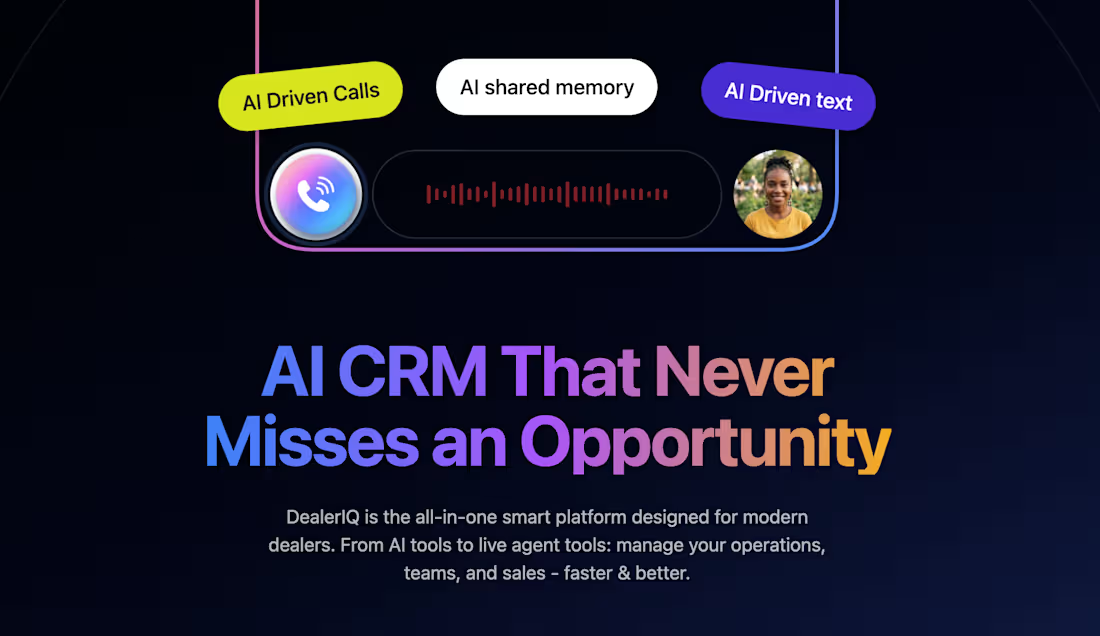
We completely restructured how their Sales and Ops talk to each other by integrating Salesforce with AI-driven SDRs.
It’s one thing to write code, but it’s another thing to see that code actually drive revenue numbers up. Seeing the AI book meetings and sync them perfectly into the Ops workflow was a huge "aha" moment for the whole team.
Automation wins again.
Blue-collar businesses don’t need “fancy tech”, they just want their day to run smoother. (Source: My experience)
While building Befer.co (http://Befer.co), every owner said the same:
• Missed calls = lost jobs
• No order/worker system
• Too much manual work
Instead of adding features, I built only what fixed the pain:
✅ AI Calling Agent
✅ AI workflows (marketing, leads, orders)
✅ Smart CRM
✅ Financial analytics + QuickBooks
Result? +35% jobs from calls, faster orders, happier customers.
Lesson: Innovation = solving the right problem, not adding more.
What do you think is better, Adding features or adding useful features?