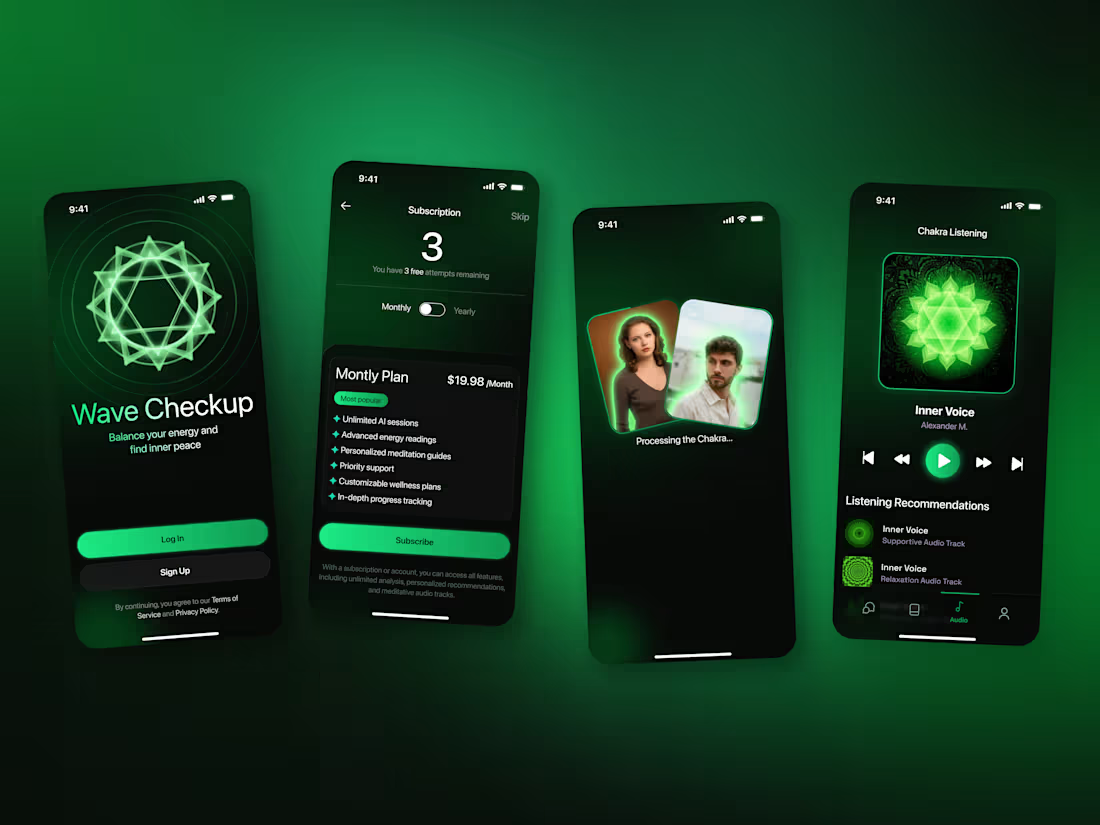
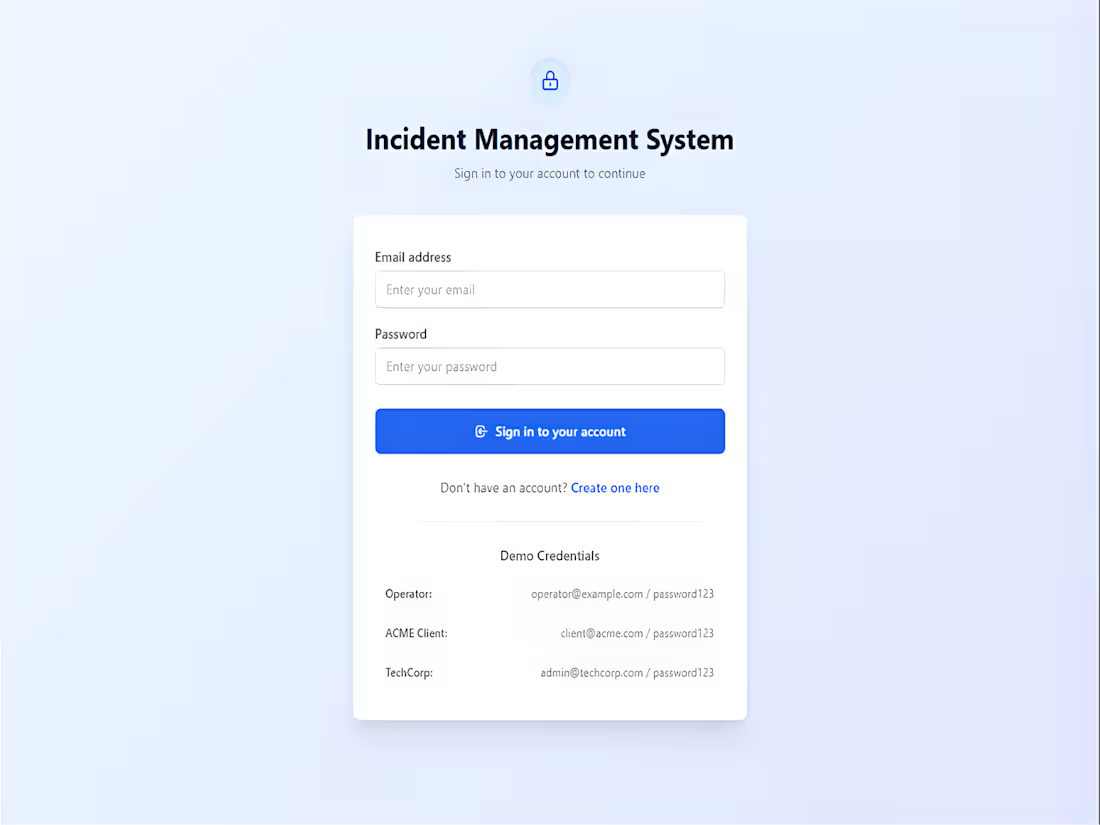
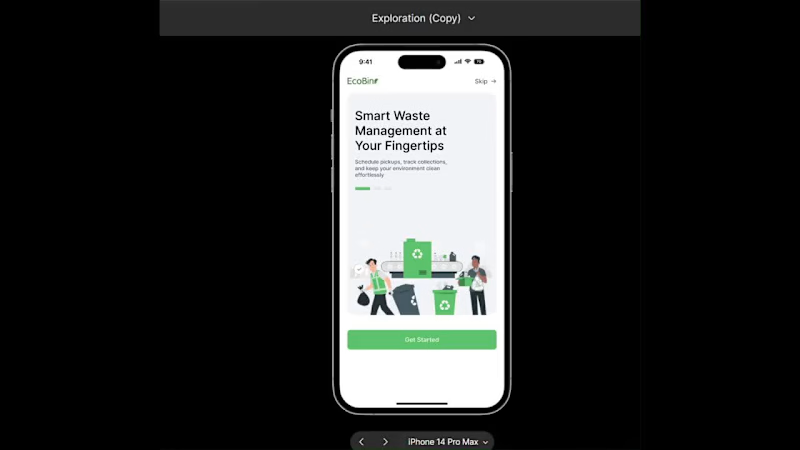
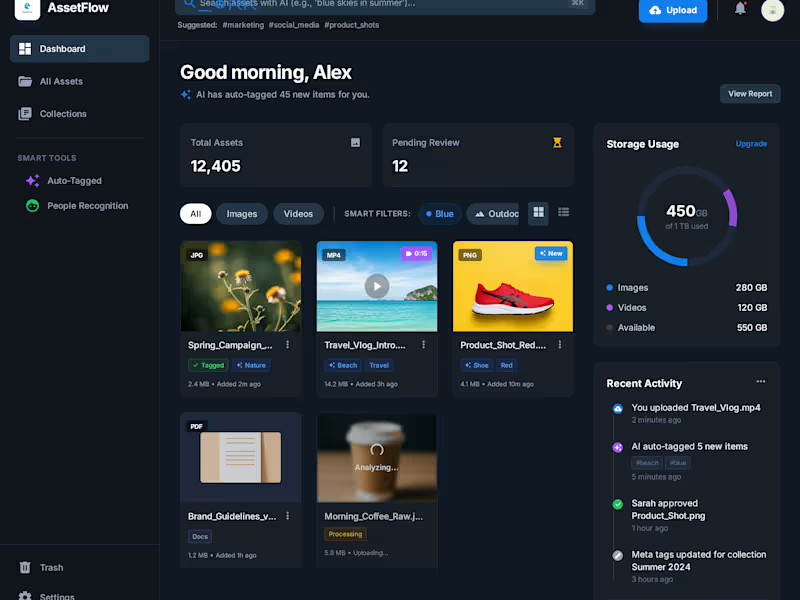
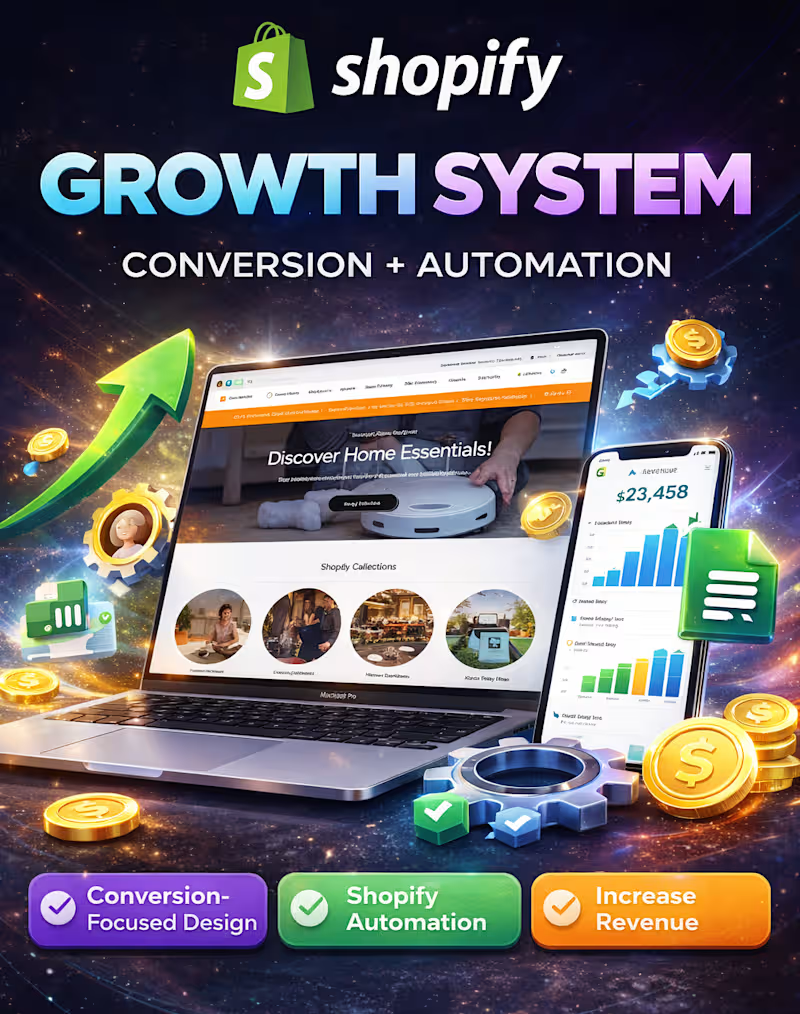
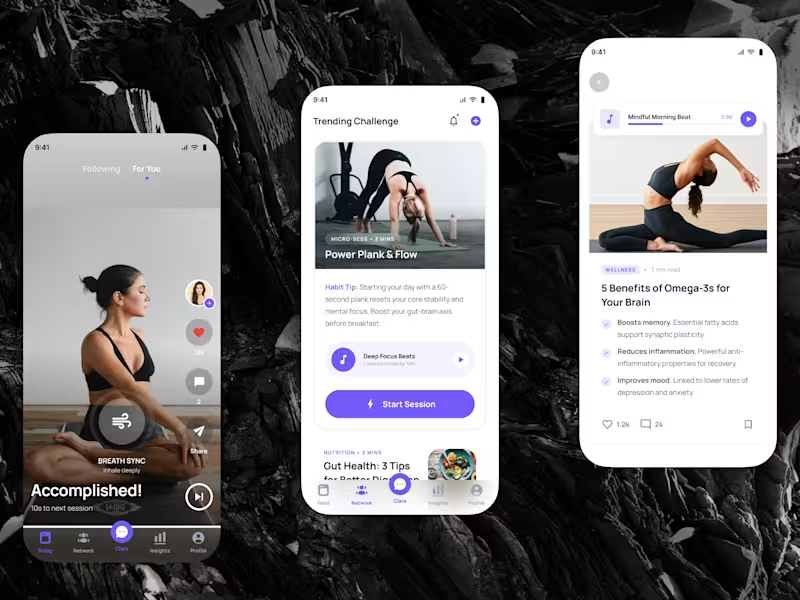
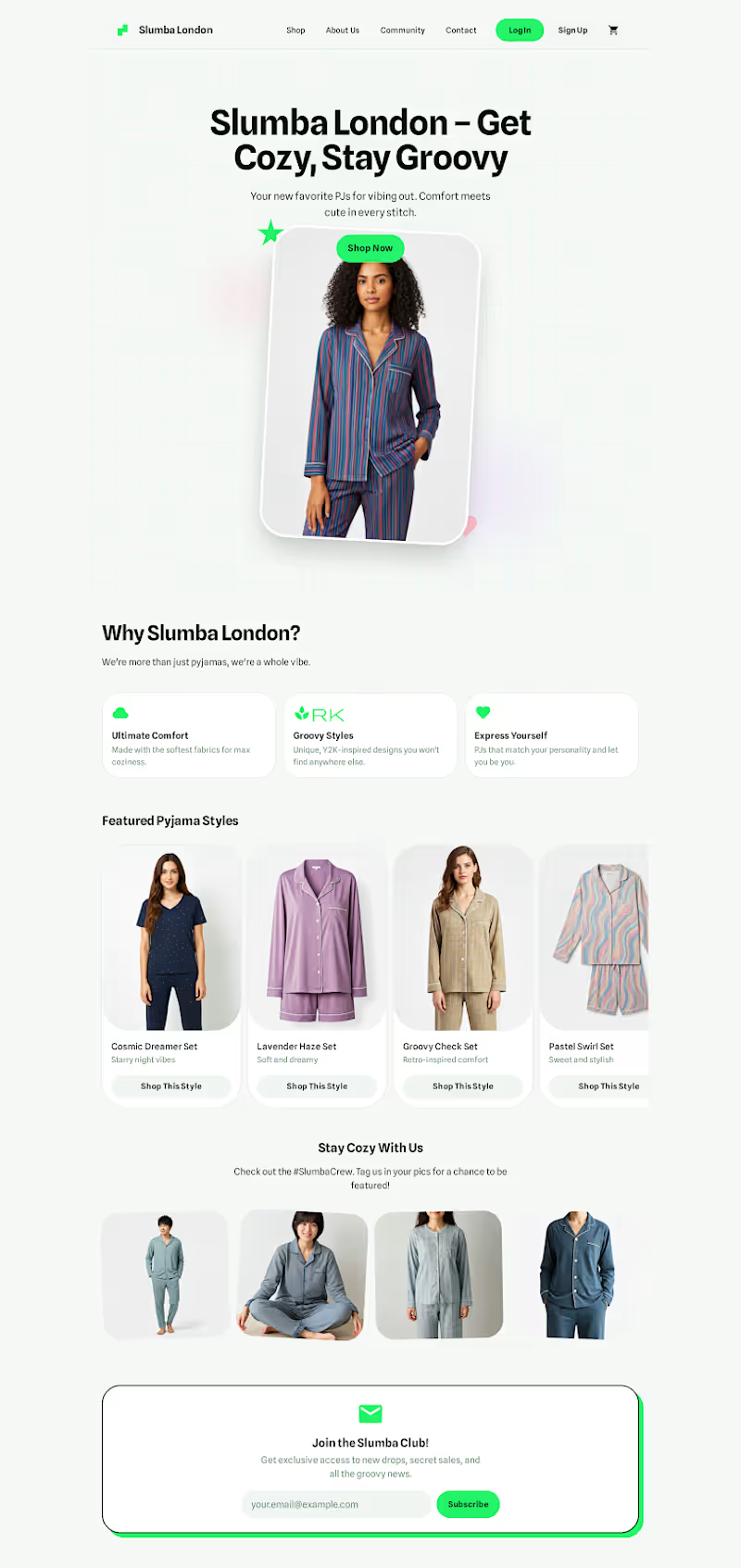
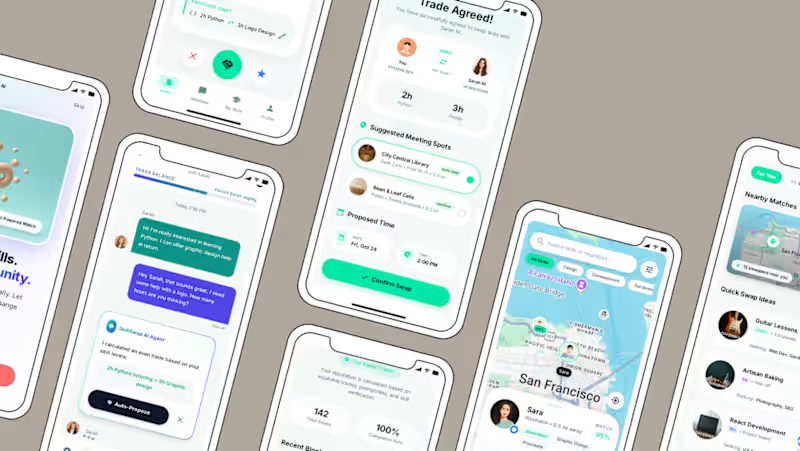
Freelancers using Stitch.aiFreelancers using Stitch.aiSTAR ATLAS FM
Prototype Link (https://stitch.withgoogle.com/preview/1555541407976561811?node-id=4ad47ebf5196416ebff1be12ad04ed08) | Direct Link (https://stitch.withgoogle.com/preview/1555541407976561811?node-id=4ad47ebf5196416ebff1be12ad04ed08&raw=1)
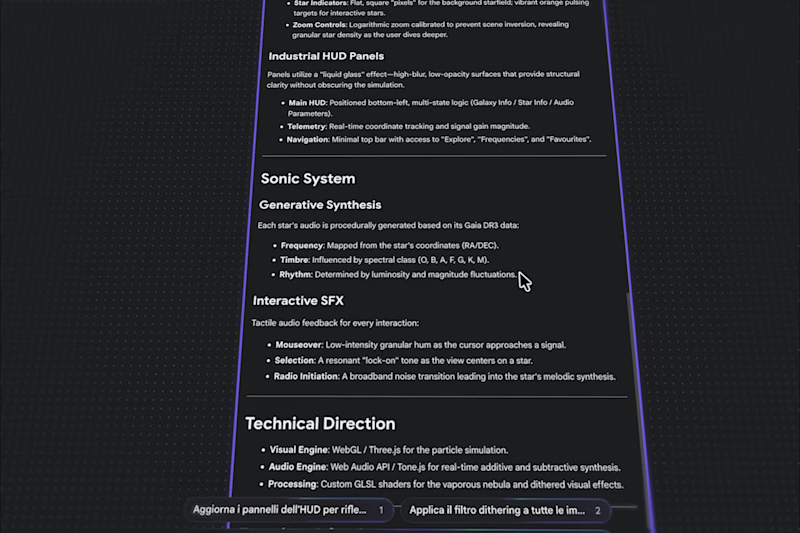
Star Atlas FM is an experimental web experience that transforms astronomical data into a navigable audio landscape. Users explore a procedurally generated galaxy, discover interactive stars, and tune into unique frequencies inspired by real stellar datasets. The project blends scientific visualization, generative sound, and immersive interaction into a new way of experiencing space.
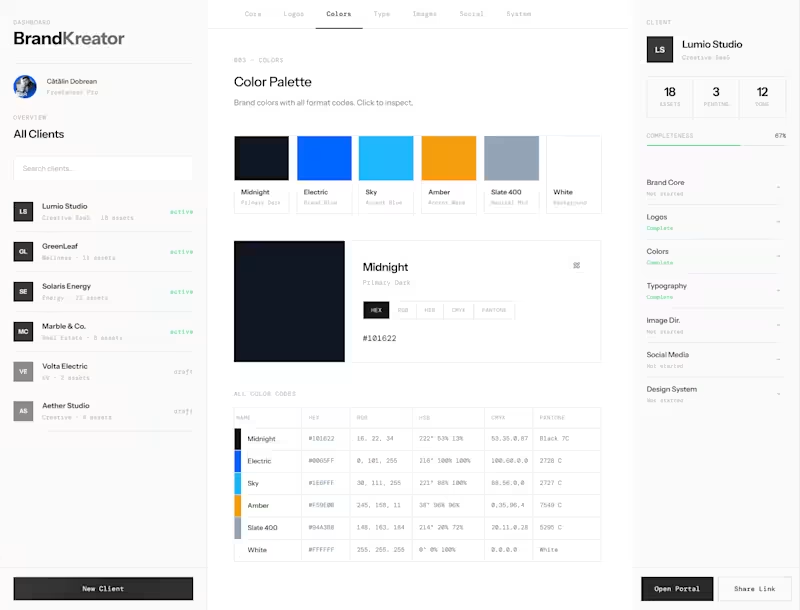
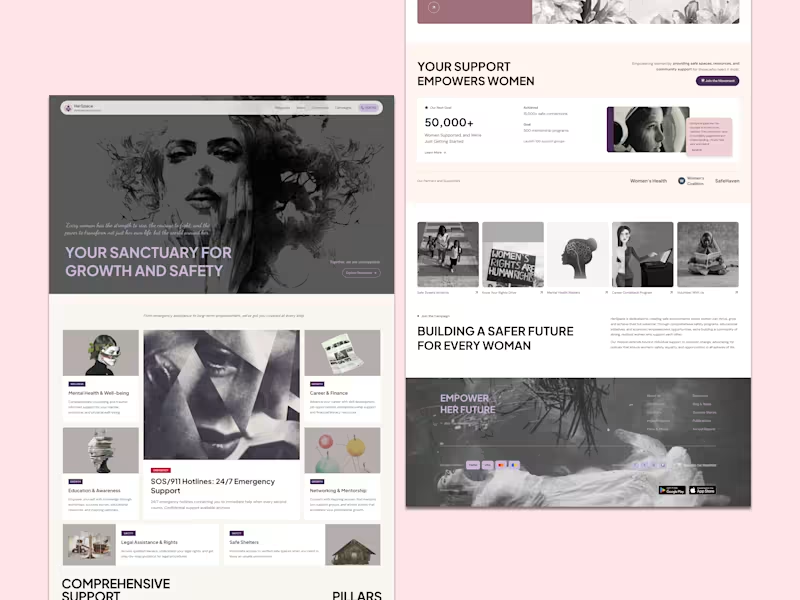
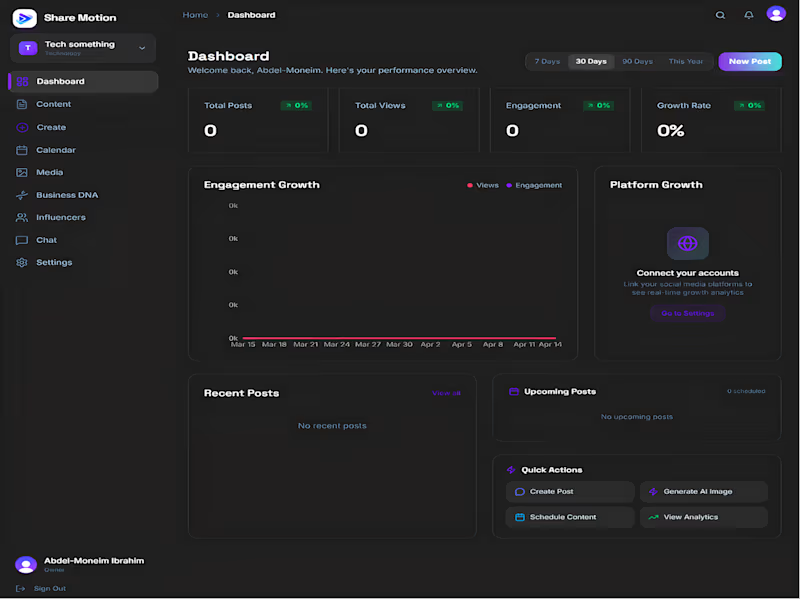
I started with an idea and used Stitch to define the project's design direction, color palette, typography, and interface language. Through iterative prompting, I refined the generated prototypes step by step while continuously evolving the concept into a more focused and creative experience.
Stitch was both enjoyable and highly effective to use. It significantly accelerated the journey from idea to execution, making it easy to explore, test, and refine concepts quickly. The iterative workflow encouraged experimentation and helped transform abstract ideas into tangible prototypes much faster than a traditional design process. Here’s my submission for the Google Stitch Challenge
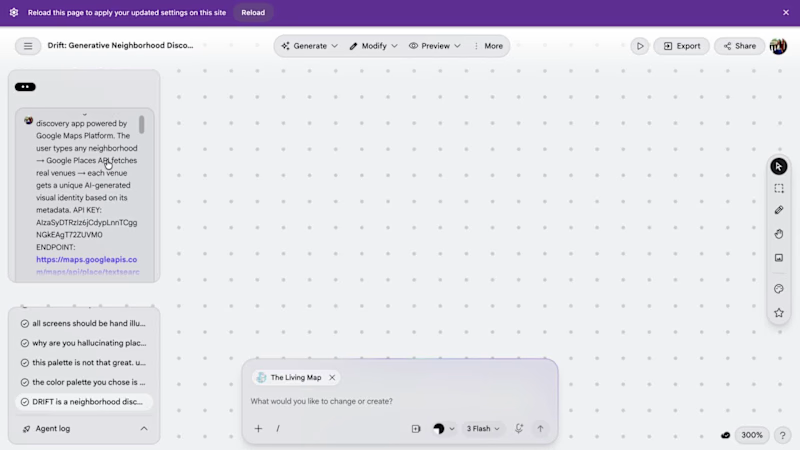
A vibe mapping product called Drift! It started with a small idea: what if a map could feel like the place it shows?
What is it and what does it do?
DRIFT turns every neighbourhood into its own visual identity. As a p0, starting with London. Camden is a punk zine. Chelsea is an oil painting. Soho is manga. Brixton pulses with Caribbean folk art. 93 neighbourhoods, 12+ art styles. All of these were derived from real Google Maps Platform data. The art style IS the information. APIs: Maps JavaScript API, Places API (New), Geocoding API.
How I Built It?
Every screen was built through Stitch’s streaming agent by describing what I wanted, watching it generate live, correcting through the agent. For all screens, I used variants to explore different art directions. DESIGN.md captured the emergent design system; I exported and re-imported it for consistency. I then prototyped in Play Mode, then exported to AI Studio and deployed on Cloud Run. Features used: Streaming Agent, Agent Manager, Variants, DESIGN.md Export/Import, Play Mode, Code Export.
Stitch Feedback
What I loved: Image quality is exceptional. I almost want to print and frame some the art it generated. Variants are absolutely essential for creative work and generating variants once saved me a lot of back and forth. The workspace itself is very smooth with low latency. Fantastic selection of export integrations available, with key platforms covered.
What could be made better: Context doesn’t persist between screens (need a “project rules” feature). Undo wipes entire history, not just the last change. Chats are not threaded in the same way as other genAI chatbots, which took a bit of getting used to. Exports to build envirenments outside of AI Studio is restrictive (I tried Lovable as well and could only export 10 screens).