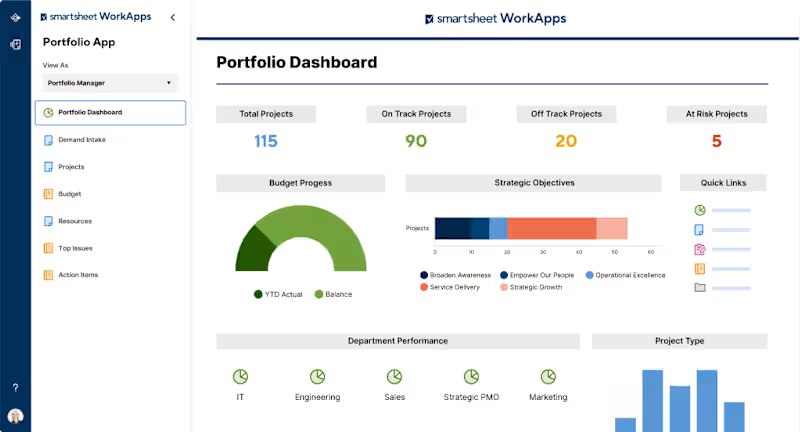
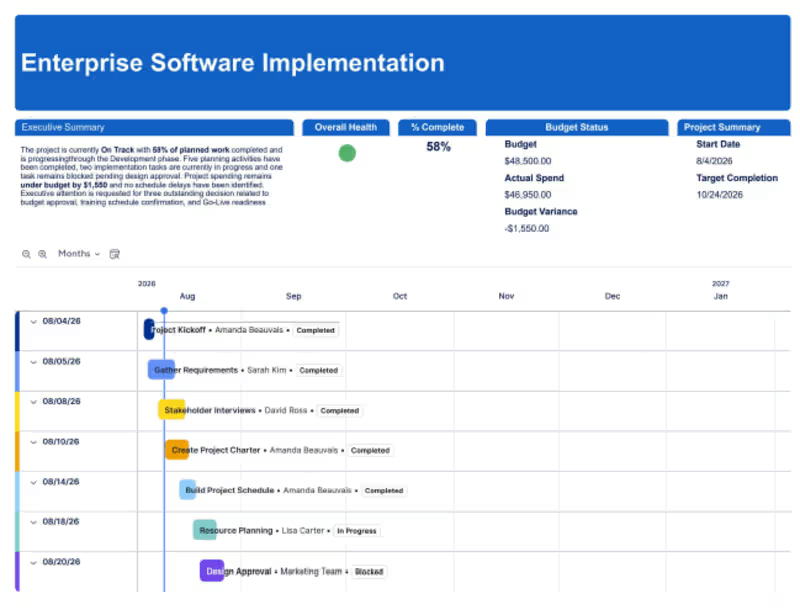
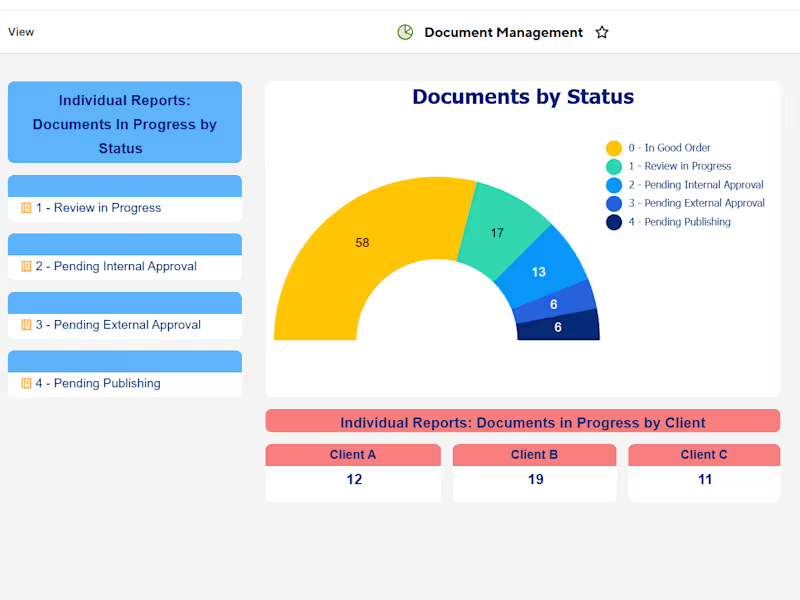
Projects using SmartsheetProjects using SmartsheetI built a workflow management system focused on tracking projects from start to completion with clear visibility and control at every stage. The core of the system is a multi-role dashboard that presents real-time data in a structured way, allowing different users to quickly understand project status, performance metrics, and operational health without digging through raw data.
On the backend side, I designed structured data models and lifecycle flows to manage how tasks move through different stages (creation → in-progress → completed). I implemented role-based access control and admin-managed configurations so the system can handle multiple users, permissions, and dynamic updates reliably. The goal was to make the system scalable and maintainable while keeping the logic clean and predictable.
For the frontend, I focused on building intuitive dashboards and reporting layers that translate complex data into simple, actionable insights. I also implemented shareable, read-only views so external users can track progress through a secure link without needing full access. This improves transparency while maintaining control over the system, which is critical for B2B workflow tools. Led Accounting Ops for High-Volume Auto Dealership – 2,000+ Transactions/Month
I ran the accounting function for a wholesale auto dealership, handling over 2,000 transactions per month across sales, inventory, and vendor accounts.
I built the workflow from scratch, cleaned up Dealertrack data, helped sync up other departments so financials could be tracked, supported team members who needed help learning proper entries, and worked beyond my title—doing controller-level work without the controller-level pay.
In the end, I advised leadership on financial red flags and recommended winding down operations. They chose not to—and filed bankruptcy shortly after.
Not every job ends in a portfolio-perfect story. But this one taught me how to lead, stay honest, and stand firm on the numbers—even when no one wants to hear them. Case Study: Removing a Full Layer — $460K in Annual
Savings, With a Transition Plan That Actually Sticks
The Situation
A specialty manufacturing company was carrying too many management layers and uneven spans of control across its plants, with handoffs between Commercial, Planning, Production, and Quality creating rework and slow response times to customers.
My Role
I led the organizational structure redesign, spans & layers , and built the full change management plan to implement it, from org chart to the individual conversations that make a reorg land without chaos.
The Approach
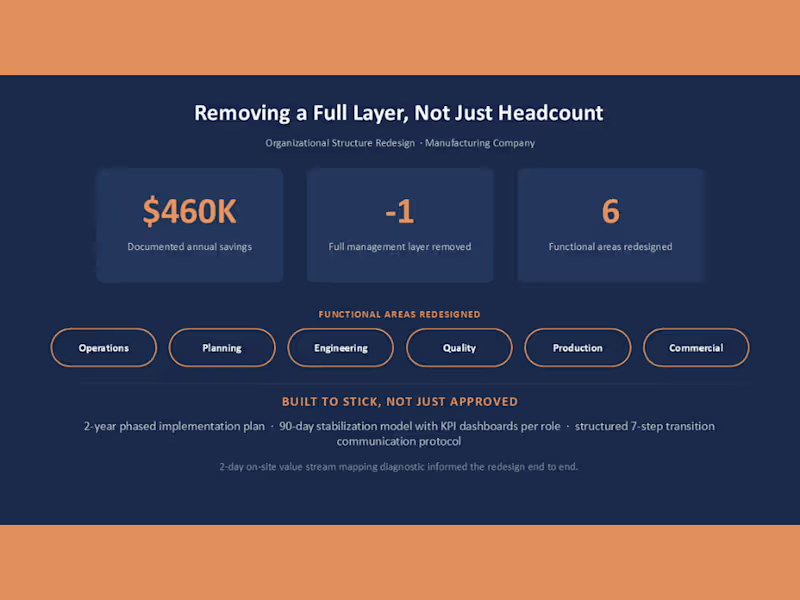
A 2-day on-site collaborative session mapped the complete customer-to-delivery value stream, giving us a real diagnostic of where time, rework, and quality impact were coming from, not assumptions. That diagnostic, combined with headcount and reporting-line analysis across 6 functional areas (Operations, Planning, Engineering, Quality, Production, and Commercial), produced a set of structural hypotheses that were tested and refined with leadership before finalizing the new design.
What Changed
Eliminated one full layer while improving spans of control, creating room for growth instead of just cutting.
Consolidated supervisor roles with thin direct-report counts across two plants.
Added a dedicated Quality Management System specialist.
Strengthened the production scheduler role and profile
Integrated Customer Service into the planning function to simplify communication and cut cross-functional rework
Results
~$460,000 in documented annual savings from the redesigned structure
A future-state value stream map targeting reduced lead time, less waste, and better quality outcomes across the full customer request-to-delivery flow.
Why the Redesign Sticks
Most org redesigns fail at the handoff between "new chart" and
"new reality." This one shipped with a 2-year (2025–2026) phased
implementation plan, a 90-day stabilization model with a KPI dashboard for
every transitioning role, and a structured 7-step communication protocol —
ensuring every affected person, from the outgoing manager to the new direct
reports, hears the change directly and in the right order before it becomes
public.