
Interactive Websites & Full-Stack SaaS Builds
Most sites tell you they're premium. Almost none of them make you feel it.
I spent the last stretch building thirteen concept sites chasing that
difference, and the thing that kept proving itself is that the feeling comes
from motion you control, not motion you watch.
Four are real-time 3D in the browser. A crystalline brand hero turning under
studio lighting, a perfume landing lit entirely by a real HDRI environment, a
neural field of instanced particles for an AI product, an architectural
monolith that reveals itself out of near-black. The other nine are
scroll-scrubbed video, where you drag a whiskey pour or open a box or drive
into a sunrise at whatever pace you want. The visitor is the animator, which
is a very different thing from watching an autoplay loop.
I design it, build it, and ship it myself, so there's no handoff where the
feeling leaks out between the mockup and the browser.
Two things I learned that I'd want someone else to know.
If you light a translucent material without a real environment map, your
scene renders black. Lighting is not polish you add at the end, it's a design
decision you make first, before you have anything to look at.
And if you want video to scrub frame for frame off scroll position with no
stutter, re-encode it all keyframe. Every frame becomes a seek target. Most
people fight that stutter in JavaScript when the fix lives in the encode.
Who it actually serves is anyone selling on craft rather than spec. Fragrance,
architecture, spirits, dev tools. The interaction buys a few more seconds of
attention right where the headline and the call to action live, and those
seconds are usually the whole game.
All thirteen are live and interactive, and labeled as concepts because that's
what they are.
Still chewing on one thing. Where's the line where motion stops serving the
brand and becomes the thing people remember instead of the brand?
https://xkaii.studio/ui-ux-designs/
12
21
673


Portals, AI workflows, sites and films for small businesses
New to Contra
Portals, AI workflows, sites and films for small businesses

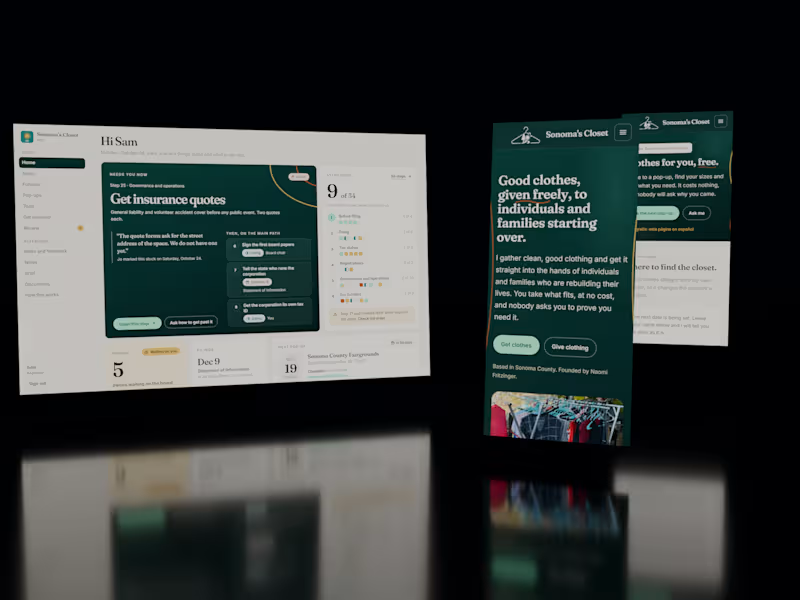


Full-Stack Engineer | Next.js, Node, Prisma, Stripe
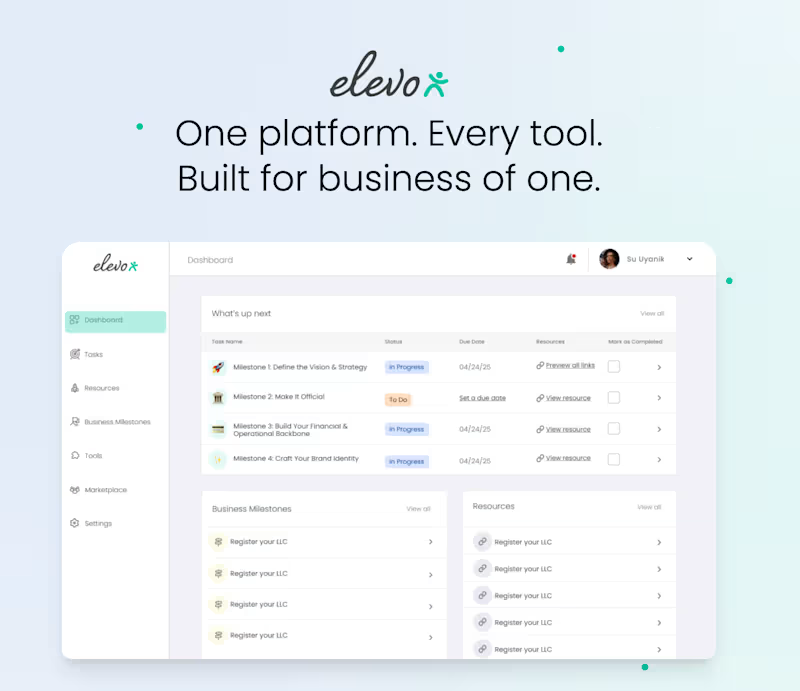
Current passion project is Elevo. Elevo gives solopreneurs and fractional professionals everything they need to run, manage, and grow—without juggling a dozen apps. The future of work is fractional. We want to make it easy to launch and connect business owners to each other.
17
231
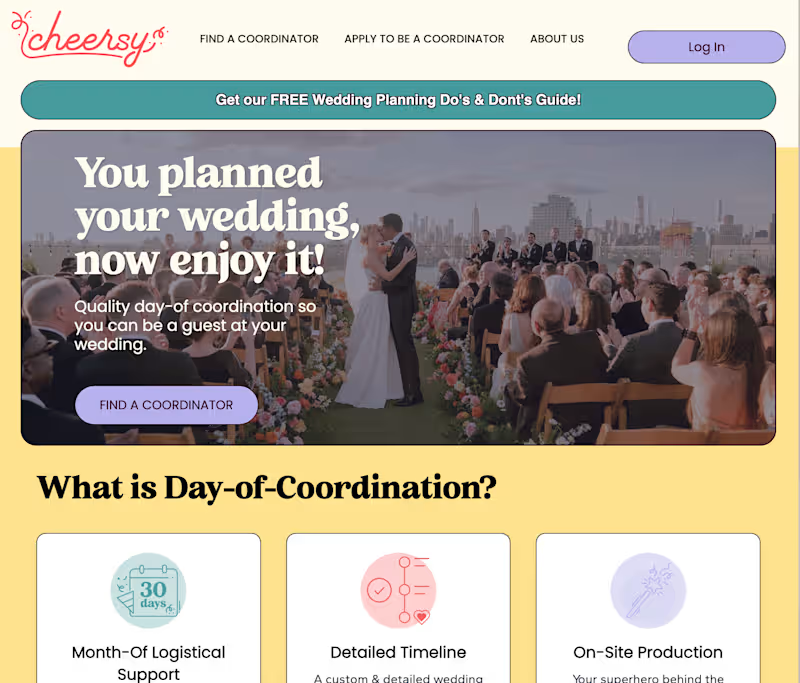
Partnered with the Cheersy team to rebuild their no-code marketplace into a scalable, custom MVP using Next.js, Prisma/Node.js, and AWS. The result: faster performance, secure payouts, and a smoother booking flow for couples and coordinators.
20
231
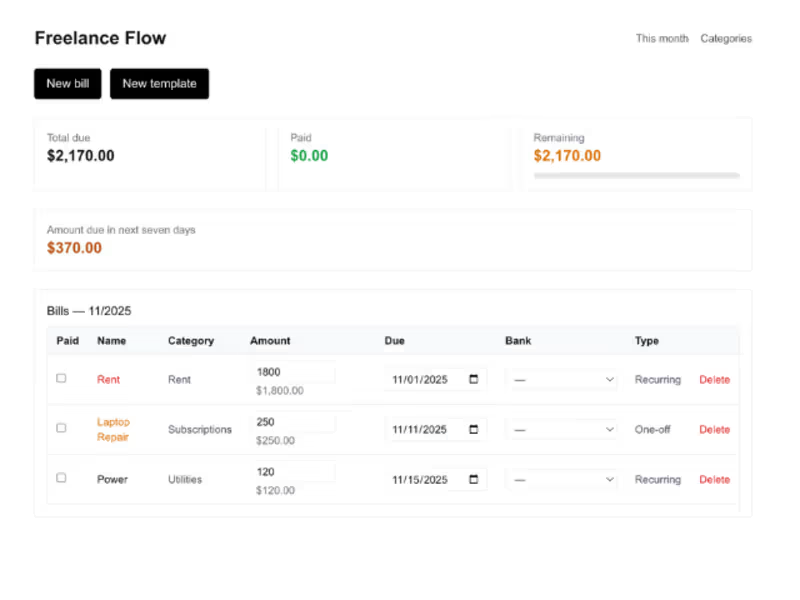
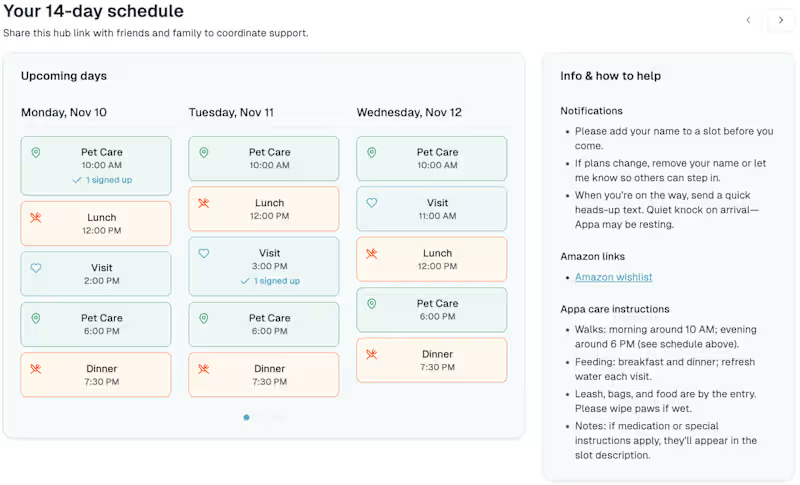
In my next episode of “build something lightweight that I need but can’t find anywhere” comes this care coordination app.
I built it to simplify my own post-surgery recovery. As an introvert, coordinating with multiple people and scheduling is a pain. This quick app made it easy to coordinate meals, errands, and pet care with family and friends without the added stress.
V1 was mostly hard coded (Next JS/html). V2 is built with: Next.js, React, Node.js, Prisma, and Postgres DB. Deployed on Vercel for rapid iteration.
4
15
208