Creative Experience Technologist


AI Product Engineer | Building Production Ready AI Apps
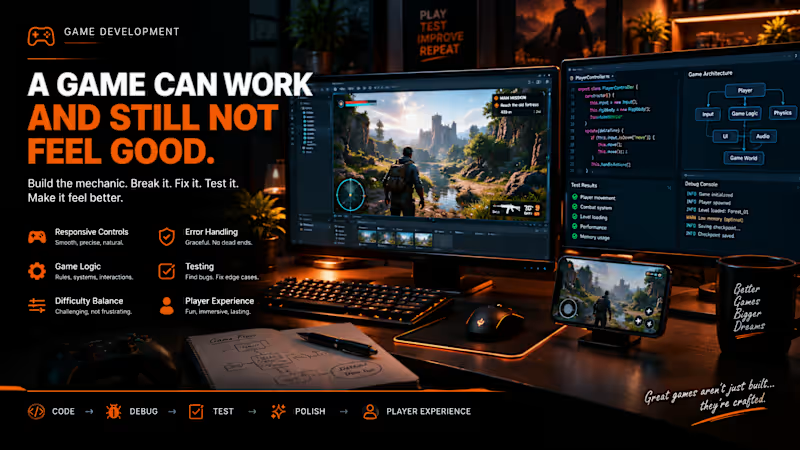
A GAME ISN’T FINISHED WHEN THE CODE WORKS.
One of the biggest lessons I’m learning from game development:
Getting the game to run is only the first milestone.
The real work starts when you ask:
👉 Does the movement feel right?
👉 Do the missions behave correctly?
👉 What happens when the player does something unexpected?
👉 Does the game stay smooth under pressure?
👉 Can I reproduce and fix bugs consistently?
That’s why my workflow is becoming:
BUILD → PLAY → BREAK → DEBUG → TEST → POLISH → REPEAT
I’m paying more attention to the things players might never consciously notice — input responsiveness, game logic, loading, error handling, performance, and how everything connects together.
Modern game-development guidance also puts strong emphasis on testing, profiling, debugging, and monitoring rather than waiting until the end of development.
Because a game can have beautiful graphics and still feel frustrating if the underlying experience isn't solid.
The goal isn't just to make a game that runs.
The goal is to make a game that feels right. 🔥
What’s the first thing you notice when you play a new game?
3
55
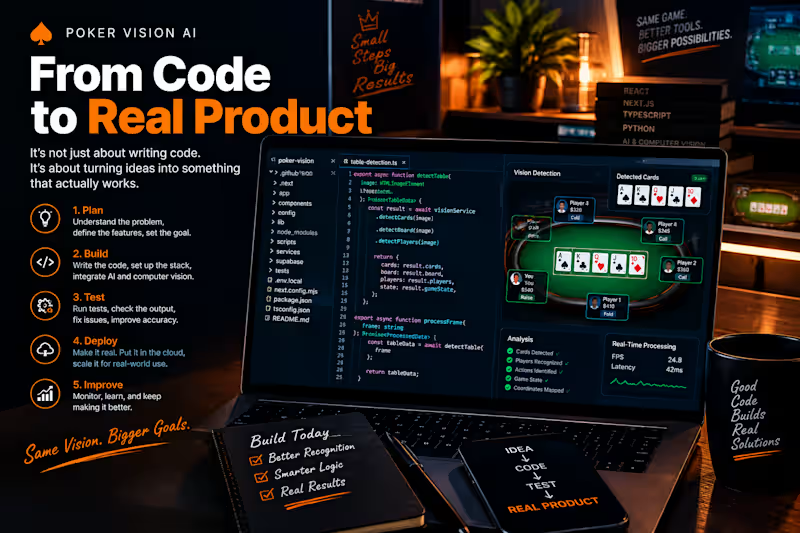
From Code to a Real Product That’s Where the Real Work Begins.
A lot of projects start with a simple idea:
“What if we built this?”
But turning that idea into something people can actually use is a completely different challenge.
With my current project, I’m going beyond writing components and making the UI look good.
I’m working through the entire process:
Plan Understand the problem and define what the product needs to do.
Build Turn the idea into real application logic, integrate the right technologies, and connect the different pieces.
Test Break the system, inspect the output, find edge cases, and fix what doesn't behave as expected.
Deploy Take it out of the development environment and make it accessible as a real product.
Improve Monitor what happens, identify weaknesses, and keep iterating.
The biggest lesson I'm learning is this:
A project isn't finished when the code works on your computer.
It's finished when the product works for the person using it.
That's why I'm becoming more interested in the parts of development that happen after the first successful build:
Testing the real workflow.
Handling unexpected input.
Improving reliability.
Making the experience smoother.
And turning a collection of code into something that actually solves a problem.
AI can help me move faster.
But building the right thing, validating it, and taking it all the way to a usable product is still the real challenge.
Idea → Code → Test → Deploy → Real Product.
That's the journey I'm documenting.
What do you think is the biggest difference between a working project and a real product? 👇
3
174
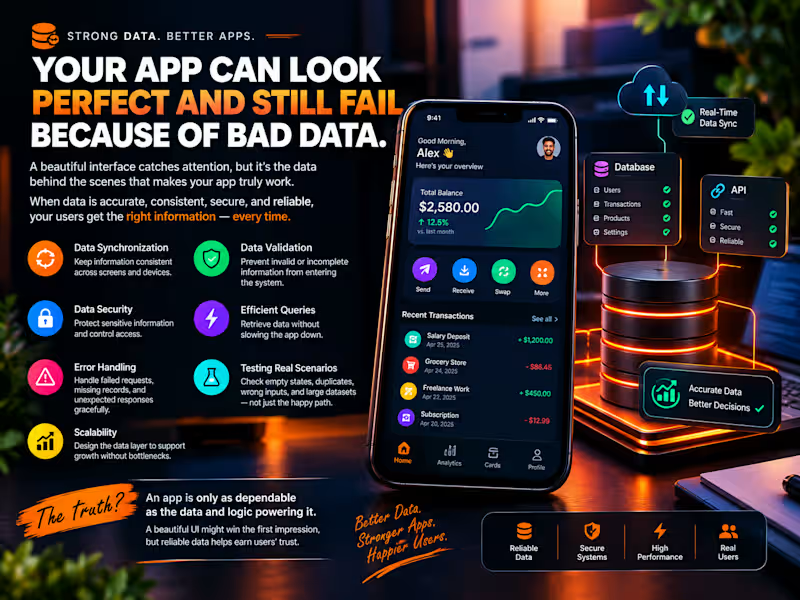
🗄️ YOUR APP CAN LOOK PERFECT AND STILL FAIL BECAUSE OF BAD DATA.
Imagine opening an app that looks amazing, tapping a button, and seeing the wrong information—or no information at all. 😬
That’s what happens when an application doesn’t handle data properly.
When building an app, the real challenge isn't only creating beautiful screens. It's making sure the data behind those screens is accurate, consistent, secure, and reliable.
Here are some things I pay attention to:
🔄 Data synchronization — information should stay consistent across screens and devices.
🧹 Data validation — prevent invalid or incomplete information from entering the system.
🔐 Data security — protect sensitive information and control who can access it.
⚡ Efficient queries — retrieve information without making the app unnecessarily slow.
🚨 Error handling — handle failed requests, missing records, and unexpected responses gracefully.
🧪 Testing real scenarios — check empty states, duplicate records, incorrect inputs, and large datasets—not just the happy path.
📈 Scalability — design the data layer to support growth without creating unnecessary bottlenecks.
The truth? An app is only as dependable as the data and logic powering it.
A beautiful UI might win the first impression, but reliable data helps earn users' trust.
My goal is to build applications that don't just look professional—they work correctly behind the scenes, too. 🚀
👇 What frustrates you more in an app: incorrect data, slow loading, or missing information?
#AppDevelopment #DatabaseDesign #BackendDevelopment #SoftwareEngineering #WebDevelopment #DataManagement #BuildInPublic
1
46
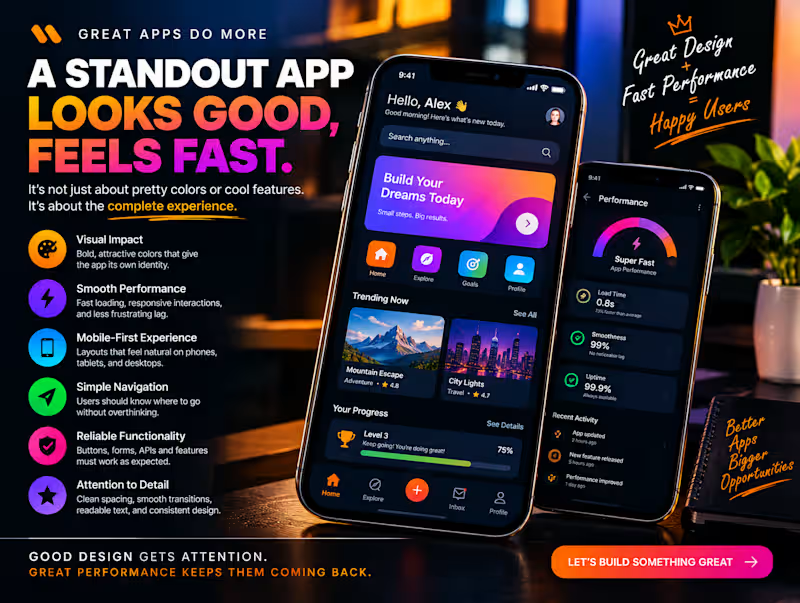
🚀 A BEAUTIFUL APP IS GOOD. A BEAUTIFUL APP THAT NEVER FEELS SLOW? EVEN BETTER. 📱🔥
Some apps catch your attention with their colors. Others impress you with their features. But the apps that truly stand out bring everything together.
When I think about building a great app, I focus on more than just making the interface look attractive.
🎨 Visual impact — bold, attractive colors that give the app its own identity.
⚡ Smooth performance — fast loading, responsive interactions, and less frustrating lag.
📱 Mobile-first experience — layouts that feel natural on phones, tablets, and desktops.
🧭 Simple navigation users should know where to go without having to think too hard.
🛠️ Reliable functionality — buttons, forms, APIs, and features must work as expected.
✨ Attention to detail — clean spacing, smooth transitions, readable text, and consistent design.
Here’s the real lesson: great design gets attention, but great performance and usability keep people coming back.
An app shouldn't force users to choose between looking good and working well. It should deliver both.
That’s the standard I want to bring to every product I build: attractive on the outside, reliable on the inside. 🚀
👇 What makes you fall in love with an app first: its design, its speed, or its features?
#AppDevelopment #UIUX #WebDevelopment #SoftwareEngineering #ProductDesign #FrontendDevelopment #BuildInPublic
2
105

Game Designer & Media Artist | Unity, Unreal, Figma, Maya
Game Designer & Media Artist | Unity, Unreal, Figma, Maya


AI Engineer | LLM Agents - RAG & Evals - Full Stack
- 5.0
- Rating
- 20
- Followers
AI Engineer | LLM Agents - RAG & Evals - Full Stack

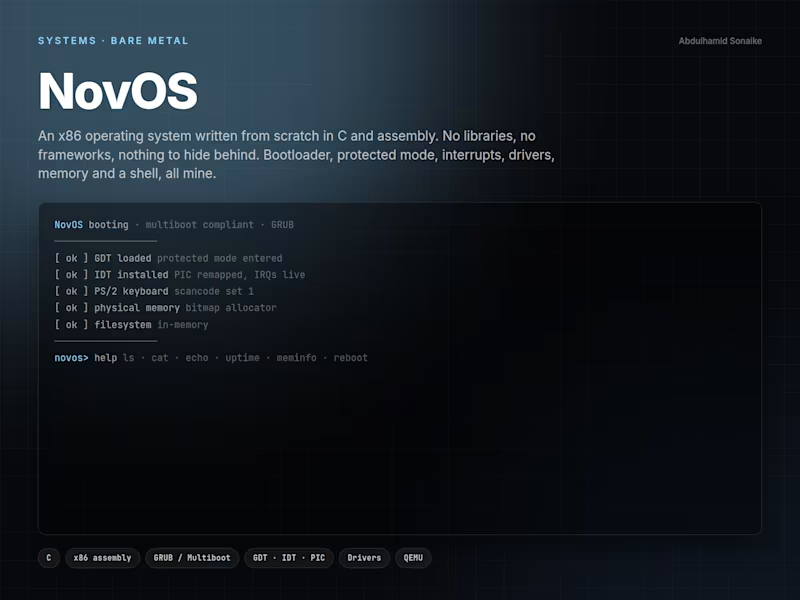


Award-winning creative technologist
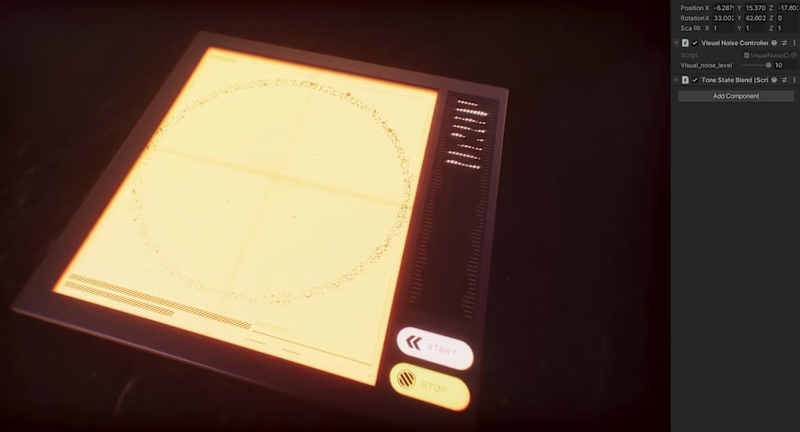
-- INFO
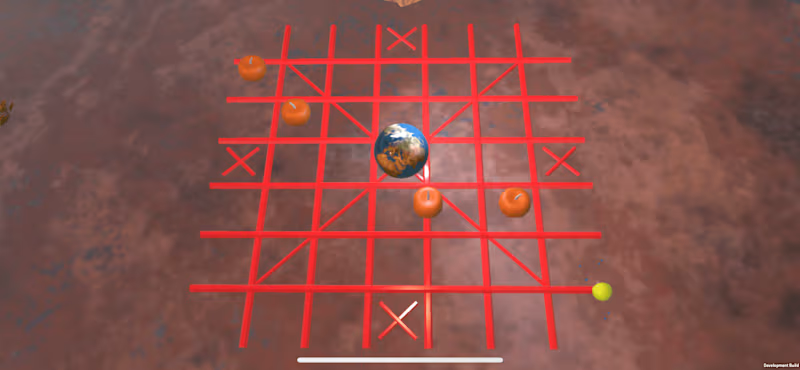
"Variable Density Controller"
(Proof of concept)
A single slider is used to control multiple aesthetic qualities in a realtime scene. The slider affects:
> UI density
> Particle effect density
> Lighting temperature
> Music fidelity (HiDef Stereo -> Bitcrushed Mono)
-- TAGS
( #unity | #gameDevelopment | #prototype | #creativeTechnology )
-- AUDIO
Original composition
29
155


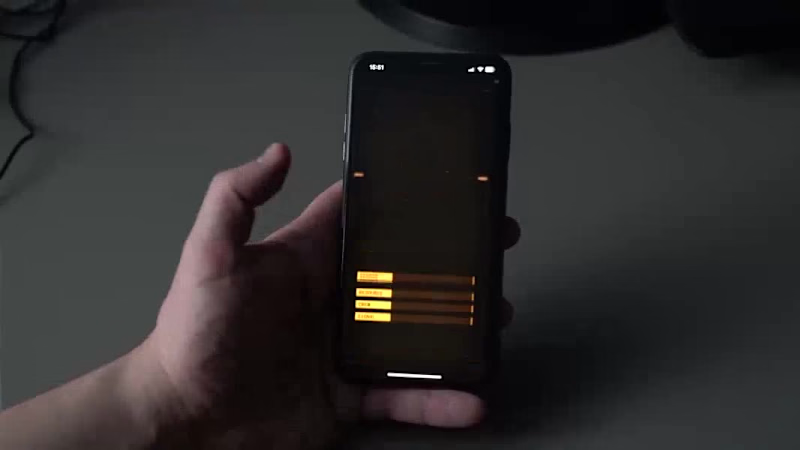

Data Scientist | Data Engineering
Data Scientist | Data Engineering
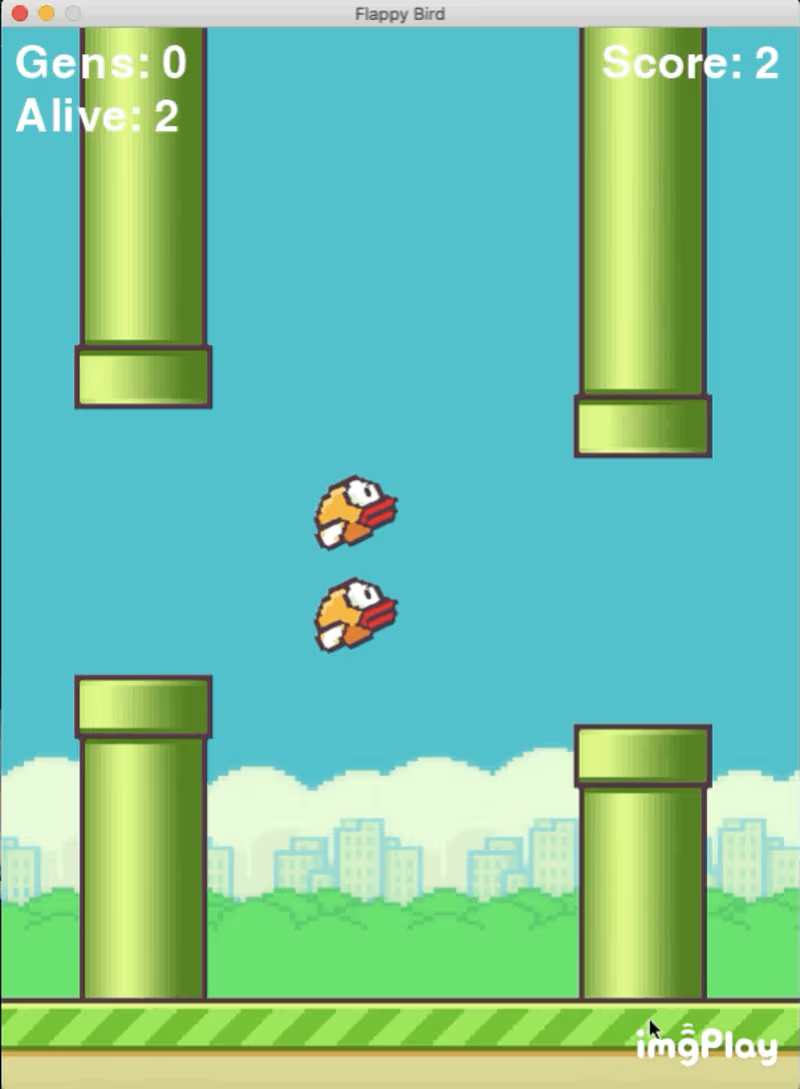

Video game developer and designer: Specializing in XR & AI
Video game developer and designer: Specializing in XR & AI




No tech beyond us
No tech beyond us