Freelancers using Astra Theme in LagosFreelancers using Astra Theme in Lagos
WordPress Developer | Elementor Woocommerce and Landing page
5.0
Rating
127
Followers
WordPress Developer | Elementor Woocommerce and Landing page
Ecommerce Specialist | Shopify, Wix, WordPress and Webflow.
New to Contra
Ecommerce Specialist | Shopify, Wix, WordPress and Webflow.
Cover image for The best retail experience doesn't
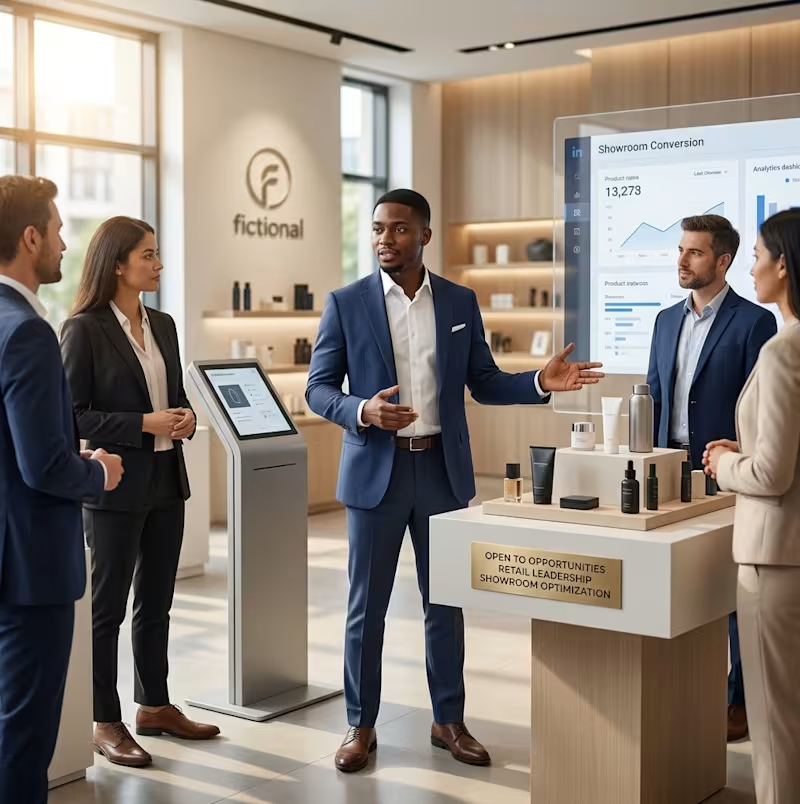
The best retail experience doesn't stop at the showroom door. A customer may walk into a store to see a product, but their buying journey often starts long before they enter and continues long after they leave. That is why modern retail leadership requires more than managing a sales floor. It requires understanding how people, processes, technology, and customer experience work together. Here are the areas I believe every high-performing showroom should pay attention to: ⚡ Sales & Customer Experience A showroom should make customers feel understood, not pressured. The right product presentation, staff engagement, communication, and follow-up can turn a simple visit into a buying decision and eventually a loyal customer. 📊 Data & Sales Performance Sales leadership should be measurable. Understanding customer behavior, sales patterns, product performance, conversion opportunities, and team performance gives leaders the information needed to make better decisions. 🧩 Systems & Operational Efficiency When inventory, customer information, sales activity, POS, and business operations are disconnected, opportunities are easily missed. Tools such as Odoo, WordPress, Webflow, and e-commerce systems can help create better visibility and coordination across the customer journey. 🌐 Physical + Digital Retail Today's customer doesn't always separate a brand's physical store from its website. They may discover a product online, visit the showroom, compare options, speak with a sales representative, and complete the purchase through another channel. The experience needs to feel consistent at every stage. 🤝 Leadership A strong sales lead doesn't simply tell a team what to do. They create an environment where the team understands the customer, the product, the numbers, and the goal. That combination is what turns a showroom from a physical location into a growth channel. I’m particularly interested in opportunities where retail operations, customer experience, technology, and sales strategy come together. If you're building or scaling a customer-focused retail operation, I'd be glad to connect and explore how we could work together. #RetailLeadership #ShowroomSales #RetailOperations #CustomerExperience #SalesStrategy #Ecommerce #Odoo #WordPress #Webflow #OpenToWork
0
43
Cover image for 💰 What If Your Website
💰 What If Your Website Could Help You Earn From Products You Don’t Even Own? That’s one of the opportunities behind an Affiliate WordPress Website. You don’t necessarily need to manufacture products, keep inventory, package orders, or handle delivery. Instead, you can build a platform that connects shoppers with products they’re interested in and earns a commission when qualifying purchases happen through your affiliate links. But there’s a catch… A collection of affiliate links is NOT a successful affiliate website. People need a reason to stay, explore, trust your recommendations, and click. That’s where professional WordPress affiliate website design comes in. 🚀 ✨ Why build an affiliate website? 🔹 Low inventory responsibility You can promote products without managing physical stock yourself. 🔹 Multiple income opportunities A well-structured site can feature products across different categories and affiliate programs. 🔹 Scalable content You can continuously add product guides, comparisons, reviews, deals, and recommendations. 🔹 SEO potential Valuable product-focused content can help attract people actively searching for products and solutions. 🔹 Build an audience Instead of relying completely on social media, you can build your own website and digital presence. 🔹 Flexible business model Your website can focus on a niche such as technology, fashion, beauty, fitness, home products, or other categories. 🛠️ But the website still needs to work. I focus on creating WordPress websites that are: ✨ Clean & professional 📱 Mobile responsive 🧭 Easy to navigate 🛍️ Product-focused ⚡ Performance-conscious 🎯 Built with clear calls-to-action 🔎 Structured with SEO in mind My approach combines WordPress development, website design, UX, product presentation, SEO structure, and conversion-focused thinking to create an affiliate website that doesn't just display products. It creates a better journey for the visitor. If you're thinking about starting an affiliate business, don't start with random links. Start with a website that gives people a reason to visit, explore, trust, and take action. 🚀 Have an affiliate website idea? Let's turn it into a professional WordPress platform. #WordPress #WordPressDeveloper #WordPressDesign #WordPressDevelopment #AffiliateMarketing #AffiliateWebsite #AffiliateBusiness #AffiliateMarketingTips #AffiliateWebsiteDesign #WordPressAffiliate #SEO #AffiliateSEO #ContentMarketing #Ecommerce #EcommerceWebsite #WebDesign #WebDevelopment #WebsiteDevelopment #WebsiteDesign #ConversionRateOptimization #CRO #UXDesign #UIUX #Elementor #WordPressSEO #OnlineBusiness #DigitalBusiness #ProductMarketing #ProductReviews #NicheWebsite
0
93
Cover image for That’s where thoughtful WordPress design
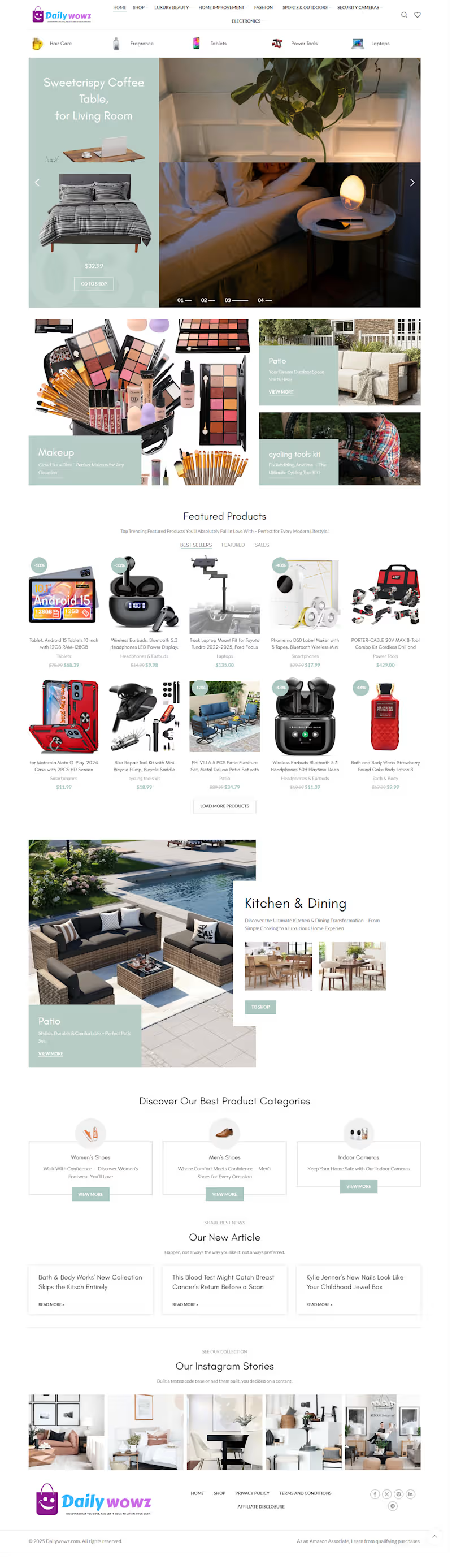
That’s where thoughtful WordPress design and development makes a difference. For DailyWowz, my focus was on creating a website that feels clean, organized, responsive, and easy to navigate while giving products the attention they deserve. ✨ What I focused on: 🔹 Product Presentation; Structuring product sections so visitors can quickly understand what is being offered. 🔹 Easy Navigation; Organizing categories and website sections to make product discovery simple and intuitive. 🔹 Responsive Design; Ensuring the experience works smoothly across desktop, tablet, and mobile devices. 🔹 Clear Calls-to-Action; Creating obvious pathways that guide visitors toward the next step. 🔹 User Experience; Designing around how visitors browse, evaluate, and interact with products. 🔹 Professional Visual Structure; Maintaining consistency in layouts, spacing, typography, product cards, and overall presentation. 🔹 Performance & Usability; Paying attention to the technical details that contribute to a smoother website experience. 💡 Why does this matter? Because a website can have great products and still struggle if visitors can't find what they want, don't understand what they're seeing, or don't know what to do next. My approach combines WordPress development, website design, UX, e-commerce thinking, product presentation, and conversion-focused structure to create websites that are built for both people and business goals. If you're planning to launch or redesign a: 🌐 WordPress Website 🛒 WooCommerce Store 💰 Affiliate Website 🏪 E-commerce Website 📱 Responsive Business Website I can help turn the idea into a professional, functional, user-focused website that represents your brand properly. Good design gets attention. Good user experience keeps people engaged. A well-built website gives your business room to grow. #WordPress #WordPressDeveloper #WordPressDesign #WordPressDevelopment #WooCommerce #WooCommerceDeveloper #AffiliateMarketing #AffiliateWebsite #AffiliateWebsiteDesign #Ecommerce #EcommerceWebsite #EcommerceDevelopment #WebDesign #WebDevelopment #WebsiteDesign #WebsiteRedesign #ResponsiveWebDesign #UXDesign #UIUX #ConversionRateOptimization #CRO #WebsiteOptimization #WordPressExpert #Elementor #WordPressSEO #SEO #DigitalMarketing #OnlineBusiness #ProductDesign #ProductMarketing
0
85
Framer Expert, WordPress Developer & Technical Writer
5.0
Rating
13
Followers
Framer Expert, WordPress Developer & Technical Writer
WordPress & Framer Designer for Business Websites
New to Contra
WordPress & Framer Designer for Business Websites
Cover image for Designed and developed a large-scale
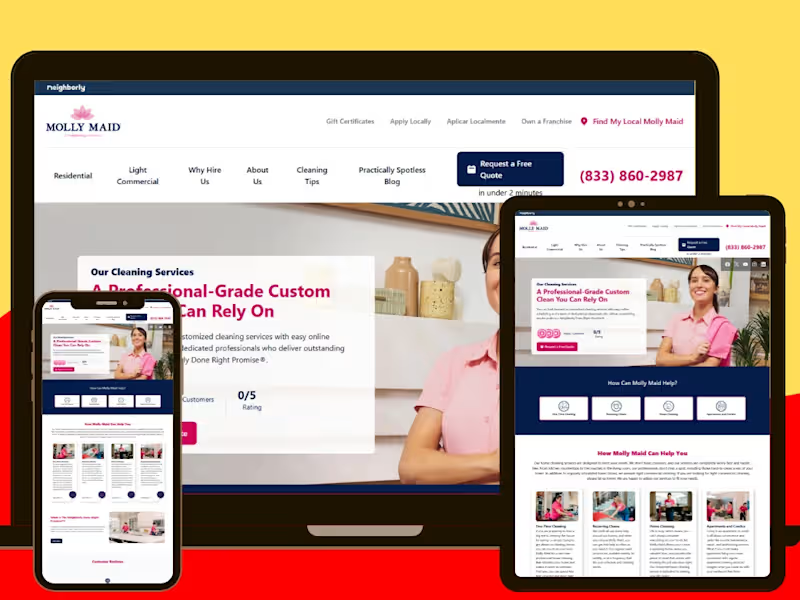
Designed and developed a large-scale residential cleaning website for Molly Maid, a well-established home cleaning brand with a nationwide network of locally operated cleaning services. The challenge was to create a digital experience that could serve both as a national brand website and as a local lead-generation platform. With hundreds of locations across the United States, the website needed to help visitors quickly discover the right cleaning service, find their nearest local Molly Maid, request a quote, and schedule an appointment. The website presents a comprehensive range of residential cleaning solutions, including recurring house cleaning, one-time and occasional cleaning, move-in and move-out cleaning, apartment and condo cleaning, housekeeping, and special-event preparation and cleanup. This service architecture allows visitors to identify their specific cleaning needs rather than navigating through a generic service offering. A major focus was creating a location-driven user experience. Rather than asking visitors to search through a long list of offices, the website uses ZIP-code and location discovery to connect users with their nearest Molly Maid provider. This creates a scalable local SEO and lead-generation structure while maintaining a consistent national brand experience. The location directory currently lists hundreds of Molly Maid locations across the country. From a UI/UX perspective, the website is structured around clear customer intents: finding a local cleaner, understanding available services, getting an estimate, scheduling a cleaning, and learning why Molly Maid can be trusted. Prominent calls to action and simplified navigation help reduce the friction between discovering a service and requesting assistance. Trust-building was another important part of the experience. The website highlights more than 40 years of experience, trained and screened cleaning professionals, insurance coverage, customized cleaning plans, flexible scheduling, no-term-contract options, and the Neighborly Done Right Promise®. The website also uses educational content to support both search visibility and customer decision-making. Its cleaning resources and blog provide practical advice while helping visitors understand different cleaning situations and determine which service best fits their home. The result is a scalable, responsive cleaning-services website that combines national brand presentation, local SEO architecture, service discovery, location-based lead generation, online scheduling, trust-building content, and conversion-focused UX into one cohesive digital experience. Key Focus Areas: • Residential Cleaning Website Design • Home Cleaning Service Website • Multi-Location Website Architecture • Local SEO & Location Pages • Lead Generation & Conversion • Online Quote & Scheduling Experience • Service-Based Website Architecture • Recurring & One-Time Cleaning Services • Move-In & Move-Out Cleaning Pages • Local Business Discovery • UI/UX & Responsive Web Design • Trust & Credibility Elements • Content Marketing & Blog Structure • Mobile-Friendly User Experience • Scalable National Brand Website
0
1
Cover image for Designed and developed a professional
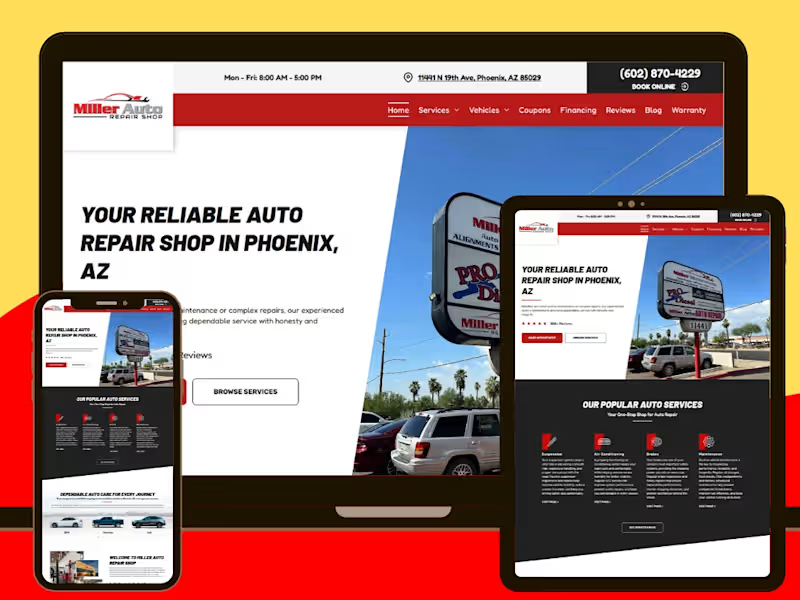
Designed and developed a professional automotive website for Miller Auto Repair Shop, a Phoenix-based auto repair business serving drivers throughout the Valley. The goal was to create a trustworthy, conversion-focused website that makes it easy for vehicle owners to understand the shop's capabilities, find the right service, learn why they can trust the technicians, and schedule an appointment. The website presents Miller Auto Repair Shop as a complete automotive care destination, with dedicated services covering suspension, air conditioning, brakes, cooling systems, routine maintenance, wheel alignment, electrical services, and digital vehicle inspections. The service architecture gives each major repair category its own space while keeping the overall customer journey simple. A major focus was building credibility around the technical expertise behind the business. The website highlights ASE-certified technicians, Certified Auto Repair status, NAPA AutoCare membership, quality replacement parts, warranty protection, and the company's experience serving Phoenix drivers since the 1990s. These trust signals are positioned throughout the experience to help potential customers feel confident before booking a repair. The website also takes a strong local SEO approach by clearly communicating its Phoenix location and surrounding service areas. Dedicated vehicle and location content helps the business reach drivers searching for automotive services across Phoenix and nearby communities such as Scottsdale, Tempe, Mesa, Glendale, Peoria, Chandler, and more. From a conversion perspective, prominent Schedule an Appointment, Book Online, and contact pathways make it easy for visitors to move from researching a repair to taking action. The design also incorporates customer reviews and service-focused content to reinforce the shop's reputation for honest recommendations, quality workmanship, and dependable automotive care. Another important part of the experience was making the website useful for different vehicle owners. Dedicated content communicates that Miller Auto Repair Shop services a broad range of makes and models, helping visitors quickly determine whether the shop can handle their vehicle before contacting the business. The result is a professional, responsive automotive website built around local visibility, service discovery, trust, and appointment conversion — giving Miller Auto Repair Shop a stronger digital presence while making the repair journey clearer for Phoenix drivers. Key Focus Areas: • Auto Repair Website Design • Automotive Service Website • Local Business Website Development • UI/UX & Responsive Web Design • Local SEO Structure • Automotive Service Pages • Appointment & Booking Conversion • Customer Reviews & Trust Signals • Vehicle Make & Model Content • Service-Based Website Architecture • Mobile-Friendly User Experience • Conversion-Focused Calls to Action • Local Lead Generation • Professional Brand Presentation
0
4
Cover image for Designed and developed a professional
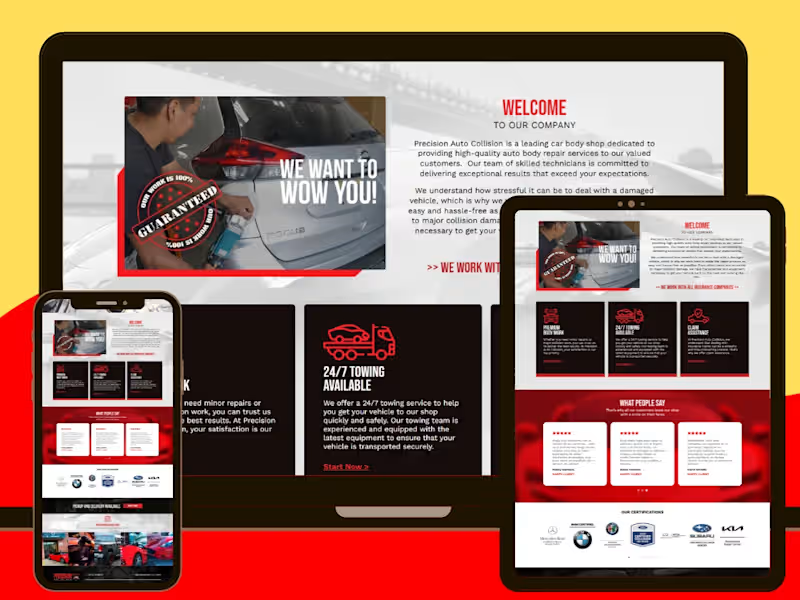
Designed and developed a professional website for Precision Auto Collision, an auto body repair shop serving New York City and Queens. The goal was to create a website that immediately communicates quality, reliability, and technical expertise while making it easy for customers dealing with vehicle damage to understand their repair options and request assistance. The website presents Precision Auto Collision's core services, including dent removal, premium body painting, frame repair, collision repair, bumper repair, aluminum repair, towing, and scratch repair. The service structure allows visitors to quickly identify the type of repair they need and move toward an inquiry or estimate. Because collision repair often comes with the added stress of insurance claims and vehicle transportation, the website also gives prominent attention to supporting services. The company offers 24/7 towing, pickup and delivery, and insurance claim assistance, including help communicating with insurance companies and understanding the repair and claims process. A strong conversion-focused experience was built around the free estimate journey. Rather than relying only on a basic contact form, the estimate process allows customers to provide their vehicle's year, make and model, location, preferred contact method, notes, and even upload photos of the damaged vehicle. This creates a more useful starting point for the repair team while reducing friction for potential customers. Trust-building was another important part of the website. The design highlights the company's experienced technicians, modern repair technology, certifications, customer testimonials, and commitment to returning vehicles to their pre-accident condition. The result is a responsive, service-focused website designed to turn stressful post-accident moments into a clearer customer journey — helping visitors understand the available repair services, feel confident in the shop's expertise, and take the next step toward getting their vehicle repaired. Key Focus Areas: • Auto Body Repair Website Design • Collision Repair Website • Automotive Service Website • UI/UX & Responsive Web Design • Local Lead Generation • Free Estimate Conversion Flow • Insurance Claim Assistance Presentation • Service-Based Website Structure • Customer Testimonials & Trust Signals • Towing & Pickup/Delivery Service Integration • Local SEO-Friendly Structure • Vehicle Repair Service Pages • Mobile-Friendly User Experience • Conversion-Focused Calls to Action
0
14
Cover image for Designed and developed a content-rich
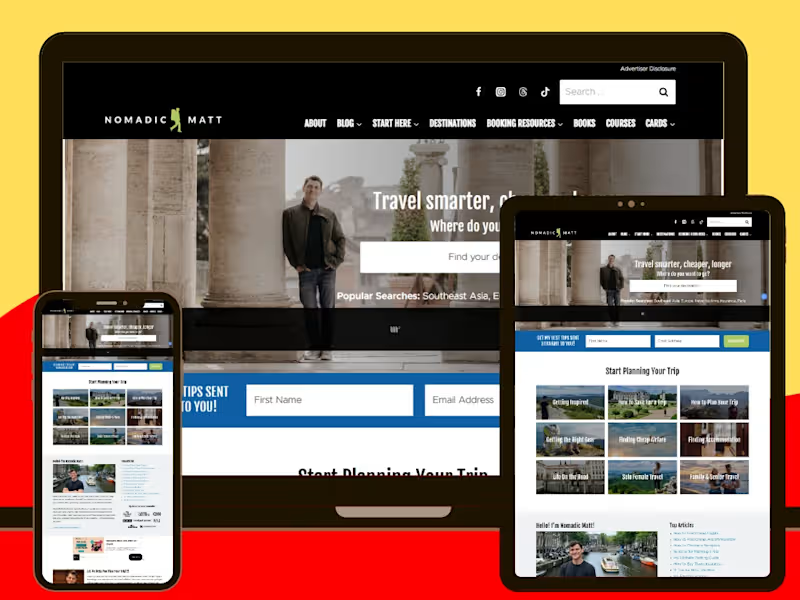
Designed and developed a content-rich travel website for Nomadic Matt, a travel platform built around helping people travel smarter, cheaper, and longer. The challenge was to turn an extensive library of travel knowledge into an experience that feels easy to navigate while still giving visitors access to a huge amount of practical information. The website combines destination guides, travel advice, budget-planning resources, travel hacking, accommodation recommendations, gear guides, travel insurance, and personal travel stories into one cohesive platform. The homepage immediately establishes the site's core purpose with destination search and popular travel categories, allowing visitors to begin their journey based on where they want to go or what they need help with. A dedicated trip-planning section then breaks the travel process into practical stages, including getting inspired, saving for a trip, planning, finding airfare, choosing accommodation, selecting gear, and preparing for life on the road. A major focus was content architecture and discoverability. Instead of treating the website like a conventional blog, the experience organizes information around real traveler needs, including solo female travel, family and senior travel, Southeast Asia, Europe, travel hacking, insurance, and individual destinations. This makes a large content library feel more structured and useful. The personal brand element was also an important part of the design. The site introduces Matt's story and mission while positioning his first-hand travel experience as the foundation of the advice. This creates a balance between editorial content, personal storytelling, and practical travel education. Beyond free content, the website incorporates multiple conversion and monetization pathways, including personalized trip-planning services, vetted travel companies, books, destination guidebooks, and a free travel starter kit. These elements are integrated into the content experience rather than feeling disconnected from it. The result is a scalable travel publishing platform that combines personal branding, editorial UI/UX, destination discovery, content marketing, lead generation, digital products, and travel resources into a cohesive experience designed to keep visitors exploring and moving toward the next useful resource. Key Focus Areas: • Travel Blog Website Design • Travel & Personal Brand Website • Editorial UI/UX Design • Content-Rich Website Architecture • Destination Guide Structure • Travel Resource Hub • Content Discovery & Search • Responsive Web Design • SEO-Friendly Content Structure • Lead Generation & Newsletter Growth • Digital Product & Book Promotion • Travel Planning User Experience • Personal Brand Storytelling • Conversion-Focused Content Strategy
1
36
Fix your funnel leak in 24 hours
1x
Hired
1
Followers
Fix your funnel leak in 24 hours
Cover image for Hiring a web designer sounds
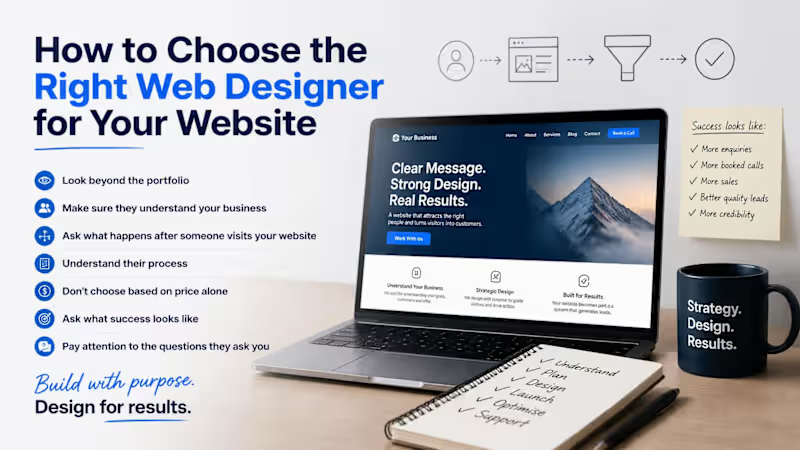
Hiring a web designer sounds simple until you start comparing portfolios, prices, platforms, timelines, and proposals. Two designers might both show you beautiful websites, yet one might be a much better fit for your business. So how do you know who to choose? Here are the things I think you should look at before hiring a web designer. Look beyond the portfolio A beautiful portfolio tells you what someone has designed. It doesn't tell you how they think. When reviewing someone's work, don't only ask whether you like the colors, layout, or animations. Ask: Does the website make the offer clear? Is the next step obvious? Does the structure make sense? Does the design guide visitors toward taking action? A website should look good, but every design decision should have a reason behind it. 2. Make sure they understand your business Your website represents your business, so your designer needs to understand more than your preferred colors and fonts. They should understand: Who your customers are. What you sell. What makes your business different. What you want visitors to do. How people currently find you. The better they understand your business, the easier it becomes to make decisions that support your goals. 3. Ask what happens after someone visits your website This is one question I think more business owners should ask. What happens when someone fills out your form? Where does the lead go? Who follows up? What happens after someone books a call? Does the lead enter your CRM? Does the customer receive an email or text? Your website often sits at the beginning of a much bigger customer journey. If nobody has thought about what happens after the click, you might end up with a website that looks good but creates little business value. 4. Understand their process Before hiring someone, ask how they approach a project. Do they start by understanding your business? Do they plan the website structure before designing? Do they think about the customer journey? How do they handle revisions? What happens if you need changes after launch? A clear process gives you a better idea of what working with them will look like. 5. Don't choose based on price alone Price matters, but it shouldn't be the only thing you compare. Look at the full picture: Experience. Communication. Technical skills. Process. Strategy. Post-launch support. Understanding of your business. A cheaper website might look attractive at first, but the real question is what you're getting for the investment. 6. Ask what success looks like Before the project starts, define what you want the website to achieve. Maybe you want: More enquiries. More booked calls. More sales. Better quality leads. More credibility. A clearer way to explain your offer. Your answer should influence how the website is structured. A website built to generate leads will require different decisions from one built mainly to provide information. 7. Pay attention to the questions they ask you This is one of the easiest ways to understand how someone approaches web design. A designer who asks only: “What colors do you want?” “What style do you like?” “How many pages do you need?” is gathering design information. A designer who also asks: “Who is your ideal customer?” “What happens when someone becomes a lead?” “What is the main action you want visitors to take?” “What isn't working with your current website?” “What does a successful website look like for your business?” is trying to understand the bigger picture. The questions someone asks before building your website often tell you a lot about how they will approach the project. The right web designer isn't necessarily the person with the biggest portfolio or the lowest price. Look for someone who understands your business, understands your customers, and knows how your website fits into the bigger picture. Because your website isn't simply a collection of pages. It is one part of how people discover your business, understand your offer, build trust, and decide what to do next. P.S. I'm Odunayo, a website designer, sales funnel strategist, and automation expert. I help businesses build websites and systems designed to generate and convert leads.
1
40