Technical Writing Projects in IndiaTechnical Writing Projects in IndiaBest Virtual Data Room Software in 2026: Compare VDRs for M&A, Due Diligence, VC & Finance
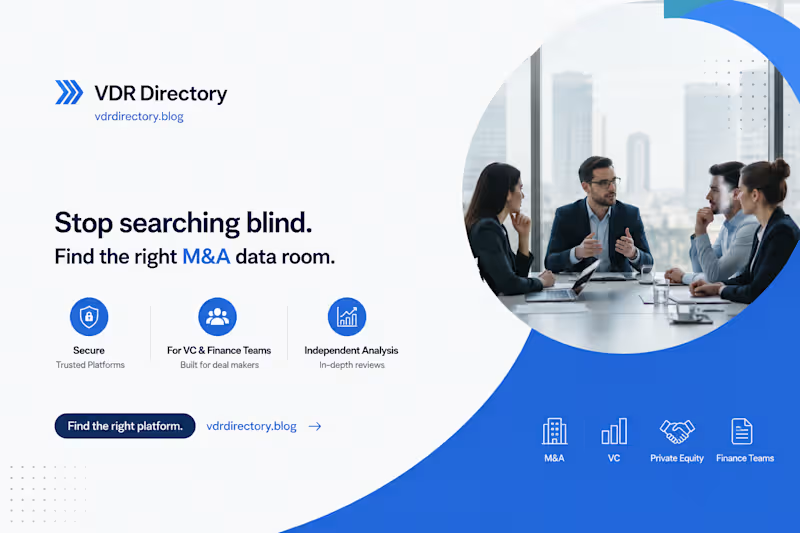
Choosing the right Virtual Data Room (VDR) can be difficult when every provider promises secure document sharing, better collaboration, and enterprise-grade security.
VDR Directory makes the research easier.
We independently compare virtual data room software, deal room platforms, secure file-sharing tools, document tracking software, and due diligence solutions for teams working across:
• M&A and investment banking
• Venture Capital and startup fundraising
• Private Equity
• Due diligence
• Corporate development
• Finance and financial advisory
• Legal and compliance
• Commercial real estate
• Investor document sharing
• Secure confidential document sharing
What is a Virtual Data Room?
A Virtual Data Room is a secure online workspace used to store, organize, share, and control access to confidential business documents during transactions such as M&A, fundraising, due diligence, private equity deals, IPOs, and investment processes.
How do you choose the best VDR?
Compare platforms based on:
Security & access controls
VDR pricing
Document permissions
Dynamic watermarking
NDA protection
Document analytics & tracking
Ease of use
Data room setup
Deal room features
Customer support
VDR Directory helps you research and compare leading platforms including Datasite, Intralinks, DocSend, iDeals, Firmex, Digify, ShareVault, SecureDocs, Papermark, SendNow and other VDR providers.
Whether you're searching for the best virtual data room for M&A, a VC data room, private equity data room, due diligence data room, startup fundraising data room, or simply an affordable secure deal room, start your research here.
👉 Compare Virtual Data Rooms:
https://www.vdrdirectory.blog/
#VirtualDataRoom #VDR #DataRoom #MergersAndAcquisitions #DueDiligence #PrivateEquity #VentureCapital #InvestmentBanking #SecureFileSharing #DealRoom #DataRoomSoftware #VDRSoftware #VDRComparison #VDRPricing When the “User” Is an AI Agent: A Zero Trust Case Study
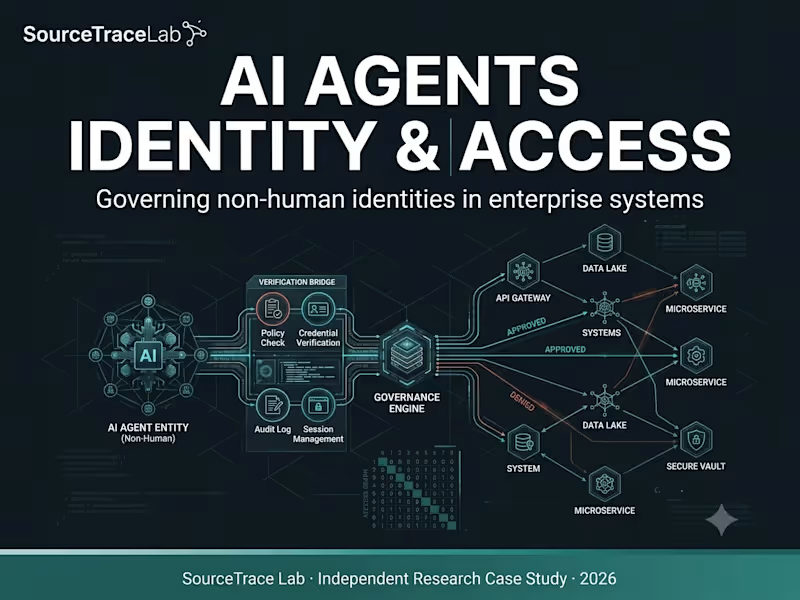
This independent research case study looks at what changes when an AI agent moves beyond answering questions and starts taking actions through tools, APIs, workflows and enterprise systems.
Using public cyber-threat reporting and Zero Trust principles, the report examines why AI agents need to be treated as a new type of non-human identity, with limited, traceable and revocable access.
The research focuses on practical questions security leaders need to ask:
What is the agent’s identity?
What can it access?
What can it change?
How is its activity monitored?
And who can stop it when something goes wrong?
The case study covers AI-agent identity, least-privilege access, segmentation, continuous verification, monitoring, access revocation and human control.
It also demonstrates my approach to cybersecurity research: finding and checking sources, connecting emerging threats with established security principles, turning technical issues into clear analysis, and presenting the findings in a way that business and security leaders can understand.
This sample is intended for security teams, CISOs, risk leaders and technology executives looking for clear, evidence-based research on AI security, Zero Trust, identity and access management, and emerging cyber risk.