Somit Guha - Data Analyst | ContraWork by Somit Guha
Somit Guha

Somit Guha

Data expert: Fast typing, clean formatting, zero errors.

New to Contra

Somit is ready for their next project!

Cover image for Generating an automated Top Vendors
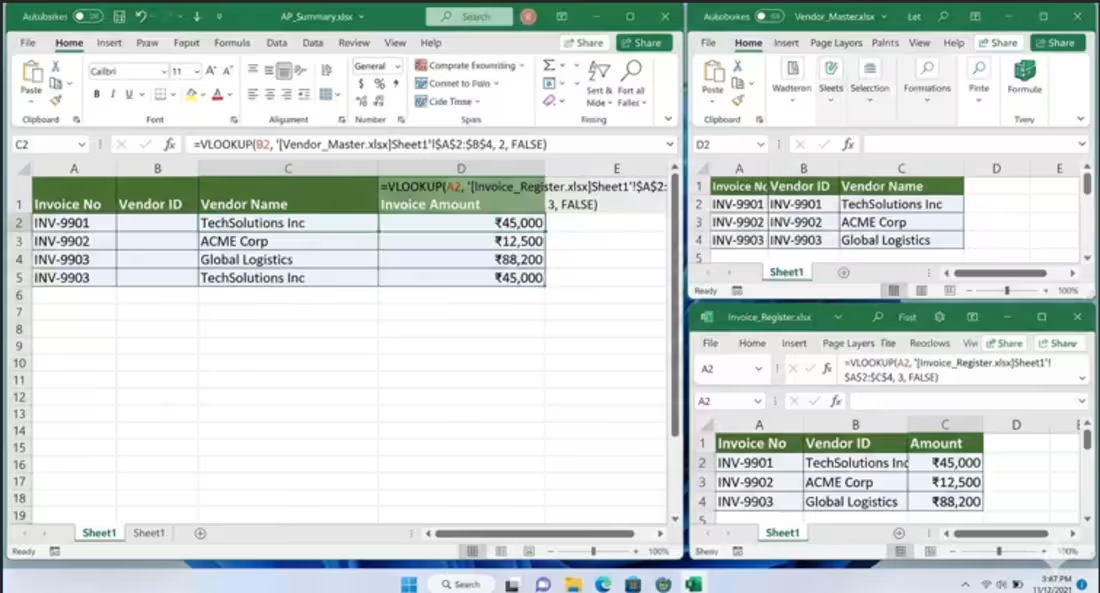
Generating an automated Top Vendors Report using an Excel Macro moves client data through three distinct phases: Extraction, Isolation, and Visual Enhancement. Step 1: Data Replication & Sorting – The macro copies original invoice/spend records into a dedicated reporting sheet to preserve the master data. It then sorts the entire list by total spend in descending order. Step 2: Threshold Trimming – It looks at client data's target (e.g., Top 5 or Top 10) and deletes all rows beneath that cutoff, cleanly removing lower-tier spend data. Step 3: Executive Formatting – It dynamically builds professional headers, applies currency styling ($#,##0.00), colors the table headers for a dashboard feel, and auto-adjusts column widths so text is never cut off. .
1
0
85
Cover image for I receive raw production data
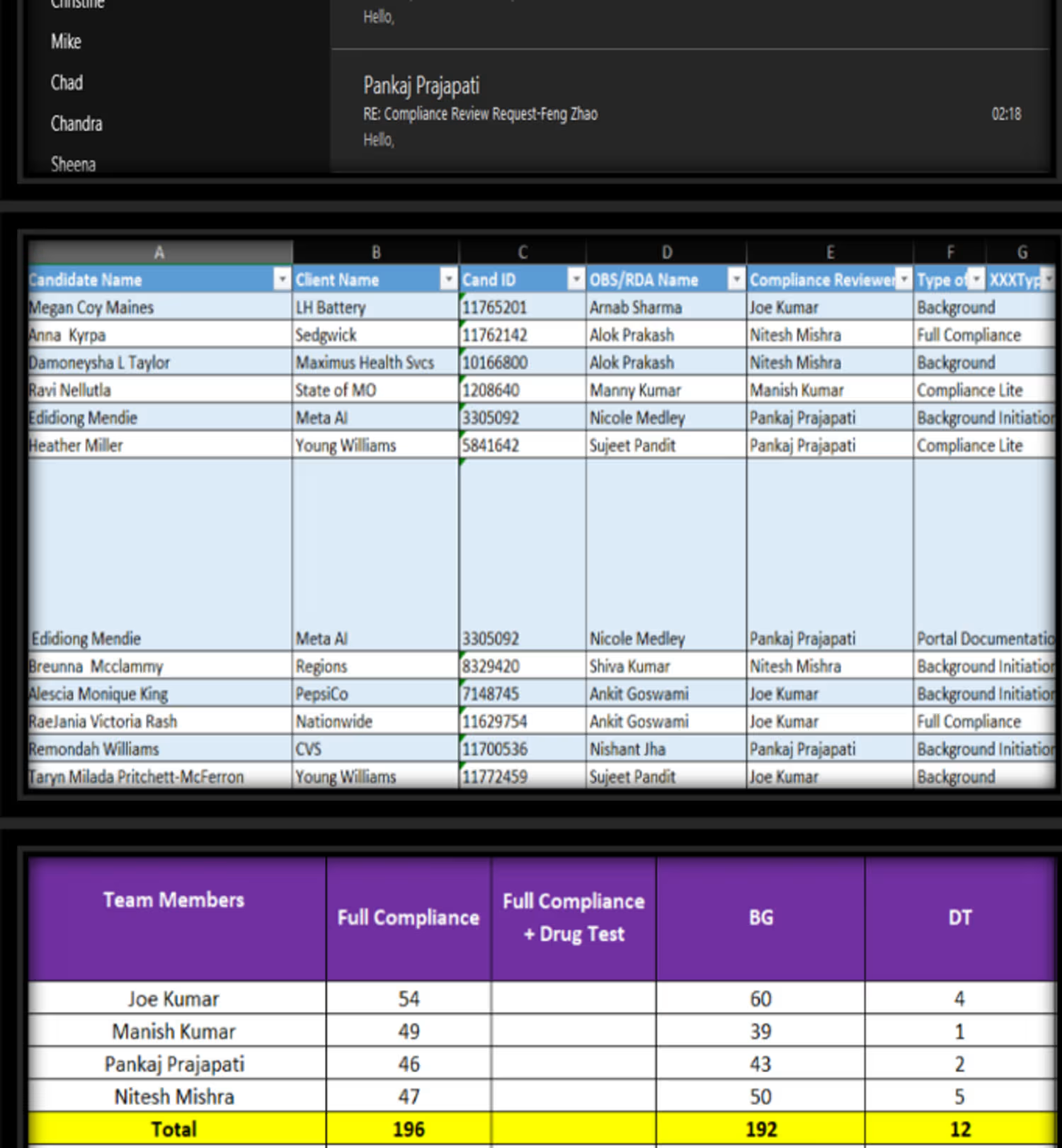
I receive raw production data from our clients in Excel format, then process and refine this data into comprehensive, structured reports categorized by employee performance, item types, and precise minute-by-minute tracking.
0
62
Cover image for Lead the identification, analysis, and
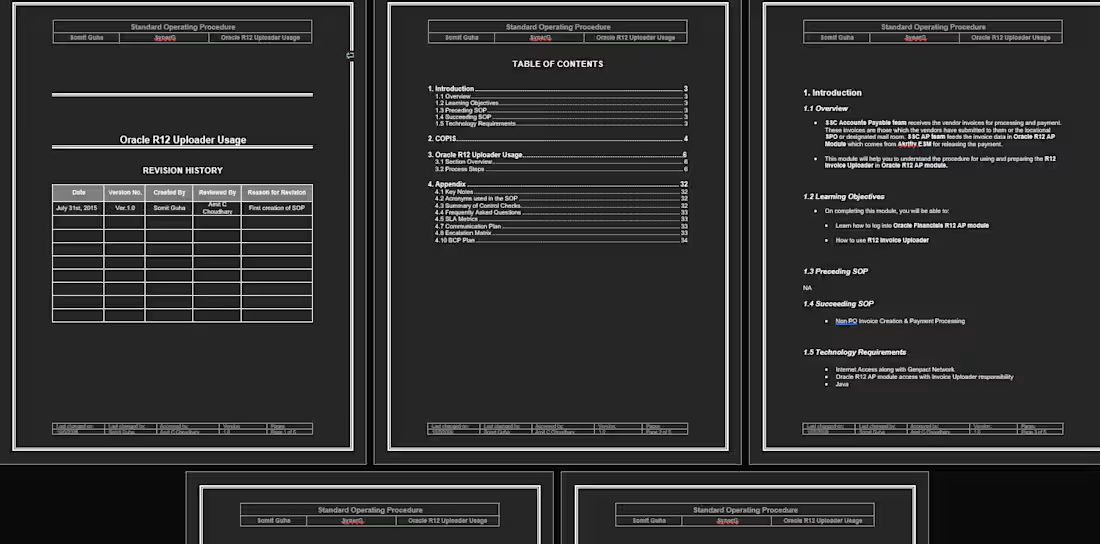
Lead the identification, analysis, and cleaning of duplicate records within our large-scale corporate data repositories. My primary focus will be managing large Excel files (100,000+ rows) and connected databases, locating structural and partial redundancies, and streamlining data workflows to ensure data accuracy.
0
42
Cover image for The accounting data entry process
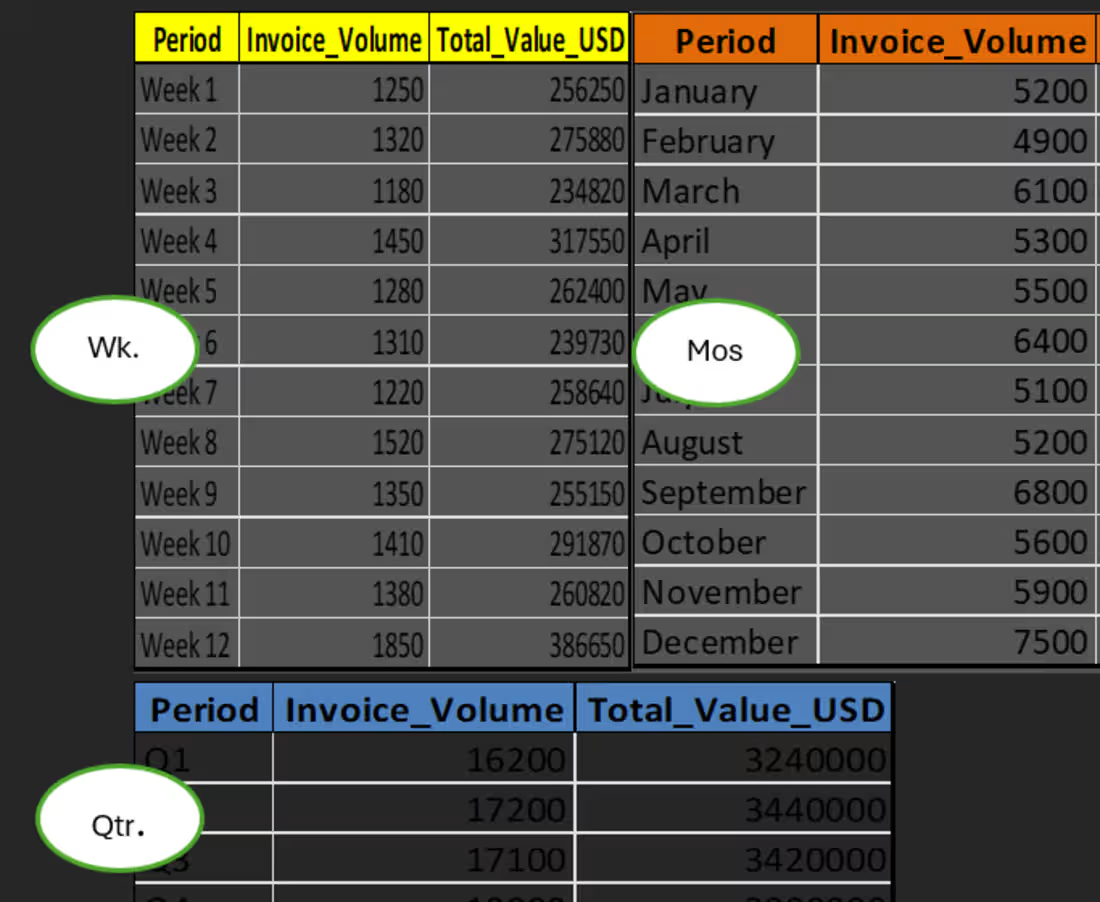
The accounting data entry process converts raw financial paperwork into structured business reports through four essential phases: šŸ“ Phase 1: Input & Gathering – Collect source documents like vendor invoices, bank statements, and customer receipts, ensuring every transaction has physical or digital proof. šŸ·ļø Phase 2: Categorisation – Match each transaction to its specific account code using the company's Chart of Accounts, determining which asset, liability, revenue, or expense is affected. āŒØļø Phase 3: Recording (Double-Entry) – Enter details (date, reference number, description) into an accounting system or spreadsheet, ensuring total Debits exactly equal total Credits. šŸ” Phase 4: Reconciliation & Reporting – Compare the entries against independent bank statements at month-end to fix errors, lock the period, and automatically generate the final financial statements.
0
46