AI Art Projects in GhaziabadAI Art Projects in GhaziabadI used to spend hours trying to make one product look consistent across different visuals.
Every style felt disconnected. Lighting changed. Colors drifted. Nothing felt like one brand.
So I built something to fix that.
Now I just drop in a single image—and it builds the entire visual system for me.
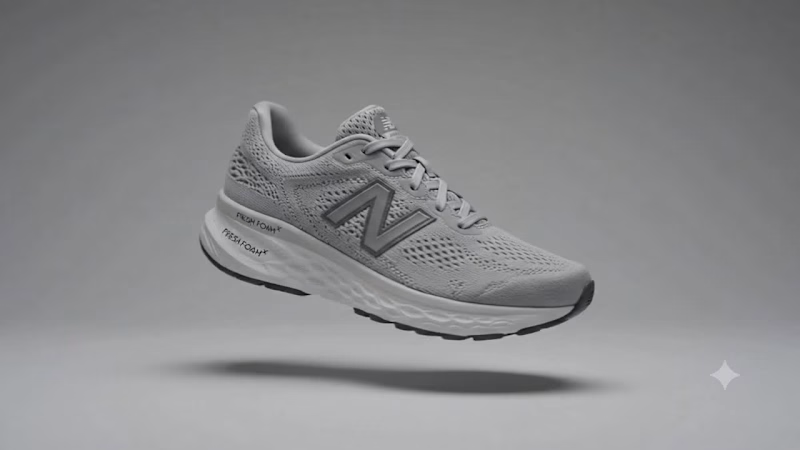
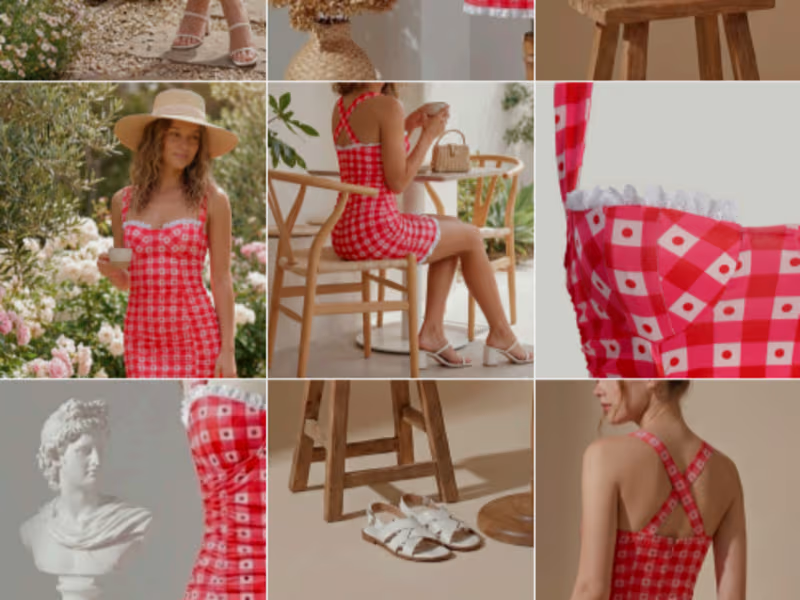
It analyzes the product, extracts its Brand DNA, and generates five cinematic visuals across different themes—while keeping everything consistent.
And then it turns those into a premium ad.
Same product. Same identity. Completely different worlds.
What it does:
– Extracts color, lighting, materials, and visual identity
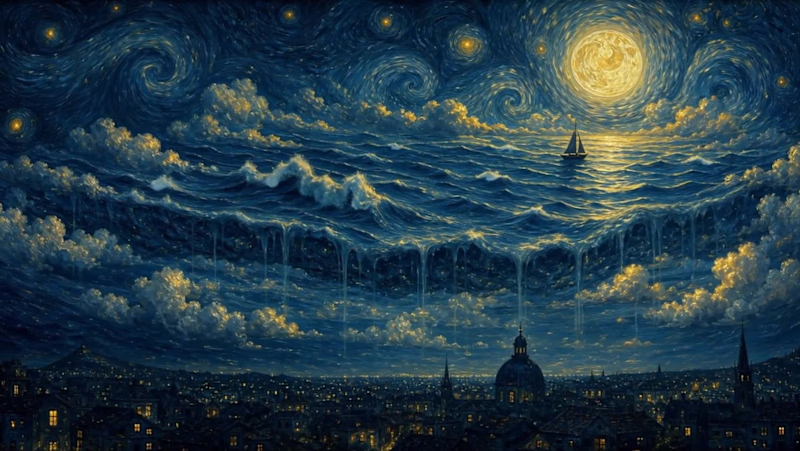
– Generates 5 themed visuals (luxury, minimal, futuristic, street, bold)
– Maintains perfect consistency across all outputs
– Creates a cinematic, high-end ad automatically
– Works from just one input image
Try Brand DNA: https://morphic.com/workflows/019dc659-9f87-73a5-92b3-269ecbfc1ee9/brand-dna
(https://morphic.com/workflows/019dc659-9f87-73a5-92b3-269ecbfc1ee9/brand-dna)Walkthrough video: https://www.loom.com/share/43954ac8fe7d440c8b39621be08c1111
If you create anything visual, you should try this. Any project- be it a short film, an ad, a teaser, a fashion campaign, or a UGC video-starts with a character.
A model. A face. But building that face?
It used to take forever.
Endless iterations… or tools like NanoBanana just replicating references- accurate, but not original.
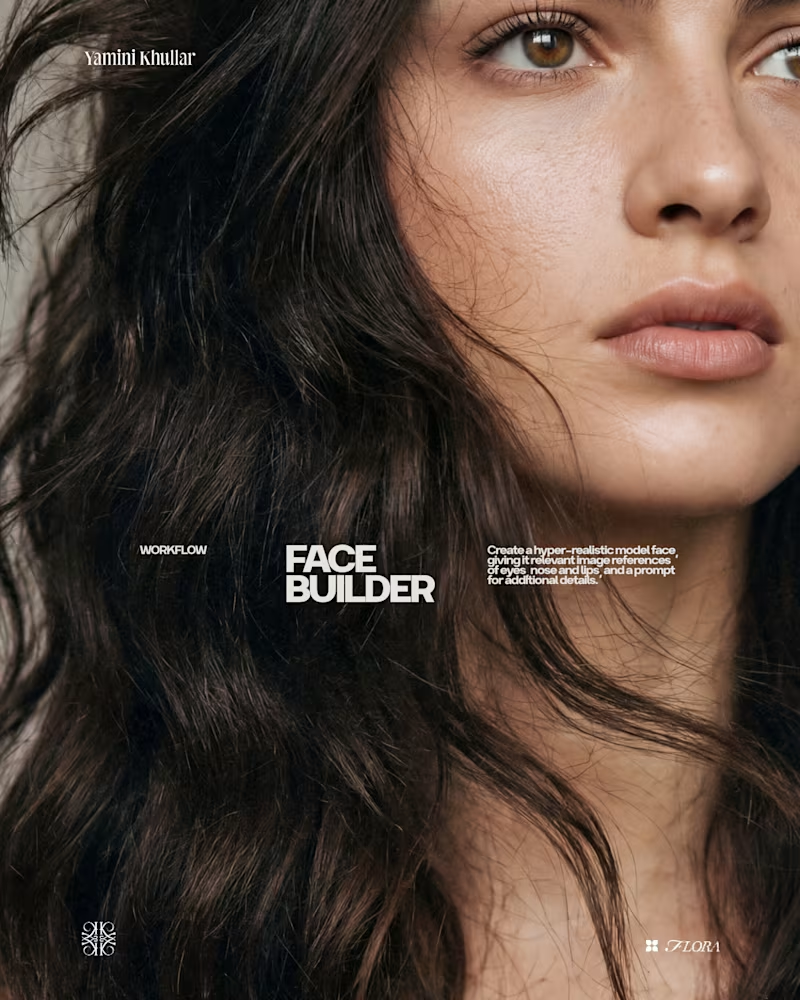
So I built a system on @FLORA
Input:
– 3 image references (eyes, nose, lips)
– A single prompt for structure, skin, and mood
Output:
– a fully cohesive, hyper-realistic face
Now, instead of generating random identities,
You design them- feature by feature.
App link in comments
#AI #GenAI #creativedirection #workflow #FLORAtechnique Most AI outputs look impressive.
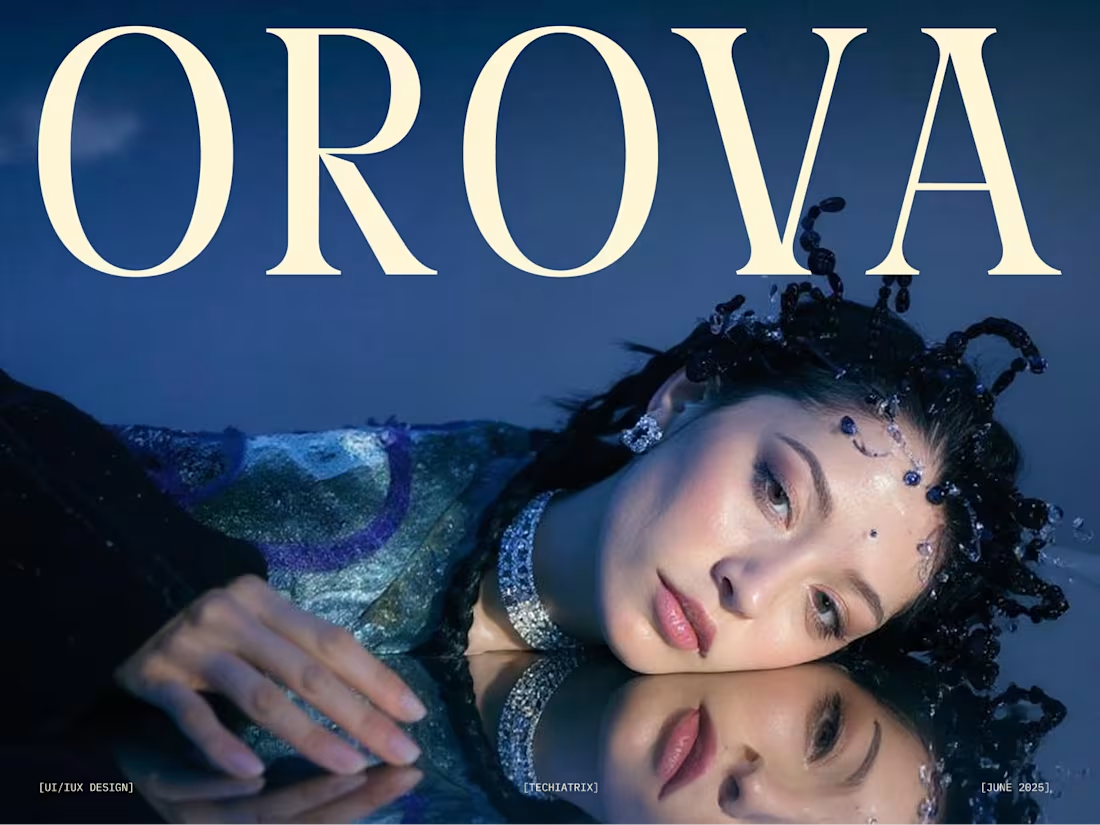
But they still don’t feel like a real ad.
That gap is exactly what I set out to close with AUREL🚀
—
I didn’t approach this like prompting.
I approached it like building a creative pipeline.
Everything starts with structure.
I used the Compositor Node as the core—treating every visual like a layered campaign build:
• model as the primary subject
• product placed with intent
• controlled lighting and shadow passes
• grain and texture for depth
Nothing is random.
Every layer is composed to feel like it went through an actual art direction process.
That’s where the “ad feel” comes from.
—
Then I pushed the product beyond flat placement.
Inside the Creative Code Node, I brought in Three.js to generate a 3D version of the product.
This changed everything.
Now the product:
• has real depth
• reacts to light correctly
• sits naturally inside the frame
It’s not pasted in—it’s constructed into the scene.
—
From there, I designed the system to branch into four distinct campaign directions:
- Luxury Editorial — minimal, high-contrast, fashion-first
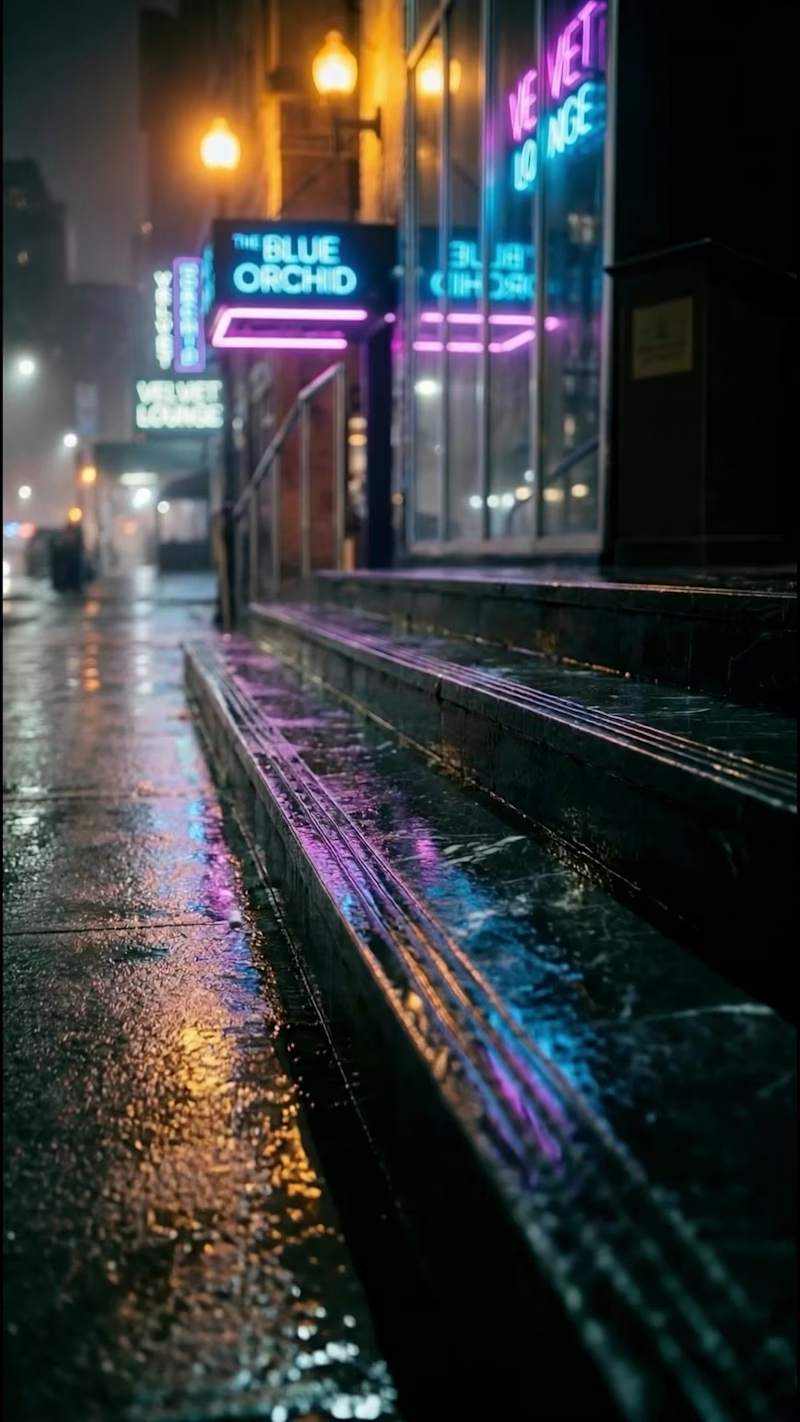
- Streetwear — gritty, neon-lit, high energy
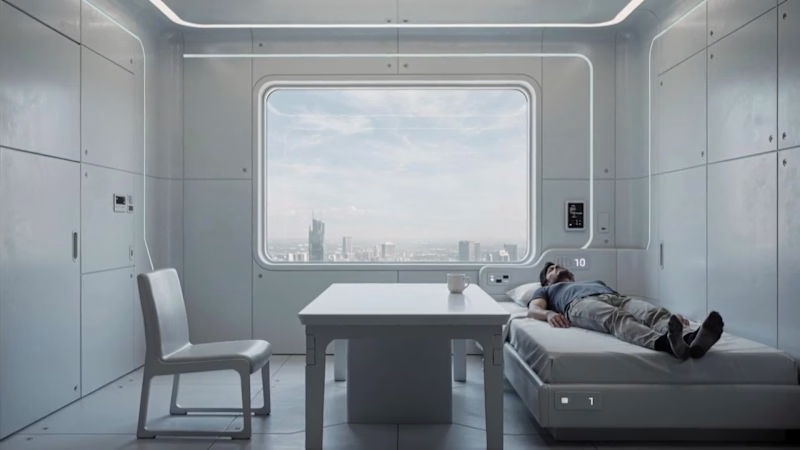
- Futuristic — cinematic, immersive, sci-fi driven
- Surreal — abstract, dreamlike, expressive
Each theme has its own composition logic, not just a visual style.
Workflow: https://app.fuser.studio/view/fb2d0257-c565-493f-a2a8-099d2b9dd598