Product Designer · Scaling ideas · Mobile · Web · Motion


Product Designer · Scaling ideas · Mobile · Web · Motion



Design, tools, and taste.
AI x Craft x Culture


Design, tools, and taste.
AI x Craft x Culture
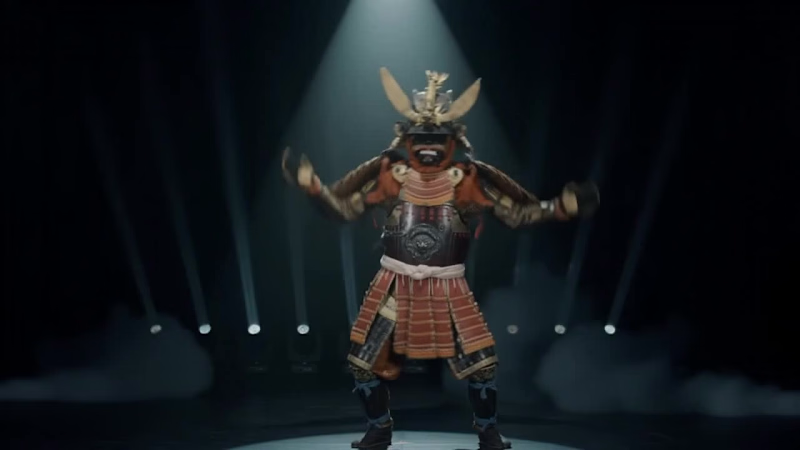
MET's Got Talent: Finding Identity Through Bollywood
Summary: Two old warriors wake up in present-day London, are entirely overlooked, and then end up participating in a talent show under the spotlights.
What I Built
It's a funny and energetic short film in which two imposing suits of armour from the MET collection, a Japanese Gusoku and some European plate armour, come to life in the present day. After marching through Trafalgar Square and being ignored by a crowd who are too preoccupied to notice five centuries of history walking past, the two warriors discover their real purpose somewhere they were never meant to be: on a brightly lit talent-show stage, where they launch into a lively and perfectly synchronized Bollywood dance routine.
Why I Built It
I want to challenge the way we are accustomed to looking at objects from war. Armour is heavy, stolid, and disciplined- things that we link with violence and rigidity. That is why I gave these intimidating figures the very things they stand for instead: the joy, expressiveness and pure kinetic energy typical of Bollywood. The film rests on this contrast between the stiff, realistic style of bronze and steel and the fluid, celebratory choreography. It is an approach that uses visual irony to break down the museum's unspoken "do not touch" rule, and enables these two instruments of war to find a new identity based on performance and joy.
MET Artifacts Referenced: Armor (Gusoku) · European Plate Armour|
Instagram Reel - https://flyn.im/cfzNZTH
#floramuseumchallenge
1
154
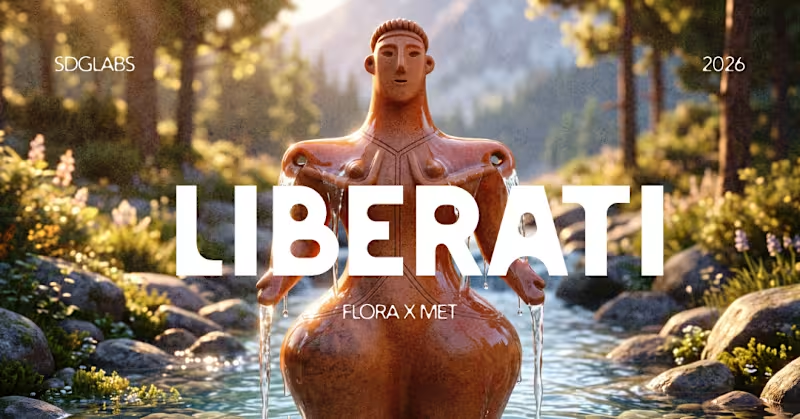
Liberati : A New World
A terracotta figure that had been stuck behind glass for millennia finally learns to fly.
What I Built
A visual narrative spanning three acts that brings to life a previously static, wide-hipped ancient terracotta statue of a woman. Rather than remaining behind glass in a case, she has been brought back into a rich, mythical, utopian world. The film starts with her bathing peacefully in a series of terraced hot springs with a group of figures like her, then moves toward a state of release until she finally attains complete freedom, floating weightlessly above vast desert canyons and ending with a thrilling, high-speed, manga-style animation.
Why I Built It
The entire work rests upon one contradiction: the physical reality of the object and the concept of absolute freedom. Since terracotta is heavy, earthy, and in every way deeply rooted, all the characteristics of the statuette tend to draw her towards the ground. I have given this ancient and imprisoned museum piece the very opposite experience: weightlessness and boundless joy. The video achieves this by creating an entire civilization around her and then allowing her to take flight, thus turning the historical artifact into a symbol of complete and unlimited liberation.
MET Artifact Referenced: Statuette of a female
0
151
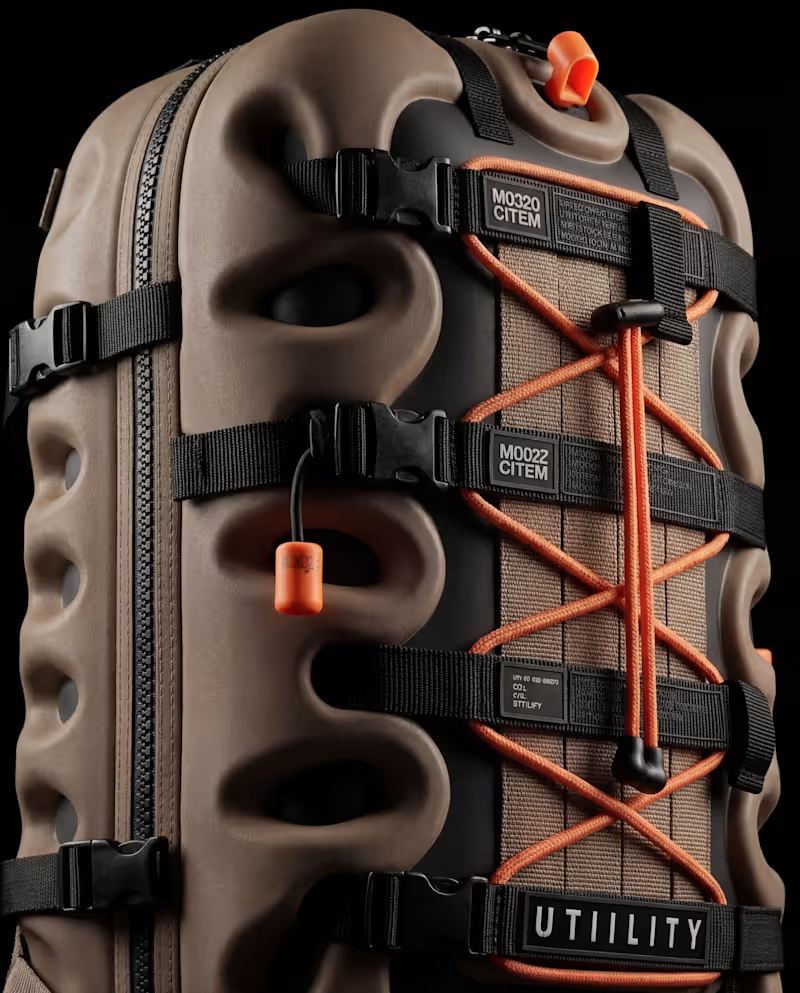
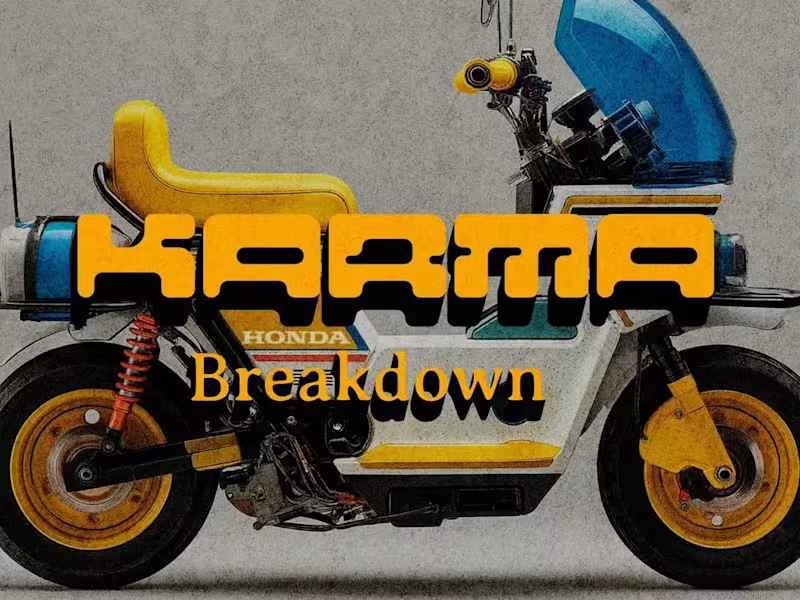

A creative who is inspired by nature and steve.
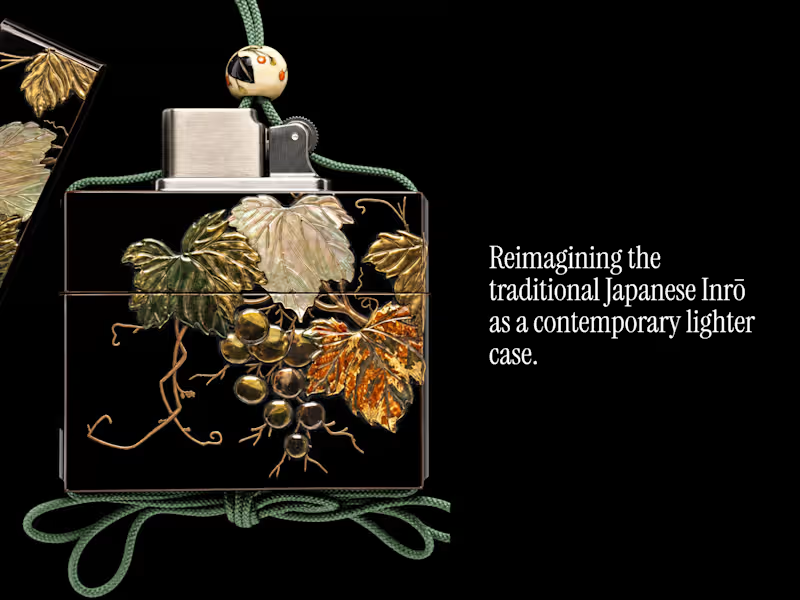
Reimagining the Inrō as a contemporary lighter case.
The Inrō was originally a small, highly refined everyday-carry object designed to hold personal items or stamps.
The problem I’m exploring is that everyday objects like lighters are often disposable, generic, and designed without much emotional or personal value. I want to ask:
What would a lighter look and feel like if it were designed as an object worth keeping?
The Met’s Inrō collection becomes my historical design reference, while FLORA becomes the space where I research, reinterpret, prototype, and visually develop the idea.
links:
Flora: https://app.flora.ai/join-project/7ea98b7b-e261-4ca6-9ce1-ae0824652cf5
The Met's public domain archive of works links
https://www.metmuseum.org/art/collection/search/58927
https://www.metmuseum.org/art/collection/search/58569
https://www.metmuseum.org/art/collection/search/58803
https://www.metmuseum.org/art/collection/search/58820
https://www.metmuseum.org/art/collection/search/58616
https://www.metmuseum.org/art/collection/search/58373
sitaram
2
5
501
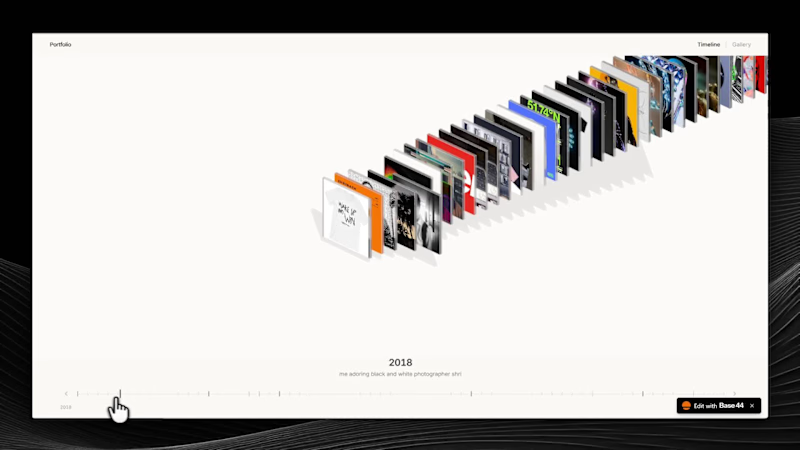
An Interactive 3D Isometric Archive (2018–2026) 💿✨
Live App: https://chronos-motion-scroll.base44.app
(https://chronos-motion-scroll.base44.app)The Vision: Making Digital Memory Tactile Most portfolio timelines and personal archives on the web feel lifeless, flat 2D sliders, endless vertical scrolls, and static grids. For the #Base44Challenge, I wanted to turn a personal timeline spanning 2018 to 2026 into a tactile, physical experience: like rifling through a crate of vintage CD jewel cases or vinyl records on a studio desk.
1
2
227
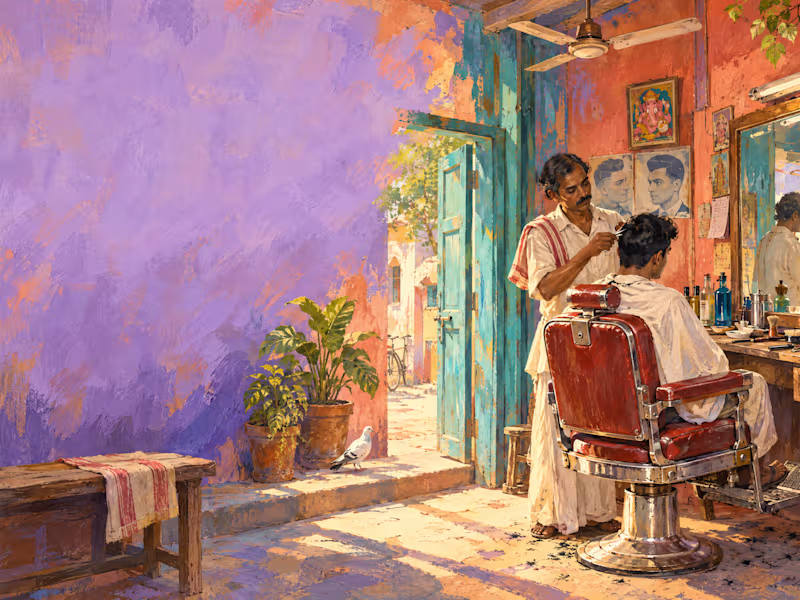
I turned the queue at an Indian barber shop into a live digital system.
I designed Milan Delux Saloon.
A digital experience for a neighbourhood barber shop in my hometown, Nagpur.
Explore the public project : milansaloon.lovable.app (http://milansaloon.lovable.app)
Designed mobile-first for the way India actually uses the internet. Quick, accessible, and built to work on the go.
The product includes a live salon floor, 6 barber profiles, 5 live chairs, real-time service countdowns, barber availability, and a booking flow that updates the queue.
Instead of walking in and waiting for your turn, you can see what’s happening inside and book around it.
Less waiting for customers. A clearer queue for Indian barbers.
Built for the Lovable × Contra Challenge.
1
1
380

Between brand identity, product design, and GenAI art.

Between brand identity, product design, and GenAI art.