The network for creativity
Join 1.25M professional creatives like you
Connect with clients, get discovered, and run your business 100% commission-free
Creatives on Contra have earned over $150M and we are just getting started
Back to feedPost
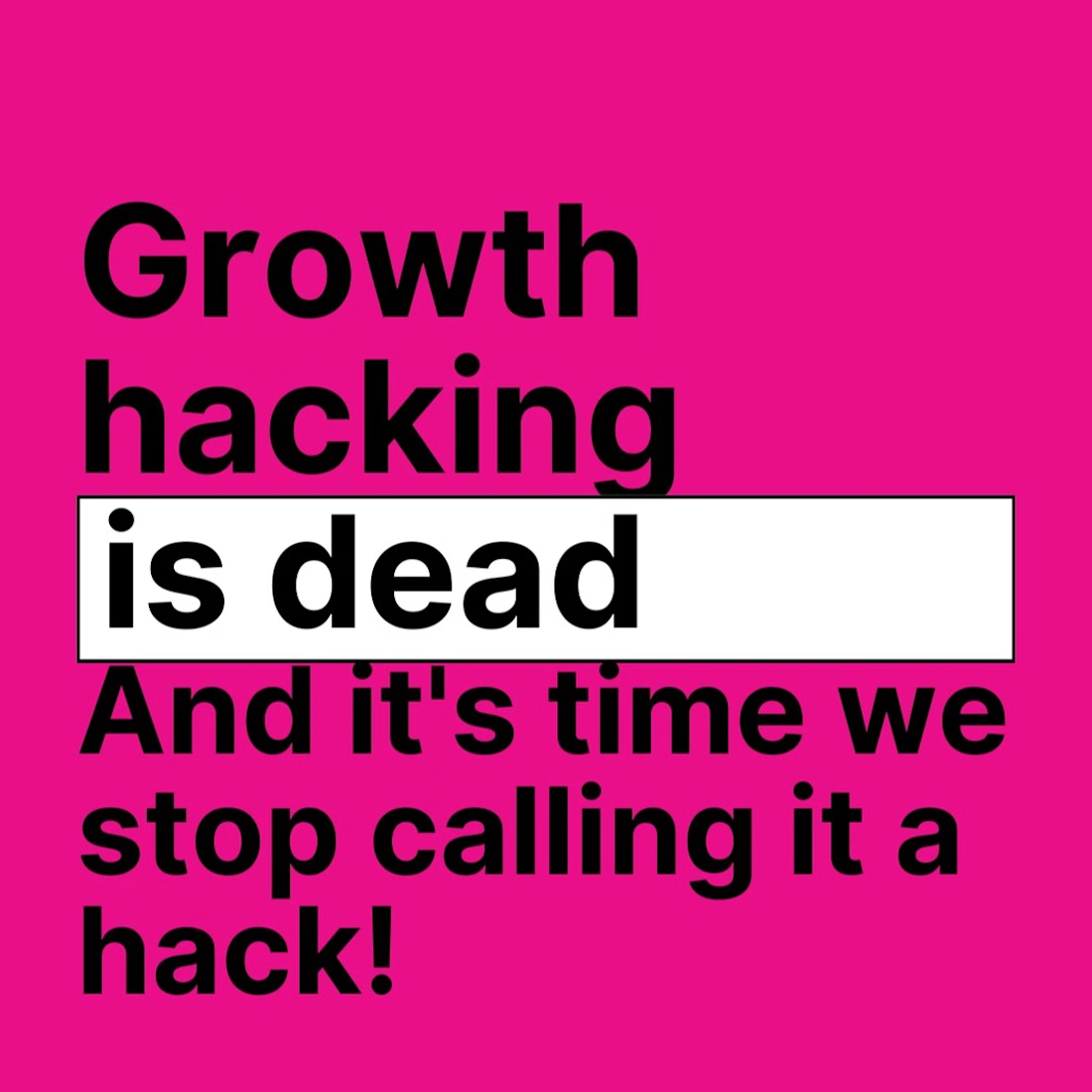
Unpopular opinion 101: "growth hacking" is dead.
[Image credit: Yoav Tchelet]
Okay, here's a take that gets me in arguments, so I'll see how it lands here.
The "growth hacking" playbook everyone was running 2015-2020 is dead.
Not declining. Dead.
And we've got to stop pretending it still works.
What I mean:
1. Cold email at scale - Inboxes are a graveyard now. Reply rates are 1/10th what they were 5 years ago. Anyone telling you they're getting 8% reply rates is either lying or selling you a course.
2. LinkedIn automation - LinkedIn detects it, prospects ignore it, and the people running it loudest are the ones with nothing real to show.
3. SEO "growth hacks" - Google's algorithm and AI summaries killed the playbook of pumping out 200 thin pages targeting long-tail keywords. The brands winning now have actual expertise and authentic content.
4. Viral loops / referral tricks - Worked in a market where the average person wasn't already in 14 SaaS tools. Not in the CyberPunk era we are heading to.
5. "Hack" funnels - Customers know when they're being funneled. They bounce.
What's actually working in 2026 from what I've seen:
- Distribution through real communities. Slow, hard to measure, doesn't scale linearly. Works.
- Founder-led content that's actually opinionated, not the LinkedIn "I learned 5 things from my failure" slop.
- Honest comparison content that mentions competitors fairly. Buyers Google "X vs Y" and trust the result that doesn't pretend to be neutral.
- Customer interviews driving product changes that show up in the product, then the product itself becomes the marketing.
And of course, the Boring stuff like good onboarding, fast support, fixing the 3 things every customer complains about.
None of this is sexy.
None of it fits a "hack" framing.
None of it makes a good Twitter thread.
There are no growth 'hackers' anymore.
But there will always be sustainable Growth Marketing & GTM Engineering...
Okay my rant is over 🥴
#growthhacking #growthmarketing #saas #gtm #saasmarketing

Distribution through real communities and honest comparison content both ring true from what I've seen too. Founder-led content is the trickiest one on that list though, most founders either can't sustain the volume or it ends up sounding like LinkedIn thought leadership anyway....

By finding common ground online, it gets easier to channel unique perspectives rather than push out a persona.
The goal is not to max out volume, but to scale relevance.
Which is why I advocate more commenting over posting.
Doing this has helped Founder-led content evolve beyond mere thought leadership.
The network for creativity
Join 1.25M professional creatives like you
Connect with clients, get discovered, and run your business 100% commission-free
Creatives on Contra have earned over $150M and we are just getting started



Related posts

Work @ Bitwala as UX and Product Engineer
Check it out
That was fun!
Three months of building, backed by a solid round of user research – and the results paid off.
What we tested:
✅ Onboarding: Was it quick and frictionless? Did users grasp the key details without cognitive overload?
✅ Home & Dashboard: Where do they click first? How long do they pause before acting? How quickly do they find what they need, and what do they prioritize?
✅ Errors: Are the messages clear and well-timed, or contradictory? Do users hit dead ends with no clue what went wrong?
There is a ton of actionable insight in watching real users navigate your product – helping them achieve their goals smoothly is what ultimately drives revenue.


:I just launched something.
For the last few weeks, I've been helping B2B SaaS founders fix the same problem:
They get traffic. They don't get demos.
It's rarely the product. It's the message.
So I built WordBuilt — a copy system for B2B SaaS:
→ Landing page copy that makes your buyer say "this is for me"
→ Email sequences that turn leads into booked demos
First draft in 3-5 days. 1-2 rounds of revisions.
Starting at $1,200.
If you're a founder getting traffic but not enough demos, let's talk.
Here's my service page:
https://contra.com/s/3lNNO7sL-word-built-b2-b-saa-s-copy-system
DM me "DEMO" and I'll take a quick look at your funnel.

contra.com
WordBuilt — B2B SaaS Copy System by Sulaimon Jolaosho
Read more about WordBuilt — B2B SaaS Copy System by Sulaimon Jolaosho on Contra.

I've been leaving groups and unfollowing accounts I once thought I needed.
They weren't necessarily bad. My needs and direction changed.
Consistency isn't loyalty to every strategy you've tried. It's staying committed to your direction while adjusting the route.
What have you outgrown?