The network for creativity
Join 1.25M professional creatives like you
Connect with clients, get discovered, and run your business 100% commission-free
Creatives on Contra have earned over $150M and we are just getting started
Back to feedPost
ClarityOS: AI-Native SaaS Product Ecosystem
I don't think AI is changing product design because it generates interfaces.
I think it's changing product design because software is becoming a decision-making partner instead of a task-completion tool.
That changes everything.
Instead of designing workflows, we're designing systems that help people understand complexity, build confidence, and make better decisions.
That realization became the foundation for ClarityOS, an AI-native SaaS ecosystem I designed and built from the ground up.
Building it challenged me to rethink product strategy, AI interaction patterns, trust, workflow design, and how humans collaborate with intelligent systems.
The platform includes four connected products:
• ClearSignal: Understand what's happening.
• ClearResolve: Solve problems with confidence.
• ClearMap: See opportunities before they become obvious.
• ClearThread: Preserve context and organizational knowledge.
One lesson stood out above everything else:
The future of product design isn't about adding AI. It's about helping people make better decisions.
Explore the platform:
I'm curious, how do you think AI is changing product strategy and product design?


Intriguing concept! How does ClearMap identify opportunities that aren't immediately obvious?

On ClearMap: it works by mapping the downstream consequences of a decision before you make it, second- and third-order effects, not just the immediate one. So "opportunities that aren't obvious" usually means a good option that's hidden because its benefit shows up a few steps...
Intriguing concept! How does ClearMap identify opportunities that aren't immediately obvious?
Your approach to making AI a decision-making partner is fascinating—how did you ensure trust in AI systems within ClarityOS?
On trust: I stopped treating it as a feature and started treating it as the default the whole system had to earn. Practically, that meant a few things: the AI shows its reasoning instead of just handing you an answer; it's honest about confidence and says when it's unsure rather...
The way you're integrating AI to enhance decision-making is fascinating—how does ClearMap help users spot opportunities early?
The network for creativity
Join 1.25M professional creatives like you
Connect with clients, get discovered, and run your business 100% commission-free
Creatives on Contra have earned over $150M and we are just getting started
Related posts

AI can generate a dashboard. But can it give a product its own identity?
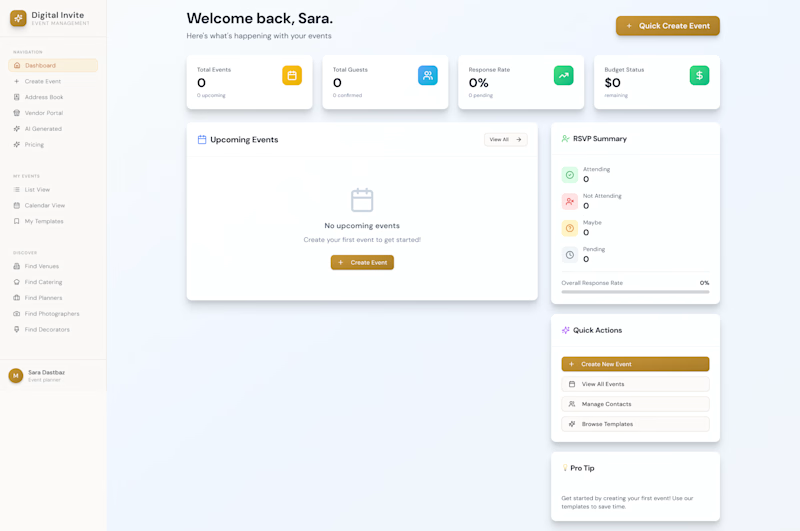
The first design was created by my client using AI a familiar dashboard style you've probably seen across countless AI-generated products.
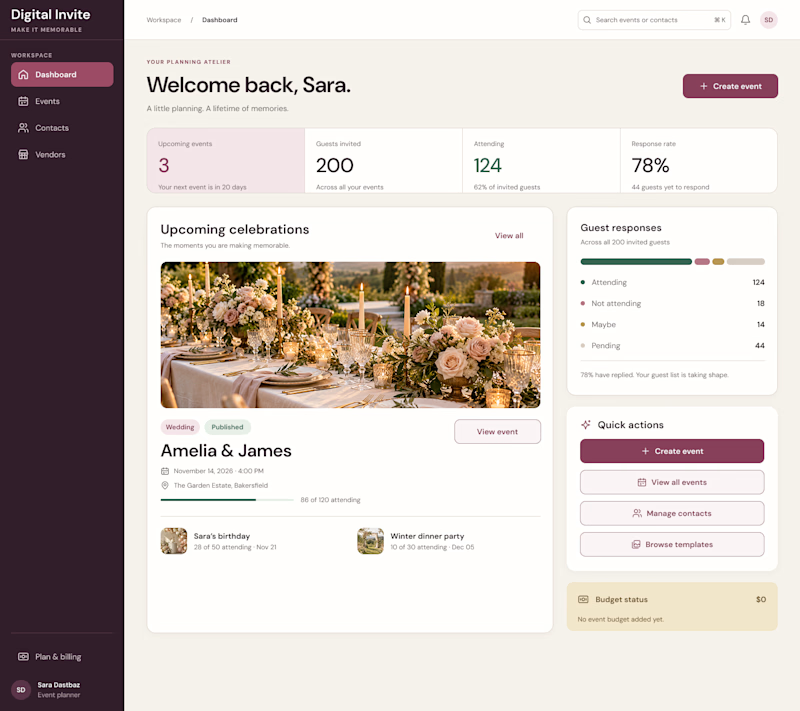
I redesigned it to feel less generic and more intentional, with a distinctive visual identity, clearer hierarchy, and an experience built around meaningful celebrations.
The goal wasn't just to make it look better. It was to make it feel like its own product.
What do you think is missing from most AI-generated interfaces?
#ProductDesign #UIDesign #AI

5 voted
23%
17 voted
77%
22 votes
Closed

I think personality is what makes a product stand out. A clean design is good, but it should also feel unique and memorable. 👏


This is so cool!




Awesome dude