The network for creativity
Join 1.25M professional creatives like you
Connect with clients, get discovered, and run your business 100% commission-free
Creatives on Contra have earned over $150M and we are just getting started
Back to feedPost

𝐋𝐞𝐭’𝐬 𝐭𝐚𝐥𝐤 𝐚𝐛𝐨𝐮𝐭 𝐃𝐞𝐭𝐚𝐢𝐥𝐞𝐝 𝐓𝐚𝐫𝐠𝐞𝐭𝐢𝐧𝐠 𝐢𝐧 𝐌𝐞𝐭𝐚 𝐀𝐝𝐬.
One thing I’ve noticed is that many businesses think targeting on Meta simply means choosing an interest and pressing publish.
It’s a little more than that.
Detailed targeting allows advertisers to give Meta additional signals about the type of people they want their ads to reach — things like interests, behaviors and other available audience characteristics.
For example, if you're advertising a product for fitness enthusiasts, you might use relevant interests to give Meta an idea of the type of audience you're looking for.
𝐁𝐮𝐭 𝐡𝐞𝐫𝐞’𝐬 𝐭𝐡𝐞 𝐢𝐦𝐩𝐨𝐫𝐭𝐚𝐧𝐭 𝐩𝐚𝐫𝐭:
Detailed targeting isn't there to replace your strategy. It’s there to give Meta better signals.
Your offer, creative, messaging, landing page and campaign objective still matter enormously.
And with Meta becoming increasingly good at finding people likely to take the desired action, I don't look at targeting as simply:
“Who can I show this ad to?”
I look at it more like:
“What signals can I give Meta so it has a better understanding of who this offer is for?”
That small shift in thinking can make a big difference in how you build campaigns.
Good targeting gets you closer to the right audience.
Good creative gets their attention.
A good offer gives them a reason to act.
𝐓𝐡𝐚𝐭'𝐬 𝐰𝐡𝐞𝐫𝐞 𝐭𝐡𝐞 𝐫𝐞𝐚𝐥 𝐰𝐨𝐫𝐤 𝐛𝐞𝐠𝐢𝐧𝐬.
#MetaAds #FacebookAds #PaidAdvertising #DigitalMarketing #MarketingStrategy #LeadGeneration

The network for creativity
Join 1.25M professional creatives like you
Connect with clients, get discovered, and run your business 100% commission-free
Creatives on Contra have earned over $150M and we are just getting started





Related posts

𝐎𝐩𝐮𝐬 𝟓.𝟓 + 𝐇𝐢𝐠𝐠𝐬𝐟𝐢𝐞𝐥𝐝 𝐀𝐈 + 𝐇𝐲𝐩𝐞𝐫𝐅𝐫𝐚𝐦𝐞𝐬 = 𝐒𝐢𝐠𝐧𝐮𝐩𝐬
We used this AI-powered launch framework to generate 100s of signups at a fraction of traditional video production costs.
𝐓𝐡𝐞 𝟑-𝐬𝐭𝐞𝐩 𝐩𝐫𝐨𝐜𝐞𝐬𝐬:
𝟏. 𝐂𝐫𝐞𝐚𝐭𝐞
Claude Code → Story & hooks
Higgsfield AI → Visuals, animation & sound
HyperFrames → Code-based animation & rendering
𝟐. 𝐋𝐚𝐮𝐧𝐜𝐡
Publish natively on LinkedIn & X, drive early engagement, then amplify winning content with ads.
𝟑. 𝐂𝐨𝐧𝐯𝐞𝐫𝐭
Identify engaged users → AI-qualify against our ICP → Send a short, personalized launch offer.
Repeat every 2 weeks.
Agencies quoted $2K–$5K for a 45-second video.
Our workflow brought production down to a couple of dollars.
𝐀𝐈 𝐢𝐬𝐧'𝐭 𝐣𝐮𝐬𝐭 𝐜𝐡𝐚𝐧𝐠𝐢𝐧𝐠 𝐜𝐨𝐧𝐭𝐞𝐧𝐭 𝐜𝐫𝐞𝐚𝐭𝐢𝐨𝐧. 𝐈𝐭'𝐬 𝐜𝐡𝐚𝐧𝐠𝐢𝐧𝐠 𝐭𝐡𝐞 𝐞𝐜𝐨𝐧𝐨𝐦𝐢𝐜𝐬 𝐨𝐟 𝐁𝟐𝐁 𝐦𝐚𝐫𝐤𝐞𝐭𝐢𝐧𝐠.

Sales Funnel & Landing Page for a Children’s Educational Product
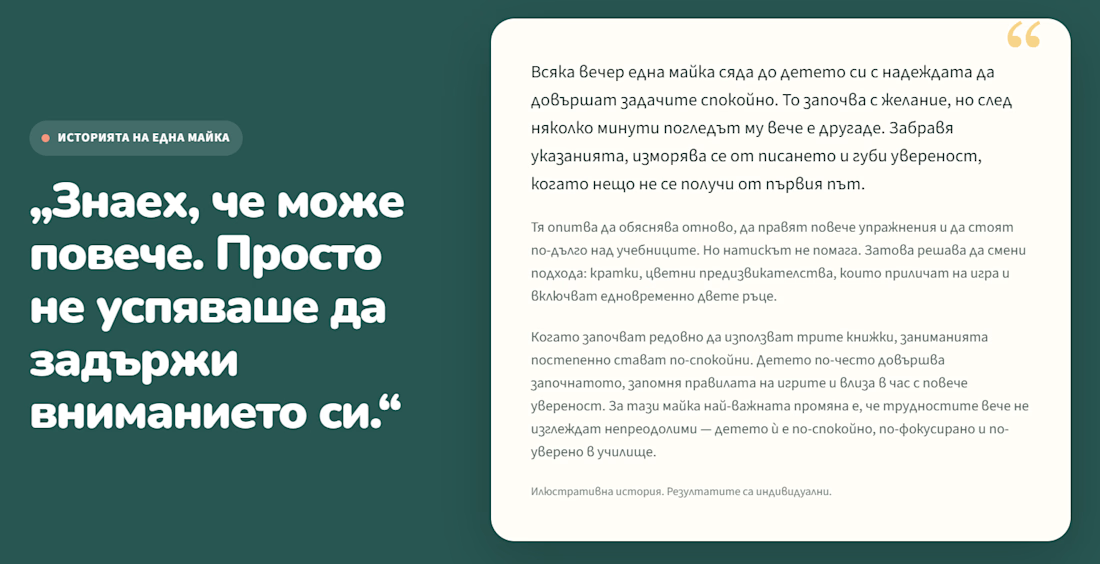
Designed a conversion-focused sales funnel for the educational brand “Малък Гений”. The goal was to create a clear customer journey that builds trust, presents the product benefits, handles objections, and guides parents toward purchasing.
The funnel includes a strong hero section, emotional storytelling, product presentation, social proof, offer positioning, bonuses, and conversion-focused calls to action.
My role: Funnel Strategy, Landing Page Design, Offer Structure & Conversion Optimization.





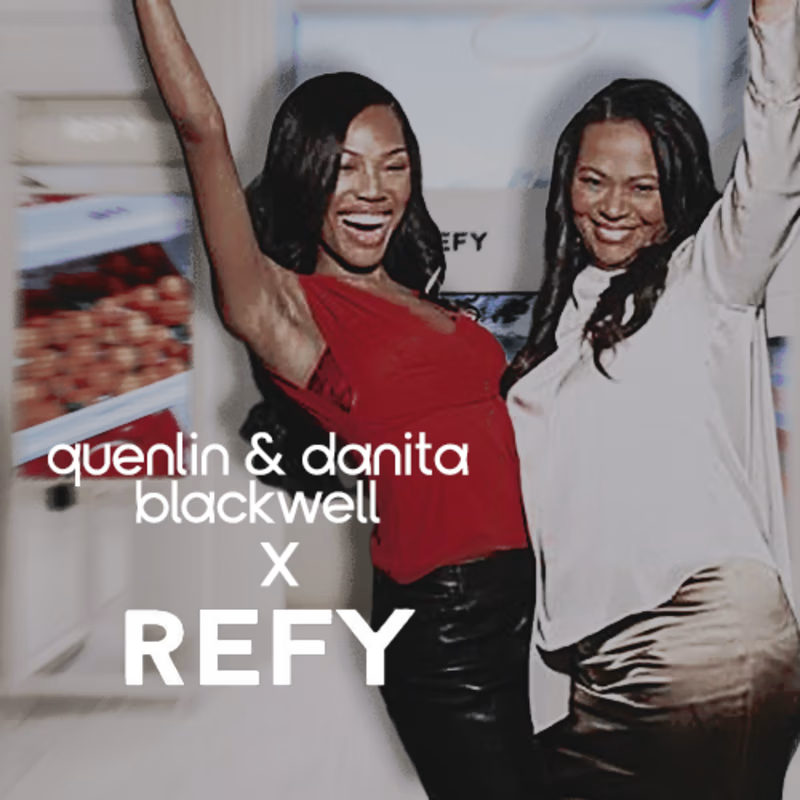
speculative marketing campaign ideas have been HITTING me lately. which would you rather see first? (first of two, we're gonna bracket vote these down.)
happy to answer any questions or hear any takes you might have below!
3 voted
38%

5 voted
62%
8 votes
Closed
