The network for creativity
Join 1.25M professional creatives like you
Connect with clients, get discovered, and run your business 100% commission-free
Creatives on Contra have earned over $150M and we are just getting started
Back to feedPost

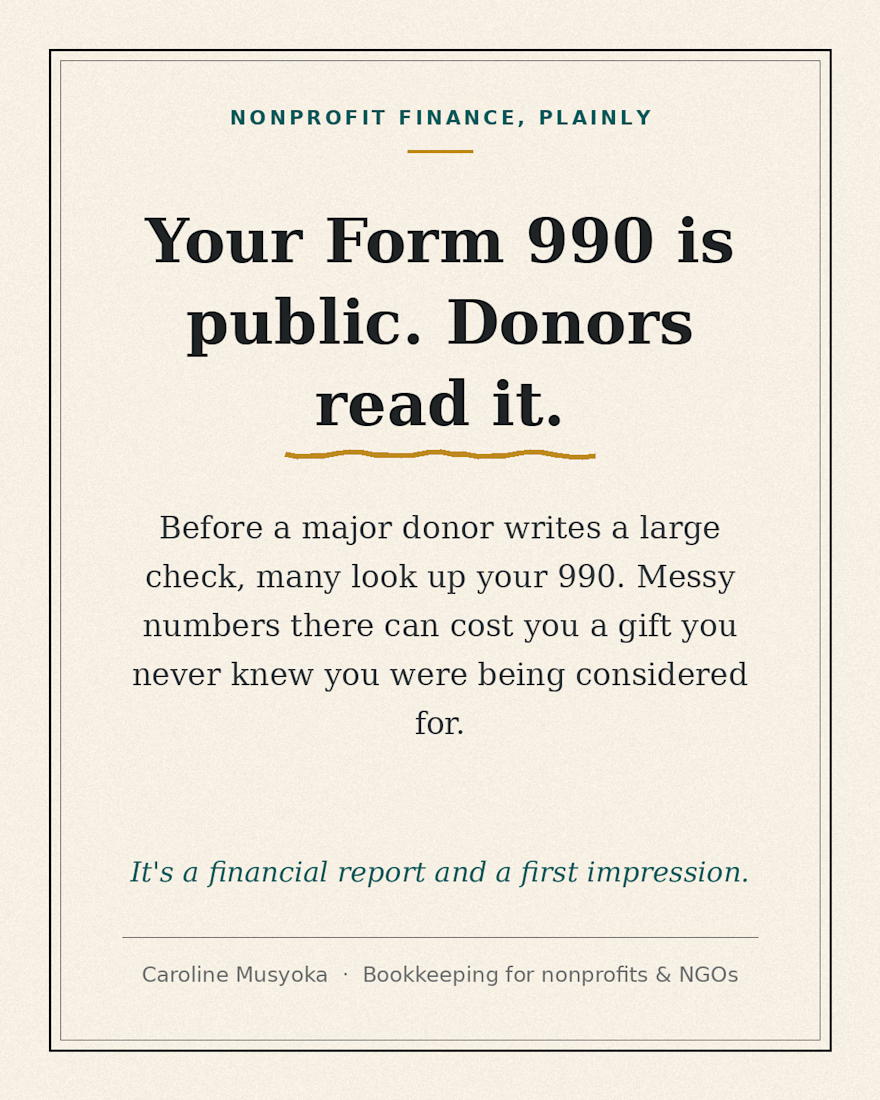
Your Form 990 is public, and donors read it.
Before a major donor writes a large check, many look up your 990. Messy or inconsistent numbers there can cost you a gift you never knew you were being considered for.
It's a compliance filing, but it's also a first impression. Worth making sure it says what you want it to say.
The network for creativity
Join 1.25M professional creatives like you
Connect with clients, get discovered, and run your business 100% commission-free
Creatives on Contra have earned over $150M and we are just getting started











Related posts

Episode 7: Your bank balance is not your income. 💸
As a designer, money reaches you from Stripe, PayPal, Wise, direct transfers and Contra. By the time it lands, fees, currency conversion and delays have already taken a cut, and some of it never gets recorded.
That’s why a monthly bank reconciliation matters. It means matching your bank statement to your books, line by line, so you can:
✅ Spot the client invoice that was never paid
✅ Catch the software subscription you forgot to cancel
✅ Find the processor fees nobody recorded
✅ Know your real profit per project
✅ Reach tax time with clean numbers instead of a panic
It takes about 30 minutes a month. A gap you catch in October is easy to fix. A gap you find a year later is expensive.
#bookkeeping #freelancedesigner #designbusiness #freelancefinance #smallbusiness


You are giving real concepts how finances can be handled


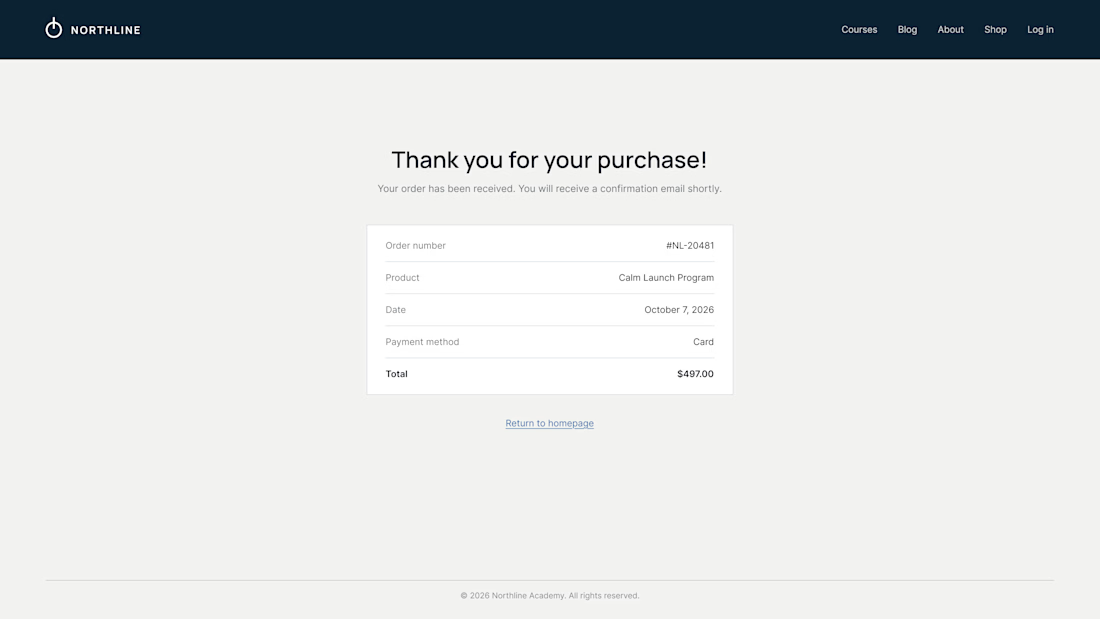
What does your customer see 3 seconds after paying?
On most Kajabi sites it's a plain "Thank you for your purchase" and a receipt. It's the moment of highest trust, and the page offers nowhere to go.
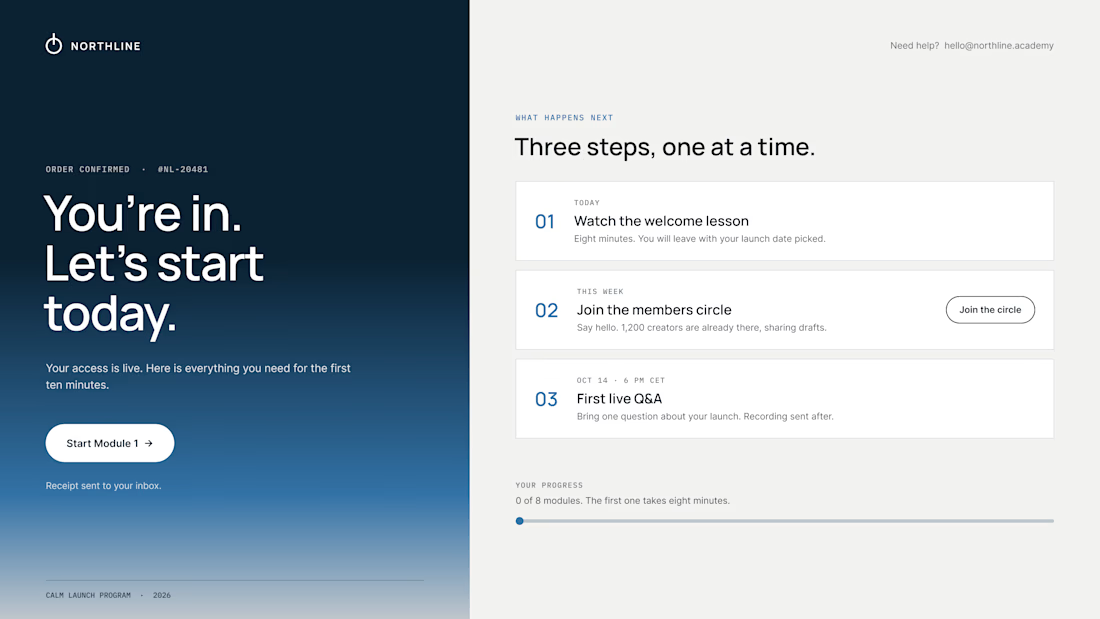
So we design the thank-you page as the first page of the course:
01 – One clear first step. "Start Module 1" sits above everything else. Momentum beats confirmation.
02 – A visible "what happens next". Today, this week, the first live call, with a calendar button. Clear dates calm the doubts that come right after paying.
03 – Proof they're in the right place. A link to the community, a human email they can reply to, progress at 0 of 8.
The receipt still lives in the inbox. It just isn't the headline.
Same brand, same colors. The only difference is where the page leads.
What did the last thank-you page you saw actually ask you to do?


Love the focus on making the experience feel simple for users.

I was talking to a prospective client for my bookkeeping business.
She asked what are the key benefits of hiring a bookkeeper. I was semi-prepared with an answer:
1. Saves Time - frees you from daily data entry, reconciliations, and invoice tracking so you can focus on growing your business.
2. Financial Accuracy - prevents calculation errors, misclassified expenses, and messy records that lead to lost tax deductions.
3. Better Cash Flow Management - tracks incoming and outgoing money to help you spot shortfalls early and pay bills on time.
4. Smoother Tax Preparation - keeps year-round records organized, making tax season faster and reducing audit risks.
5. Clearer Strategic Insights - generates clean financial reports (like P&L and balance sheets) that inform budgeting and hiring decisions.
6. Cost-Effective Scaling - outsourcing or hiring a part-time bookkeeper is often more affordable than maintaining a full-time in-house accounting department.
Wondering what I missed? What else do you tell your clients when they ask this question?
I’d add peace of mind! 😊 Business owners shouldn’t have to guess whether they can afford their next hire or investment. Good bookkeeping helps them make those decisions with confidence, not just keep track of what’s already happened.