The network for creativity
Join 1.25M professional creatives like you
Connect with clients, get discovered, and run your business 100% commission-free
Creatives on Contra have earned over $150M and we are just getting started
Back to feedPost

Hey everyone 👋
I'm a software engineer who also works hands-on at a plant nursery — and that combination led me to build an online catalog for it: vivero.website
It is very simple for now. A few things it does:
- Smart search — customers can type something like "shade-tolerant plant, low water" and get relevant matches without knowing the exact plant name (built on embeddings)
- Each plant has a detailed care page (watering, sun exposure, size, bloom season, etc.)
- The catalog is managed through a simple Notion database — no custom admin panel, just a table
- Language selection - Spanish/English
I'd love feedback: what do you like, what's confusing or missing? And I'm genuinely curious — for those of you who've used Notion as a lightweight backend for something like this, how has that experience been for you or for non-technical people you've built it for? Trying to gauge if it's a good long-term choice or something I should eventually move away from.
My goal during development was to better master Next.js, learn how to connect and configure vector search (still does not work perfectly), make Notion as a CMS, it seemed convenient to me, since it has rich import/export capabilities and quick editing of content, API, etc. I haven’t followed the development of such sites for a long time, I was working on other things - 2D/3D graphic applications for the web. And I feel like I'm reinventing the wheel.
Also — if anyone here have similar business and wants something like this for themselves, happy to chat. I can build it out end-to-end

vivero.website
Vivero Karu-lemu en Villarrica | Plantas nativas y exoticas en catalogo online
Explora el catalogo de plantas nativas y exoticas del Vivero Karu-lemu en Villarrica: precios, disponibilidad y caracteristicas de cada especie.
The network for creativity
Join 1.25M professional creatives like you
Connect with clients, get discovered, and run your business 100% commission-free
Creatives on Contra have earned over $150M and we are just getting started





Related posts

Hey everyone! 👋
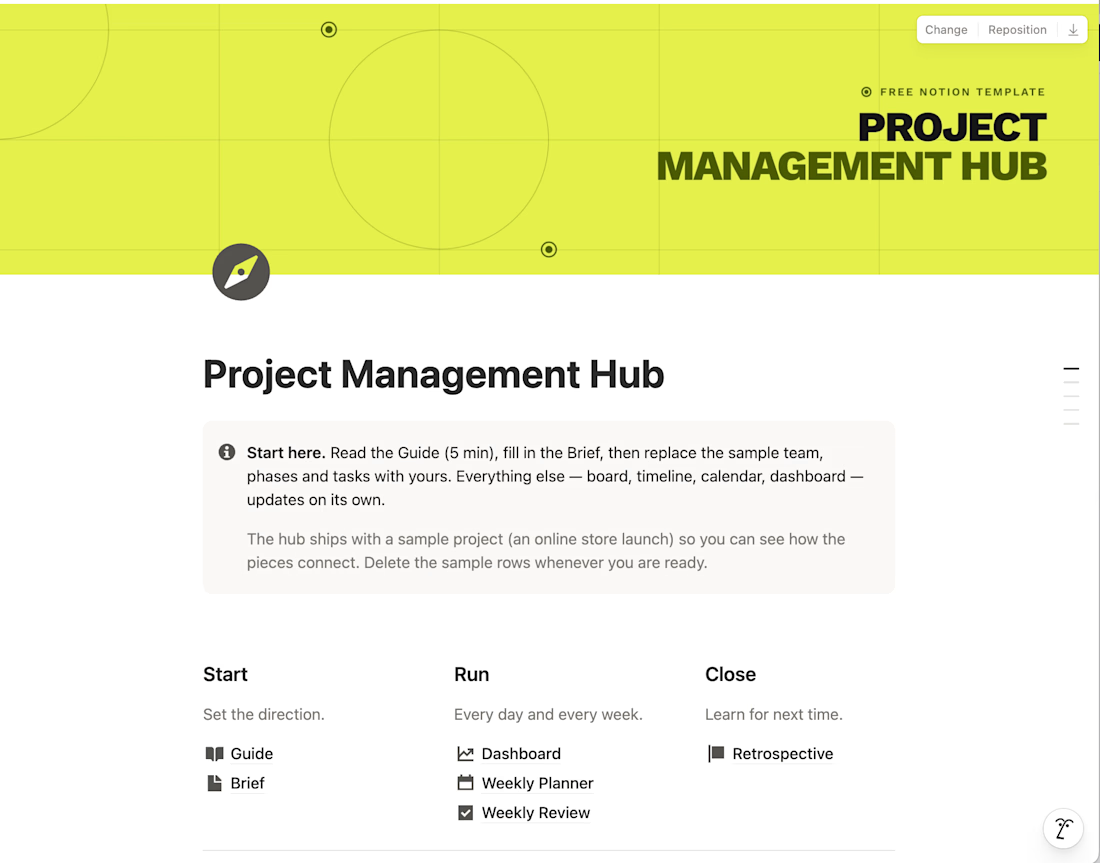
I built a Project Management Hub in Notion to run projects from brief to retrospective in one calm, minimalist workspace. It's for sale on Gumroad, but I'm sharing it for free with the Contra community.
It includes a guide, project brief, dashboard, weekly planner and review, plus 7 linked databases (tasks, phases, team, budget, risks and more). A sample project shows how everything connects.
It's for your personal use only, so please keep it within the Contra network.
Hope it helps! Let me know what you think 🙌



Love this!!

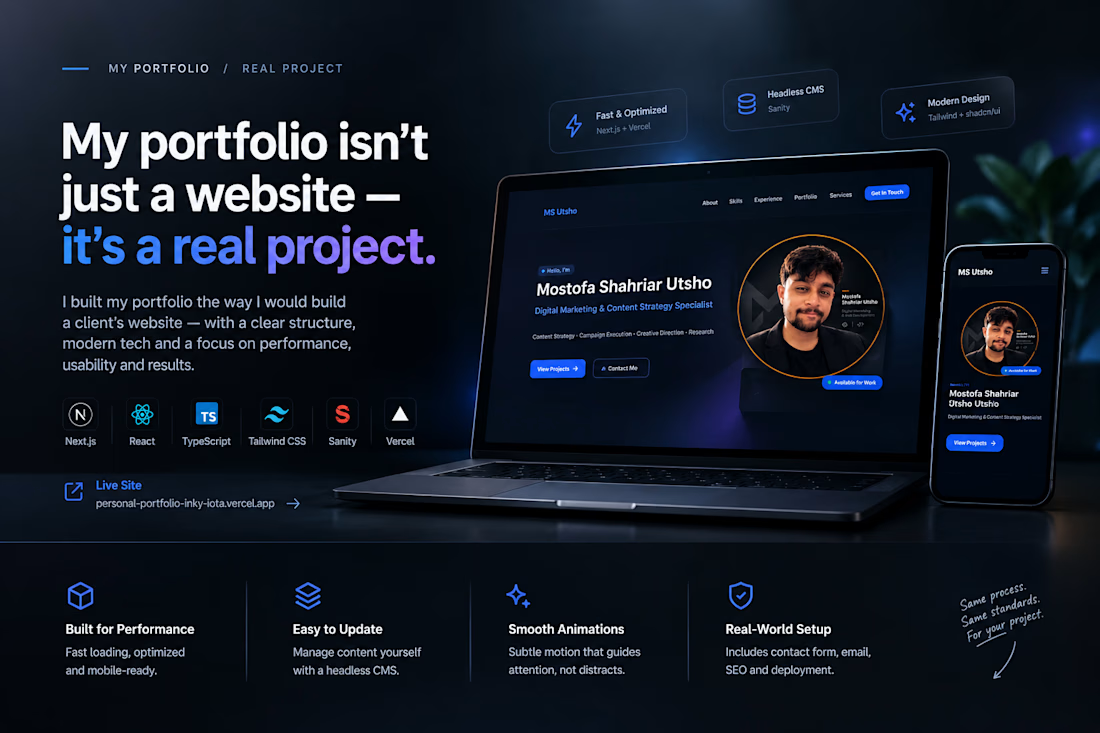
A fast, easy-to-manage portfolio website, built the way I build business websites for clients.
The site runs on Next.js with Server Components, so pages arrive with their content already in place for visitors and search engines. All content, including projects, services, experience and contact details, is managed in Sanity CMS. Updates happen in a dashboard, not in code, so no developer is needed for each change.
What went into it:
Next.js, React 19 and TypeScript for the foundation.
Tailwind CSS v4 and shadcn/ui for a consistent, responsive design system.
Framer Motion and GSAP for scroll animations that guide attention.
AVIF and WebP images at multiple sizes for lighter pages.
A server-side contact form with validation and email delivery through Resend.
Finally it was deployment on Vercel.😍
Test results: performance grade 83, 923.6 KB total page size, 2.16 s load time, 25 requests.
If you need a business website, e-commerce store or landing page with a CMS you can manage yourself, this is the kind of build you can expect.


Showing the stack next to the live site makes this read like a real case study.

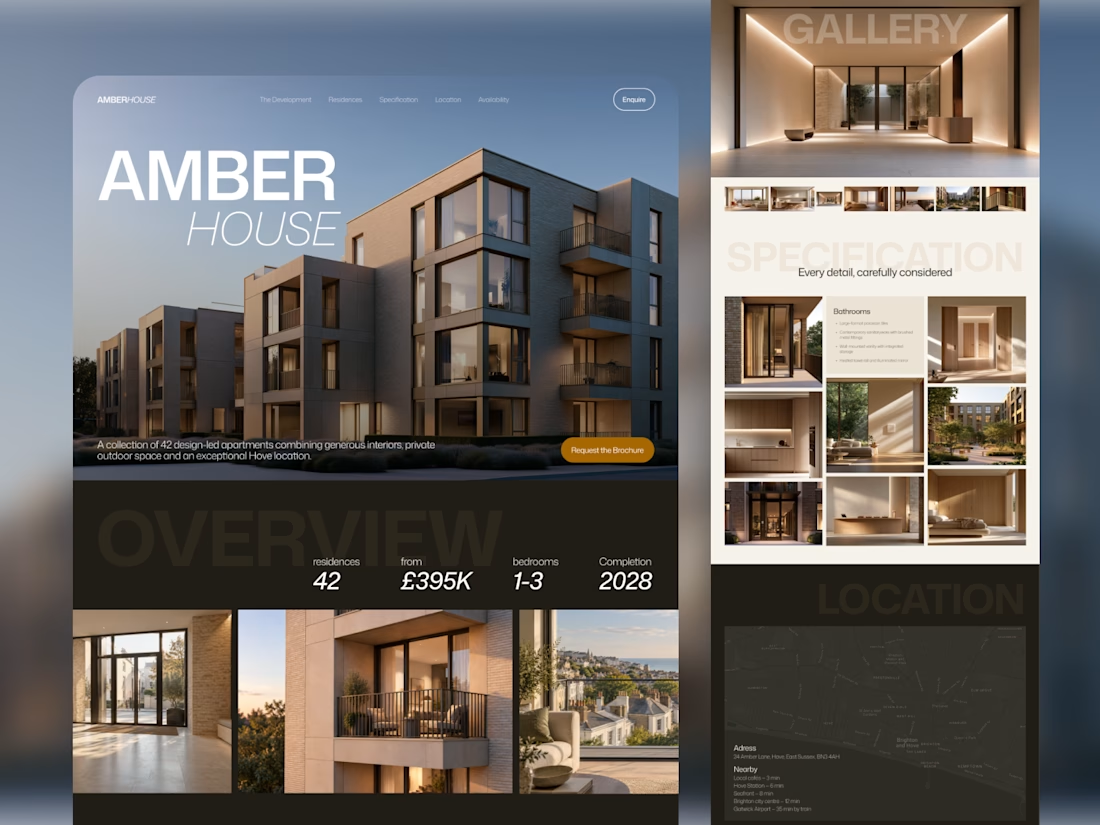
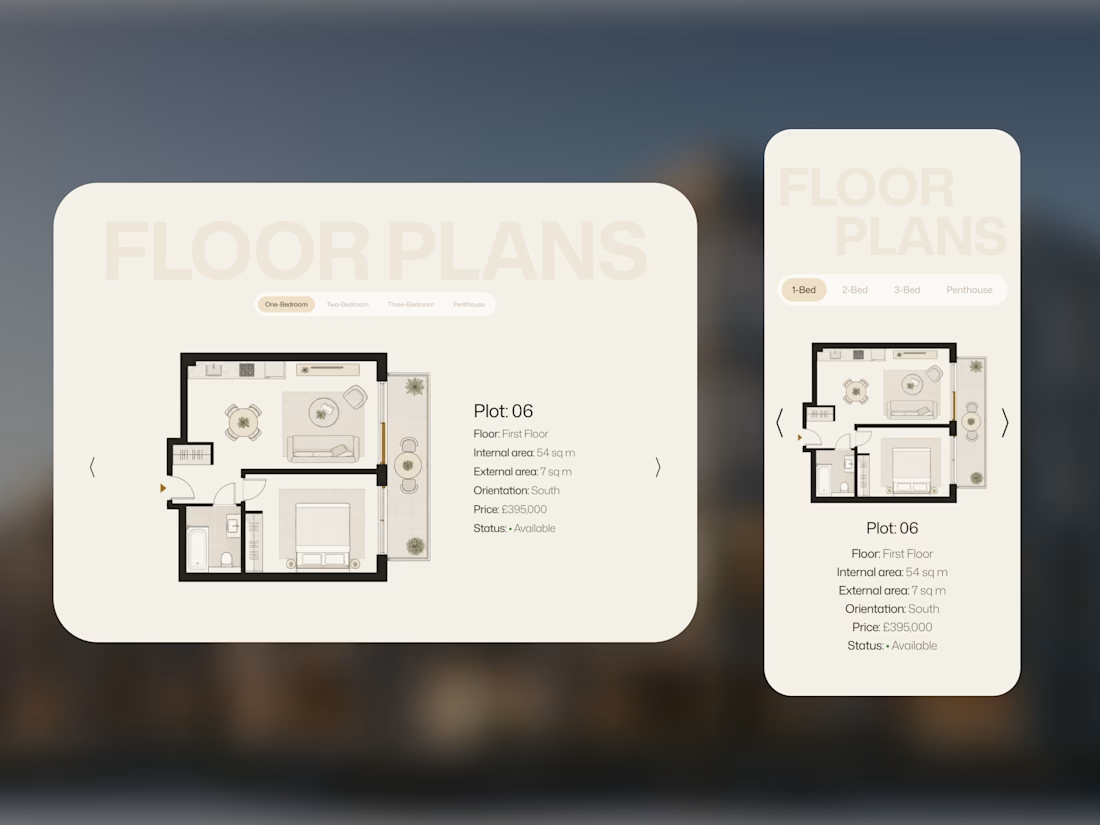
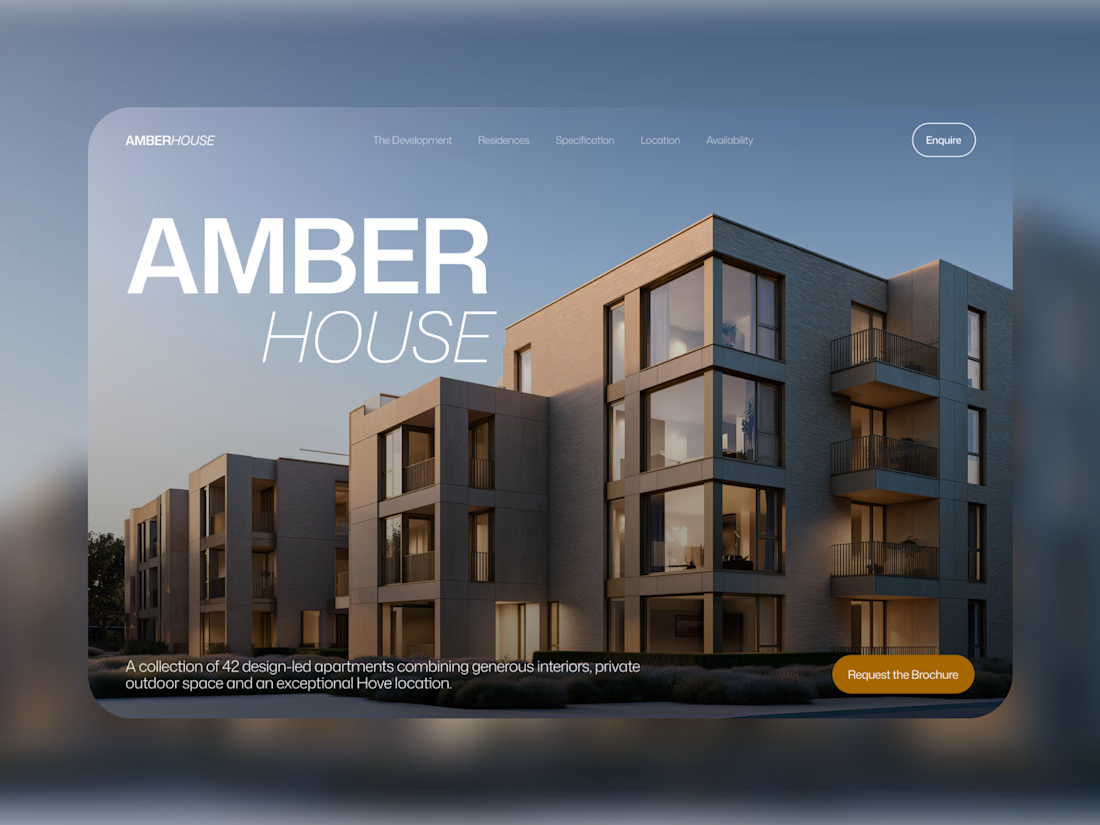
A Webflow template for a new-build residential development: one sales page that takes a buyer from first impression to enquiry.
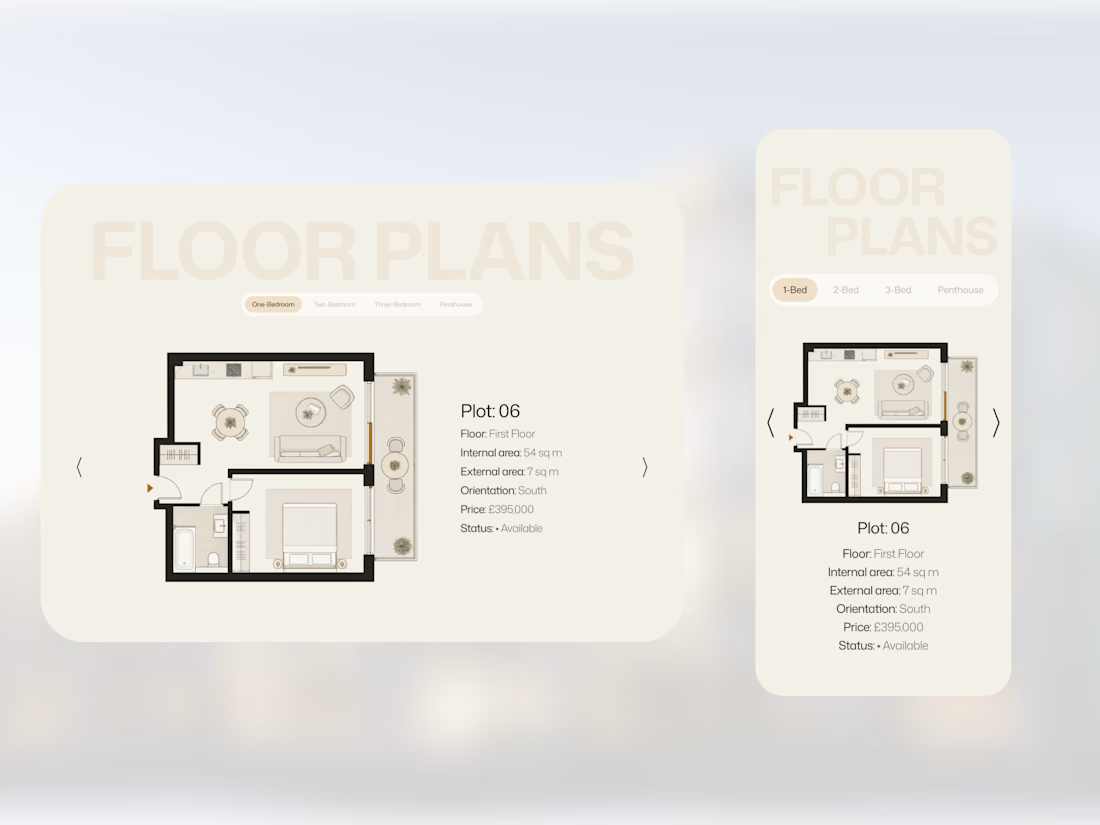
Includes residence types, a floor-plan browser filtered by apartment type, an availability table that switches to cards on mobile, a gallery, specification, location, FAQ and an enquiry form with residence preference. Plots and floor plans run on the CMS, so a sales team can update prices and status without touching the layout.
Built on reusable components and a variables-based style system, with a style guide page, SEO meta and Open Graph setup, and responsive behaviour across all breakpoints.
Concept project — brand and content are fictional.



well done