The network for creativity
Join 1.25M professional creatives like you
Connect with clients, get discovered, and run your business 100% commission-free
Creatives on Contra have earned over $150M and we are just getting started
Back to feedPost

A full-stack RAG application that answers questions from a team's own documents, with every answer cited to the source document and page. I designed, built, tested and deployed it end to end:
document ingestion with content-based file validation;
semantic search with PostgreSQL + pgvector;
streaming answers over Server-Sent Events, with server-side citation verification;
multi-tenant workspaces with role-based access;
usage metering with quotas and a cost dashboard;
a crash-safe PostgreSQL job queue.
Deployed as a public demo on free tiers (Vercel, Render, Supabase) with hard caps on AI spend.
Citations verified against the retrieved passages; unsupported answers return "not found"
Tenant isolation in every query; Supabase Data API locked down (verified on production)
Durable ingestion queue (SKIP LOCKED, leases, retries): kill -9 under load lost nothing
Costs reserved before every AI call; per-user, per-workspace and deployment-wide caps
Data-driven model migration (5 configurations evaluated; about 74% cheaper per answer)
1,099 backend + 393 frontend tests; load-tested; encrypted, restore-verified backups
https://knowledgepilot-ai-olive.vercel.app/


The reservation before the AI call is the detail most teams miss: you can add cost metering later, but you cannot un-spend the money after a runaway loop. On the crash-safe queue, with SKIP LOCKED plus leases, what happens to a lease held by a worker that is alive but stuck, do...
The network for creativity
Join 1.25M professional creatives like you
Connect with clients, get discovered, and run your business 100% commission-free
Creatives on Contra have earned over $150M and we are just getting started


Related posts

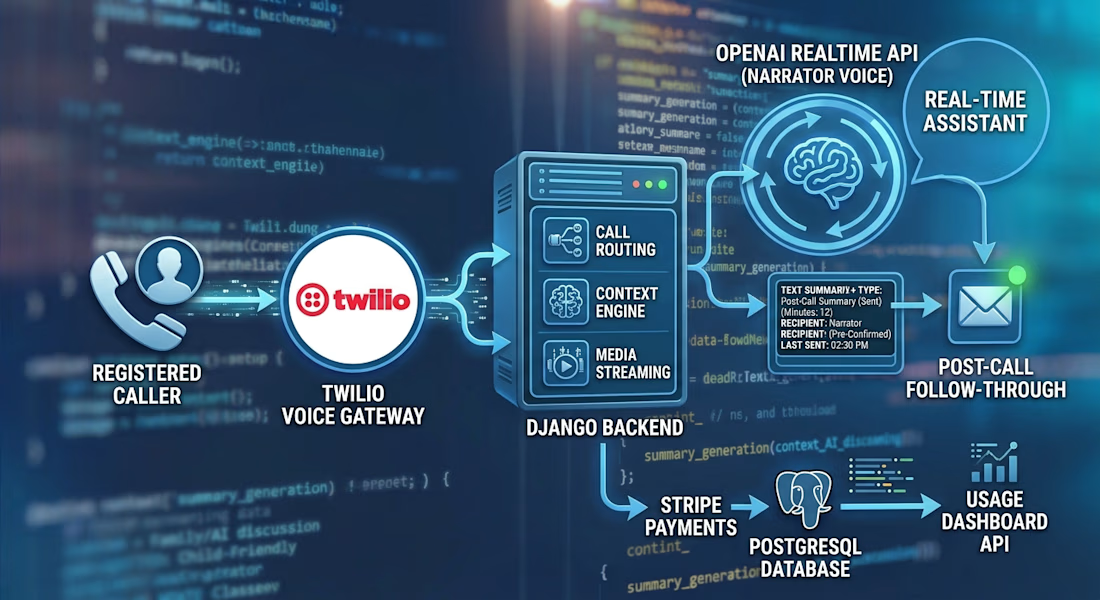
Building a Voice AI Assistant That Turns Phone Calls Into Thoughtful Follow‑Through
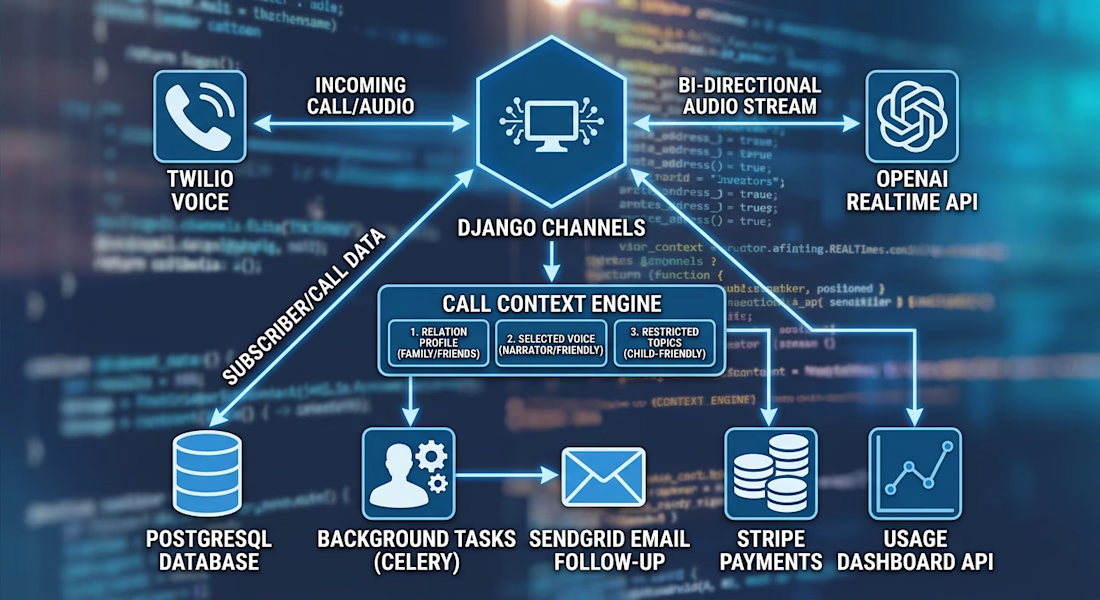
I built a Django backend for a family-focused AI phone assistant. A registered caller connects through Twilio, and Django Channels streams the call to an OpenAI Realtime session for a natural, two-way conversation.
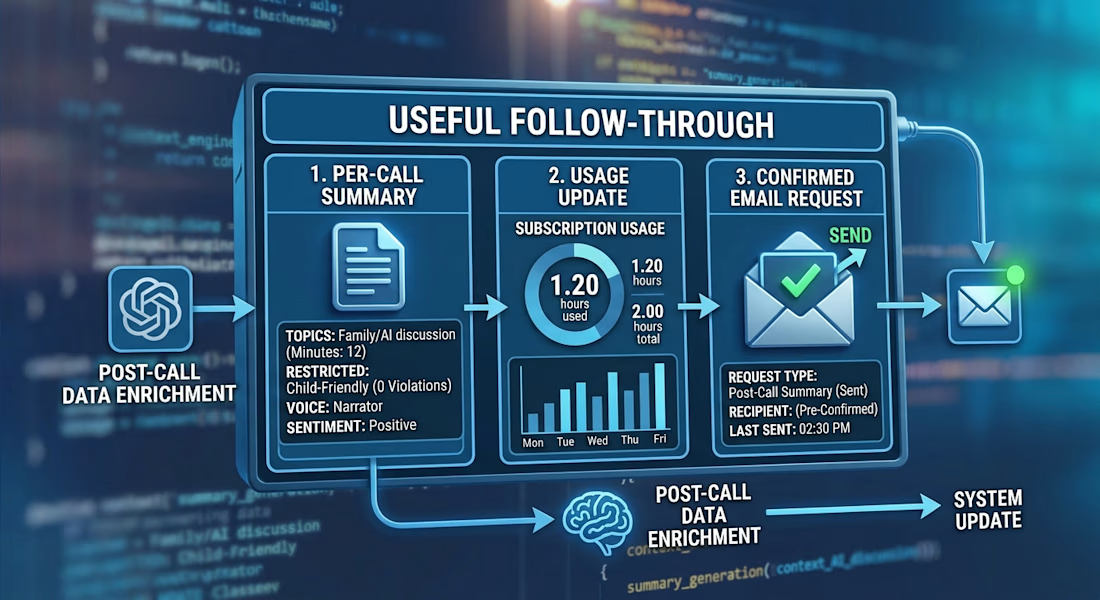
The backend adds caller-specific context, selected voices, subscription minute limits, and interruption handling. After the call, background tasks generate a separate summary. A follow-up email is sent only when requested and the recipient is confirmed.
I also built APIs for managing relations, subscriptions, and dashboard usage data. One of the most interesting parts was connecting the whole lifecycle: incoming call, real-time conversation, usage tracking, and post-call follow-through.
#Django #VoiceAI #RealtimeAI #Twilio #OpenAI #BackendDevelopment




Bangles — A Playful Video.js v10 React Skin
I built Bangles, a vibrant, jewelry-inspired React video player skin for Video.js v10. Instead of a standard monochrome player, it wraps the video in a warm gradient frame with a colorful, bead-style segmented timeline and a bold, tactile yellow play trigger.
Designed for lifestyle, creator, and e-commerce experiences, Bangles pairs playful aesthetics with full accessibility—dynamically adapting to system themes, RTL/LTR directions, reduced motion, and high-contrast preferences.

Great work 👏🏻

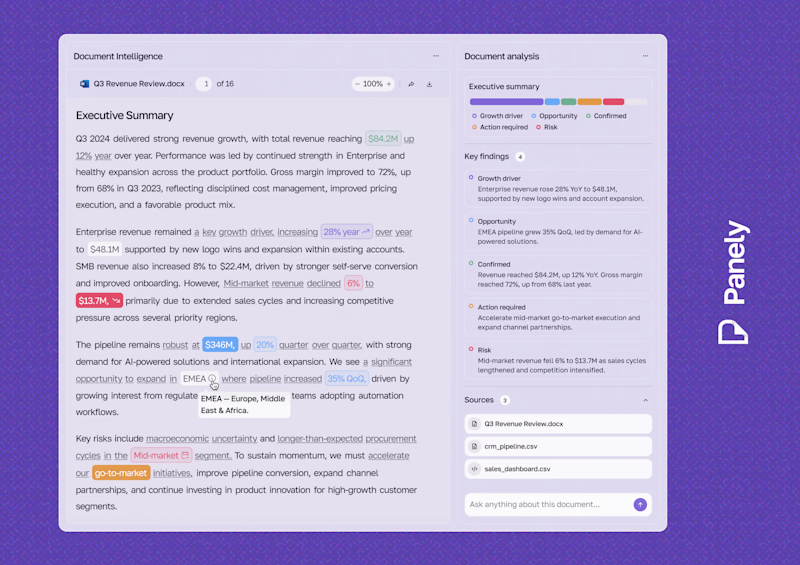
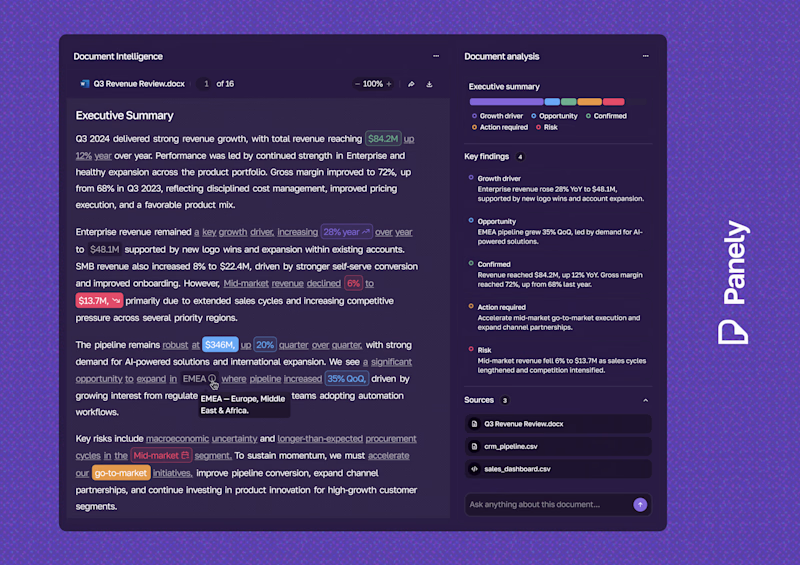
Document Intelligence UI — dark & light.
Review documents, highlight key insights, and surface risks, opportunities, and actions with AI.

0 voted
0%
3 voted
100%
3 votes
Closed

The dark theme looks especially sharp.