The network for creativity
Join 1.25M professional creatives like you
Connect with clients, get discovered, and run your business 100% commission-free
Creatives on Contra have earned over $150M and we are just getting started
Back to feedPost

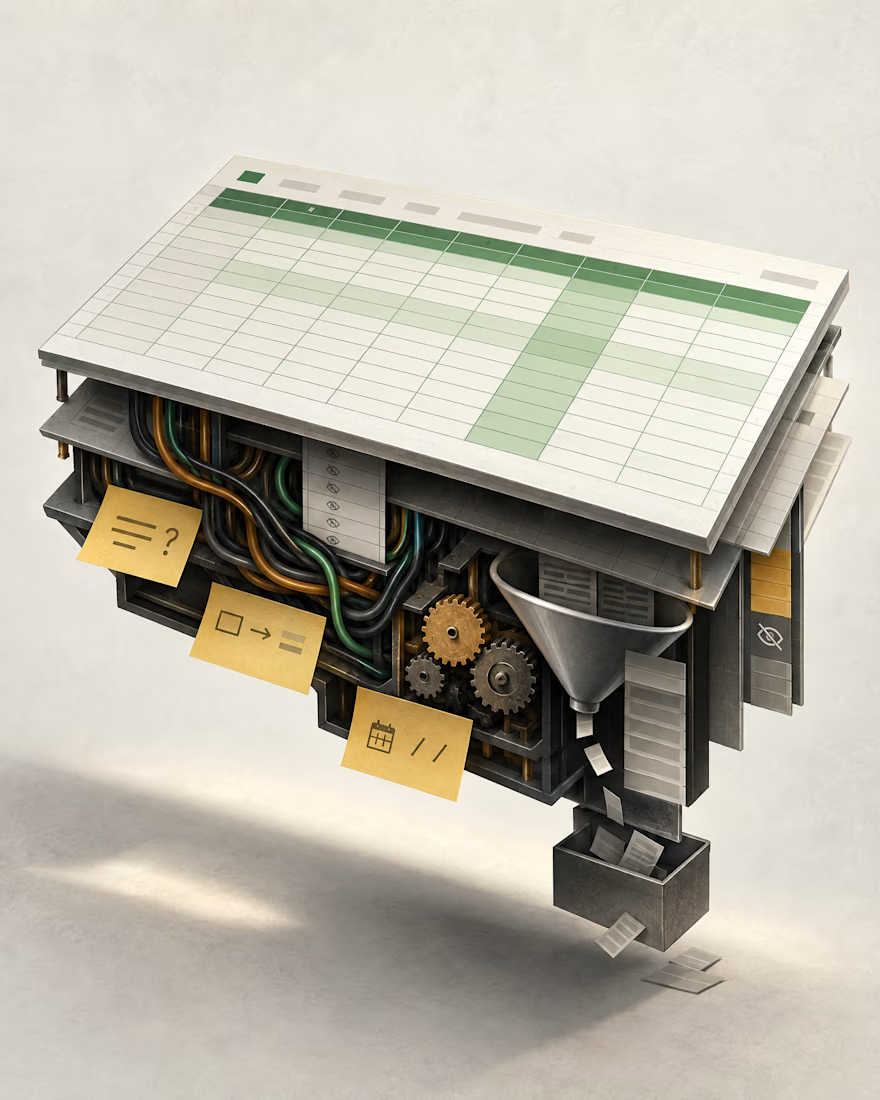
Every template you borrow comes with decisions somebody else made for you.
Take an Excel template for tracking sales. A date format, a rule for how blanks are treated, a hidden column feeding a formula, a default filter that leaves out last year. None of it is necessarily wrong. It’s just not yours, and you won’t notice until a number looks off and you can’t tell which assumption caused it.
The same thing happens with copied code, a starter project, or a system prompt pasted in from somewhere else. It works well enough on day one, so nobody reads it line by line.
What helps is treating a template like a dependency instead of a draft. For each line, ask whether you would have written it for your situation. If yes, keep it. If not, delete it or make an explicit decision about it. Then try it on a few inputs it was never designed for.
I wrote about how this plays out with AI system prompts, where an inherited instruction can quietly pull against your own rules: https://medium.com/@nagatomopedro05/the-decisions-hidden-inside-every-template-6ddb8715c24e
What’s the most surprising thing you’ve found hiding inside a template you thought you understood?


Inherited system prompts are the sneakiest version of this. When I build with Claude I keep a short list of rules I chose on purpose, so a borrowed instruction that conflicts stands out instead of quietly winning.
The network for creativity
Join 1.25M professional creatives like you
Connect with clients, get discovered, and run your business 100% commission-free
Creatives on Contra have earned over $150M and we are just getting started








Related posts


The cat stretching to maximum stretch as the password grows is such a playful way to make password strength feel rewarding instead of annoying. Make it long, like my naps is a headline that sticks too.

This is for all of us building with Ai…
Stop asking AI to "make it look pretty" and expecting a miracle. You’re just going to get the same boring layout as 500 other companies.
Watch this before you build another piece of AI slop
Don’t say i didn’t do anything for you 🌝🤲🏽… And yesss, I was shouting because the Ai design slop is too much😂


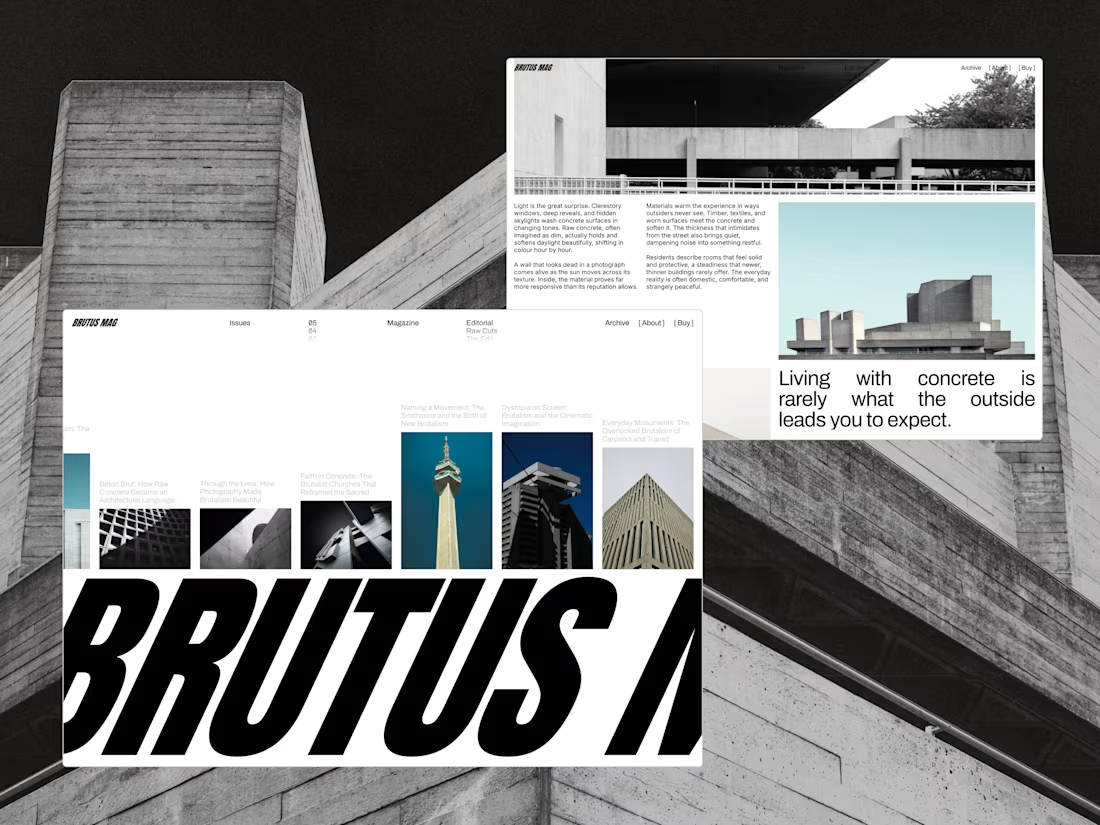
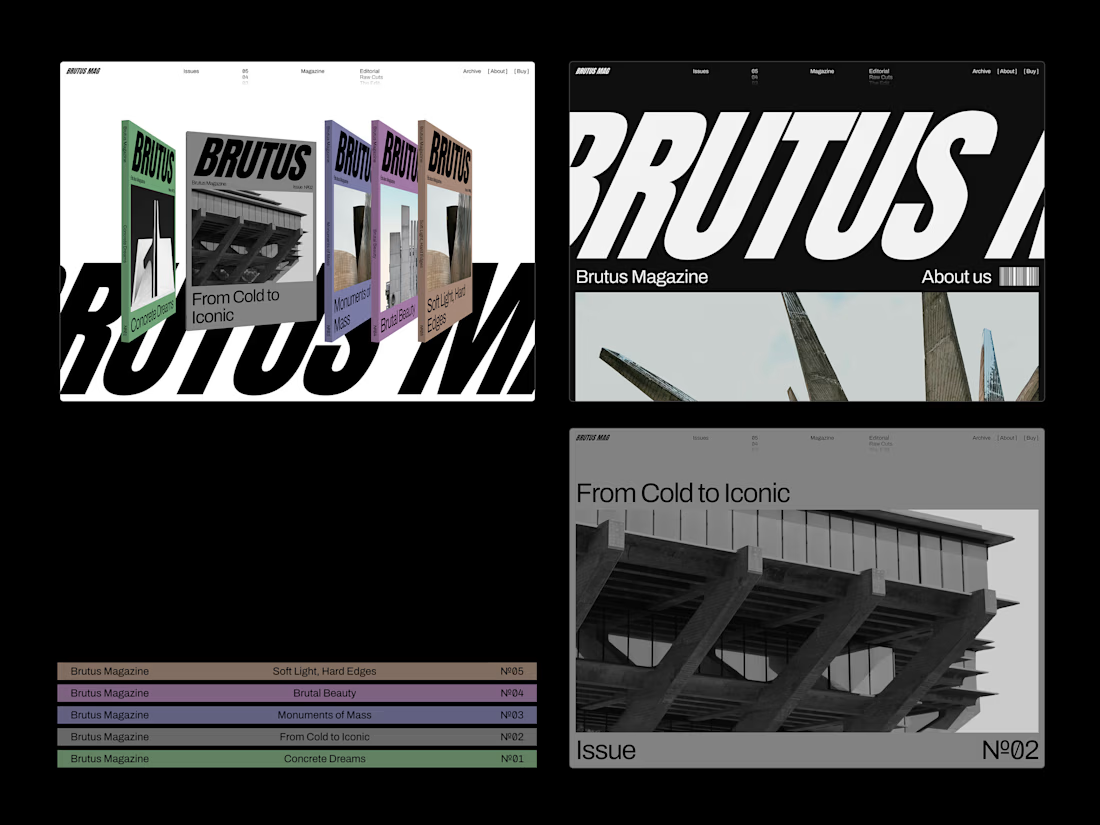
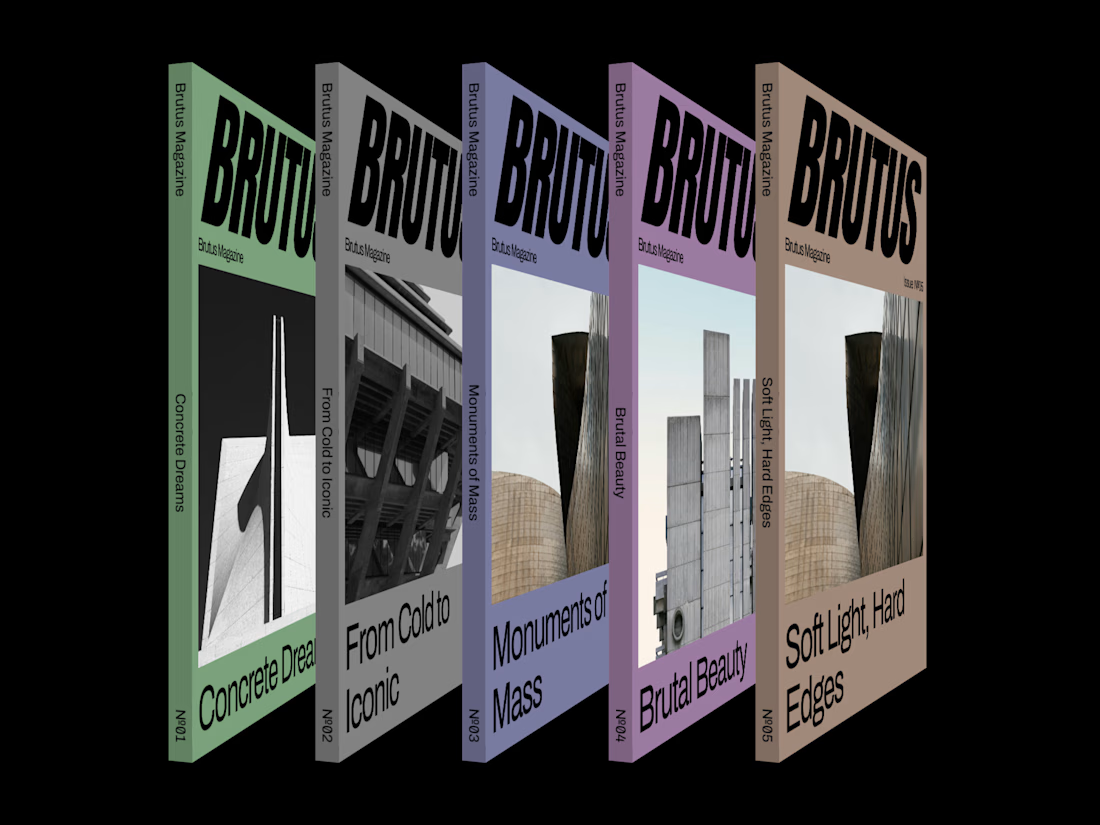
BRUTUS takes its inspiration from brutalist (editorial) design: restrained grids, oversized typography, issue based CMS, strong contrast and very little decoration.
The result is bold and direct, while the underlying system remains clear and minimal. It gives the content a distinct identity without adding unnecessary visual complexity.
The design is intentionally outspoken, while leaving enough room for the content to define each issue.
https://www.framer.com/marketplace/templates/brutus/