The network for creativity
Join 1.25M professional creatives like you
Connect with clients, get discovered, and run your business 100% commission-free
Creatives on Contra have earned over $150M and we are just getting started
Back to feedPost

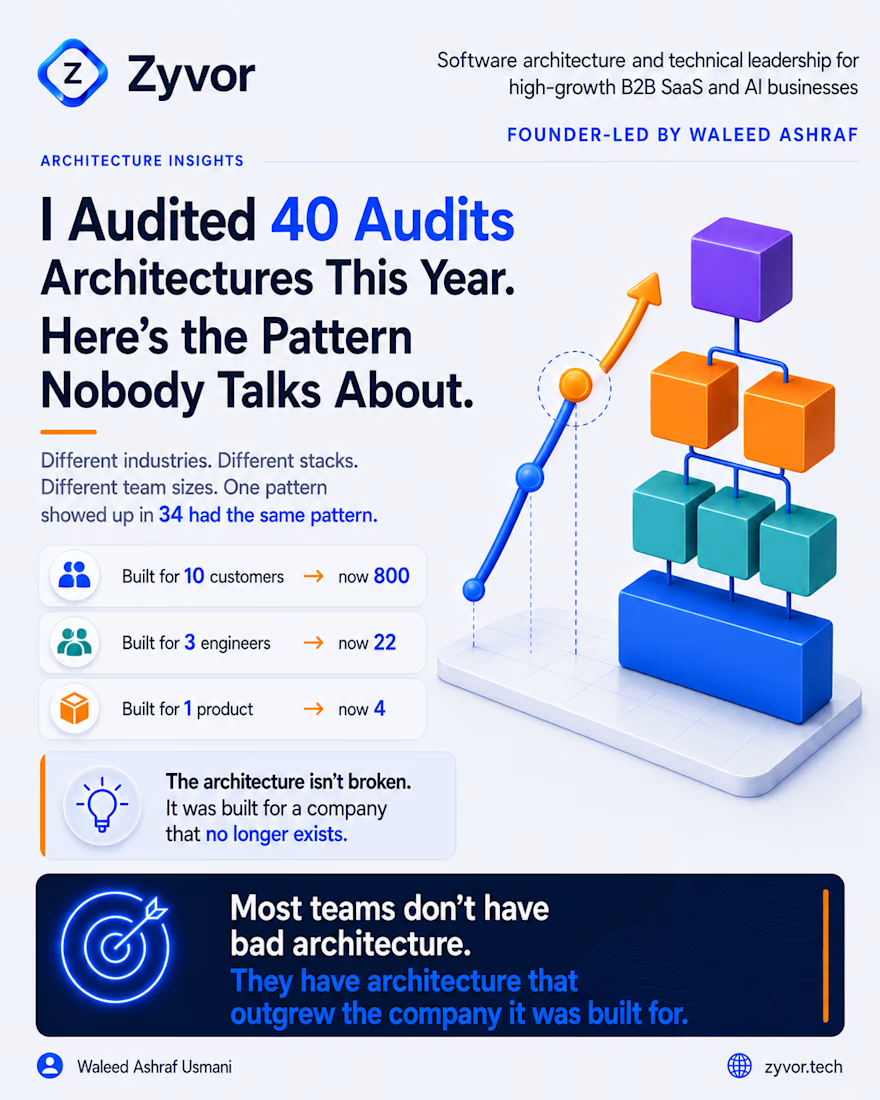
𝗜 𝗔𝘂𝗱𝗶𝘁𝗲𝗱 𝟰𝟬 𝗦𝗮𝗮𝗦 𝗔𝗿𝗰𝗵𝗶𝘁𝗲𝗰𝘁𝘂𝗿𝗲𝘀 𝗧𝗵𝗶𝘀 𝗬𝗲𝗮𝗿. 𝟯𝟰 𝗛𝗮𝗱 𝘁𝗵𝗲 𝗦𝗮𝗺𝗲 𝗣𝗿𝗼𝗯𝗹𝗲𝗺.
⠀
Different industries.
⠀
Different technology stacks.
⠀
Different team sizes.
⠀
But one pattern appeared in 34 of them.
⠀
It was not bad code.
⠀
It was not weak engineers.
⠀
It was not even necessarily a bad decision when the system was first built.
⠀
The pattern was this:
⠀
𝗧𝗵𝗲 𝗮𝗿𝗰𝗵𝗶𝘁𝗲𝗰𝘁𝘂𝗿𝗲 𝘄𝗮𝘀 𝗯𝘂𝗶𝗹𝘁 𝗳𝗼𝗿 𝗮 𝗰𝗼𝗺𝗽𝗮𝗻𝘆 𝘁𝗵𝗮𝘁 𝗻𝗼 𝗹𝗼𝗻𝗴𝗲𝗿 𝗲𝘅𝗶𝘀𝘁𝗲𝗱.
⠀
The system was designed for 10 customers.
⠀
The company now had 800.
⠀
It was designed for three engineers.
⠀
The team now had 22.
⠀
It was designed for one product.
⠀
The business now operated four.
⠀
Nobody intentionally redesigned the architecture around the new reality.
⠀
The team simply kept adding to what already existed.
⠀
Here is what that looks like in practice:
⠀
→ A database schema from year one still determines how the entire product models data
⠀
→ An authentication system built for one tenant is repeatedly extended to support enterprise SSO
⠀
→ A deployment process designed for one team now serves four teams that regularly block each other
⠀
→ A service boundary created for an early MVP now limits every new integration
⠀
→ A reporting layer built for basic usage now struggles with enterprise-scale data
⠀
The architecture is not always broken.
⠀
𝗜𝘁 𝗶𝘀 𝗼𝗳𝘁𝗲𝗻 𝘀𝗶𝗺𝗽𝗹𝘆 𝗼𝘂𝘁𝗱𝗮𝘁𝗲𝗱 𝗳𝗼𝗿 𝘁𝗵𝗲 𝗯𝘂𝘀𝗶𝗻𝗲𝘀𝘀 𝗿𝘂𝗻𝗻𝗶𝗻𝗴 𝗼𝗻 𝘁𝗼𝗽 𝗼𝗳 𝗶𝘁.
⠀
That is why many founders do not notice the problem immediately.
⠀
Nothing completely fails.
⠀
Instead:
⠀
• Delivery becomes slower
⠀
• Small changes require more coordination
⠀
• Incidents become harder to diagnose
⠀
• Engineering costs rise
⠀
• Every new feature carries more risk
⠀
The system still works.
⠀
It just becomes progressively more expensive to change.
⠀
The answer is not always a complete rewrite.
⠀
Often, the better move is identifying which 20% of the system is still carrying assumptions from year one—and rebuilding only the parts limiting the next stage of growth.
⠀
𝗚𝗼𝗼𝗱 𝗮𝗿𝗰𝗵𝗶𝘁𝗲𝗰𝘁𝘂𝗿𝗲 𝗱𝗼𝗲𝘀 𝗻𝗼𝘁 𝗼𝗻𝗹𝘆 𝘀𝘂𝗽𝗽𝗼𝗿𝘁 𝘁𝗵𝗲 𝗽𝗿𝗼𝗱𝘂𝗰𝘁 𝘆𝗼𝘂 𝗵𝗮𝘃𝗲.
⠀
𝗜𝘁 𝗺𝘂𝘀𝘁 𝘀𝘂𝗽𝗽𝗼𝗿𝘁 𝘁𝗵𝗲 𝗰𝗼𝗺𝗽𝗮𝗻𝘆 𝘆𝗼𝘂 𝗮𝗿𝗲 𝗯𝗲𝗰𝗼𝗺𝗶𝗻𝗴.
⠀
When your architecture was designed for a company five times smaller than the one you run today, growing complexity is not a coincidence.
⠀
It is the pattern.
⠀
— Waleed Ashraf Usmani
Fractional CTO & Software Architect
B2B SaaS & AI Systems | SaaS, AI, Web & Mobile Product Architecture
The network for creativity
Join 1.25M professional creatives like you
Connect with clients, get discovered, and run your business 100% commission-free
Creatives on Contra have earned over $150M and we are just getting started
Trending
retrofuturism
Share your favorite designs from the past exploring the distant future. Or your own take on the aesthetic 🚀
halftone
Dots. Texture. Grain. Let's see your designs using the halftone technique.

Midjourney
Creatives are showing off what they're making with Midjourney.
colorgrade
Video editors sound off: How do you enhance the mood of your video in color grading?





Related posts

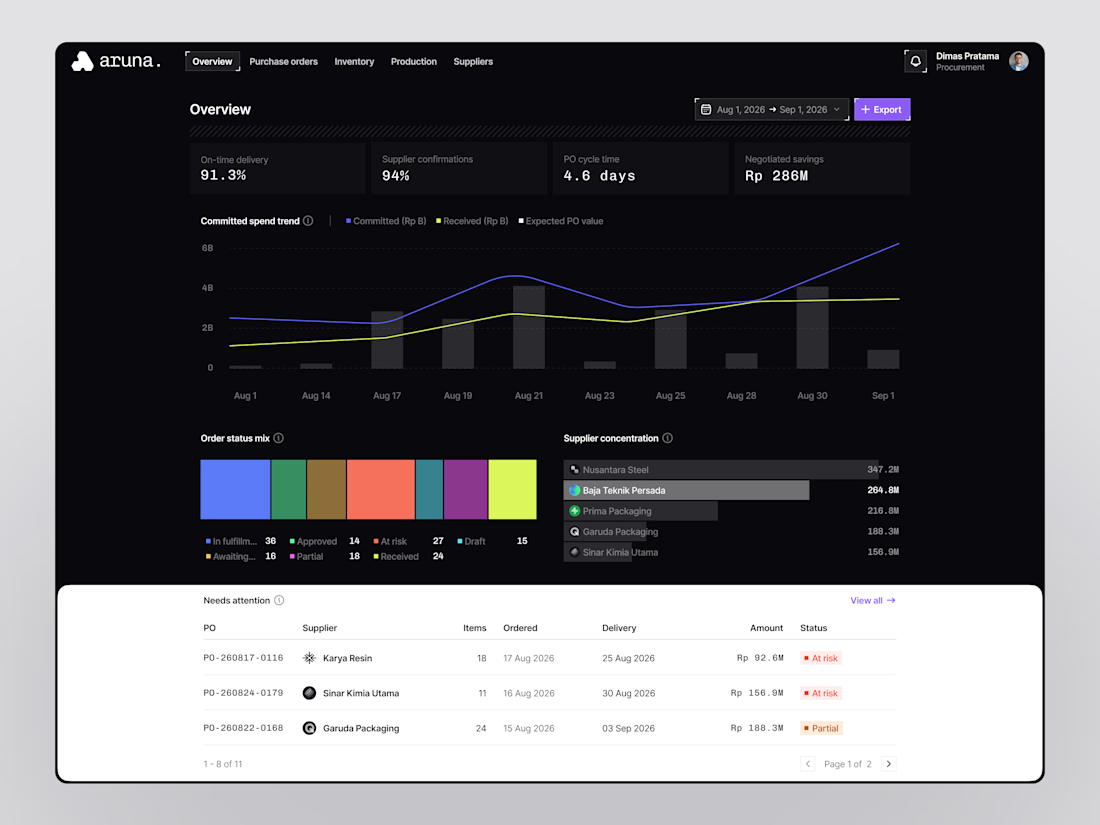
Aruna. Manufacturing Procurement System
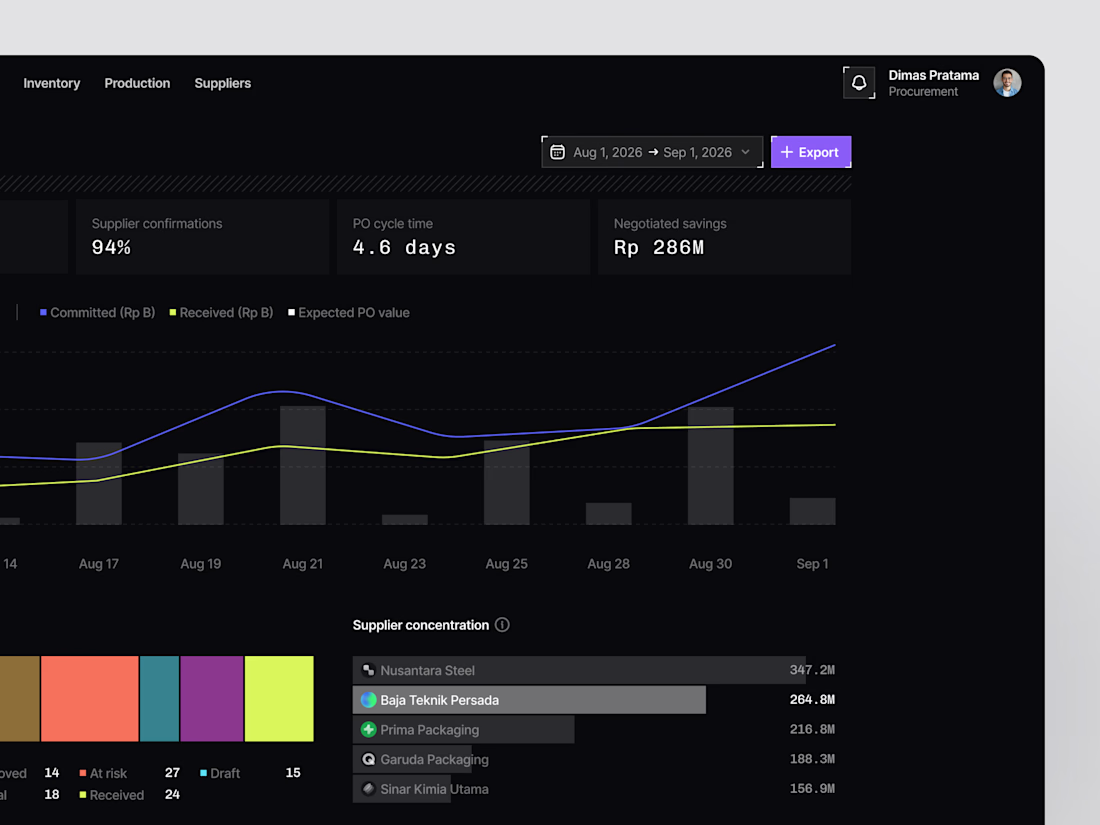
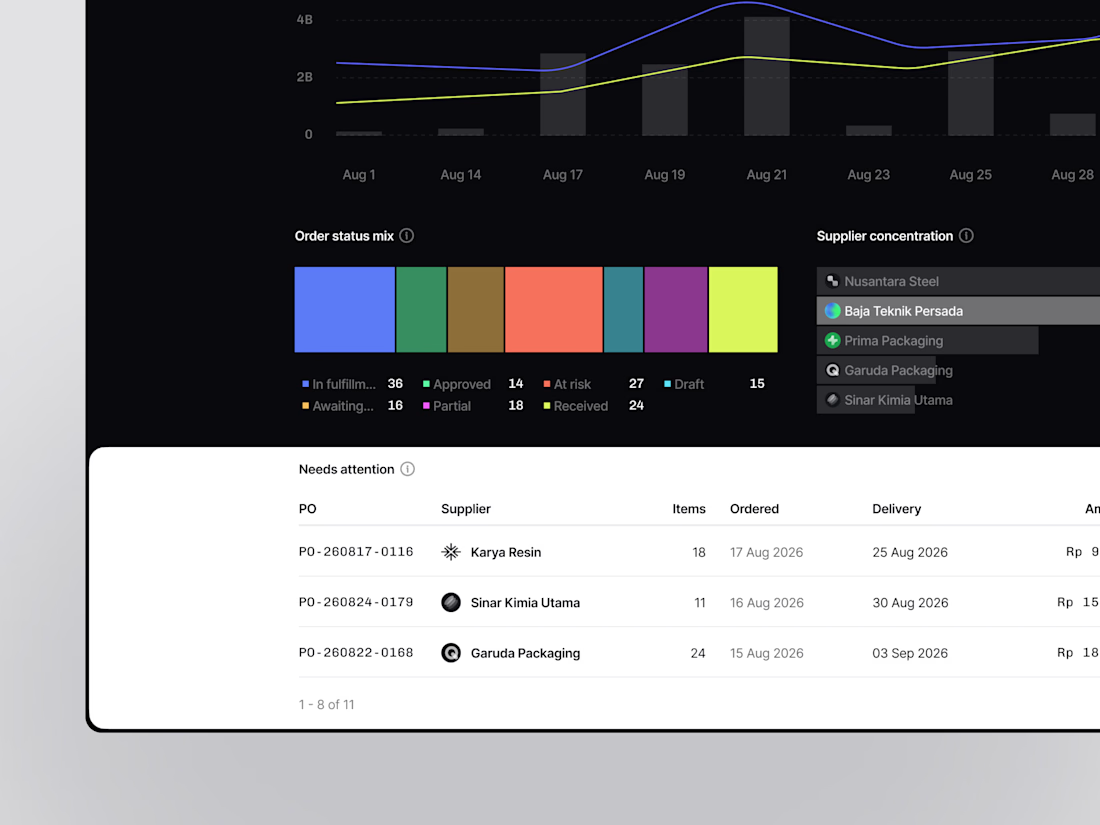
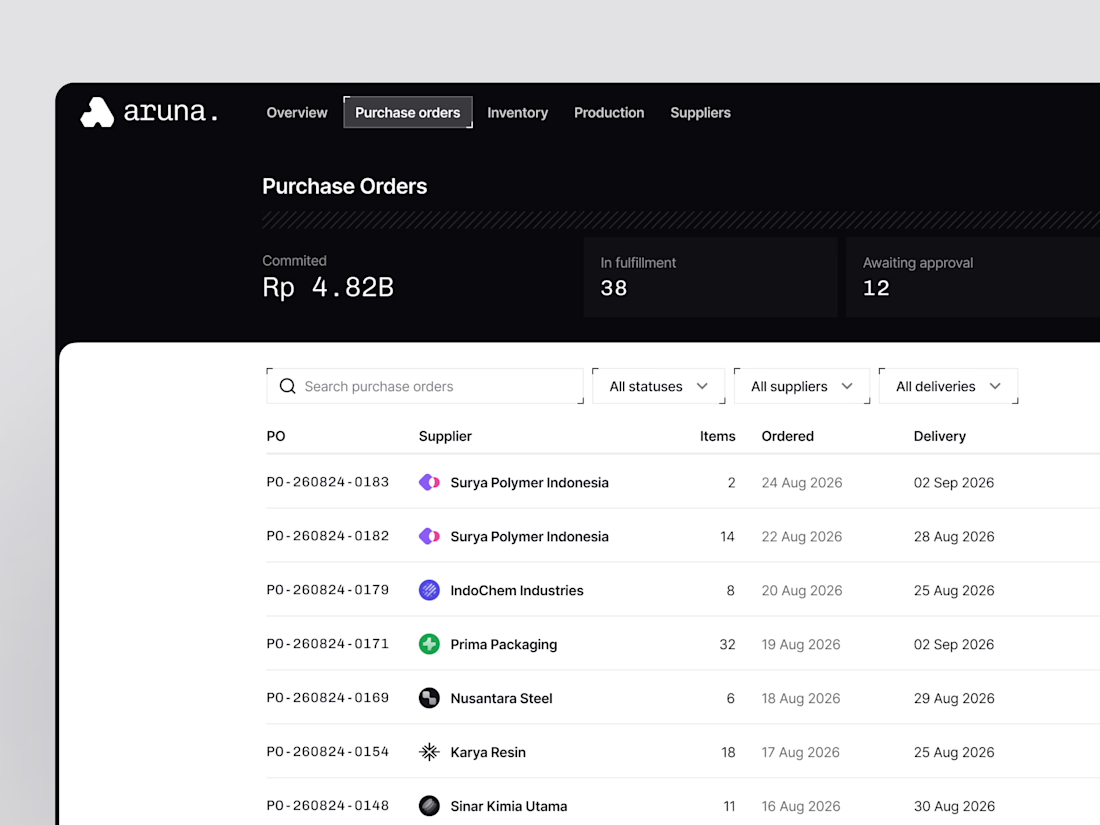
An interface study exploring how procurement software can stay operationally dense without becoming visually overwhelming.
Aruna gives manufacturing teams a clearer view of purchasing commitments, supplier performance, delivery risks, approval states, and overall procurement activity.
The visual direction is intentionally restrained: strong information hierarchy, compact data presentation, attention-based status semantics, and subtle industrial motifs inspired by manufacturing environments.
The goal was simple:
Design something with enough character to feel intentional, but grounded enough to feel production-ready.



Creative work

Three years ago, we built a service provider booking app (plumbers, carpenters, electricians) from scratch, fully custom code. Took close to 4 months to get live.
Today, with AI tools like Claude and ChatGPT in the workflow, I think a comparable MVP could realistically ship in 4-6 weeks. The boilerplate and repetitive work compress fast, matching logic and payment edge cases still need real engineering judgment.
If you had to rebuild something similar today, what timeline would you expect?


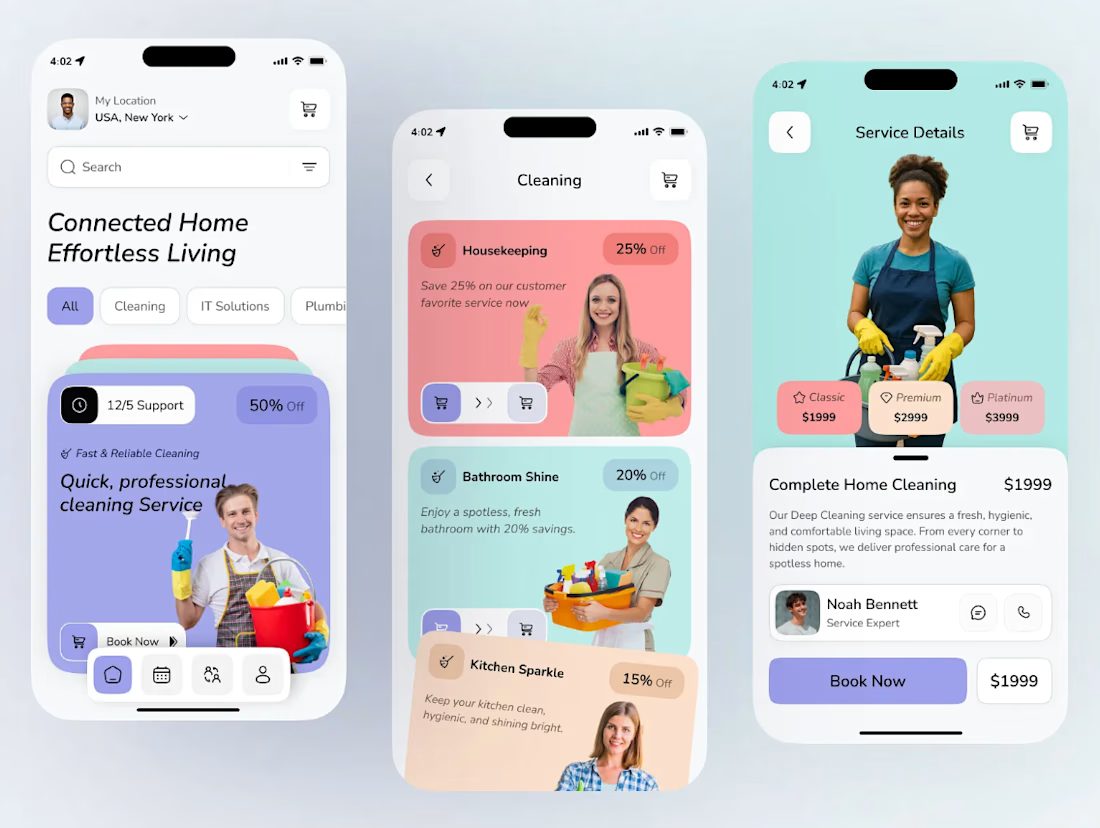
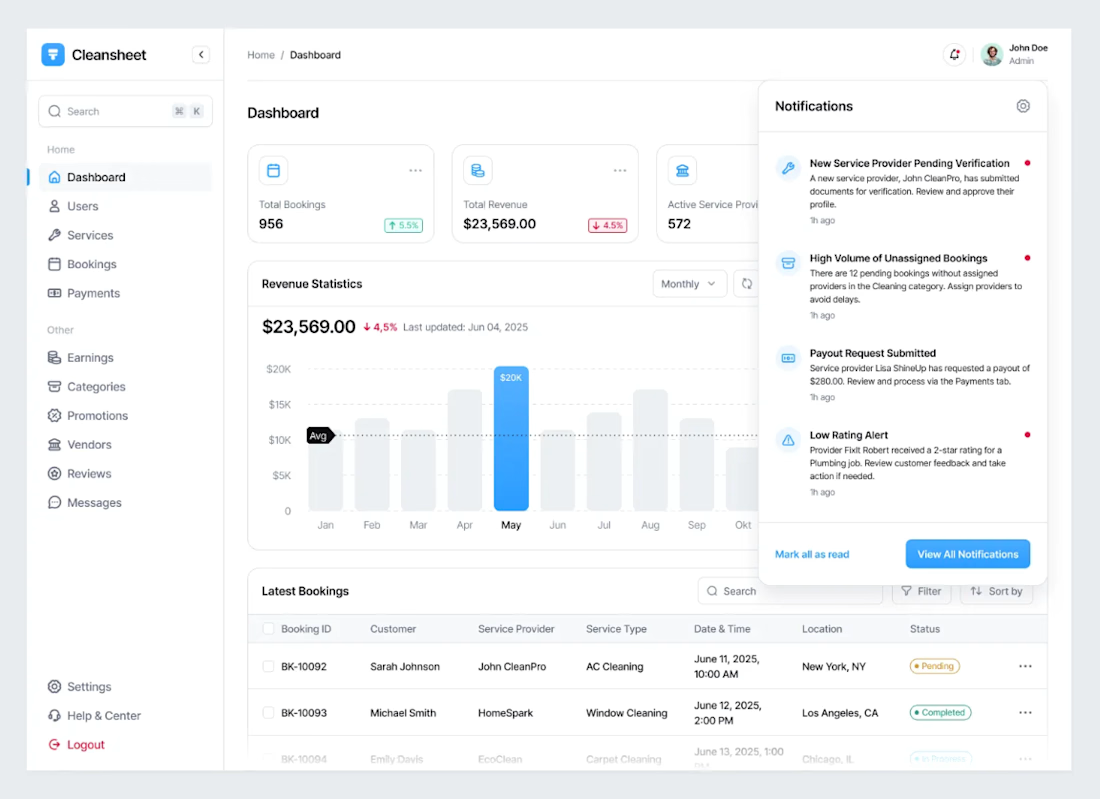

Agreed. The other thing AI does not shorten is the feedback loop with real providers and payment processors, onboarding a live Stripe Connect account, waiting on payout tests, chasing a plumber to finish a test booking. That calendar time is fixed no matter how fast the code ships.

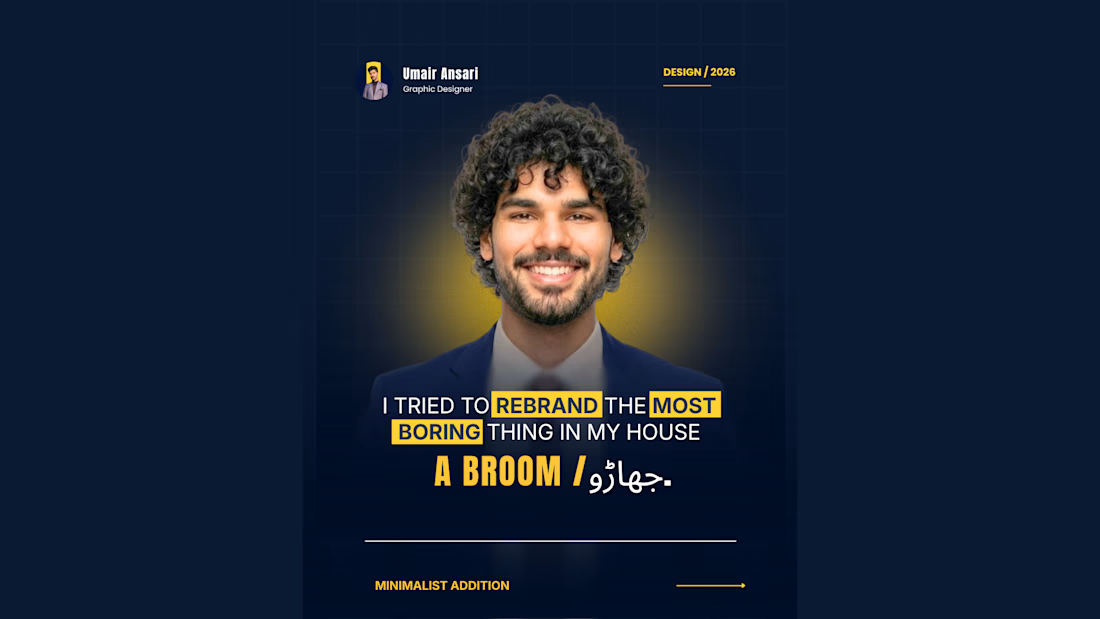
𝗜 𝗿𝗲𝗯𝗿𝗮𝗻𝗱𝗲𝗱 𝘁𝗵𝗲 𝗺𝗼𝘀𝘁 𝗯𝗼𝗿𝗶𝗻𝗴 𝗼𝗯𝗷𝗲𝗰𝘁 𝗶𝗻 𝗺𝘆 𝗵𝗼𝘂𝘀𝗲.
𝗔 𝗯𝗿𝗼𝗼𝗺.
Just an old broom standing in the corner, doing a job nobody ever stops to notice.
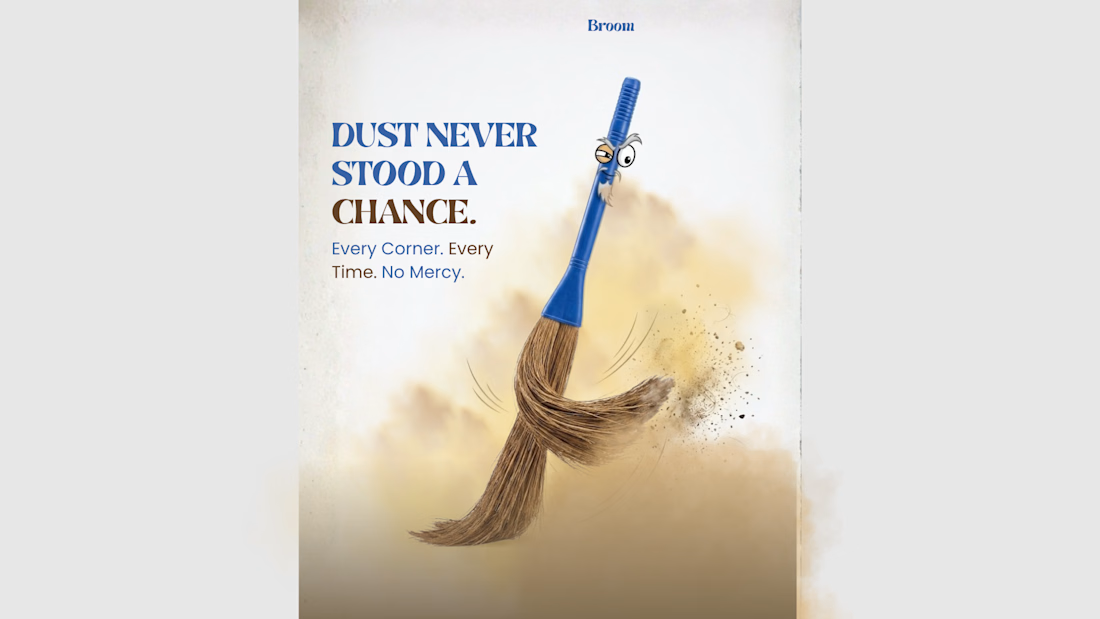
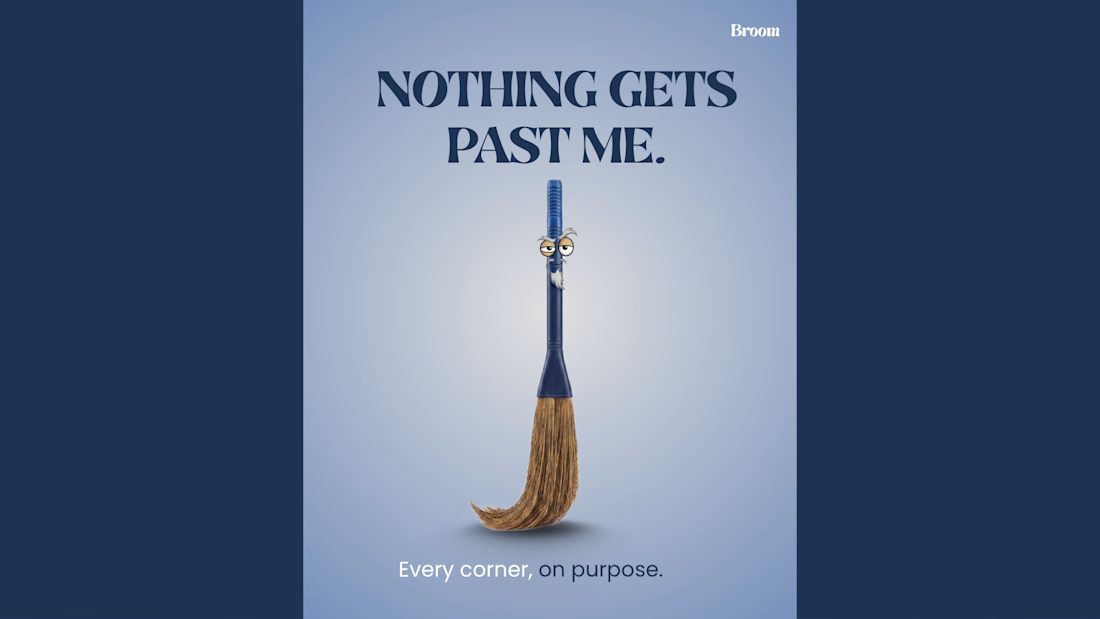
I gave it a face.
Then three moods to go with it.
Fierce while it's working the corners.
Alert, like it's watching for dust before dust even shows up.
Calm once the room's done.
Same bristles. Same handle. Same job it's done for years. Nothing about the broom changed.
What changed is how it makes you feel looking at it.
𝗕𝗿𝗮𝗻𝗱𝗶𝗻𝗴 𝗶𝘀𝗻'𝘁 𝗳𝗼𝗿 𝘁𝗵𝗲 𝗽𝗿𝗼𝗱𝘂𝗰𝘁𝘀 𝗽𝗲𝗼𝗽𝗹𝗲 𝗮𝗹𝗿𝗲𝗮𝗱𝘆 𝗹𝗼𝘃𝗲. 𝗜𝘁'𝘀 𝗳𝗼𝗿 𝘁𝗵𝗲 𝗼𝗻𝗲𝘀 𝗻𝗼𝗯𝗼𝗱𝘆'𝘀 𝗹𝗼𝗼𝗸𝗶𝗻𝗴 𝗮𝘁.
If a broom can carry personality, your product can too.
The category was never the limit. The attention was.
Founders, marketers, drop your product category in the comments.
I'll reply to every single one with a free idea to make it more engaging.
#Branding #GraphicDesign #BrandIdentity #Rebranding #PersonalBranding