The network for creativity
Join 1.25M professional creatives like you
Connect with clients, get discovered, and run your business 100% commission-free
Creatives on Contra have earned over $150M and we are just getting started
Back to feedPost
Why does Japan have an "Omusubi Day" on January 17?
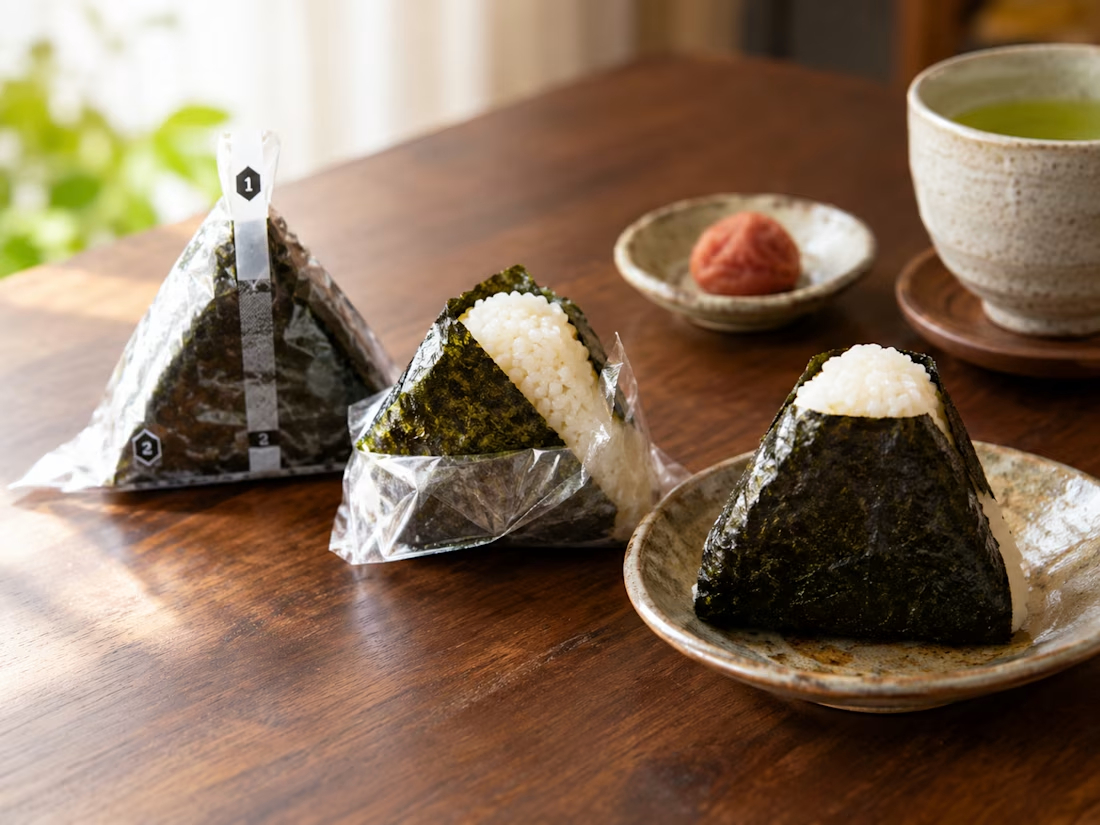
After the Great Hanshin-Awaji Earthquake in 1995, volunteers handed out rice balls to people who had lost their homes. January 17, the date of the earthquake, was later named Omusubi Day.
"Omusubi" is another name for onigiri, the hand-shaped rice ball you see on every convenience-store shelf in Japan.
That is what I enjoy about researching food: an everyday snack can also carry a community's memory.
I write sourced English blog articles with matching short video scripts about Japanese food. If your channel, blog or brand covers Japan, food or travel, I'm open to new projects.
https://contra.com/p/YqQObXOP-onigiri-english-blog-article-55-second-video-script

Very nice ☺️
The network for creativity
Join 1.25M professional creatives like you
Connect with clients, get discovered, and run your business 100% commission-free
Creatives on Contra have earned over $150M and we are just getting started





Related posts

What do you call a fish whose name is written "autumn," "sword" and "fish"?
In Japan, that's sanma, the Pacific saury. Its kanji 秋刀魚 can be read as "autumn sword fish," and autumn is when it shows up on grilled fish set menus.
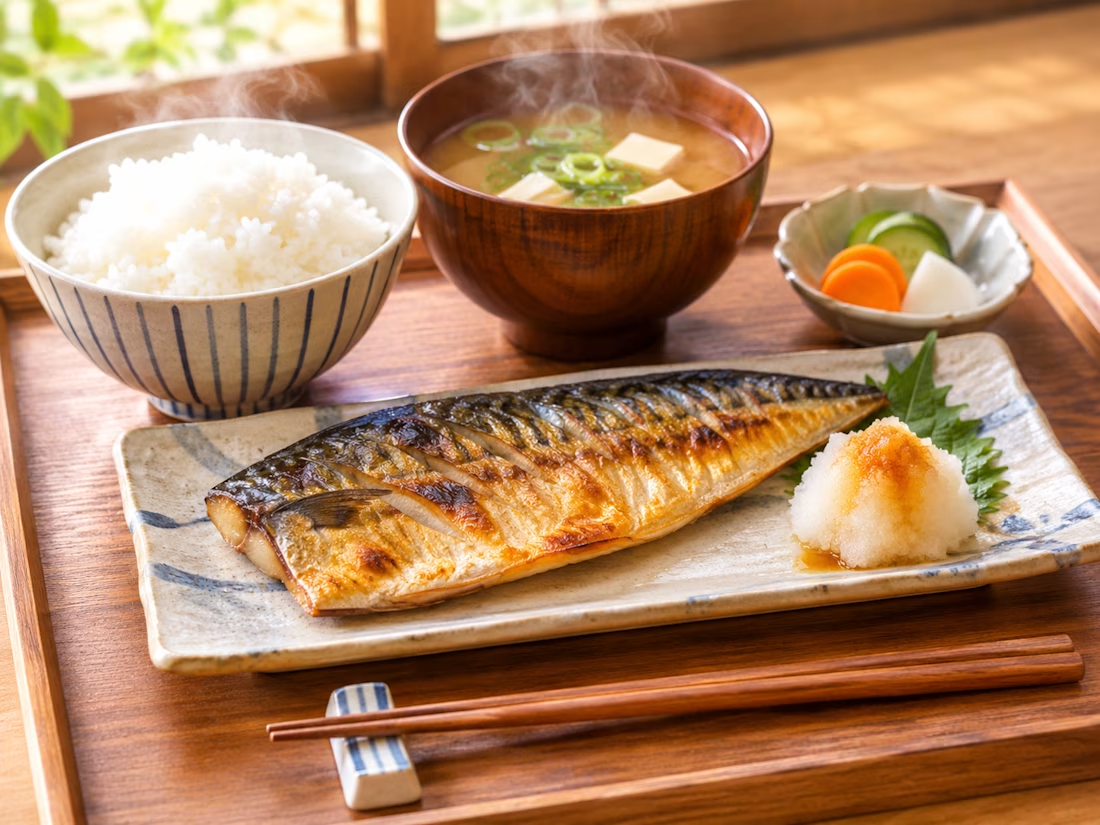
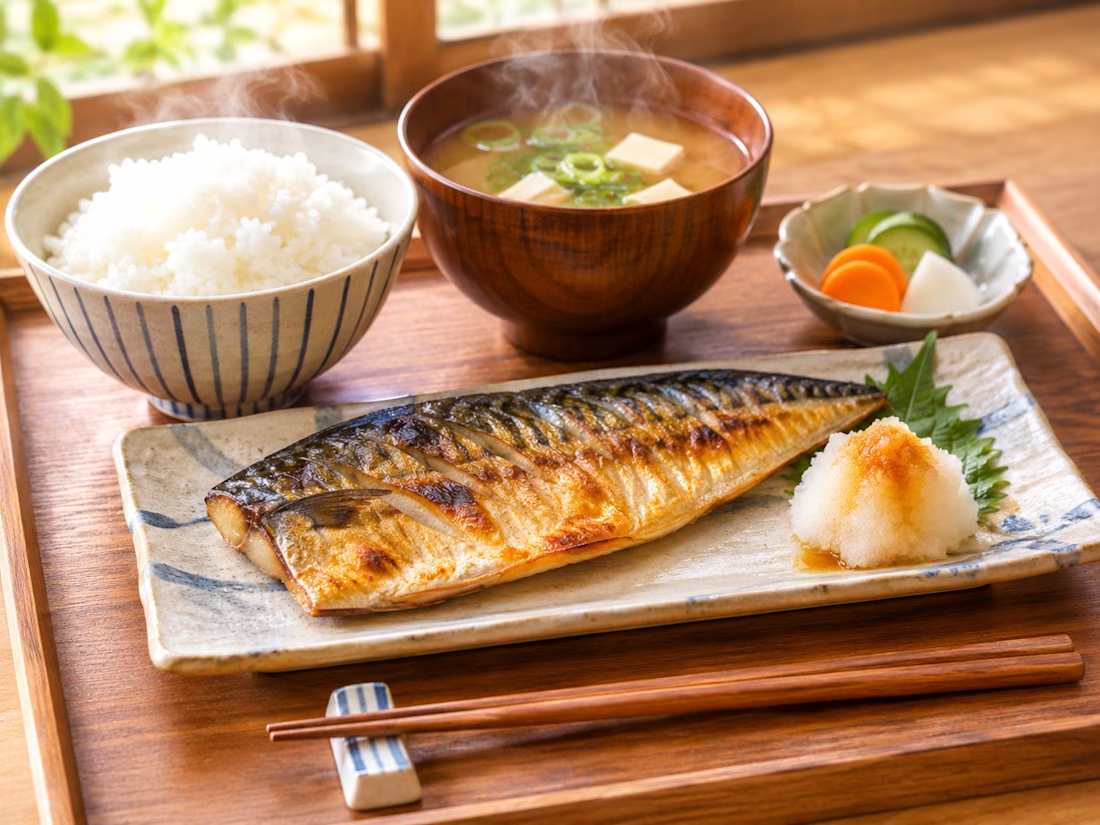
Like salmon and mackerel, it's usually served as shioyaki: salted, then grilled. It comes with rice, miso soup, pickles and a small mound of grated daikon. Add a few drops of soy sauce to the daikon and eat it together with the fish.
A name that explains itself in three characters is a ready-made hook for a short food video.
I write researched English blog articles plus a matching short video script, sources included. Running a channel or blog about Japan, food or travel? I'm open to new projects.
https://contra.com/p/Bg6gUY2m-grilled-fish-set-english-article-55-second-script
In Japan, a meal called "one soup, three dishes" usually has more than four things on the tray.
The idea is ichiju sansai: a soup, a main dish (often grilled fish) and two smaller sides.
Rice and pickles are always served too, but they aren't counted among the three dishes. They're simply the base of the meal.
A grilled fish set meal, yakizakana teishoku, is one of the easiest places to see this in everyday life: salt-grilled fish, miso soup, rice, pickles and a little grated daikon.
In 2013, washoku, the traditional dietary culture of the Japanese, was added to UNESCO's Intangible Cultural Heritage list.
I write sourced English blog articles plus 55-second video scripts about Japanese food. Running a Japan, food or travel channel? I'm open to new projects.
https://contra.com/p/Bg6gUY2m-grilled-fish-set-english-article-55-second-script
Looking beautiful

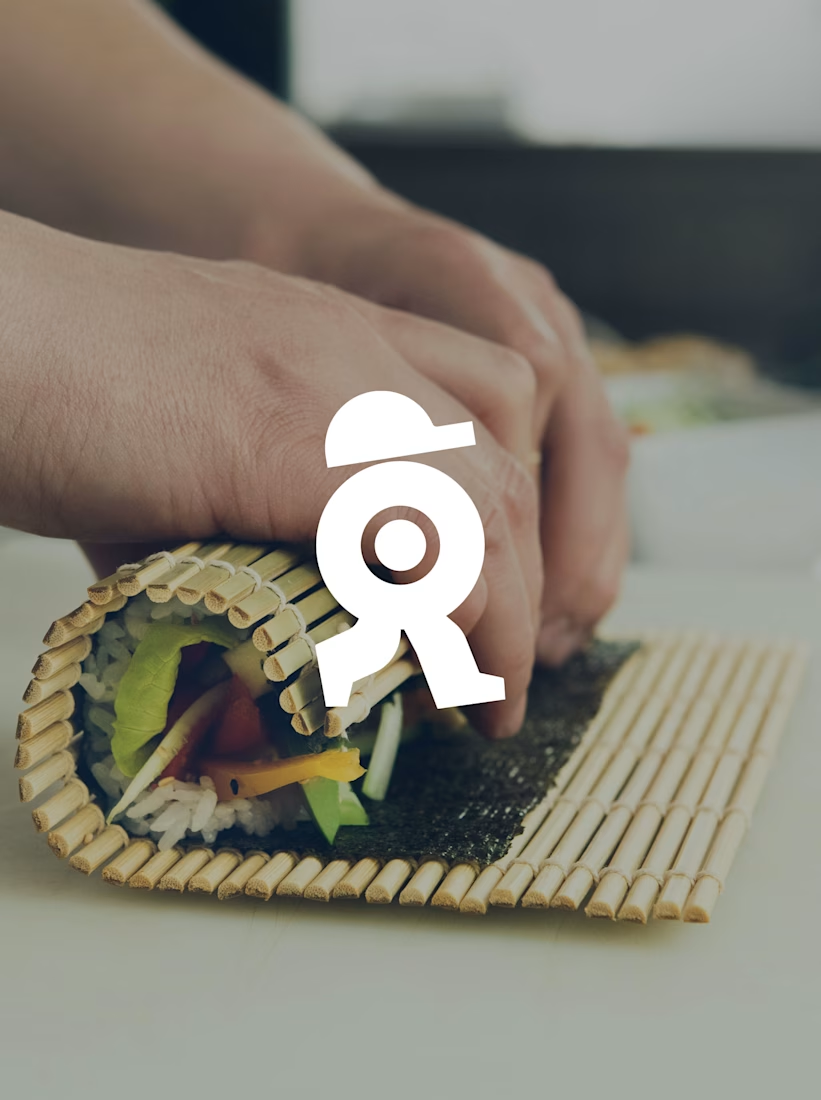
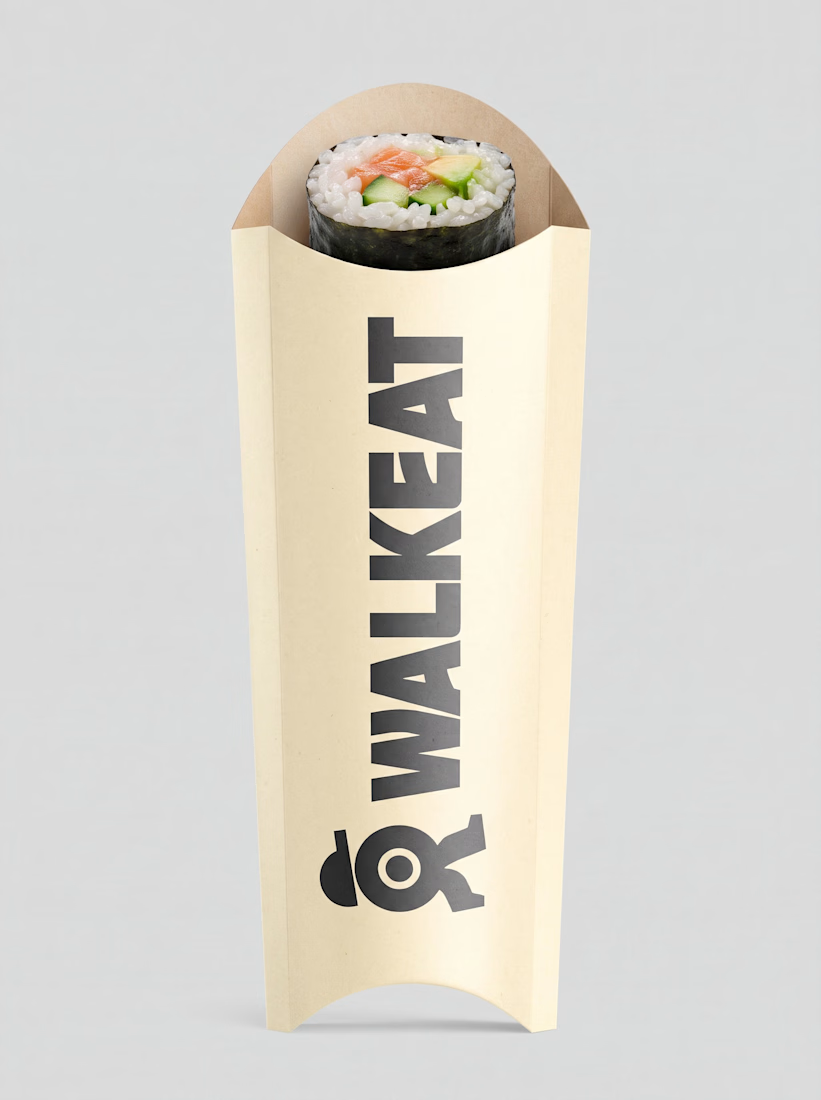
A sushi roll with a life of its own.
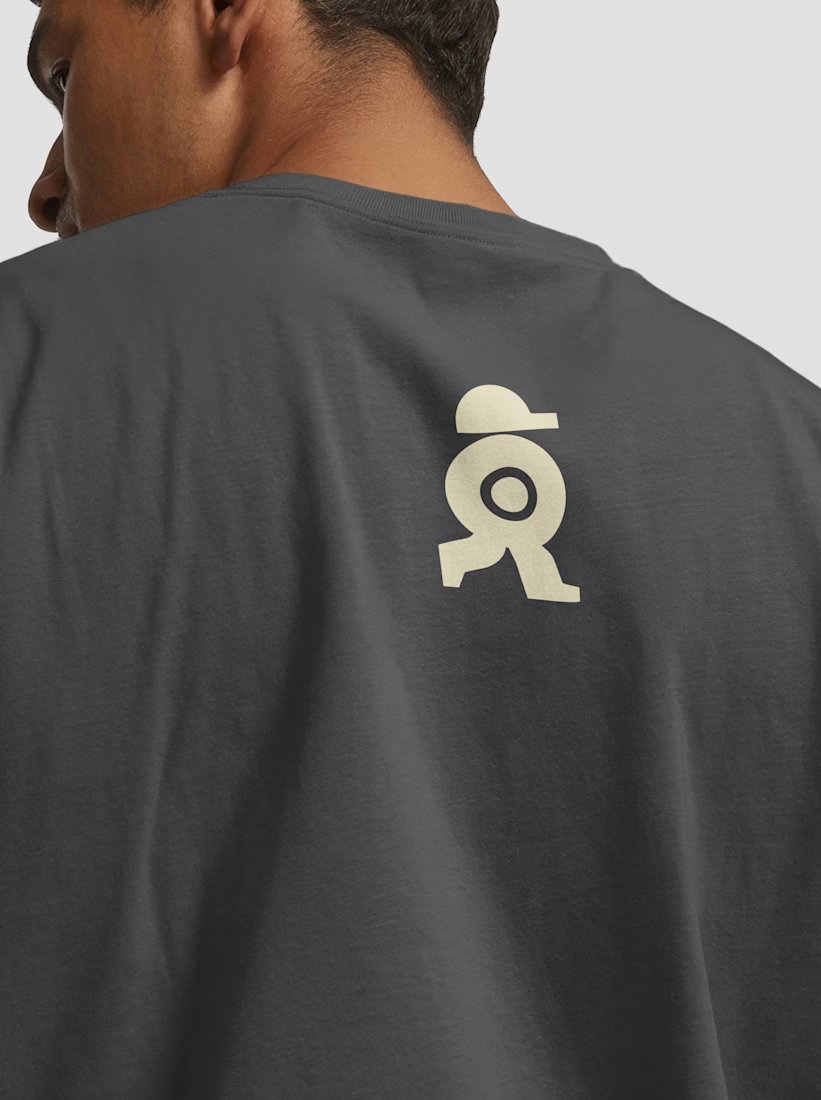
The WALKEAT identity transforms the shape of a sushi roll into a walking character. Its circular center references the cross-section of the roll, while the cap and legs bring movement and personality to the figure.
The custom-designed wordmark reinforces this concept through subtle modifications to the W, A, and E, creating a visual connection between typography and symbol.
A simple, playful and contemporary identity that communicates the product without relying on literal Japanese imagery or an overly cartoonish character.




Great work!!