The network for creativity
Join 1.25M professional creatives like you
Connect with clients, get discovered, and run your business 100% commission-free
Creatives on Contra have earned over $150M and we are just getting started
Back to feedPost
Resonance : A Plague Tale— Cyrillic Font Mod

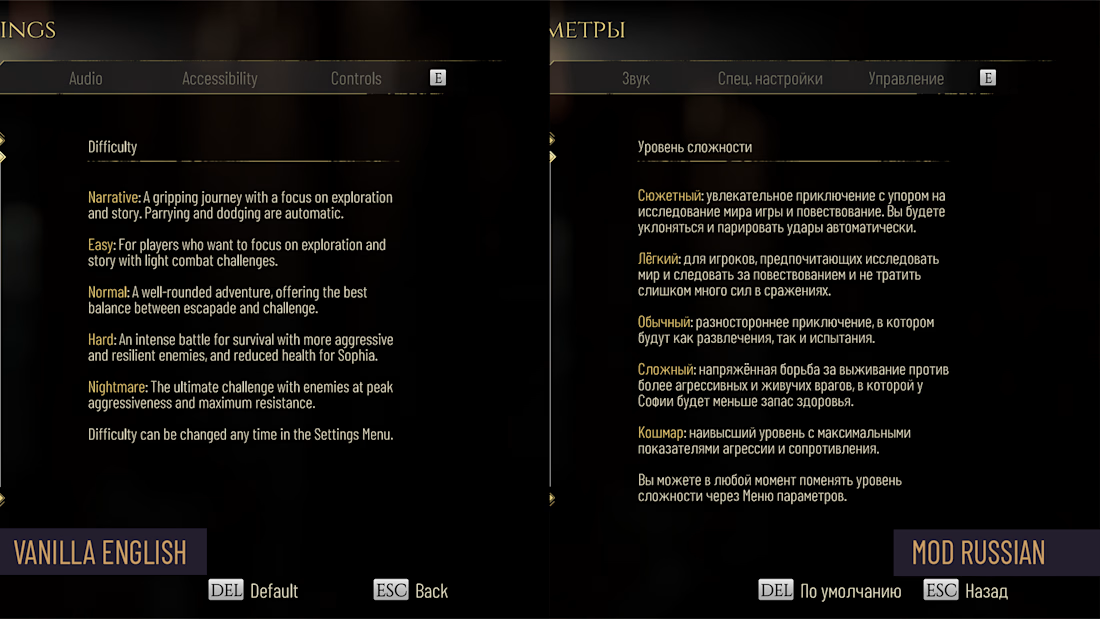

Cyrillic support for two of the game's primary fonts, with glyphs created and adjusted manually to match the original typography.
The project required reverse engineering the proprietary font-resource pipeline, including DPC containers, SDF atlases, BC3/DXT5 data, compression, glyph mappings and resource rebuilding.
The network for creativity
Join 1.25M professional creatives like you
Connect with clients, get discovered, and run your business 100% commission-free
Creatives on Contra have earned over $150M and we are just getting started





Related posts

A Halloween type study. One line, eight typefaces, eight ghosts. Each frame holds the same words and composition while the letterform, palette and figure change, from blackletter to dot-matrix to brush script.
I designed every frame in Figma, then used AI image-to-video to hallucinate the transitions between them, so the type melts, drips and reforms into the next face while the ghost dissolves into smoke and re-forms. The result loops like a bad dream that keeps changing its mind.
Made for 31 October.


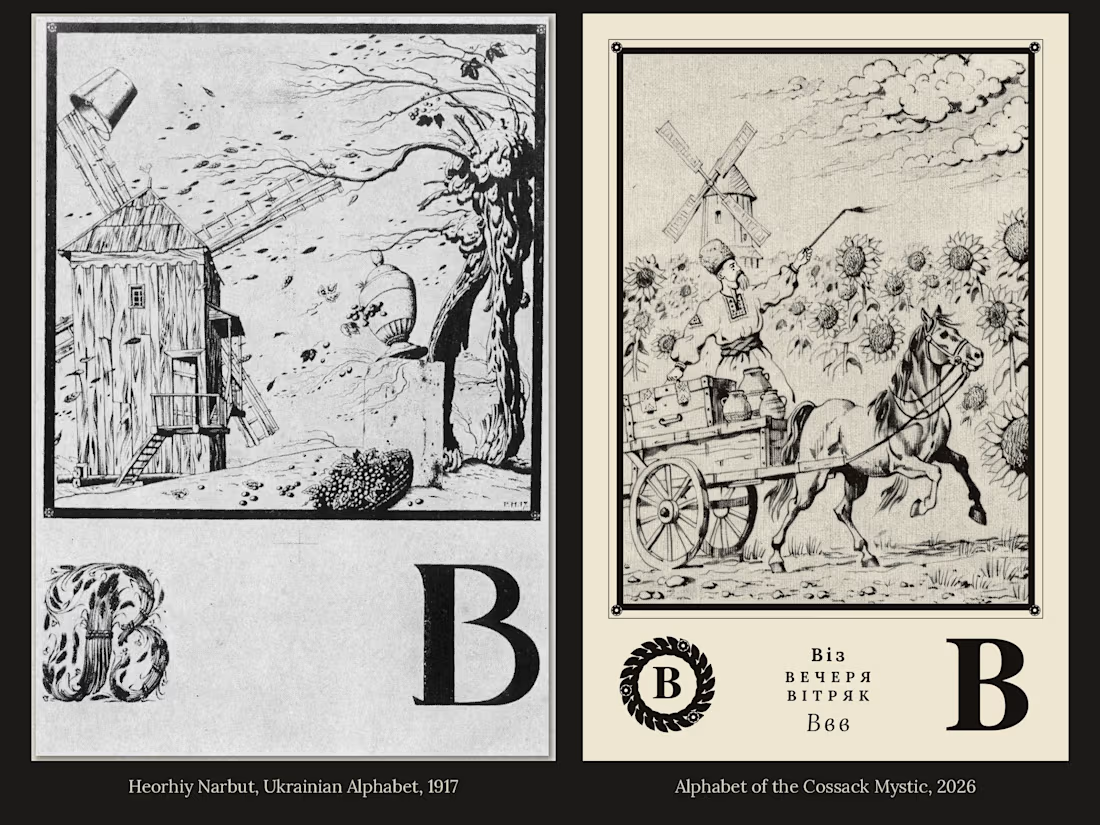
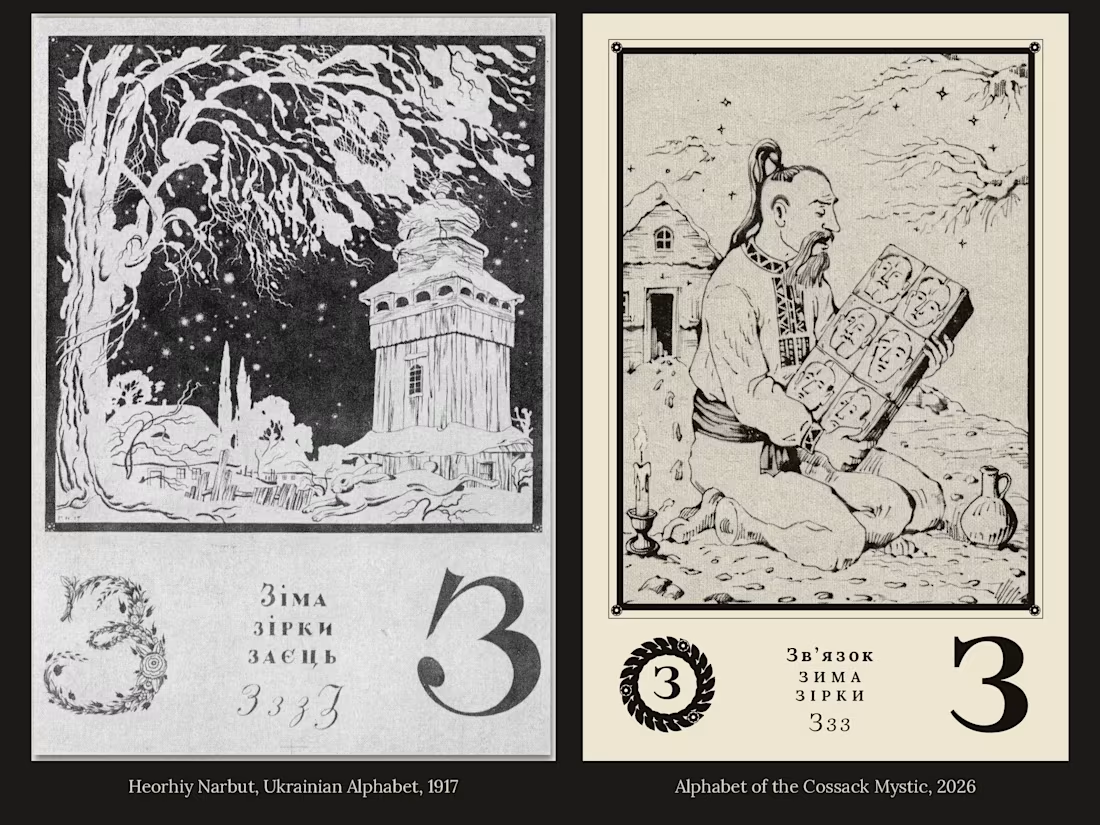
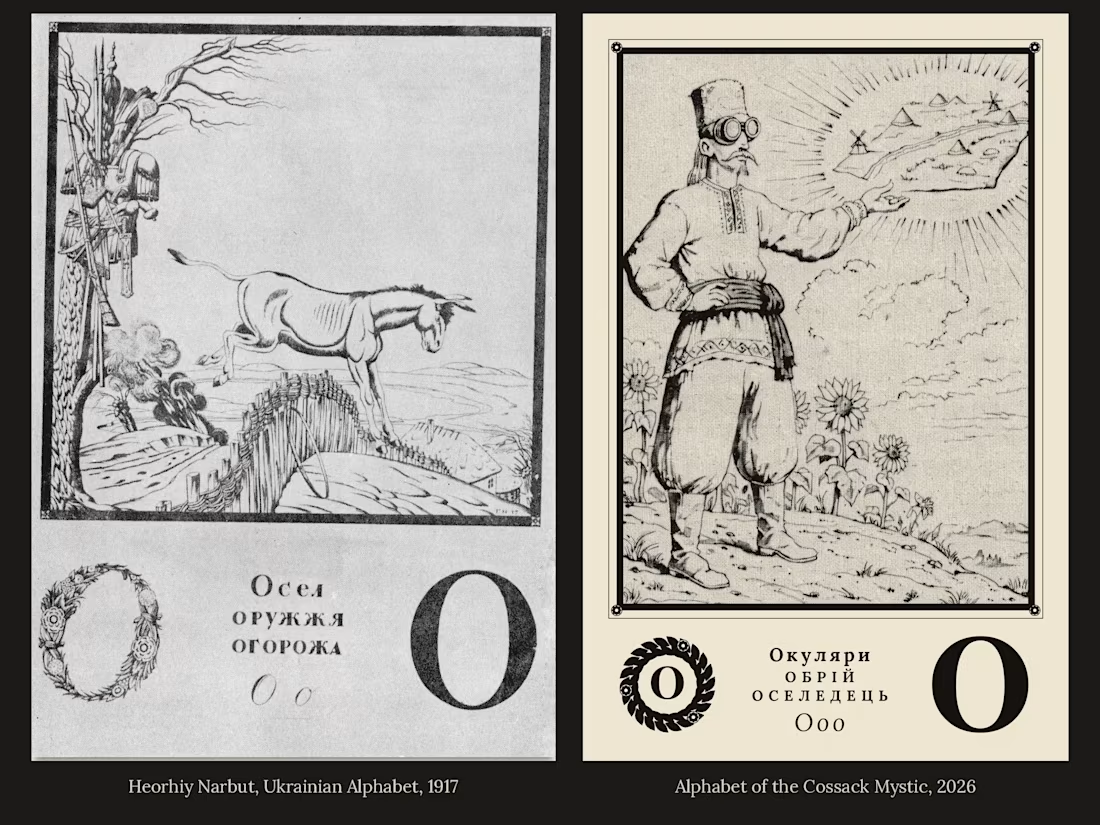
I'm Ukrainian, and I grew up proud of the people who shaped our culture, so I went looking for one of them: Heorhiy Narbut, whose Ukrainian Alphabet (1917–1919) I found on Wikimedia Commons.
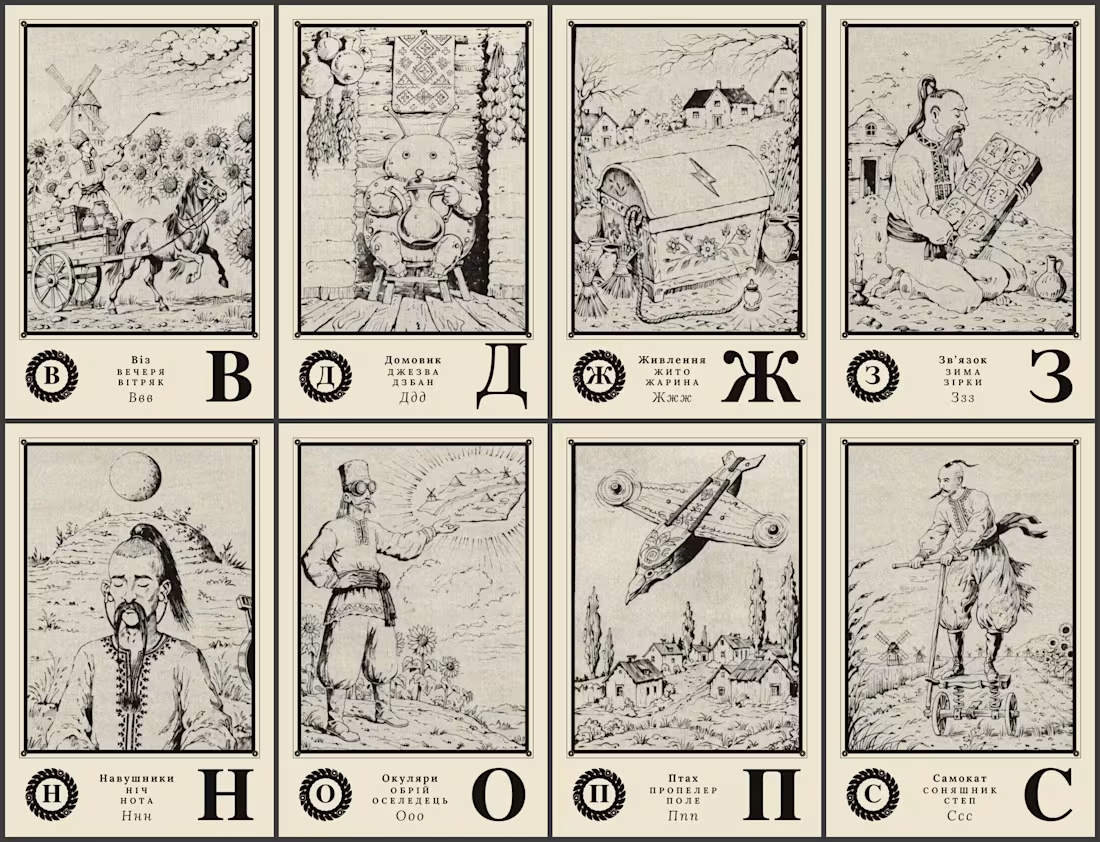
I turned seven of its letter pages, cropped to the illustrations only, into a Recraft Style and asked his dense ink hatching to draw things he never could: drones, scooters, video calls and a coffee pouring robot.
The result, Alphabet of the Cossack Mystic, is a lost museum catalog from an alternative history: every letter has a three word caption, in Narbut's manner, and a handmade invention of wood, bone, clay, brass and leather.
Each Cossack wears a vyshyvanka, sharovary and sash, with a scalp-lock and moustache, so the Ukrainian heritage is in every detail.
Three pages answer Narbut's originals directly: В, З and О.

CEKOMA — Brand Identity & Visual Exploration
A bold visual identity built around abstract forms, striking red accents, and experimental typography. The system balances raw textures with a minimal, high-contrast aesthetic to create a distinctive and cohesive brand experience across application