The network for creativity
Join 1.25M professional creatives like you
Connect with clients, get discovered, and run your business 100% commission-free
Creatives on Contra have earned over $150M and we are just getting started
Back to feedPost

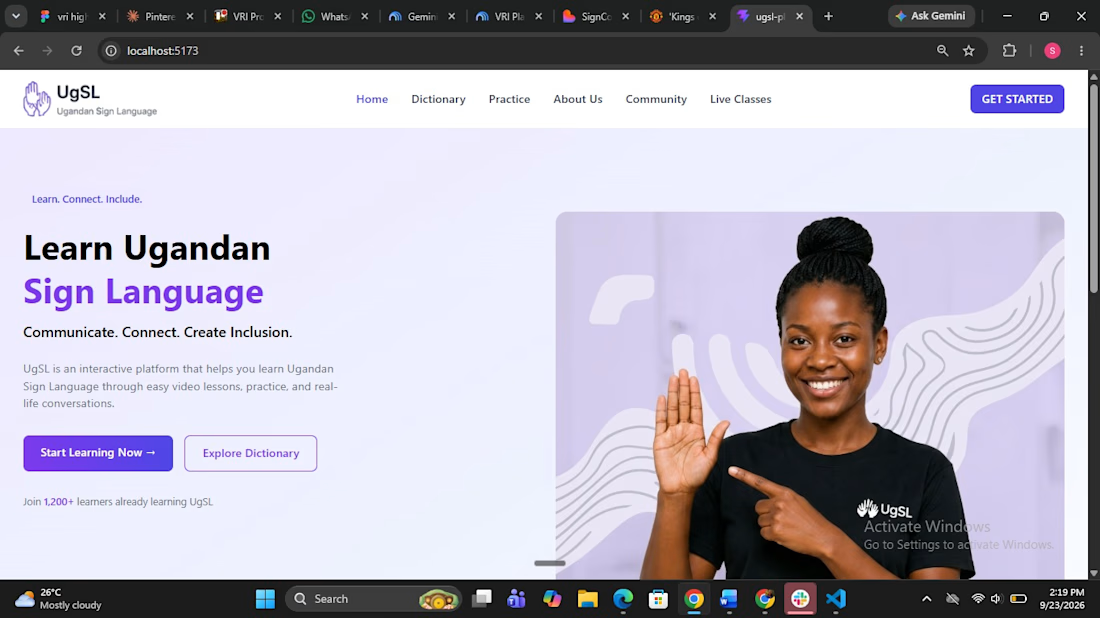
UgSL AI Practice Coach - AI-Assisted Learning Platform
UgSL is a learning platform designed to support people learning Ugandan Sign Language through structured lessons, practice activities, progress tracking, and AI-assisted learning experiences.
My main role is building the AI Practice Coach and helping shape the learner journey across the platform. The coach is designed to work alongside lesson content and give learners an interactive way to practice what they have learned.
I have worked on user flows, onboarding logic, learner roles, practice experiences, and experiments with multimodal AI to explore how visual input can support sign-language practice.
The project also involves thinking carefully about feedback, accessibility, lesson progression, and how AI should support rather than replace structured learning content.
This project is strengthening my experience in AI integration, experimentation, product design, user flows, and building intelligent features around real educational needs.


The network for creativity
Join 1.25M professional creatives like you
Connect with clients, get discovered, and run your business 100% commission-free
Creatives on Contra have earned over $150M and we are just getting started





Related posts

THREADLINE ATELIER
A premium booking experience for a custom fashion studio in Lagos.
I wanted to solve a simple problem: when someone asks, “Can I book with you?”, the designer shouldn't have to spend the next hour going back and forth about availability, measurements, event dates, and scheduling.
Threadline Atelier turns that into one smooth flow:
Inquiry → Design Brief → Availability → Booking → Deposit → Confirmation
Customers can choose what they're making, share their occasion and event date, upload inspiration, select a real available consultation time, pay the consultation deposit, and get booked.
For the designer, it reduces manual coordination, follow-ups, and scheduling headaches.
Visually, I wanted it to feel like a luxury fashion house with a digital experience editorial typography, contemporary African fashion, cinematic motion, and subtle thread-inspired interactions.
The signature moment:
“YOU'RE BOOKED.”


This is a well structured website but the booking experience is what I looks good.

love this

LUMIXA — Gaming Controller Product Landing Page 🎮⚡
LUMIXA is a futuristic product landing page concept created for a premium gaming controller built around precision, performance, and immersive play.
The goal was to make the product itself the center of the experience while...
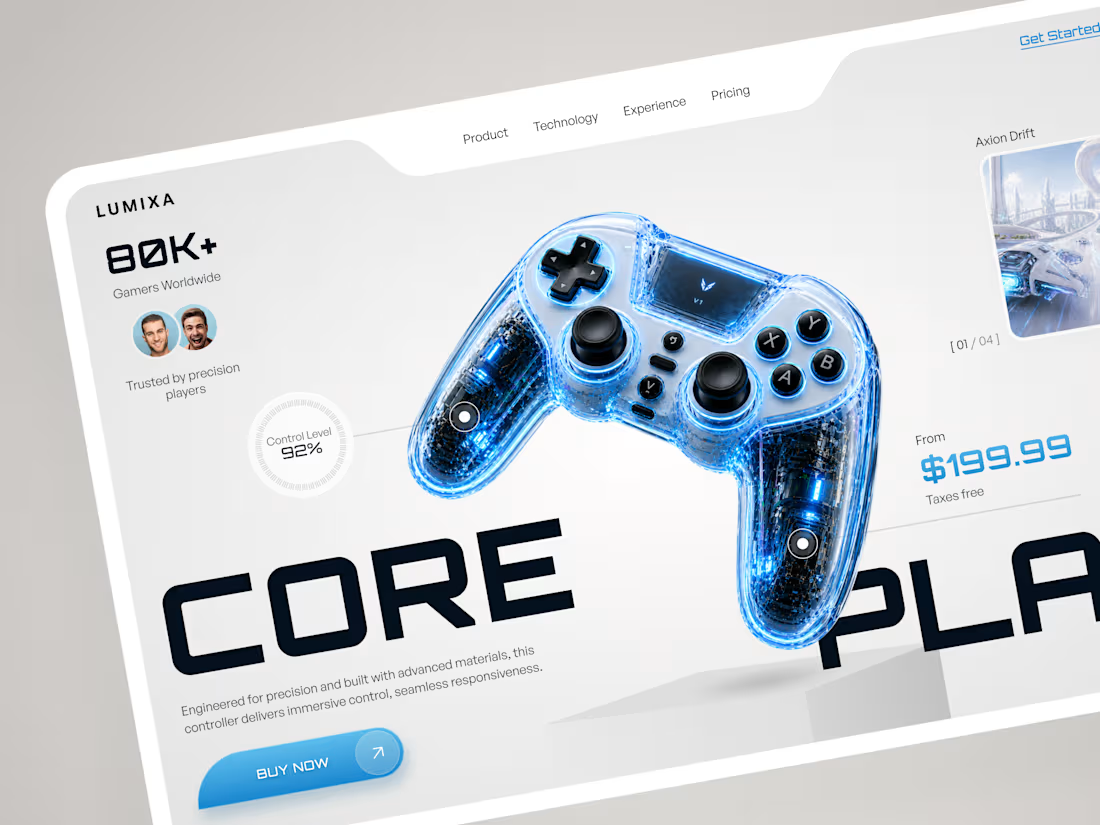
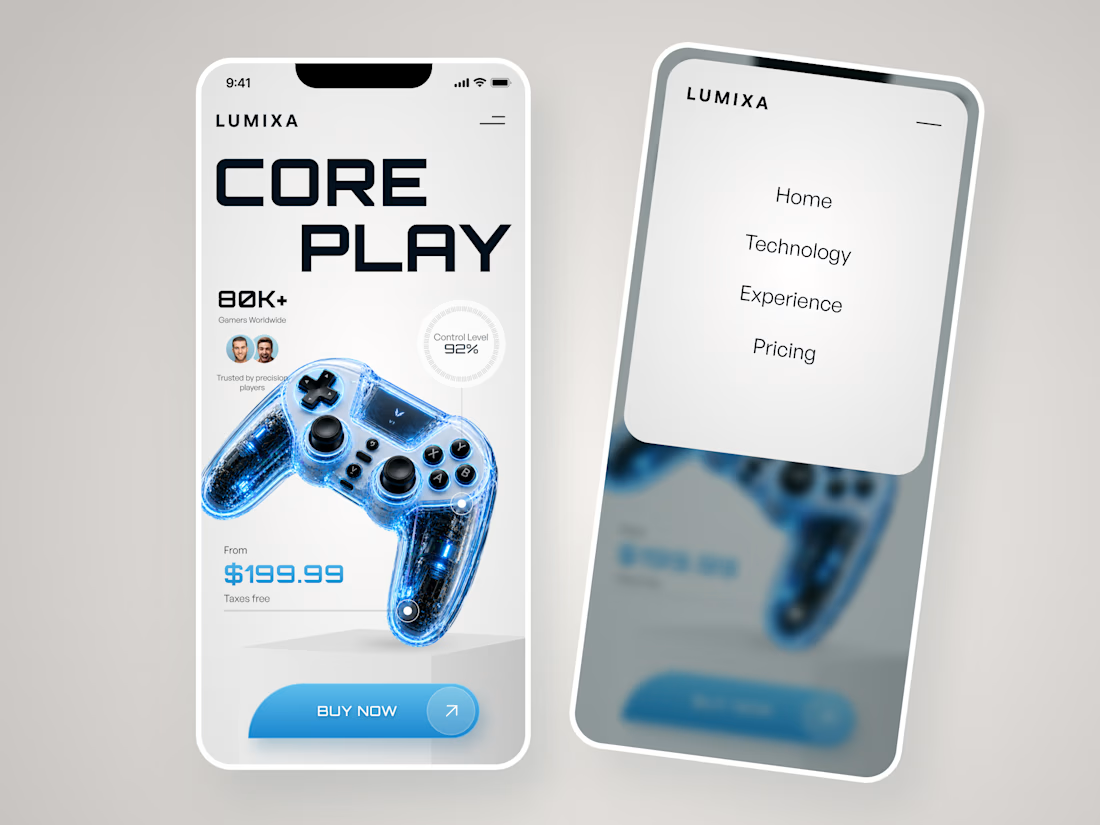
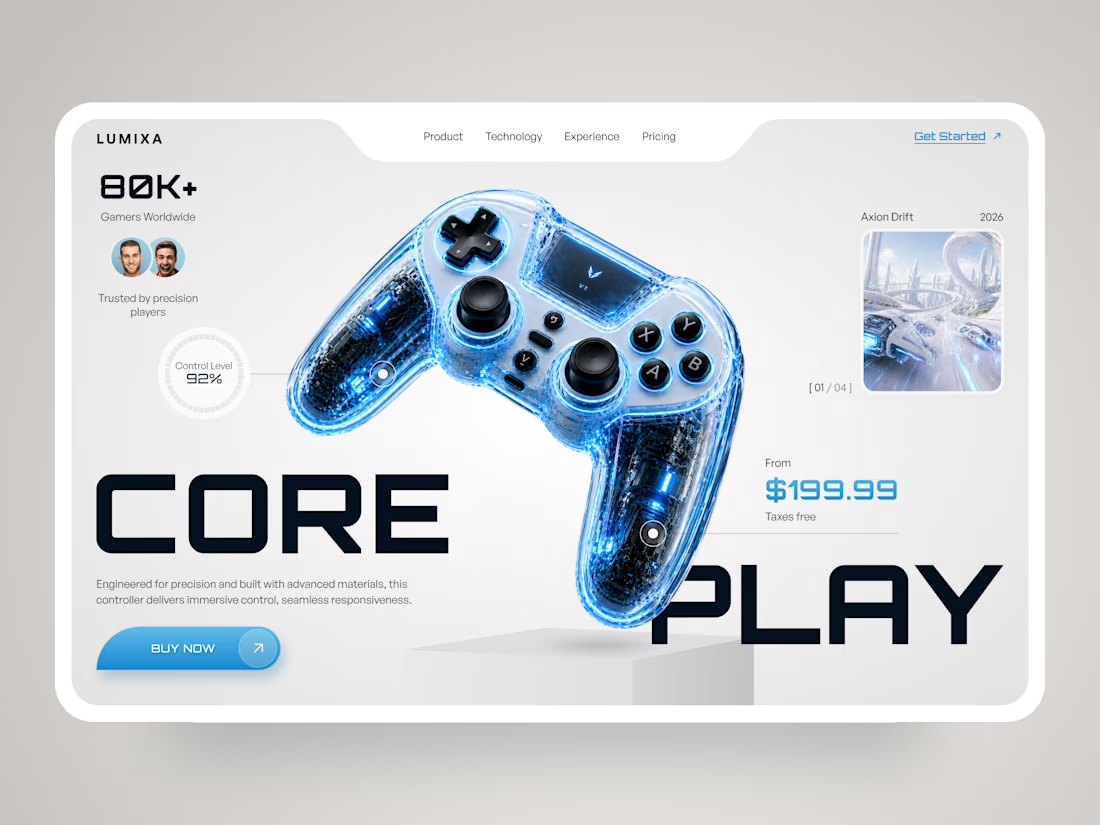

The product is clearly the hero here the clean layout and futuristic visuals make the controller stand out really well.

Contra Community Post
Day 17/30: COMMON ROOM
What if a library card could reveal belonging instead of simply proving access?
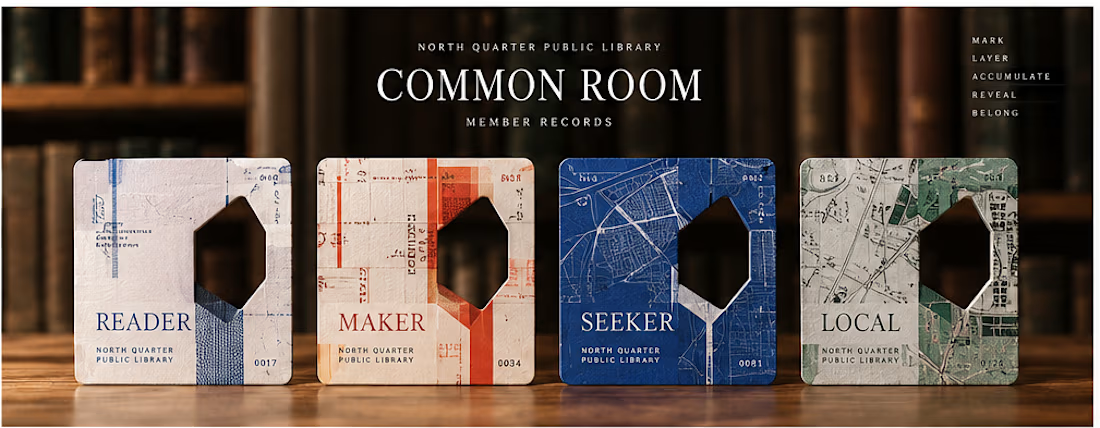
I built COMMON ROOM, a speculative membership system for the fictional North Quarter Public Library.
Instead of asking members to choose an identity or complete a personality quiz, the system lets their actual behavior inside the library leave the evidence.
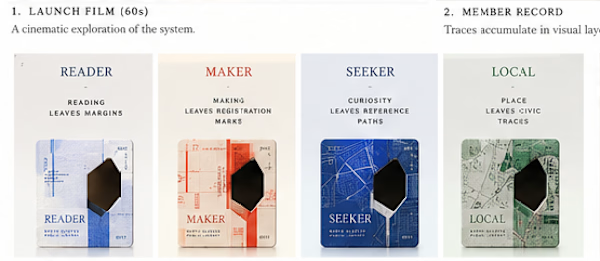
Read in the Stacks → leave a margin.
Make in the Workshop → leave a registration mark.
Follow a question through the Index → leave a reference path.
Explore the Quarter → leave a civic trace.
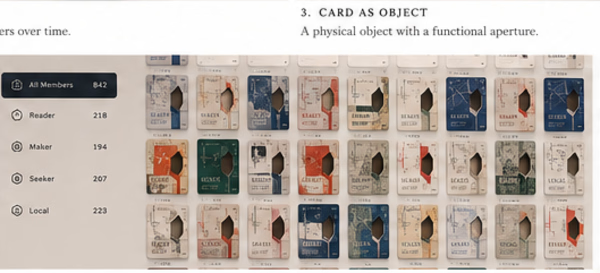
Those traces gradually build a unique Member Record.
The card remembers in layers. Its physical Accession Aperture later becomes a lens into hidden library memory, and completed cards can optionally become part of a Living Collection that begins to reveal the shape of the neighborhood itself.
The project eventually became a system about:
BEHAVIOR → EVIDENCE → OBJECT → MEMORY → COMMUNITY
And the line that defined the whole thing:
You don’t receive a card. You accumulate one.
I also built the launch film around the same visual logic instead of doing a traditional product walkthrough using the card’s traces, layers and aperture as the motion language.
Would love feedback on one thing in particular:
Does the relationship between behavior, the physical card, and belonging read clearly without needing the concept explained first?
Day 17 of my 30 Days of Real Business Problems challenge.
#ProductDesign #InteractionDesign #CreativeDevelopment #DesignEngineering #MotionDesign #CreativeCoding #ThreeJS #Remotion



what inspired the maker and seeker split?