The network for creativity
Join 1.25M professional creatives like you
Connect with clients, get discovered, and run your business 100% commission-free
Creatives on Contra have earned over $150M and we are just getting started
Back to feedPost

You don't own your brand. Your audience does. Here's how to influence what they decide it is.
Marty Neumeier nailed it in his book: "Your brand is not what you say it is. It's what they say it is."
Your audience is the one who builds (or destroys) the brand identity you're working toward. But that doesn't mean you're powerless. You influence their perception through four levers, and most founders only touch one or two of them.
01. Customer experience
Packaging, website UX, in-store architecture, the way your staff speaks to people. These are not "small details." They are your brand made physical. Every touchpoint either reinforces "this is premium" or undermines it. Strategic, intentional design decisions compound over time. Don't leave them to chance.
02. Storytelling
Don't introduce your brand with a feature list. Introduce it with a story that creates an emotional response: gratitude, resilience, belonging, whatever fits your mission. Emotion is what makes people remember you and root for you.
03. Values and beliefs
Be crystal clear on what problem you solve and what you actually stand for. Not vague mission-statement language. Specific beliefs. "We believe every great woman deserves X." That kind of clarity attracts the right audience and repels the wrong one (which is a feature, not a bug).
04. Customer perception
Translate your values into a repeatable design system: visual identity, messaging, slogans, creative assets, deployed consistently everywhere. Repetition over time is what builds brand recognition and emotional trust. That's the whole game.
One last thing, and this is important:
branding is not a one-time campaign. You can't drop a rebrand, go silent, and expect people to trust or remember you. Consistency across all four of these points, sustained over time, is what creates real brand positioning.
It's a long game. Play it like one.
The network for creativity
Join 1.25M professional creatives like you
Connect with clients, get discovered, and run your business 100% commission-free
Creatives on Contra have earned over $150M and we are just getting started
Related posts

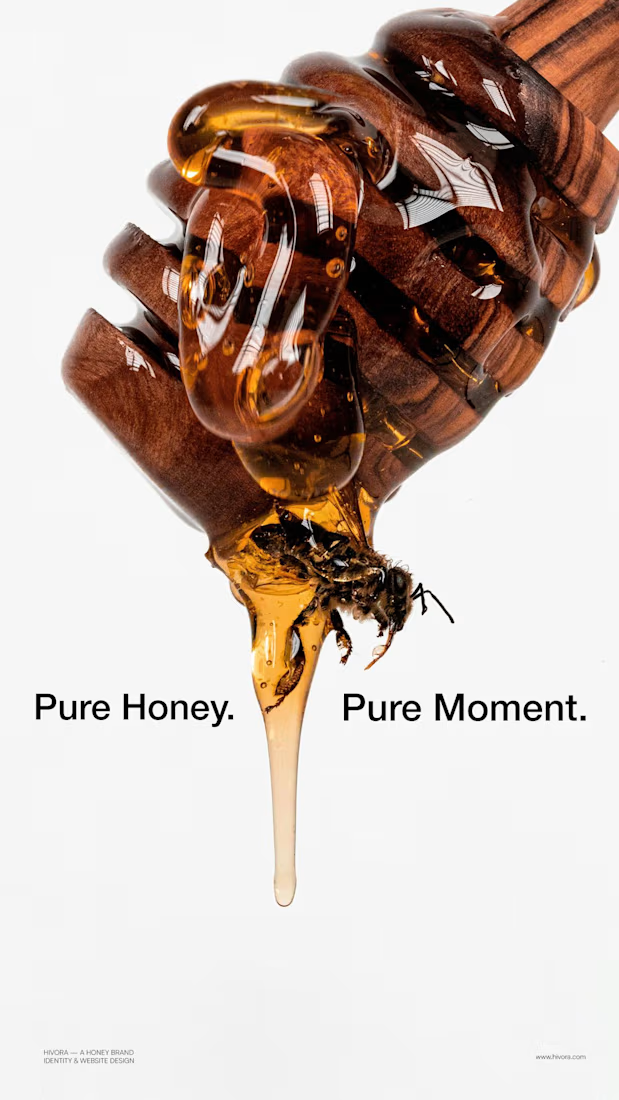
Most honey brands look the same. Generic labels, outdated design, no story worth telling.
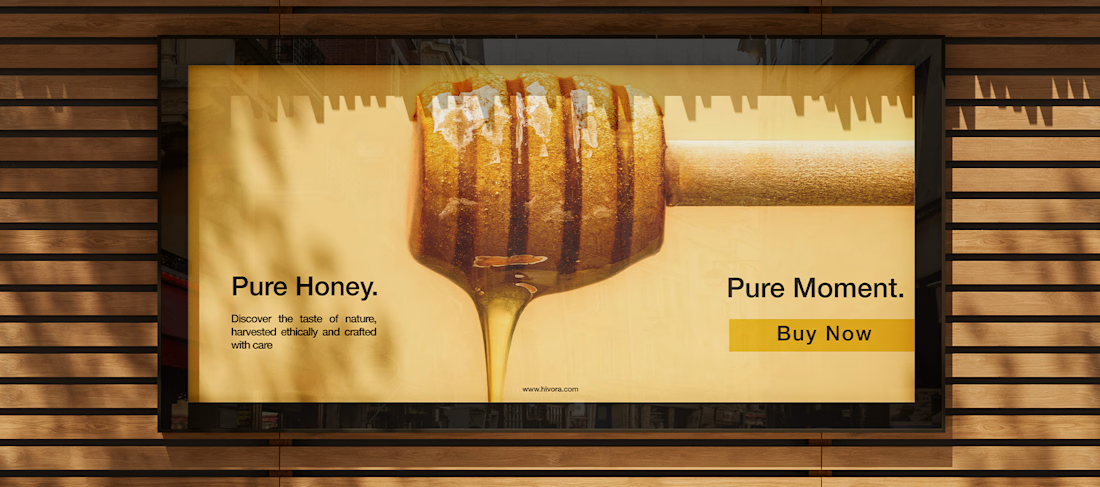
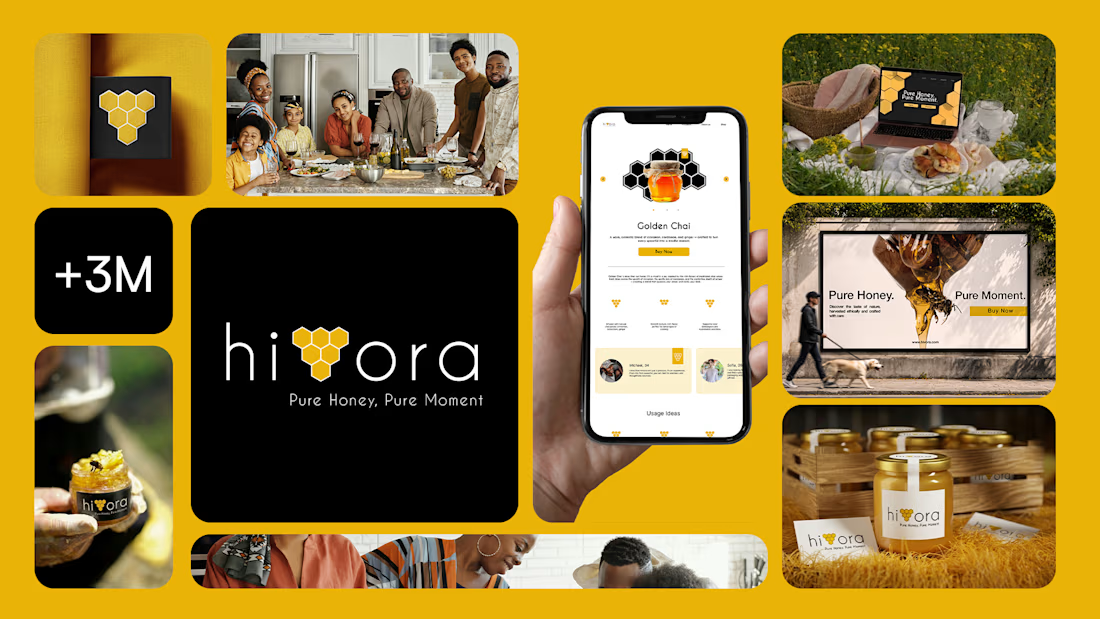
Hivora was built to be different — a premium honey brand that transforms a daily ritual into an extraordinary moment. From a bold visual identity to a full e-commerce experience, every design decision was made with one goal: to make people feel something before they even taste it.
Pure Honey. Pure Moment. Pure Design.



Such a fun design!

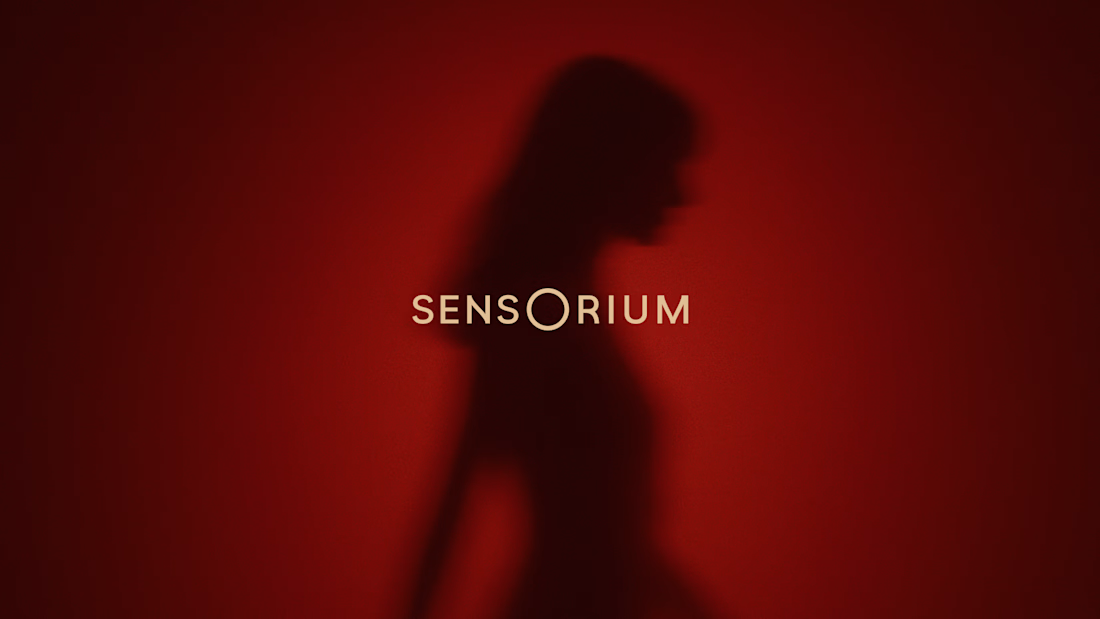
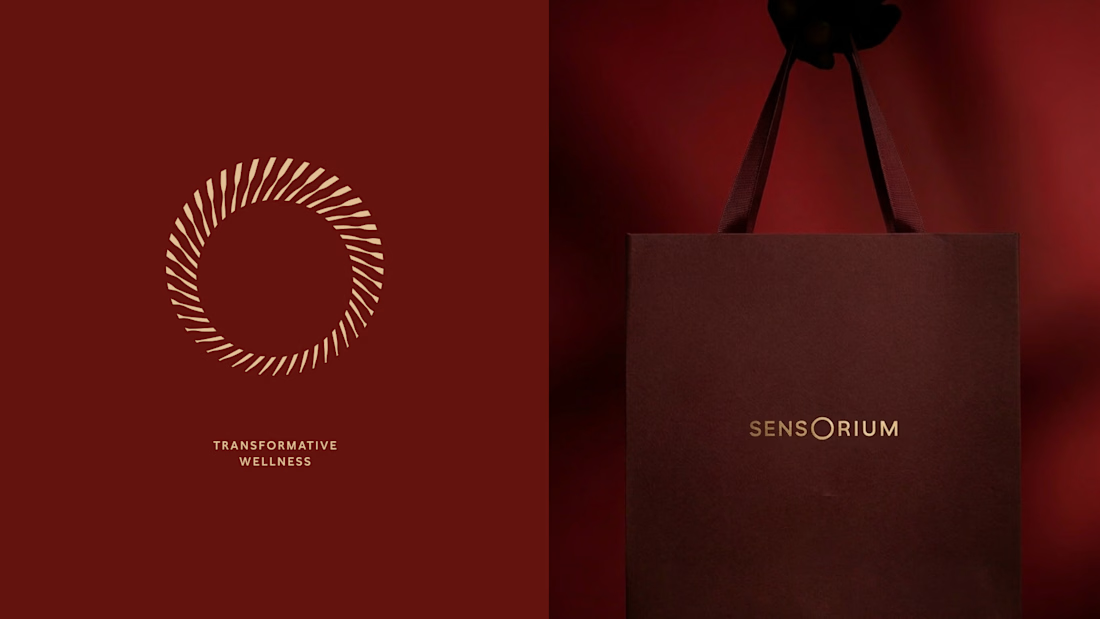
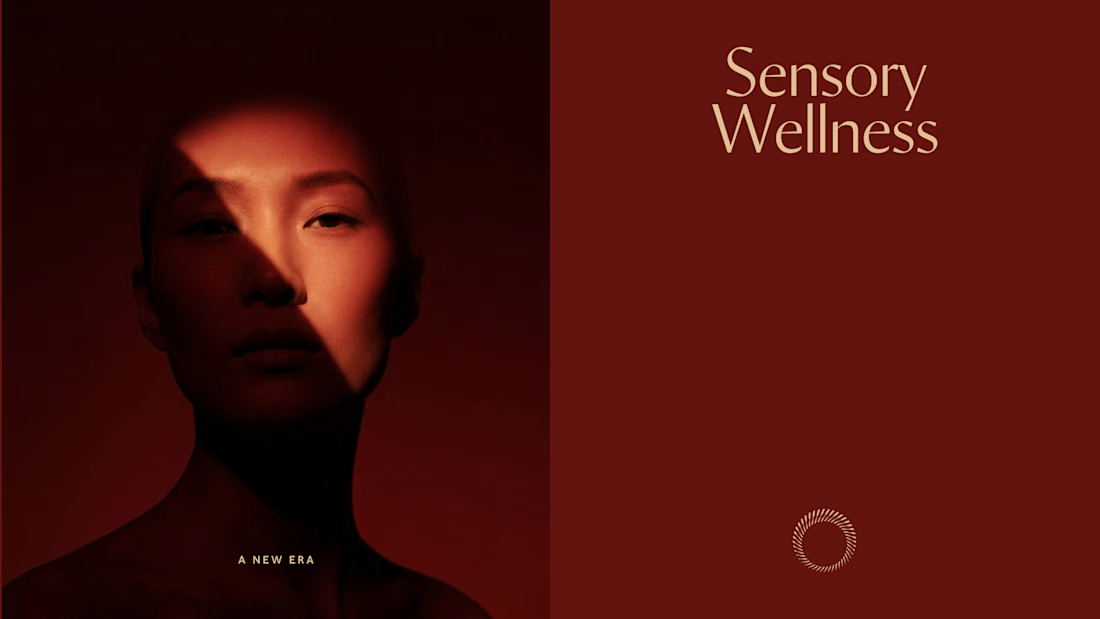
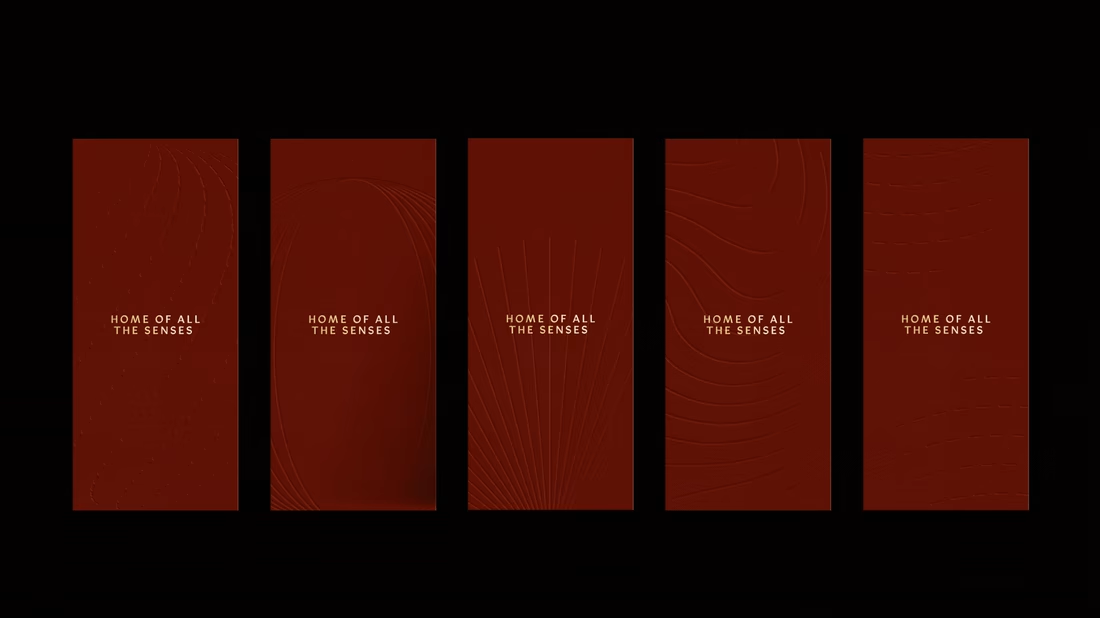
A Dubai-based wellness project built around the idea that wellness goes beyond relaxation, it’s about transformation through the senses.
Using lines, circles, and textures, we translated an entire sensory world into a visual identity.
Still one of my favorite worlds I’ve had the chance to build.
Curious, what’s one brand element that made you feel something beyond just liking how it looked?
Brand DesignGraphic DesignGoogle GeminiAdobe PhotoshopAdobe InDesignbranddesignerlogomarkCreative Strategistwellness



this is GORGEOUSSSS woww! 🔥

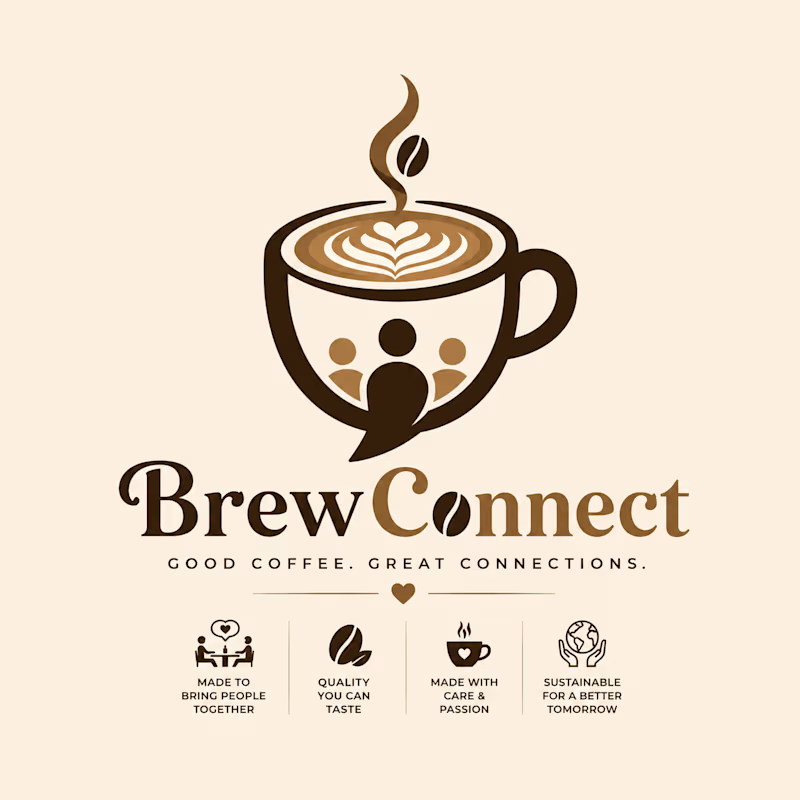
☕ Which Coffee Brand Logo Wins Your Attention? 👀
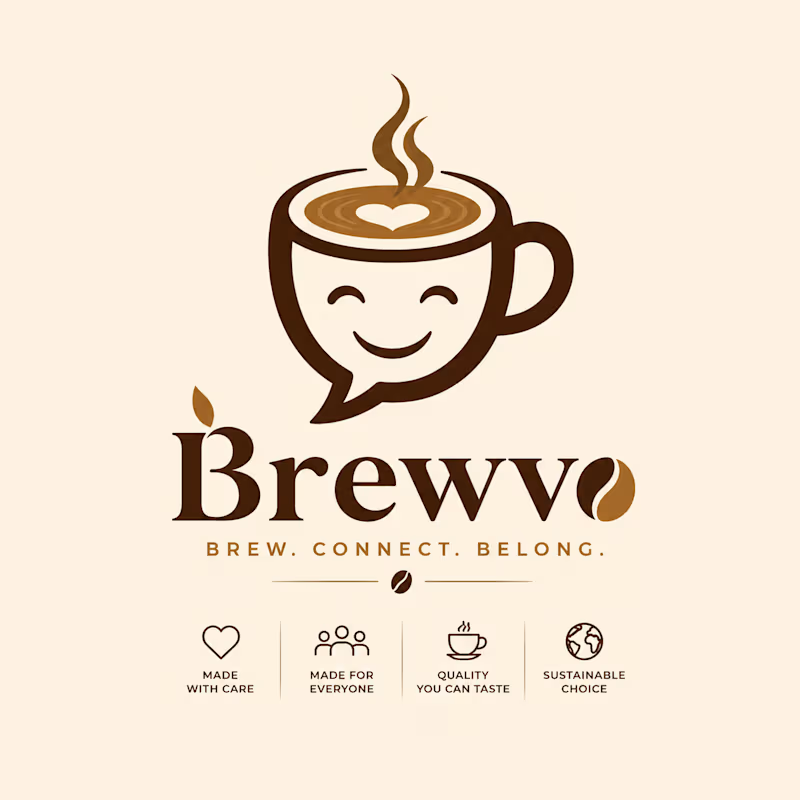
I recently designed two unique logo concepts for a modern coffee brand — each with its own personality, style, and customer vibe.
🔸 Concept 1: Warm, friendly & community-focused
🔸 Concept 2: Premium, modern & interactive branding
As a freelance logo designer, my goal is not just to create a logo — but to build a brand identity that clients and customers instantly connect with.
💡 Now I’d love your feedback:
Which logo would YOU choose for a coffee brand? ☕
Your opinion matters and helps create stronger brand experiences for future clients.
🚀 Need a unique logo for your business or startup?
I design modern, memorable, and client-focused brand identities that stand out in the market.
📩 DM for Your Brand
4 voted
36%
7 voted
64%
11 votes
Closed

Modern Looks more better..












Trending

Claude
Claude has entered the design space. How are you using Claude Design?

Contra University
Learn from expert creatives how to earn more using next-gen AI tools.
creativeaiflow
Creative AI workflows are evolving. What tools do you use, and what are their strengths and weaknesses?
portfolioreview
The best portfolios tell a story, not just show a grid. Share yours for feedback.
freelancerlife
Freelancer life is wins, pivots, and everything in between. What’s yours right now?