The network for creativity
Join 1.25M professional creatives like you
Connect with clients, get discovered, and run your business 100% commission-free
Creatives on Contra have earned over $150M and we are just getting started
Back to feedPost
JUMA
Good habits, no bargaining.
JUMA comes from the Korean ajumma archetype: the auntie who is loud, practical, caring, stubborn, and somehow convinced she is always right.
And like any serious ajumma, she comes with a cart. Nobody knows what is inside, but it probably fixes the problem.
Not a soft wellness mascot. JUMA is the one who sees you skipping breakfast, doomscrolling, avoiding basic tasks, and immediately steps in.
Brush your teeth. Eat something. Drink water. Finish the thing. Go outside.
JUMA lives as both a digital and physical mascot. She can nudge you from an app, sit on your desk as a habit object, show up in your bathroom, or take over a billboard.
→ Link


The character feels so alive and full of personality 😍

In addition to this post, I have organized the same work into a dedicated case study page to provide a more structured overview.
The project page presents the same work shown here, all completed before the deadline, simply reorganized into a format that’s easier to review.
The network for creativity
Join 1.25M professional creatives like you
Connect with clients, get discovered, and run your business 100% commission-free
Creatives on Contra have earned over $150M and we are just getting started



Related posts


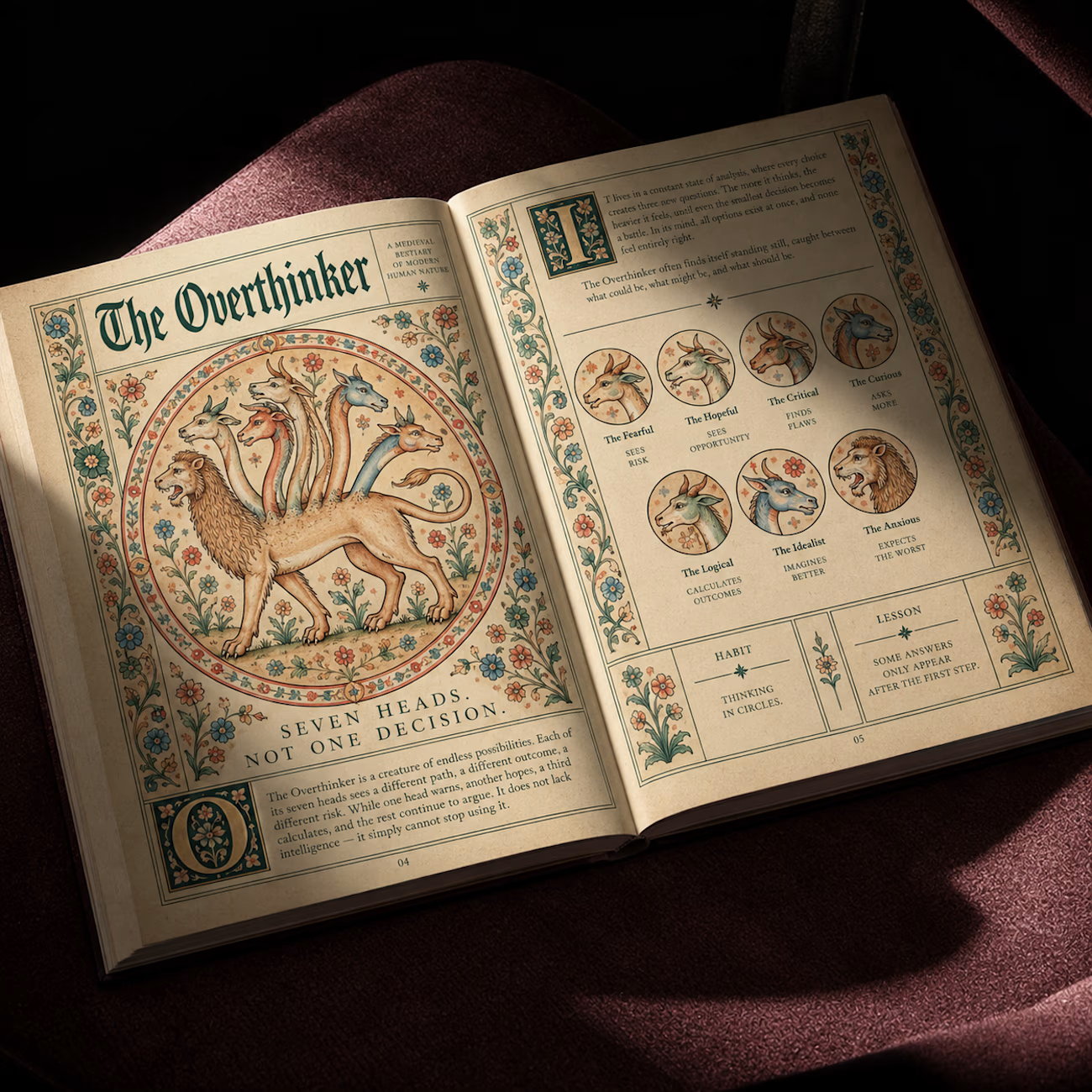
The New Book of Beasts
A Medieval Bestiary of Modern Human Nature
What if medieval bestiaries described the habits of modern people instead of mythical creatures?
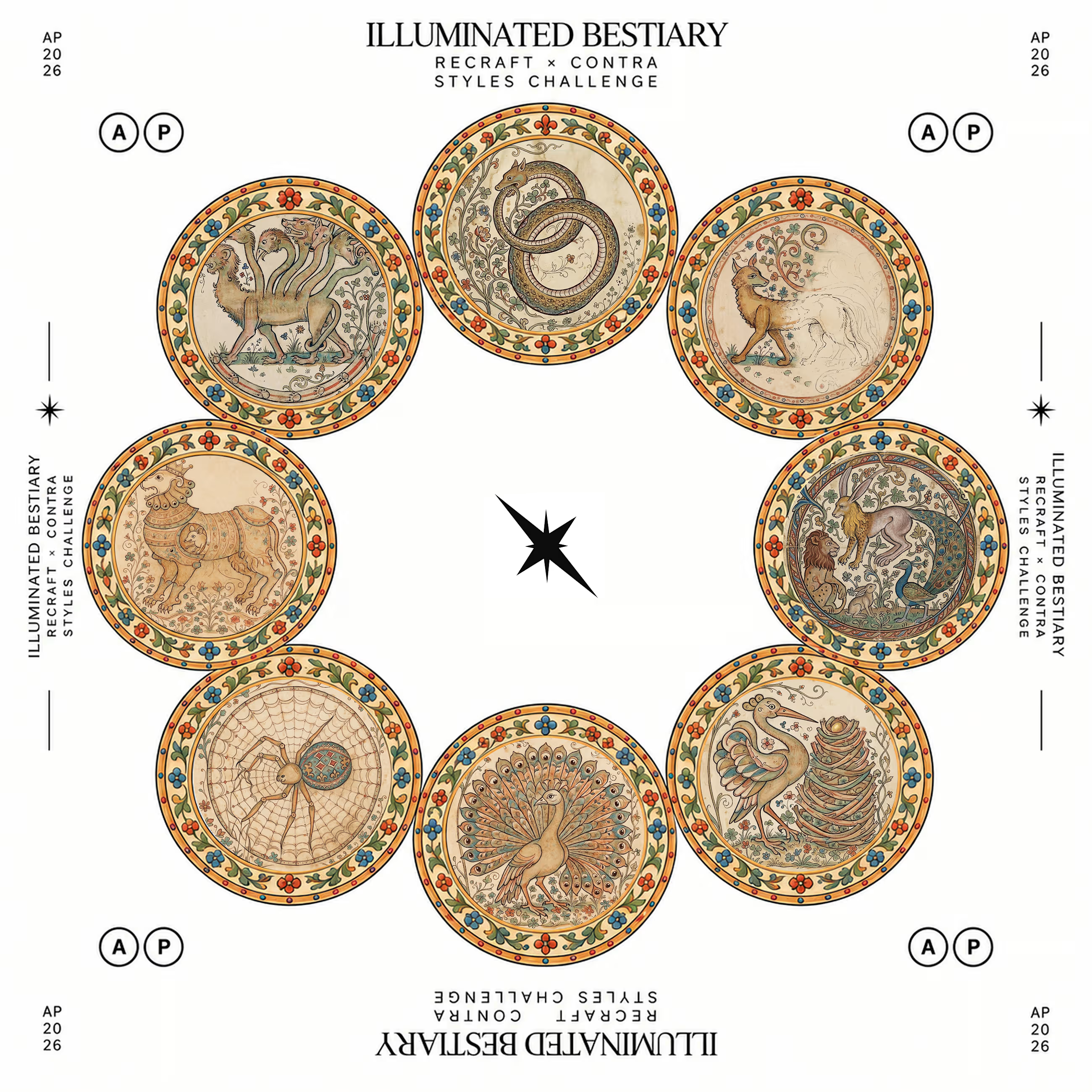
For the Recraft × Contra Styles Challenge, I created Illuminated Bestiary, a custom Recraft Style inspired by public-domain illustrations from 13th–15th-century manuscripts.
I used historical references from the Public Domain Image Archive to explore medieval animal anatomy, ornamental details, ink drawings, and muted natural pigments.
Then I applied the style to eight imaginary beasts, each representing a familiar modern behavior: overthinking, people-pleasing, doomscrolling, procrastination, ghosting, perfectionism, attention-seeking, and impostor syndrome.
The result is a collection of creatures that look like they belong in a centuries-old manuscript, even though their habits are very much our own.

Such a creative idea! Love how you’ve connected medieval art with modern human habits. The concept is both unique and relatable! 👏✨


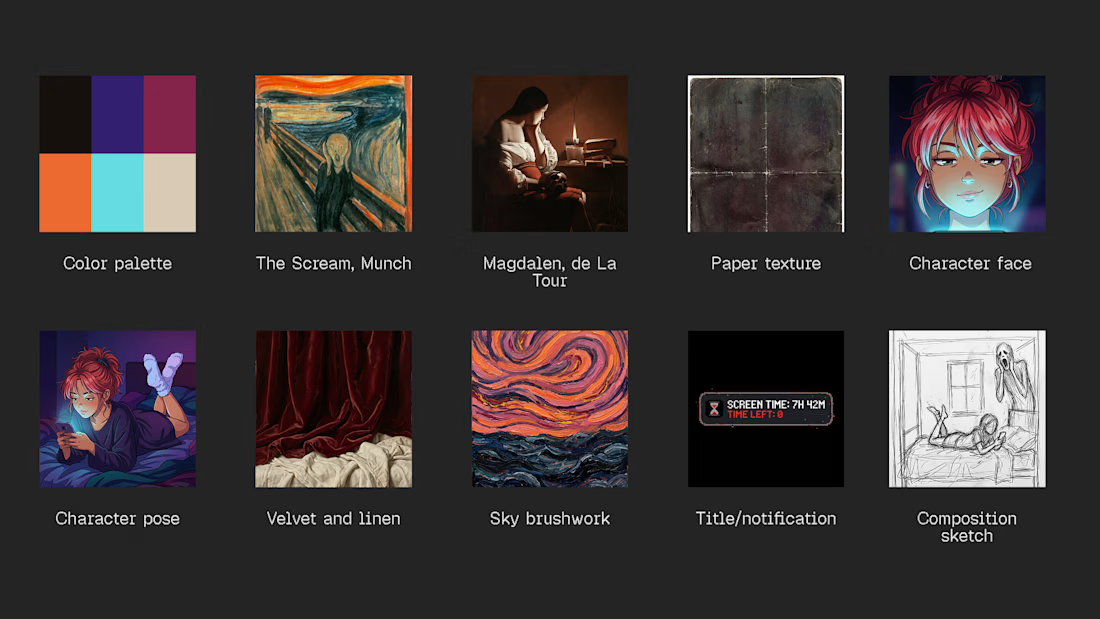
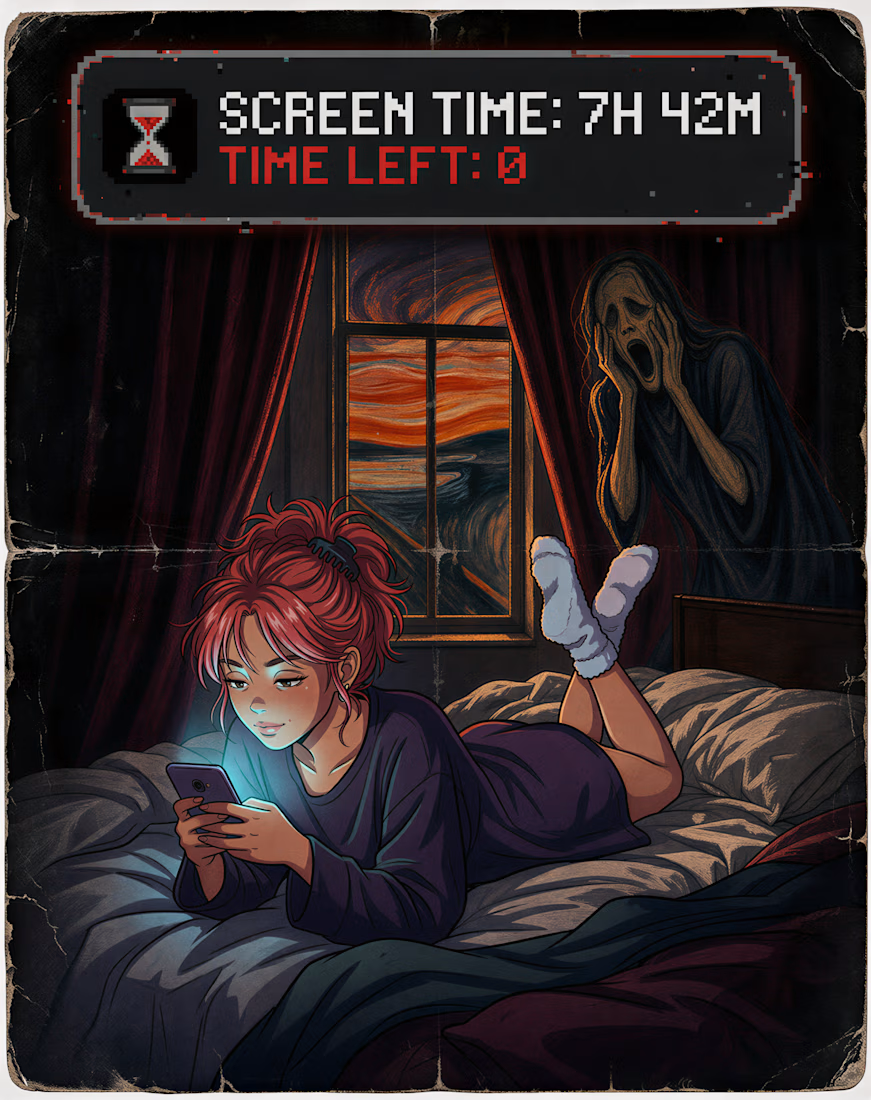
Can AI really juggle 10 REFERENCES? Let's put it to the test!! 👀
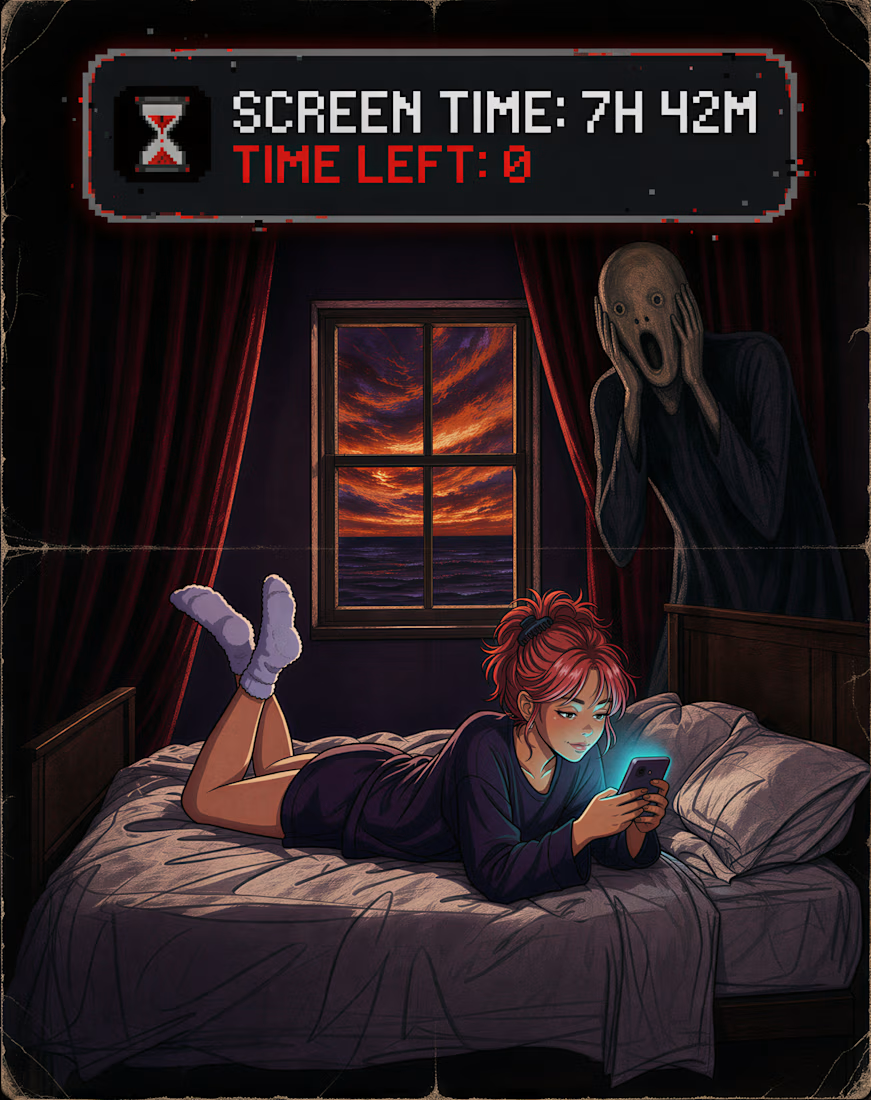
👁️ Goal: Create a Halloween poster: a girl doomscrolling in bed while Munch's Scream screams right behind her, and she doesn't notice, the title is "Screen time: 7h 42m. Time left: 0.", while mixing drastically different styles in my refs (anime, baroque chiaroscuro, Munch's expressionism, pixel art).
⚒️ Model: FLUX 3 Image Klein
🌪️ Process: I generated my refs (I love complicating my life yes) and garthered the original paintings, fed it to Flux with a detailed prompt on how to use each of the ref I uploaded.
I uploaded the two best results I got, but it was a few back and forth to get every detail correct! My rating on how the model respected each of my refs (average of both outcomes):
- Palette 5/5
- The Scream 3/5
- De La Tour lighting 3/5
- Paper texture 5/5
- Face 5/5
- Pose 5/5
- Velvet & linen 3/5
- Sky 2/5 (swapped my swirls for a sunset on the first one)
- Title 5/5
- Sketch 4/5 (because why was she filled on the second one!!)
✨ Overall rating: 4/5
✍️ Takeaway: Keep the refs very specific and your prompt very detailed. The model doesn't understand "vibes" (the paint swirls became a sunset) only but is very good at following precise instructions (pixel title was perfectly copied), unlike MidJourney for example which is very good at interpretingvibes.
Do you prefer outcome 1 or 2? 😱

Great job Hanna🎉🔥

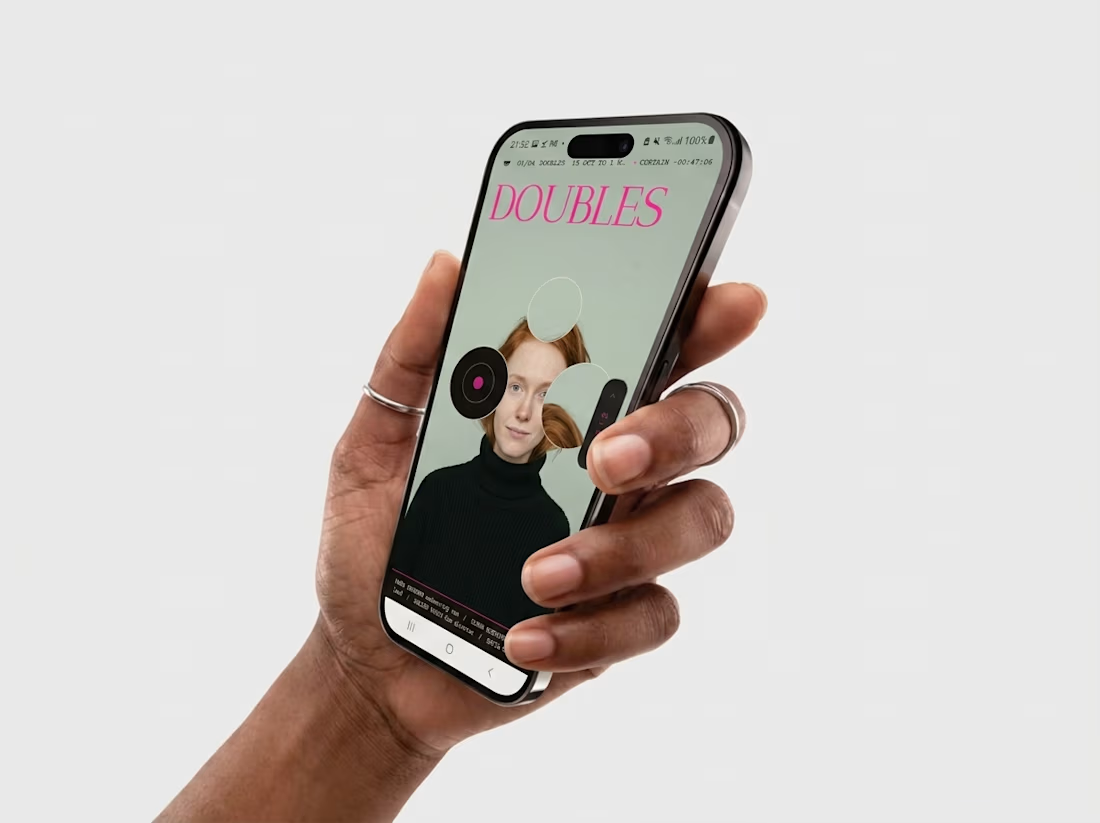
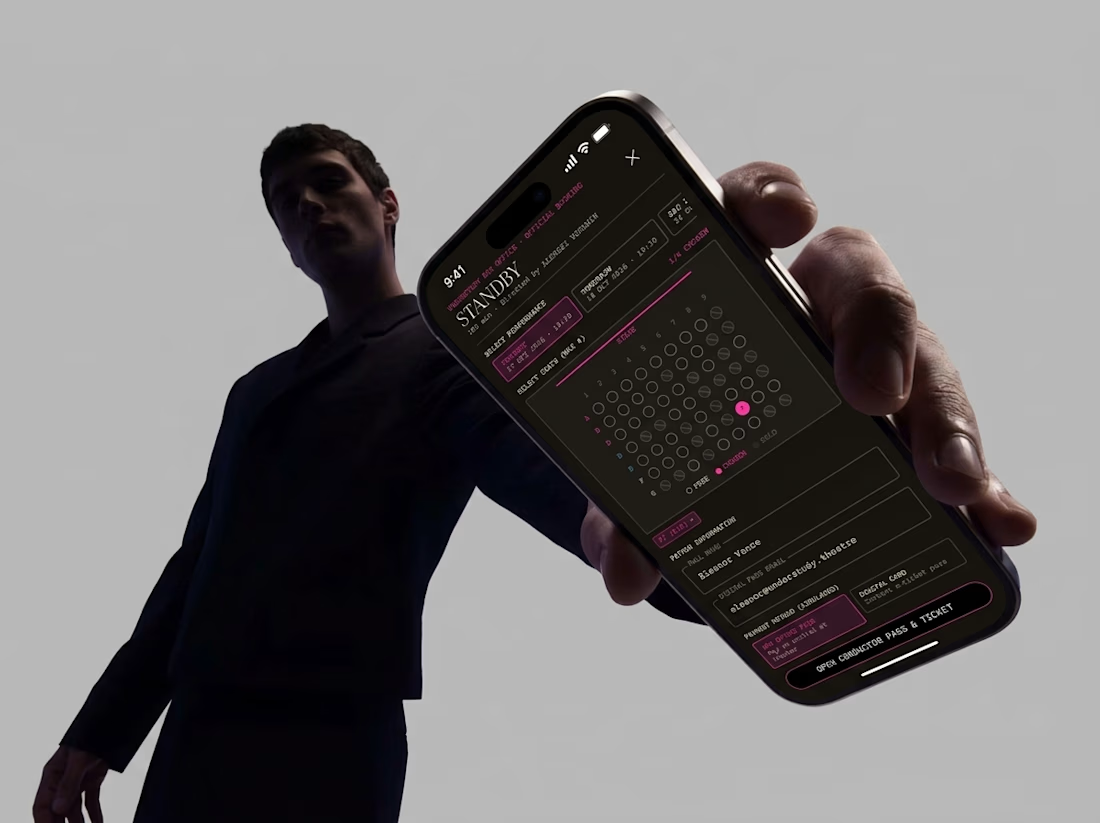
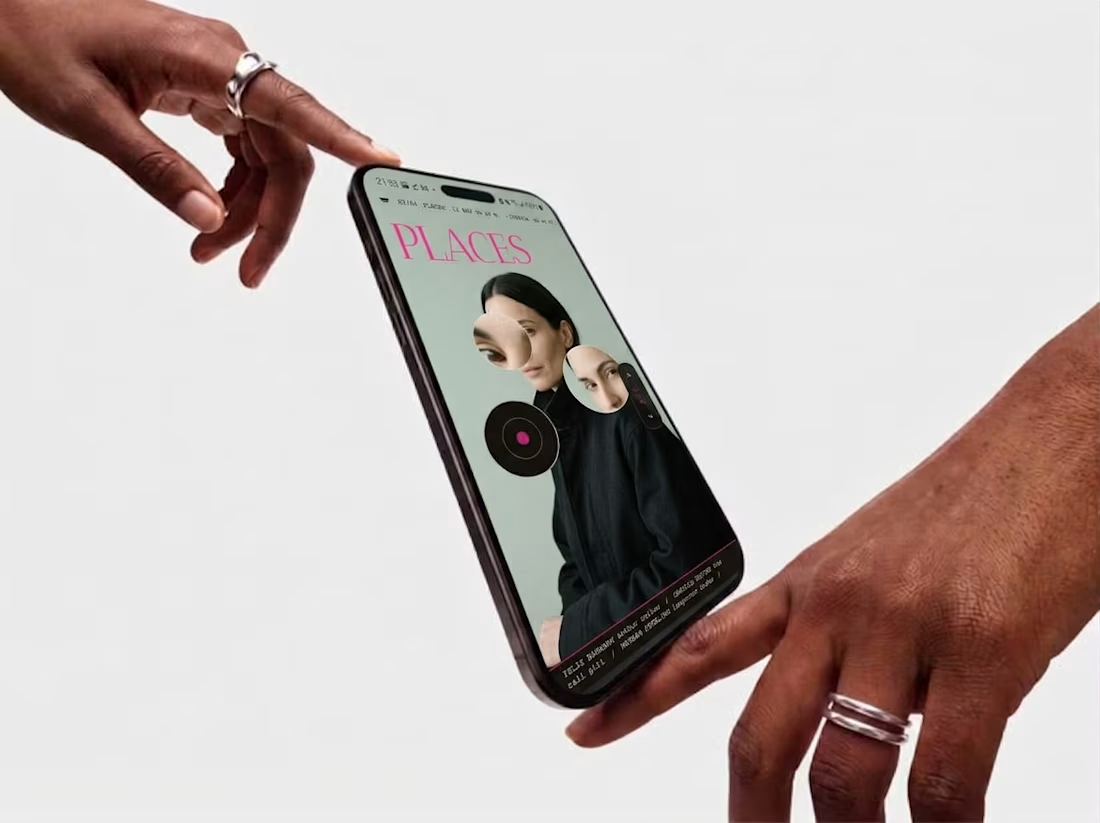
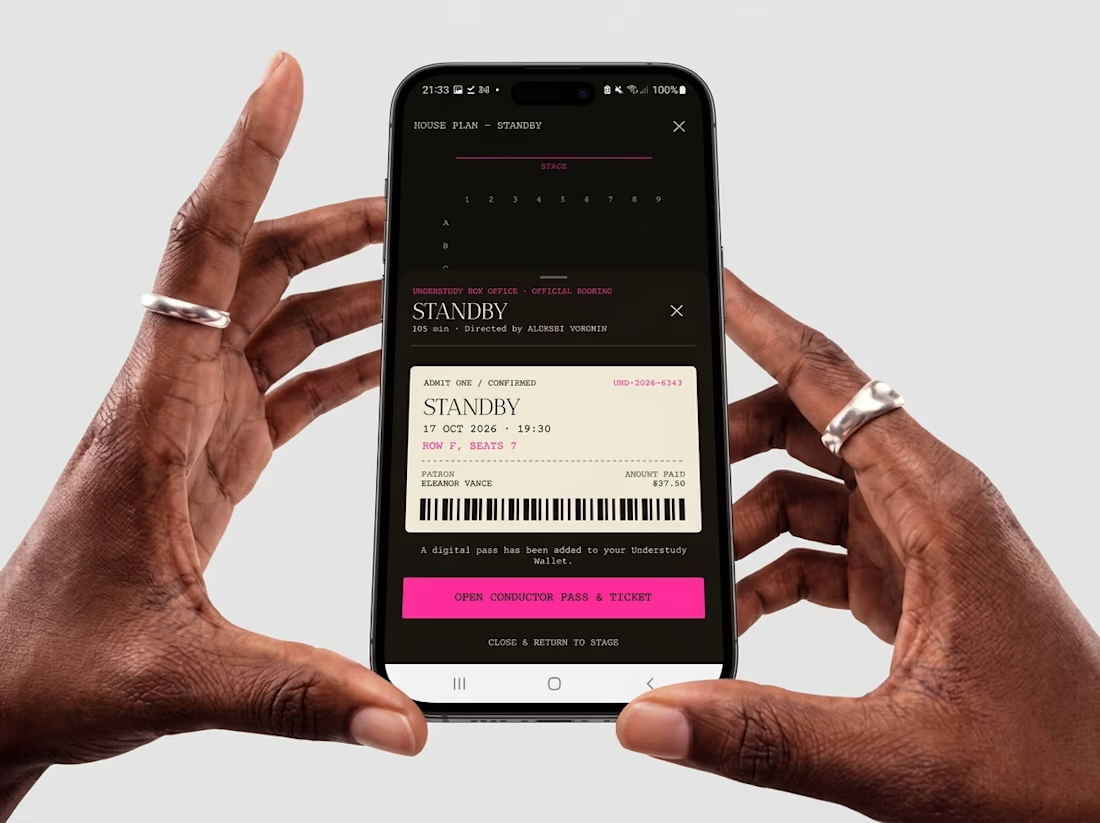
Friday app: Understudy
What if an app’s menu was a hole in a face?
UNDERSTUDY turns one circle into the interface: eyes open shows, voids open seat plans, and a typewriter clock counts down to curtain.