The network for creativity
Join 1.25M professional creatives like you
Connect with clients, get discovered, and run your business 100% commission-free
Creatives on Contra have earned over $150M and we are just getting started
Back to feedPost

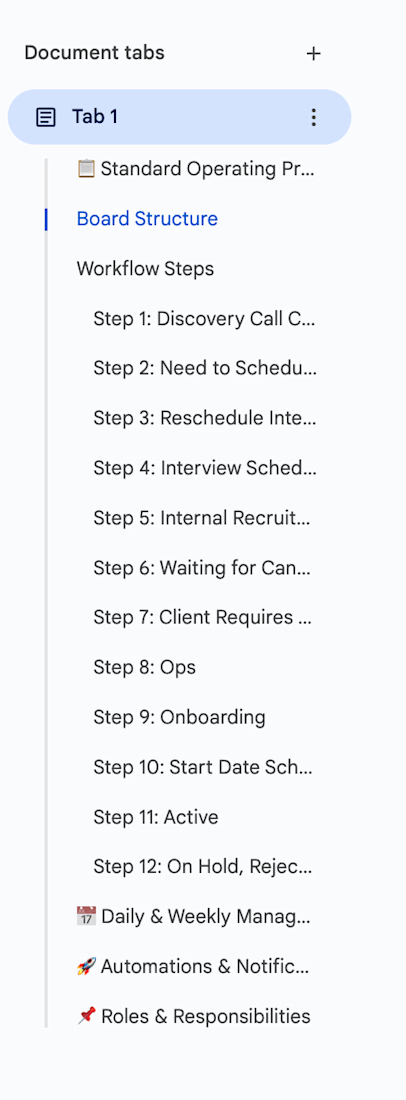
Recruitment breaks down when too much lives in people’s heads.
As teams scaled, I saw the same issues repeat: inconsistent handoffs, unclear ownership, and decisions depending on who happened to be online. So I documented the full recruitment workflow, step by step, into clear SOPs the team could actually use.
These SOPs turned tribal knowledge into a repeatable system and reduced friction across recruiting, ops, and account management.
Sharing a snippet here from that work.


The network for creativity
Join 1.25M professional creatives like you
Connect with clients, get discovered, and run your business 100% commission-free
Creatives on Contra have earned over $150M and we are just getting started







Related posts


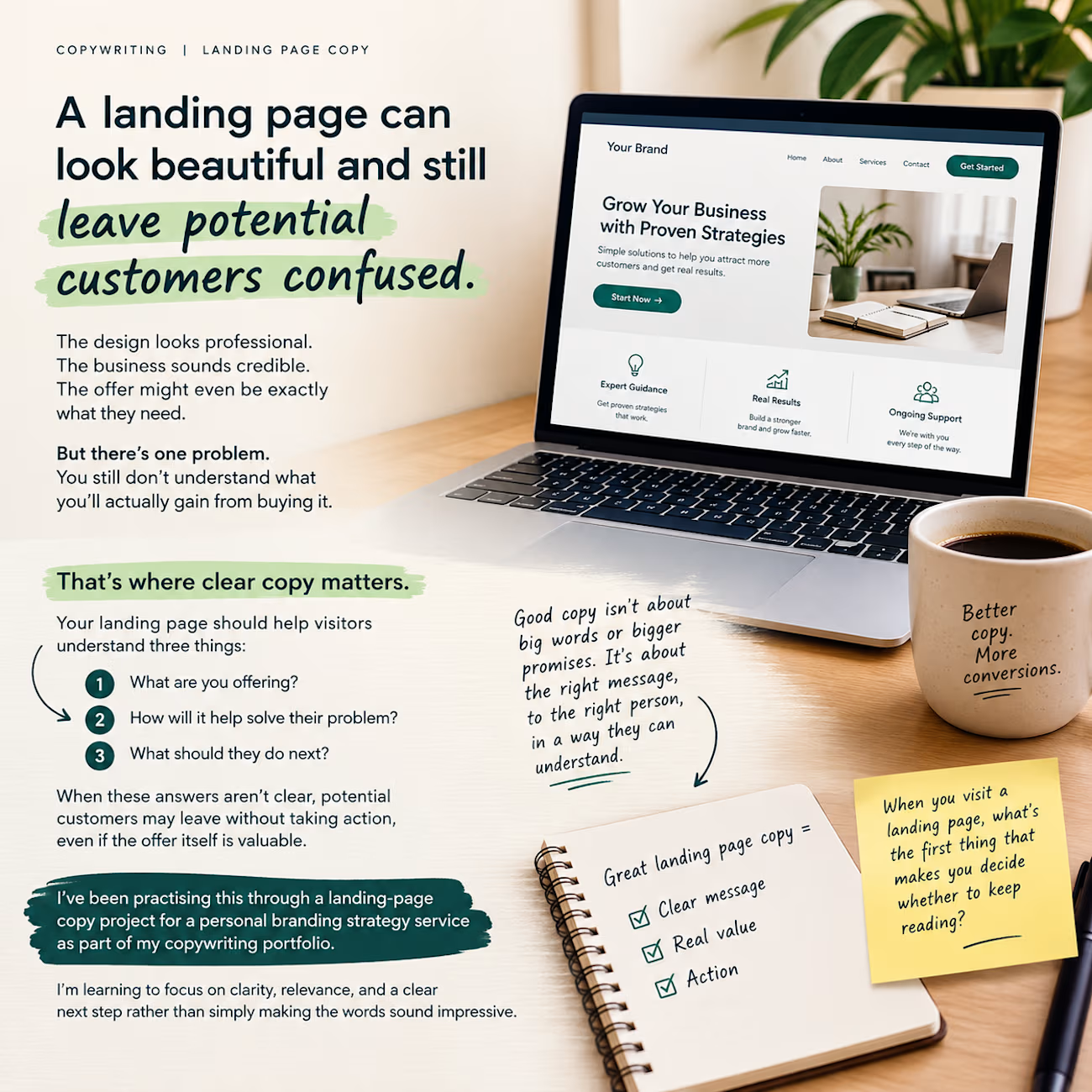
A landing page can look beautiful and still leave potential customers confused.
Imagine visiting a page for a service you’re interested in.
The design looks professional.
The business sounds credible.
The offer might even be exactly what you need.
But there’s one problem.
You still don’t understand what you’ll actually gain from buying it.
That’s where clear copy matters.
Your landing page should help visitors understand three things:
→ What are you offering?
→ How will it help solve their problem?
→ What should they do next?
When these answers aren’t clear, potential customers may leave without taking action, even if the offer itself is valuable.
Good copy isn’t about using complicated words or making bigger promises.
It’s about communicating the right message to the right person in a way they can understand.
I’ve been practising this through a landing page copy project for a personal branding strategy service as part of my copywriting portfolio.
I’m learning to focus on clarity, relevance, and a clear next step rather than simply making the words sound impressive.
When you visit a landing page, what’s the first thing that makes you decide whether to keep reading?

Absolutely. A landing page can look polished and still lose potential customers if the value isn’t clear.
I believe good copy doesn’t just explain what a product does — it helps people understand why it matters to them and what makes it worth choosing.
Curious to hear your take:...

Multi-agent AI system that automatically classifies and routes your customer support


classifying and routing support tickets with multiple agents is a solid pattern, how do you handle edge cases?