The network for creativity
Join 1.25M professional creatives like you
Connect with clients, get discovered, and run your business 100% commission-free
Creatives on Contra have earned over $150M and we are just getting started
Back to feedPost
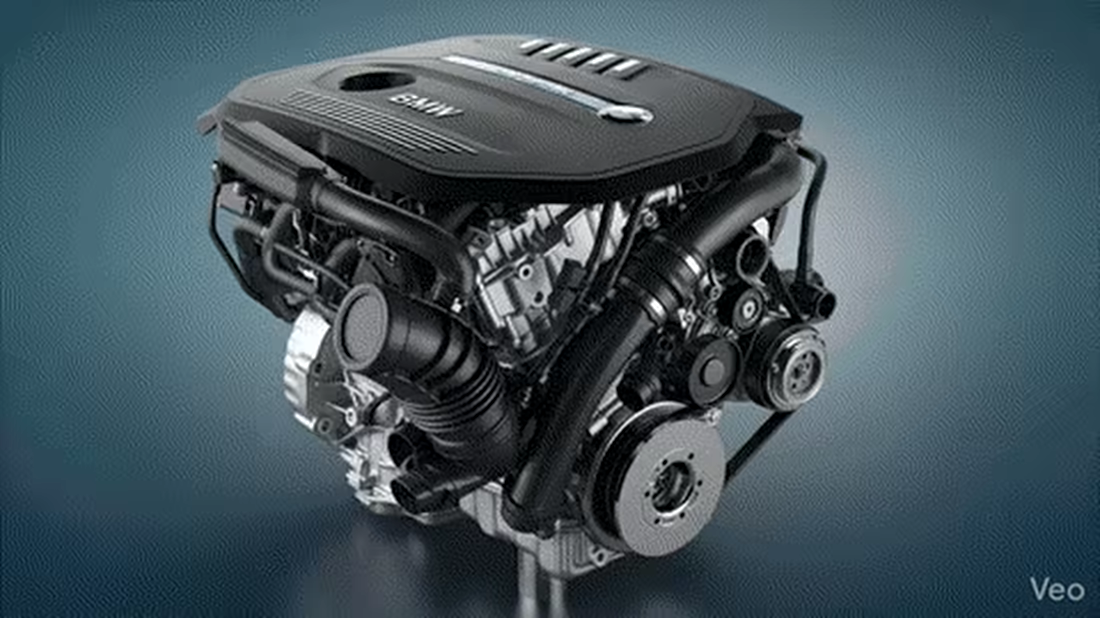
Turn a static photo into a professional ad instantly. ⚡️
0% Manual Editing. 100% Code & AI.
Built with #Remotion & Qwen3-TTS for automated inventory marketing. Sound on!


AMA!

wonderful!
The network for creativity
Join 1.25M professional creatives like you
Connect with clients, get discovered, and run your business 100% commission-free
Creatives on Contra have earned over $150M and we are just getting started








Related posts

URBAN DIGITAL PACK — 4 Agent-Built FX for Urban Music Videos
by Brauxelion®
URBAN DIGITAL PACK is a four-effect toolkit built entirely in invideo Editor using AI editing agents.
It includes Frame Kick (Shaker), Analog Burn (CRT), Hologrid, and Scan ID, designed for contemporary urban music videos.
Process: I started with my own urban music video footage, asked the invideo agent to build four custom effects for the pack, and then refined the timing, intensity, motion, distortion, and visual controls directly on the editable timeline.
The goal was to create a cohesive FX pack that turns complex manual editing techniques into customizable agent-built tools.
Enjoy.


I love your idea
And always look forward to you video edits
Great one

True

Manual work is always better than ai slop you can use ai for some clips but full video made with ai is unprofessional and a waste of money and resources

good one

Made this Static ads for a payment platform
what do you think?
#motion #designer

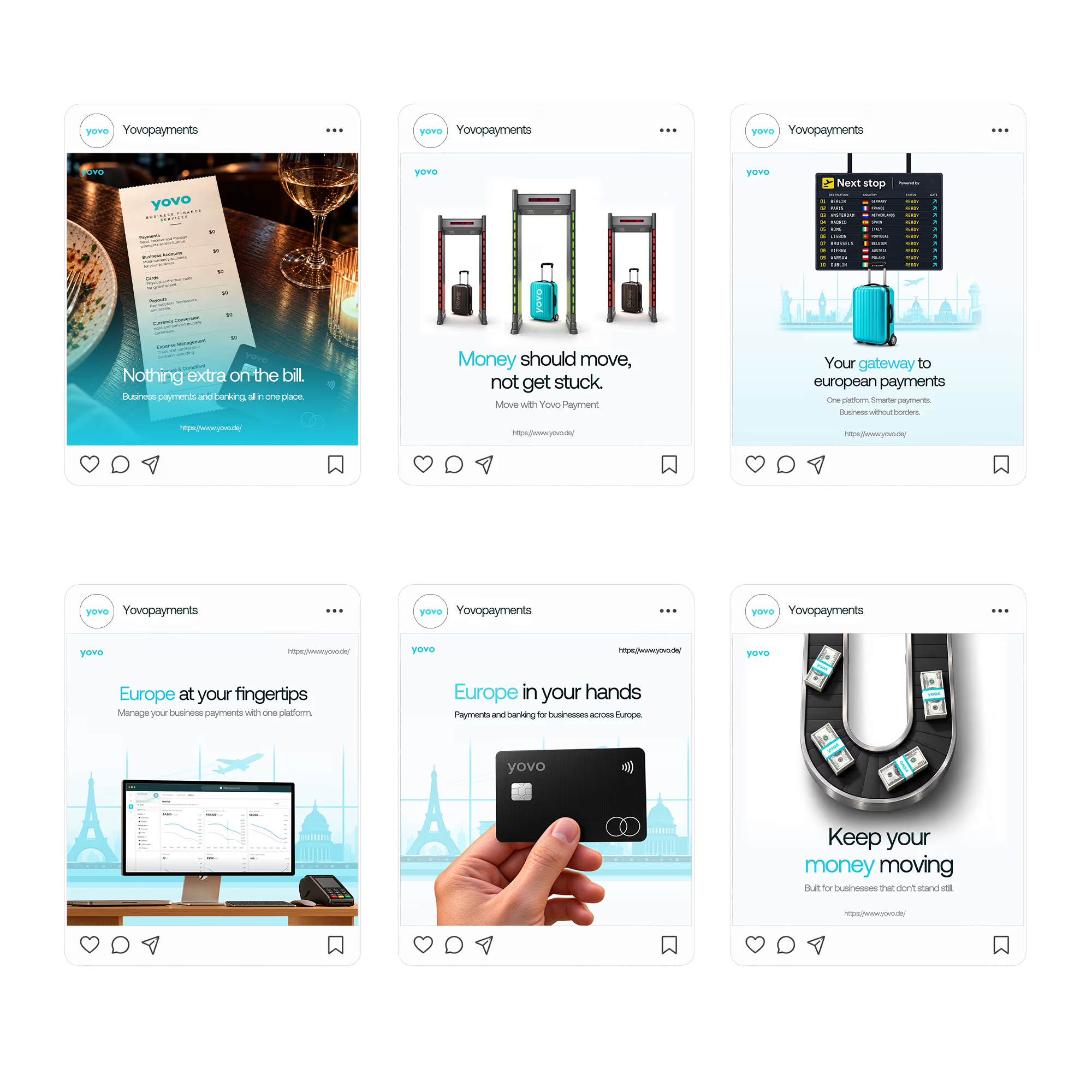

Pairing one physical object per tile (the menu, the security gate, the card) with a short headline keeps six ads feeling like a single system. Which of them ended up pulling the most attention, the literal card shot or one of the metaphor ones?