The network for creativity
Join 1.25M professional creatives like you
Connect with clients, get discovered, and run your business 100% commission-free
Creatives on Contra have earned over $150M and we are just getting started
Back to feedPost

I've always worked on copy and brand strategy together. That's the role my boss/mentor gave to me in my very first agency job.
Whenever I had to write a strategy deck, I'd start thinking of numbers, market trends, and business, until one day, he said that this is fine, but you need to tell the client a story first, then weave in the numbers.
That simple advice turned around my perspective completely.
Recently, in a pitch related to a mango campaign, I added a little bit of insight-led storytelling to set the context and even though the insight is not crazy unique, it got the clients visualizing the idea and once someone visualizes your story, you've crossed a big hurdle.

The network for creativity
Join 1.25M professional creatives like you
Connect with clients, get discovered, and run your business 100% commission-free
Creatives on Contra have earned over $150M and we are just getting started











Related posts

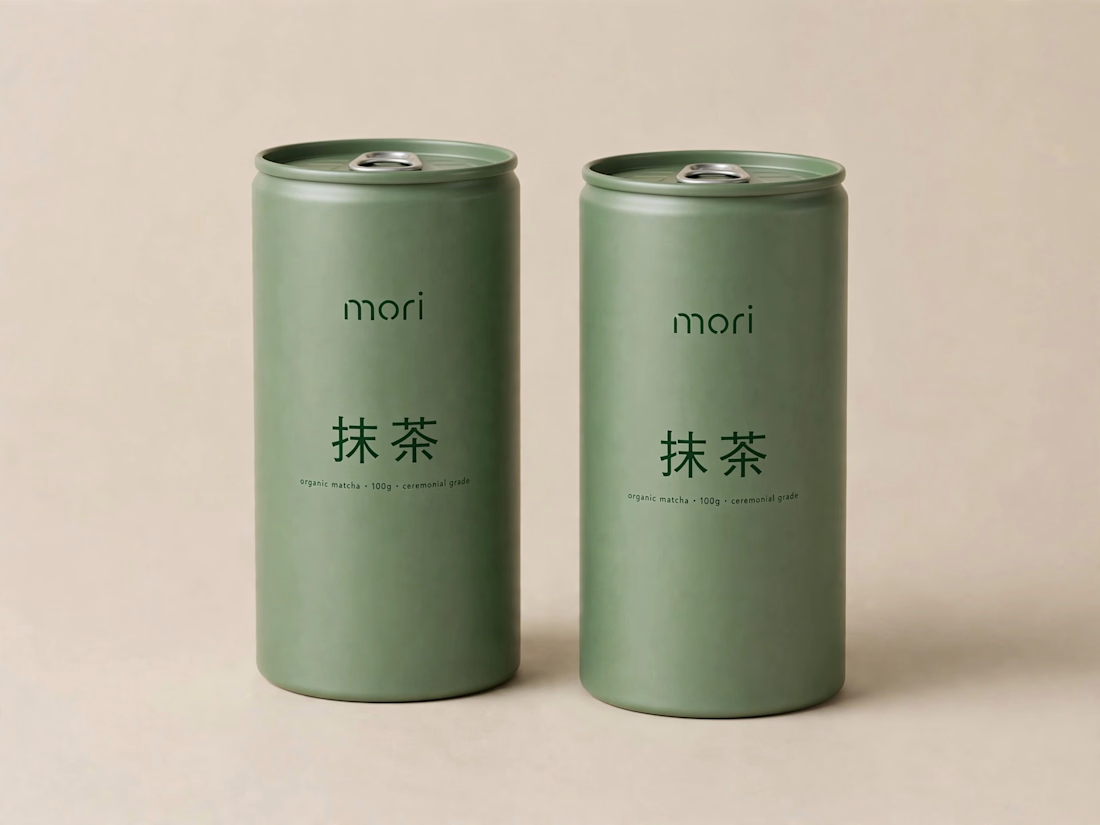
more visuals from my latest project — mori matcha 🍵
explored minimal Japanese packaging with earthy greens and calm typography.
focusing on premium ceramic cups and clean can design.
#branddesign #packagingdesign #visualidentity #brandstrategy #matcha #minimaldesign #japanesedesign #figma #mockup #branding







Slowly but surely on a mission to make sure that decks have brands and brands have decks!
What's your mission, I'm curious?
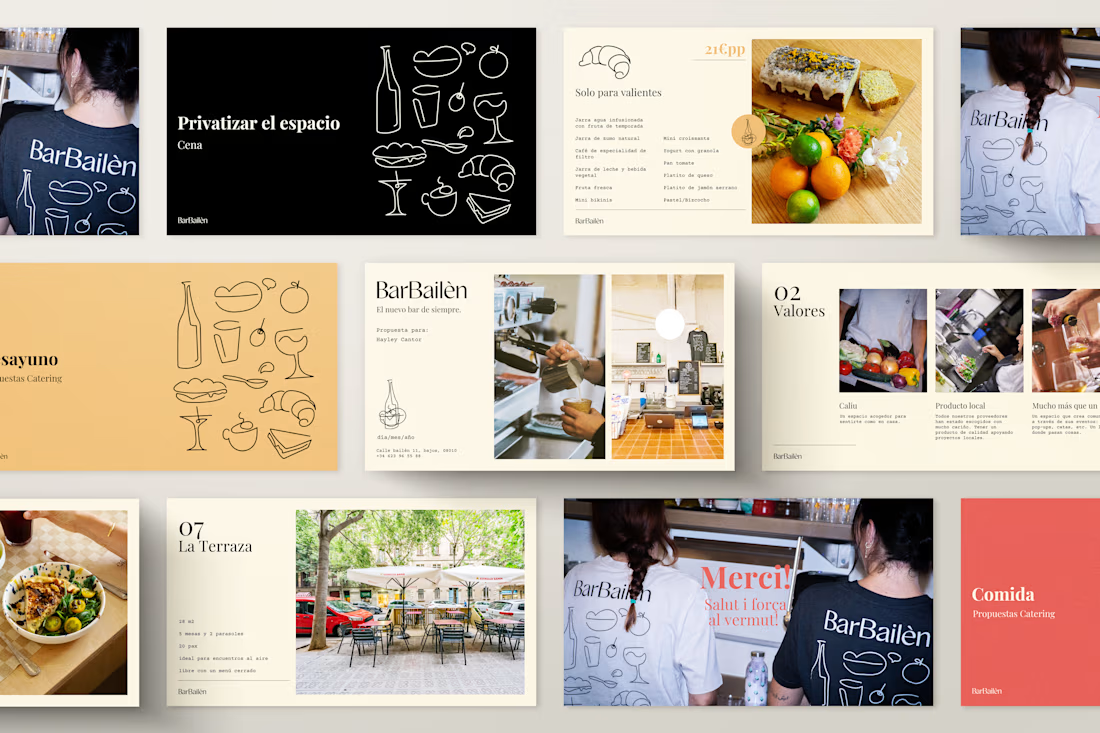
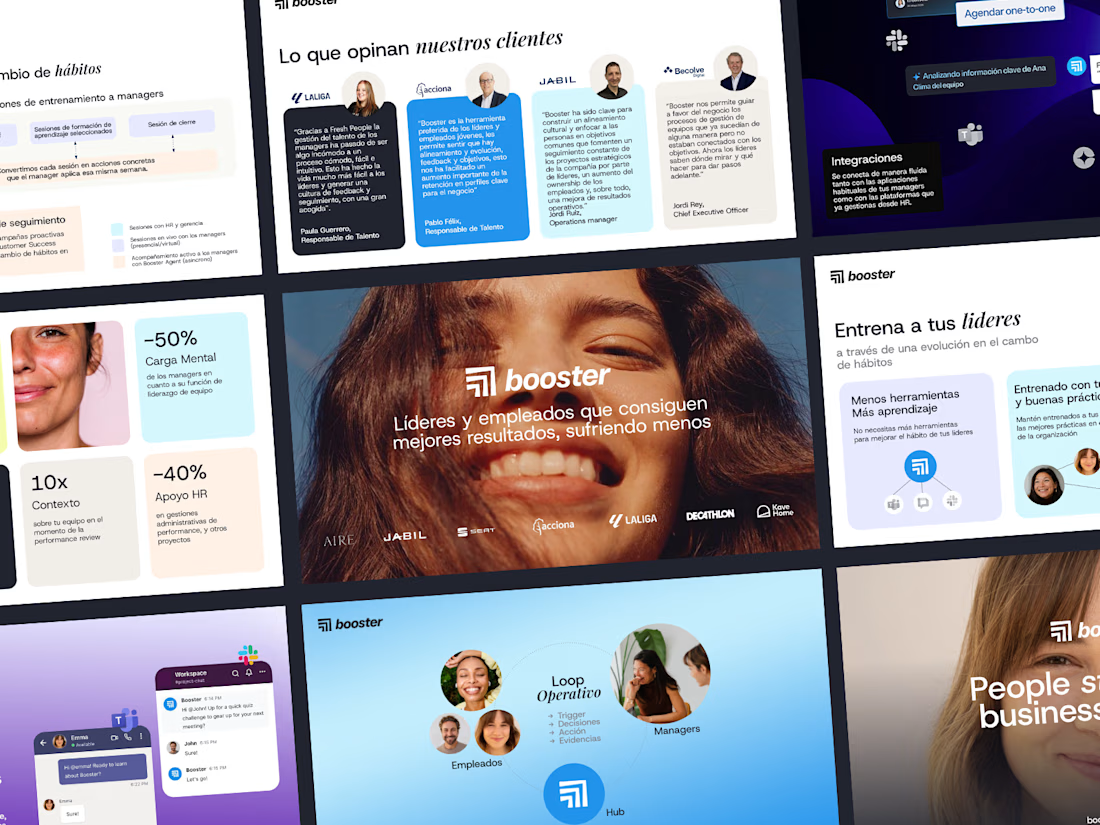
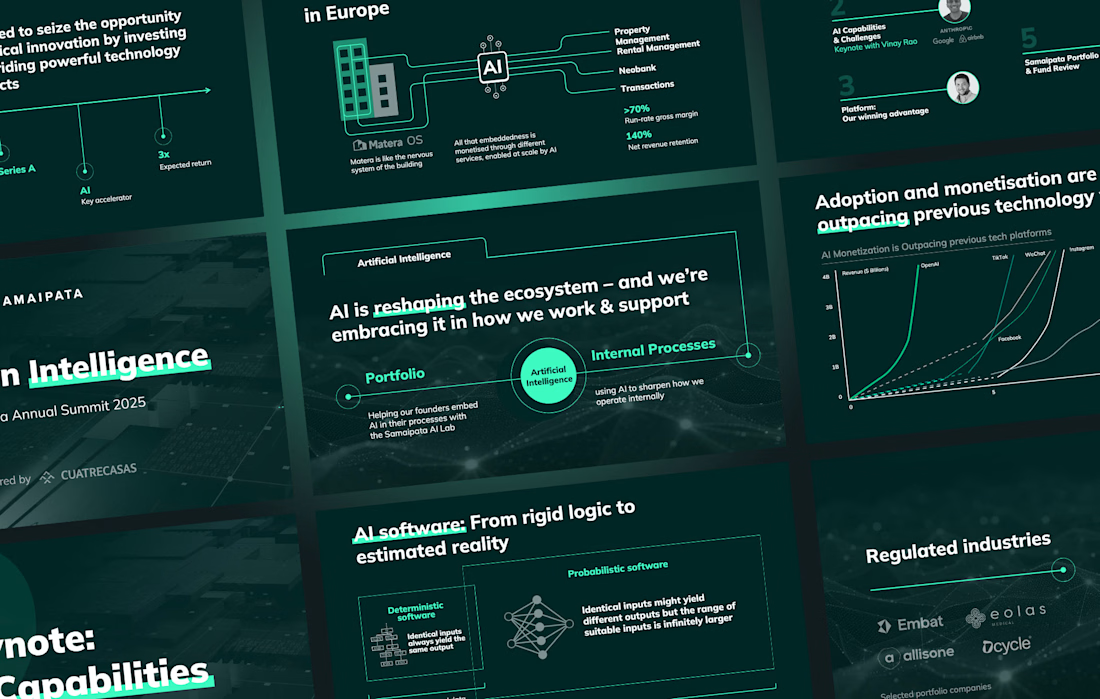
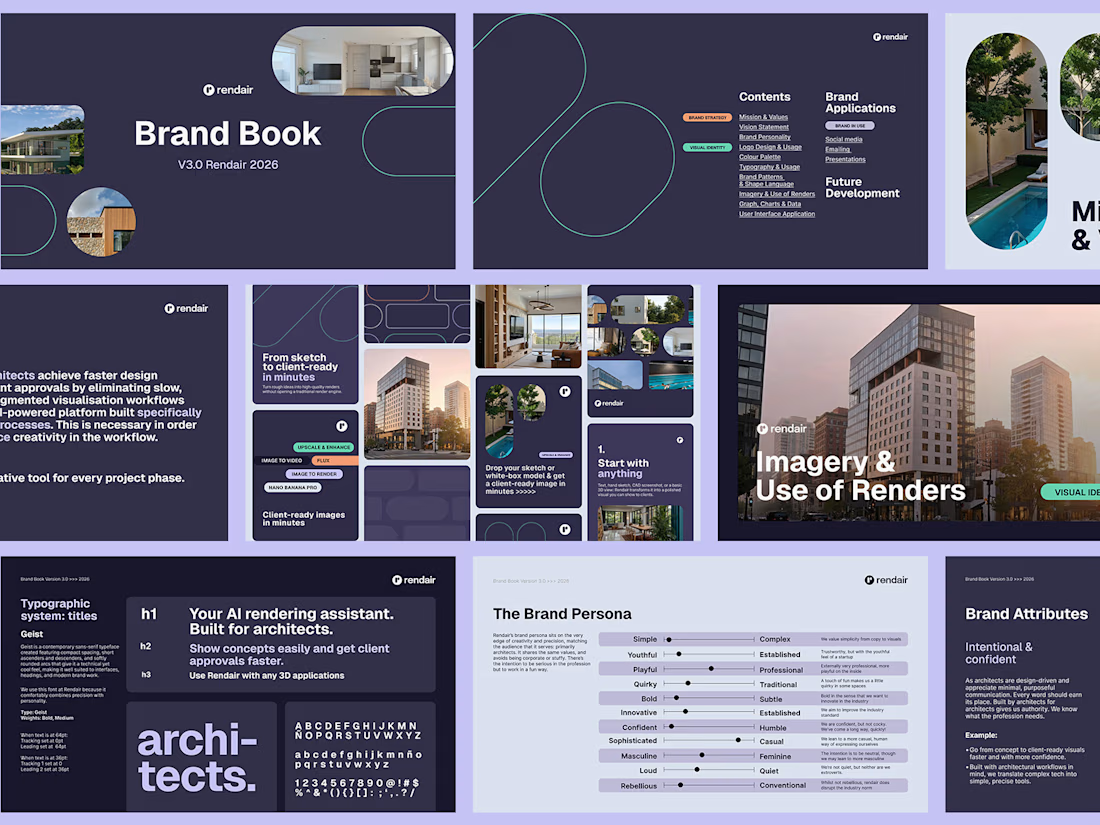

Mine is the same problem from the other side: making brand guidelines usable by whoever builds the next deck, not just the designer who wrote them. In your experience, what breaks first once decks leave your hands, the type hierarchy or the imagery rules?


A potential customer shouldn't have to work too hard to understand what your brand stands for.
Your visual identity should communicate the right signals before anyone reads your About page or speaks to your sales team.
Think about it.
A premium skincare brand shouldn't look indistinguishable from a discount cosmetics store. A technology company shouldn't look outdated if it wants to be perceived as innovative. A financial institution shouldn't communicate uncertainty when its business depends on trust.
Every design decision contributes to perception.
Typography, colour, spacing, imagery, composition, and tone of voice all influence how people interpret a business.
My job as a brand designer is to make those signals intentional.
The goal isn't simply to make a brand look good. It's to make it look right for the market it wants to own.
#BrandPositioning #BrandIdentity #BrandDesign