The network for creativity
Join 1.25M professional creatives like you
Connect with clients, get discovered, and run your business 100% commission-free
Creatives on Contra have earned over $150M and we are just getting started
Back to feedPost

Customer Success isn't measured by how many customers you support.
It's measured by how well you understand, retain, and grow them.
So, how do you know if your Customer Success strategy is actually working?
In Part 3 of my BukkiBooks CS Series — “Measuring What Matters,” I break down four key metrics every Customer Success Manager should understand:
NPS • Customer Lifetime Value • Churn Rate • Customer Health Score
These metrics help turn customer data into actionable insights — from understanding loyalty and long-term value to identifying retention risks and early warning signals.
I created this project to demonstrate how I think and operate as a Customer Success Manager: customer-centric, data-informed, proactive, and focused on retention and growth.
🎬 Watch Part 3: Measuring What Matters.
Looking for a Customer Success Manager who can turn customer insights into meaningful action? Let's connect.
Miriam Awak
Customer Success Manager
Founder, Aritzmendis Limited
Customer Success • Client #AritzmendisLimited


The network for creativity
Join 1.25M professional creatives like you
Connect with clients, get discovered, and run your business 100% commission-free
Creatives on Contra have earned over $150M and we are just getting started










Related posts

It’s been a minute since my last post here on Contra.
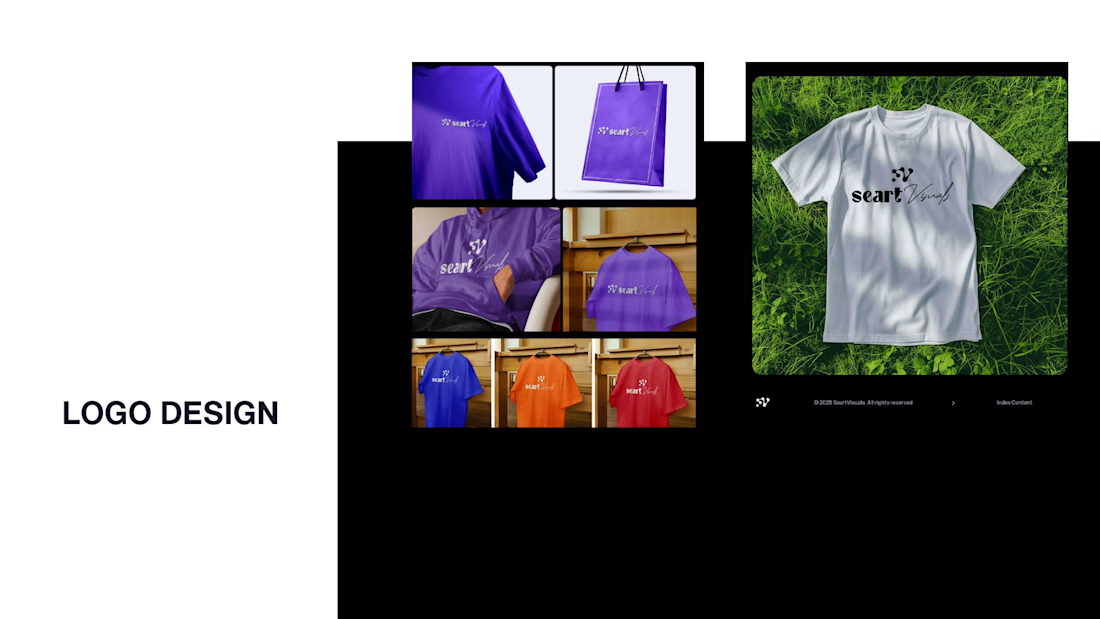
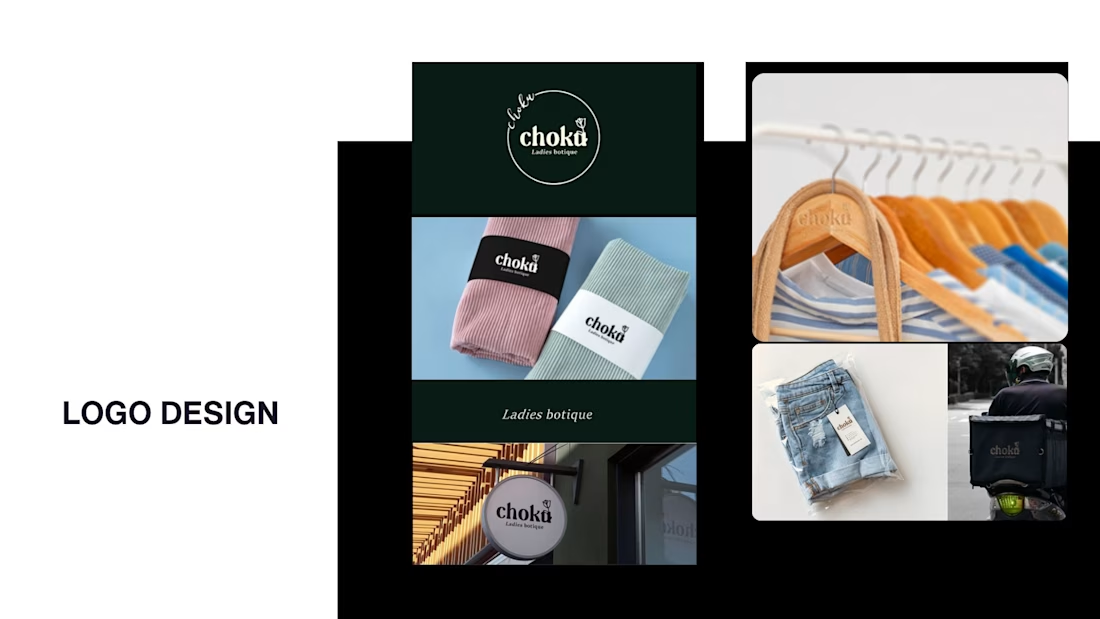
While my main focus usually lives in photo editing and digital design, I was digging through the archive recently and thought it’d be fun to share a couple of branding projects from the past:
Slide 1: Seart Visuals apparel & merchandise branding (1 year ago)
Slide 2: Choku Ladies Boutique identity and mockups (2 years ago)
Brand identity isn't my everyday lane, but tackling projects like these taught me a lot about visual consistency across different mediums. I’d love to hear your thoughts or see any feedback from fellow designers. Great to connect with the community again.



That's really great typography logo design❤️❤️

A cinematic AI-assisted real estate property showcase created to demonstrate how luxury properties can be presented through engaging video content.
This vertical video features cinematic exterior shots, detailed interior showcases, lifestyle amenities, and a professional call to action.
Services demonstrated:
AI Real Estate Video Creation
Cinematic Property Showcases
Social Media Reels
AI-Assisted Video Editing
Property Marketing Content
Created as a self-initiated portfolio project to showcase my creative capabilities in AI-powered real estate marketing.

That's really stunning Cinematic view is stunning Felicisimo🔥🔥

The X pricing pool launch video was only 10s so made it 30s with more understanding
Next launch can be yours, DM me


Clean motion, great job!