The network for creativity
Join 1.25M professional creatives like you
Connect with clients, get discovered, and run your business 100% commission-free
Creatives on Contra have earned over $150M and we are just getting started
Back to feedPost

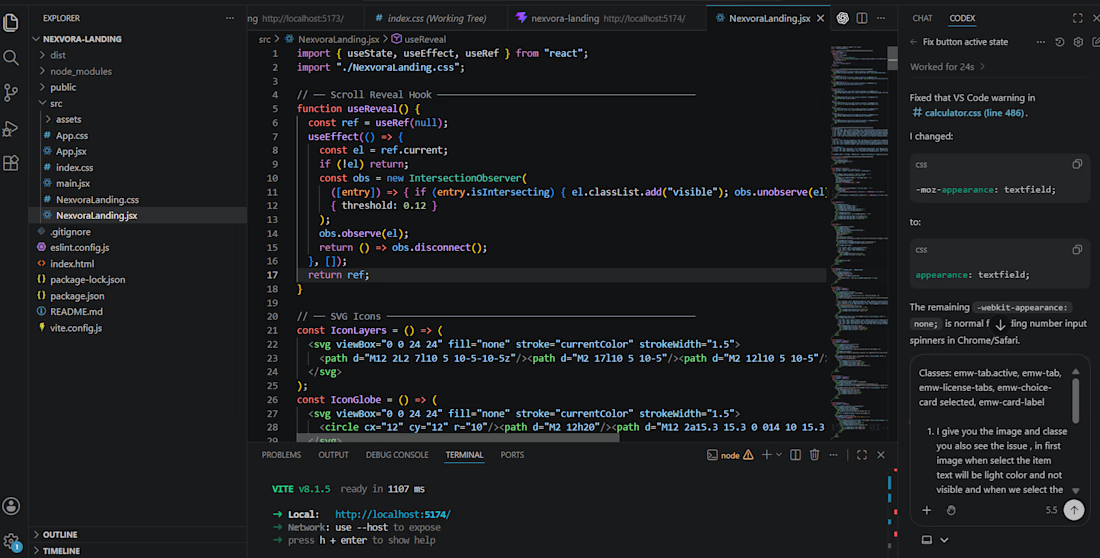
Everyone is talking about Vibe Coding in 2026.
Here's my honest take as a developer who actually uses AI every day:
Vibe coding is powerful. But it's not a shortcut.
The internet makes it look like this:
→ Type a prompt
→ Get a full app
→ Ship it
→ Profit
The reality I've seen:
→ AI writes code fast
→ But AI doesn't understand YOUR client's business
→ AI doesn't catch edge cases it wasn't told about
→ AI doesn't take responsibility when production breaks
You still do.
What actually changed for me:
→ I spend less time on repetitive boilerplate
→ I spend MORE time on architecture, logic, and review
→ My role shifted from just writing code to governing what gets shipped
The developers struggling with vibe coding are the ones who stopped thinking.
The ones winning are the ones who use AI as a junior dev — review everything, trust nothing blindly.
I've built React apps, web flow, Shopify and WordPress sites, and full automation workflows using AI tools. The output is only as good as the developer reviewing it.
AI made me faster. It didn't make me less necessary.
What's your experience with vibe coding? Are you using it or avoiding it? 👇

The network for creativity
Join 1.25M professional creatives like you
Connect with clients, get discovered, and run your business 100% commission-free
Creatives on Contra have earned over $150M and we are just getting started



Related posts


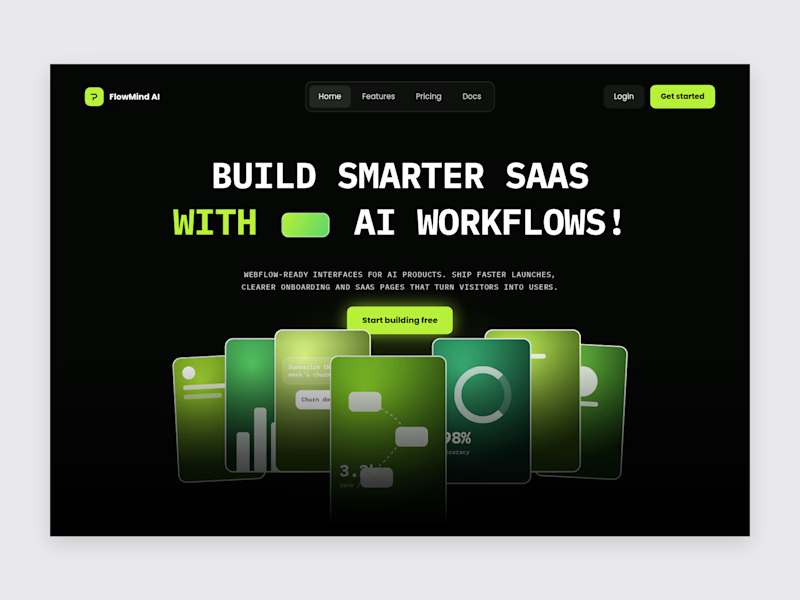
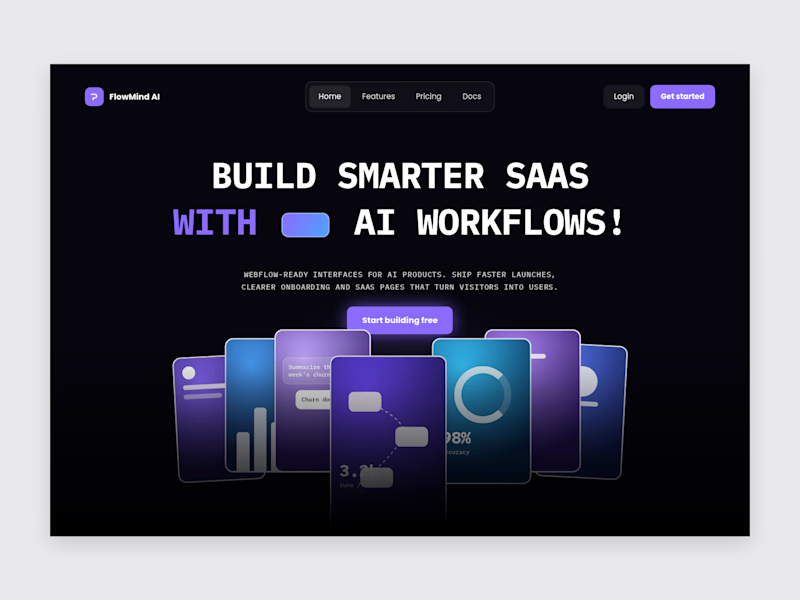

Violet/blue look pretty

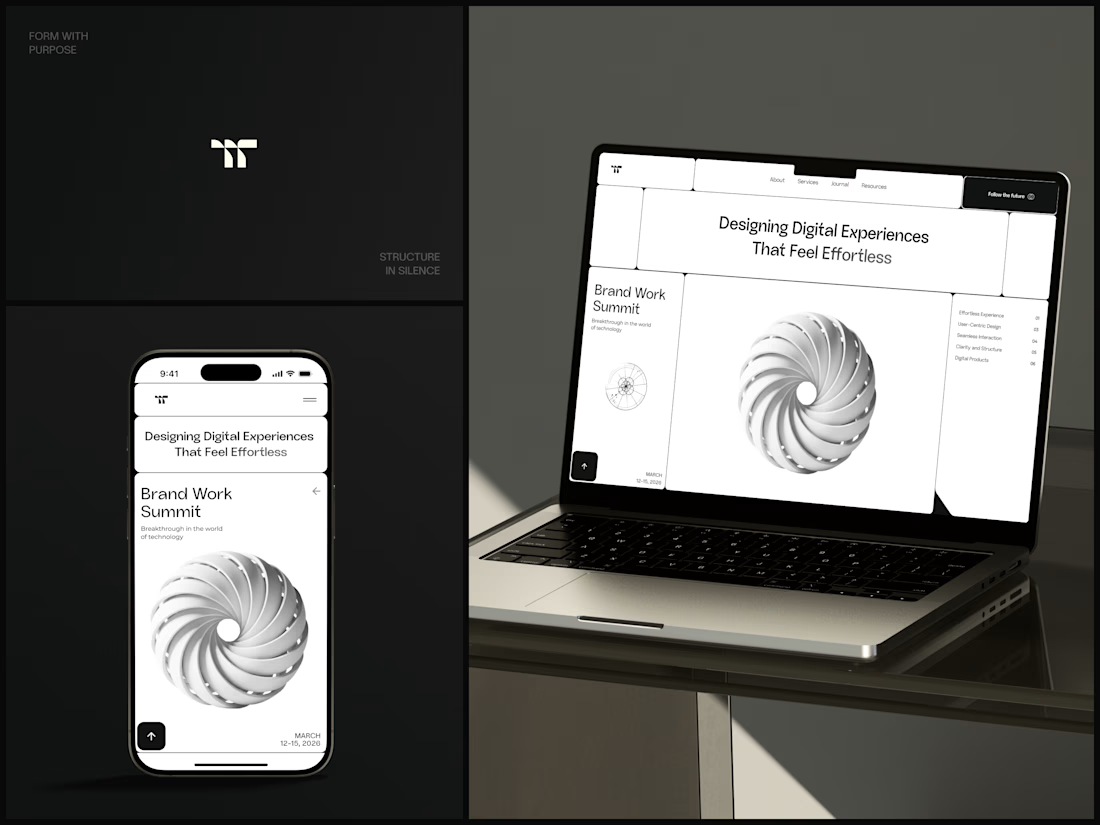
Design Agency Website
Only one cell on this homepage is black.
The rest of the page is a grid of rounded white cells: the headline, an event card, a white 3D spiral and a list of services. The black one, top right, holds the "Follow the future" button and stands out against all that white.
On the phone, the cells stack into a single column. The navigation folds into a menu icon, and the event card and spiral merge into one cell.
The headline reads "Designing Digital Experiences That Feel Effortless", so the grid has to look organized before anyone reads a word.
Designed by the Hue & Machine team.
#DesignAgency #WebDesign #AgencyWebsite #LandingPage #BentoGrid #MinimalDesign #UIDesign #ResponsiveDesign #MobileDesign #FigmaDesign


Looks cool

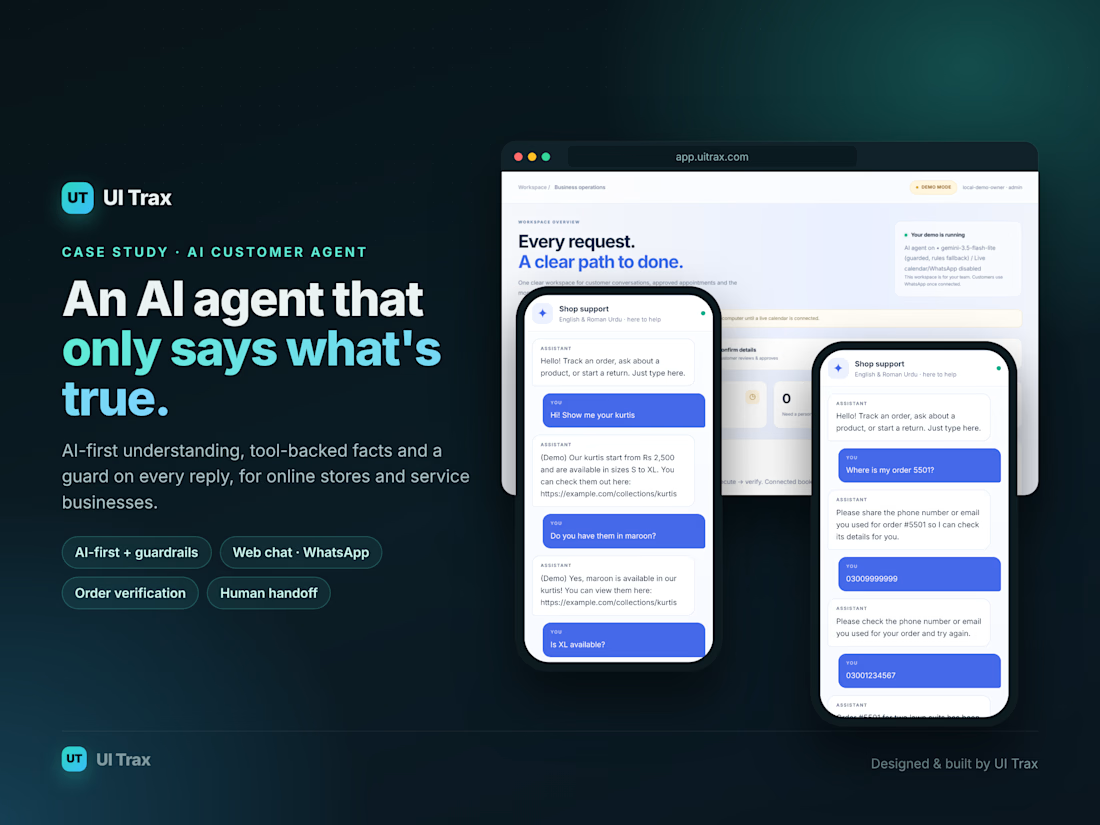
Worth a read if you're building AI support for e-commerce.
UI Trax gets the hard parts right: answers grounded in real store data, order lookups only after verification, a guard on every reply, and a clean handoff to humans with an AI summary.
Reliable AI agents come from architecture, not just prompts. This case study shows it.
#AIAgents #Ecommerce #CustomerSupport #AI
Check it out

The verification step before an order lookup caught my attention. For patient intake, I would similarly verify identity before retrieving records and limit the handoff summary to what staff need. I would also flag uncertainty rather than presenting an unverified summary as fact.