The network for creativity
Join 1.25M professional creatives like you
Connect with clients, get discovered, and run your business 100% commission-free
Creatives on Contra have earned over $150M and we are just getting started
Back to feedPost

Online Store in Pipedrive CRM
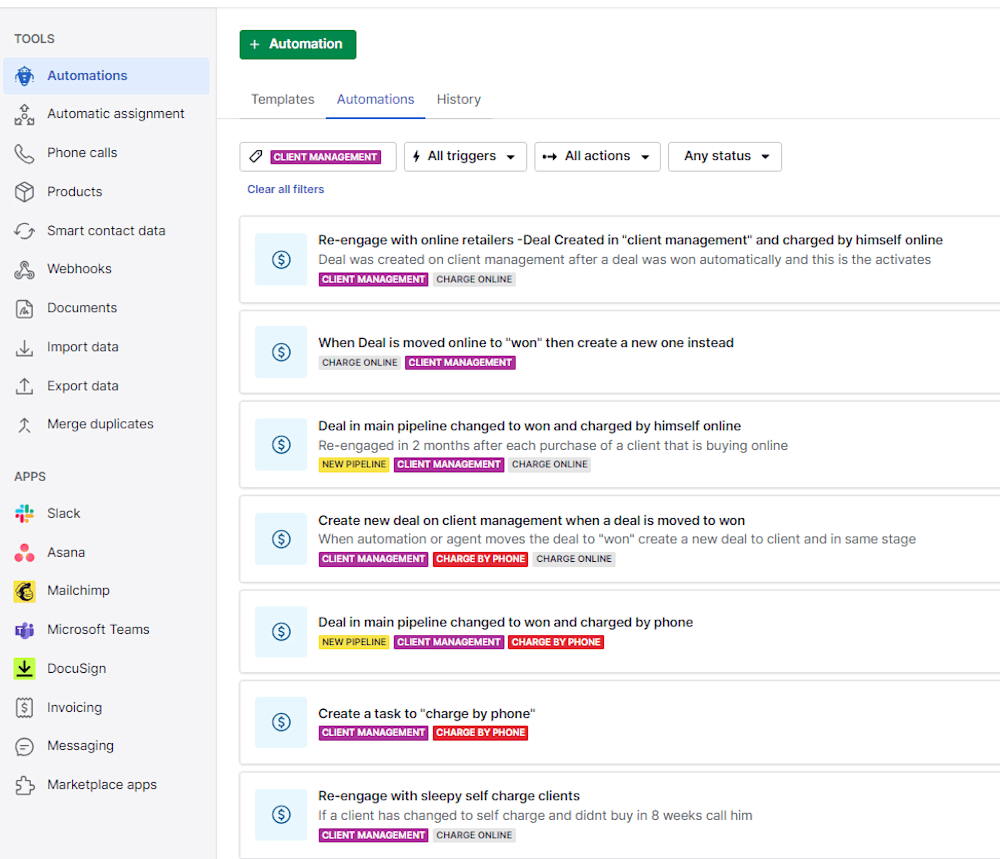
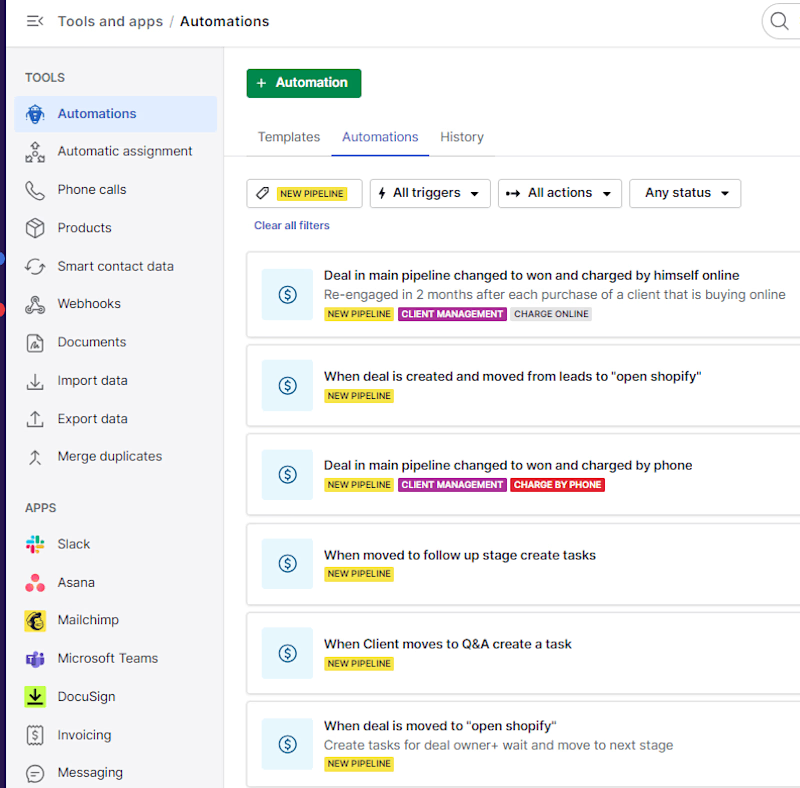
I tackled challenges for an international Shopify store, optimizing retailer onboarding and sales. Issues included complex global onboarding and manual Shopify-to-Pipedrive syncing.
Problem Identification:
Global Onboarding: Employees worldwide faced a complex onboarding process, impacting sales.
Manual Syncing: Manual Shopify-to-Pipedrive transfer caused errors, delays, and correlation issues.
Solution Implemented:
In collaboration, I streamlined the sales process:
Onboarding Simplification:
Redesigned onboarding for global retailers, incorporating automated processes and pre-made sales scripts.
Sales Automation:
Implemented automated email sequences for effective follow-ups and re-engagement.
Integrated sales scripts into automated processes.
Shopify to Pipedrive Automation:
Established seamless Shopify-to-Pipedrive connectivity via external automation.
Automated data transfer for efficiency.
4.Business Intelligence (BI) Reporting:
Introduced real-time BI reports for key metrics, aiding informed decision-making.
Outcome:
The result—efficient onboarding, improved sales communication, and streamlined operations.
Want to hear more? send me a message!


The network for creativity
Join 1.25M professional creatives like you
Connect with clients, get discovered, and run your business 100% commission-free
Creatives on Contra have earned over $150M and we are just getting started











Related posts

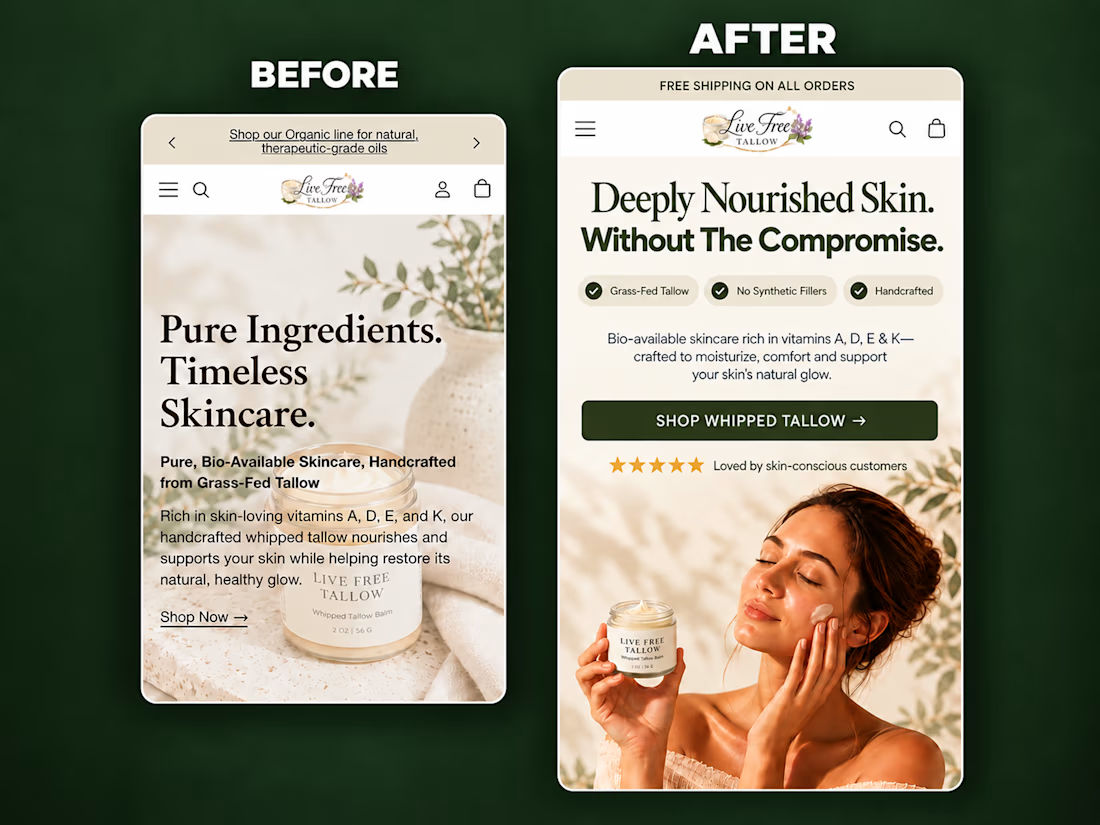
A self-initiated homepage hero redesign concept for Live Free Tallow, created to demonstrate how stronger visual hierarchy and clearer messaging can improve the mobile shopping experience.
The original hero had a compelling product, but the copy competed with the imagery, the product lacked visual prominence, and the next action wasn’t immediately clear.
For the redesign, I focused on:
• A sharper product-in-use lifestyle visual
• A clear, benefit-led headline
• Scannable product differentiators
• Improved spacing and visual hierarchy
• Social proof positioned near the CTA
• A prominent, action-focused shopping button
• Keeping the product and CTA visible above the fold
The result is a cleaner and more premium hero section that helps visitors quickly understand what the product is, why it is different, and where to go next.
I design and build conversion-focused Shopify landing pages, product pages and homepage sections for DTC brands.
Need help improving your store’s customer journey? Let’s work together.



Putting the proof next to the CTA is the right call on mobile. Did you check how much of the hero fits above the fold on a 390px-wide screen once the browser bar is counted? That's usually where the review stars get pushed out.

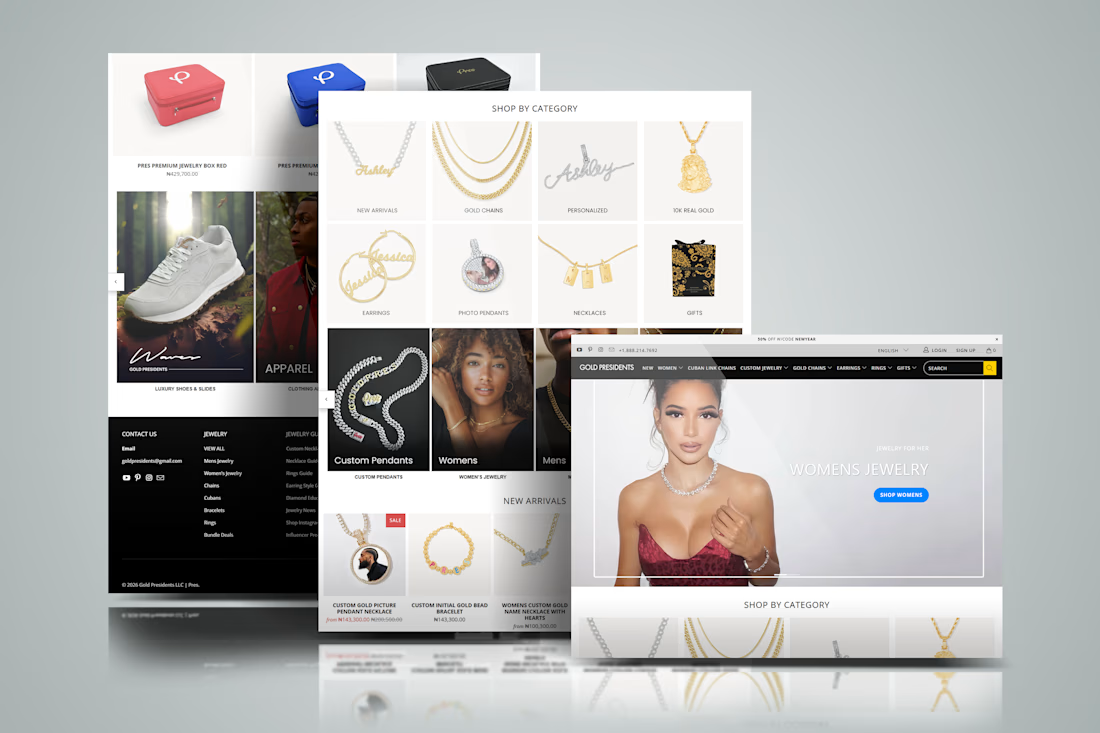
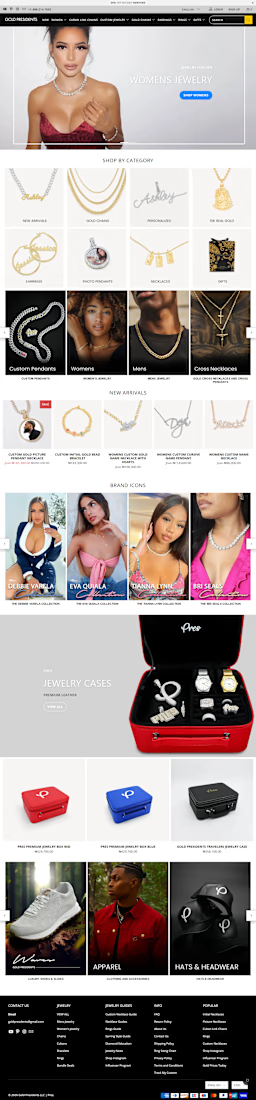
Designed a premium Shopify ecommerce experience for Gold Presidents, a jewelry and fashion brand specializing in custom pendants, gold chains, necklaces, bracelets, and statement accessories. The storefront features a bold promotional hero, organized product categories, new arrivals, featured brand collections, jewelry showcases, apparel sections, and product discovery elements.
The goal was to create a seamless shopping experience that highlights the brand’s distinctive style, makes a diverse product range easy to explore, and guides customers from browsing collections to selecting products and completing their purchases

Amazing Work

Shem Naturals: E-commerce Store Design
Designed a premium scrolling e-commerce storefront for Shem Naturals, a natural haircare brand. The website focuses on clean product presentation, brand storytelling, ingredient highlights, and a smooth shopping experience that helps customers explore products and understand the brand.
The design combines fresh visuals, structured product sections, and customer testimonials to create a professional online shopping experience.
My Role:
Shopify Store Designer · E-commerce Website Designer · UI/UX Designer
Project Type:
⚡E-commerce Website Design
⚡Deliverables
⚡E-commerce storefront design
⚡Product-focused layouts and presentation
⚡Brand storytelling sections
⚡Ingredient highlights
⚡Customer testimonial section
⚡Scrolling website showcase
Skills:
Shopify Store Design, E-commerce Web Design, UI/UX Design, Responsive Web Design, Product Presentation, Website Design, E-commerce Design, Online Store Design.
Tools:
Shopify, Claude
Project Category:
E-commerce Website / Shopify Store Design


Beautiful approach. Strong product presentation and brand storytelling can build trust and help customers feel confident buying.