The network for creativity
Join 1.25M professional creatives like you
Connect with clients, get discovered, and run your business 100% commission-free
Creatives on Contra have earned over $150M and we are just getting started
Back to feedPost

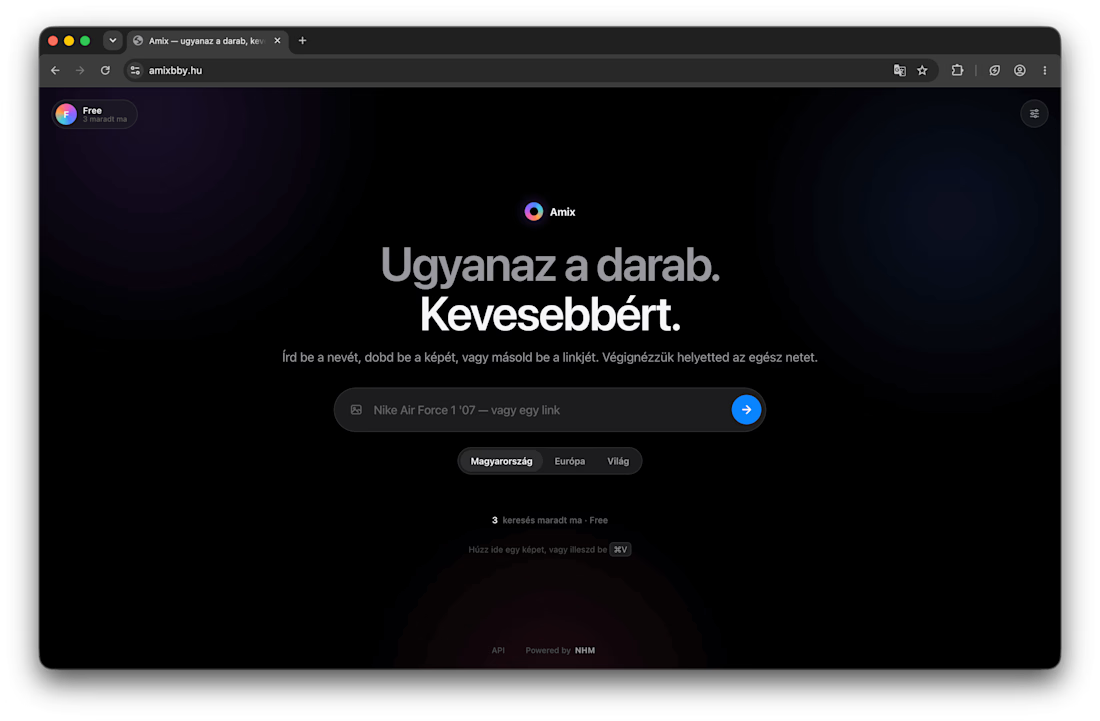
Amix
A subscription product for finding the same clothing item cheaper across retailers. You search by product name, by pasting a URL, or by uploading a photo, and an outfit mode breaks a full look into individual pieces and searches each one separately. Results are filtered by the user's own measurements and scoped to Hungary, Europe or worldwide.
Behind the search sits the rest of a real product: account creation with Google and GitHub sign-in, email verification, password reset, an image upload pipeline, subscription plans with per-plan usage quotas, and payment handling.
The hard engineering problem was matching. The same jacket is listed under a different name by every retailer, shot on a different background in different light, so items have to be matched from the image itself. The backend runs on Node's standard library with zero npm dependencies, containerised and deployed close to the retailers it queries.



Two-stage matching is the classic way to keep this fast on a lean stack: run a cheap pre-filter first — perceptual hash or color-histogram distance on small thumbnails — to drop most candidates, then run the expensive matcher only on the survivors. Normalizing images before...
The network for creativity
Join 1.25M professional creatives like you
Connect with clients, get discovered, and run your business 100% commission-free
Creatives on Contra have earned over $150M and we are just getting started








Related posts


End of an era.
After 3 good years on Framer, we moved
@designme to our own stack.
Framer got us far, and I'd still recommend it for a lot of teams.
But the more we grew, the more we needed control: over the code, structure and speed of testing and shipping new things.
So, we rebuilt everything from scratch in Astro.
It's the same setup we now build for our clients (which is exactly why we had to run our own site on it first).
Really proud of the team and how fast we're moving now.
DesignMe 2.0 is live ↓


Big move! Framer is great for speed, but having full control over the stack opens up so many possibilities.

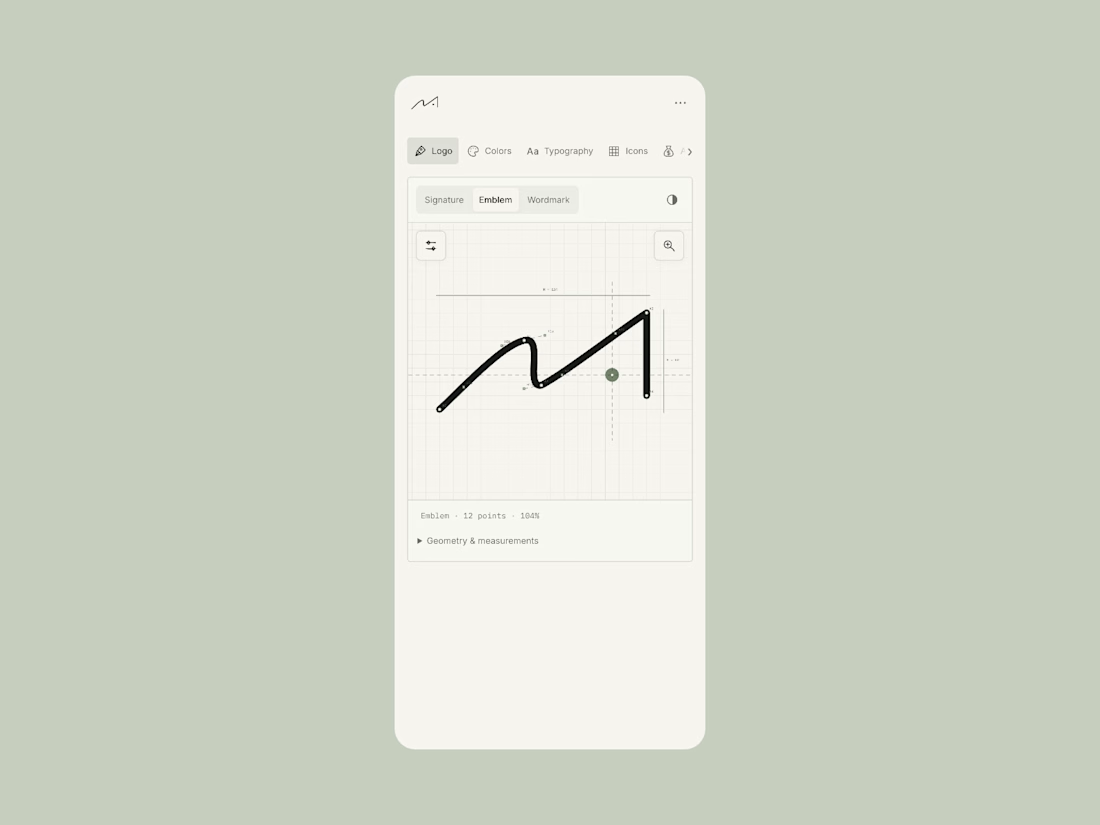
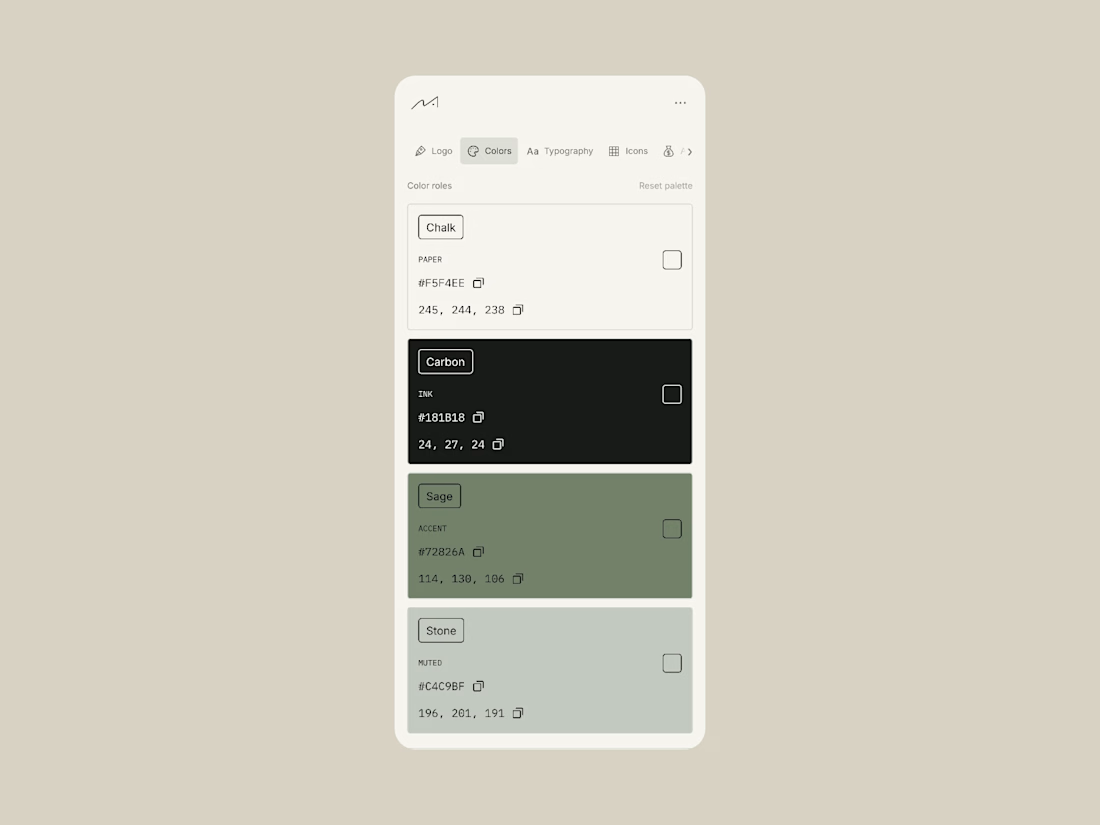
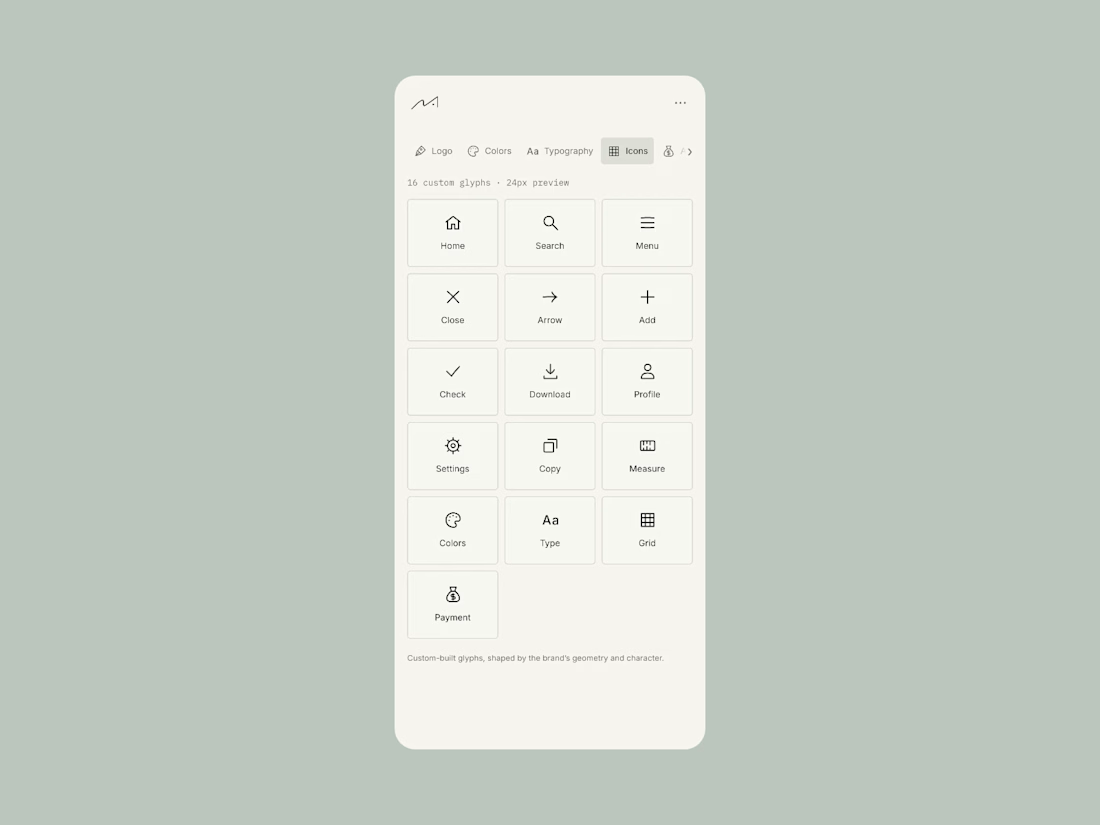
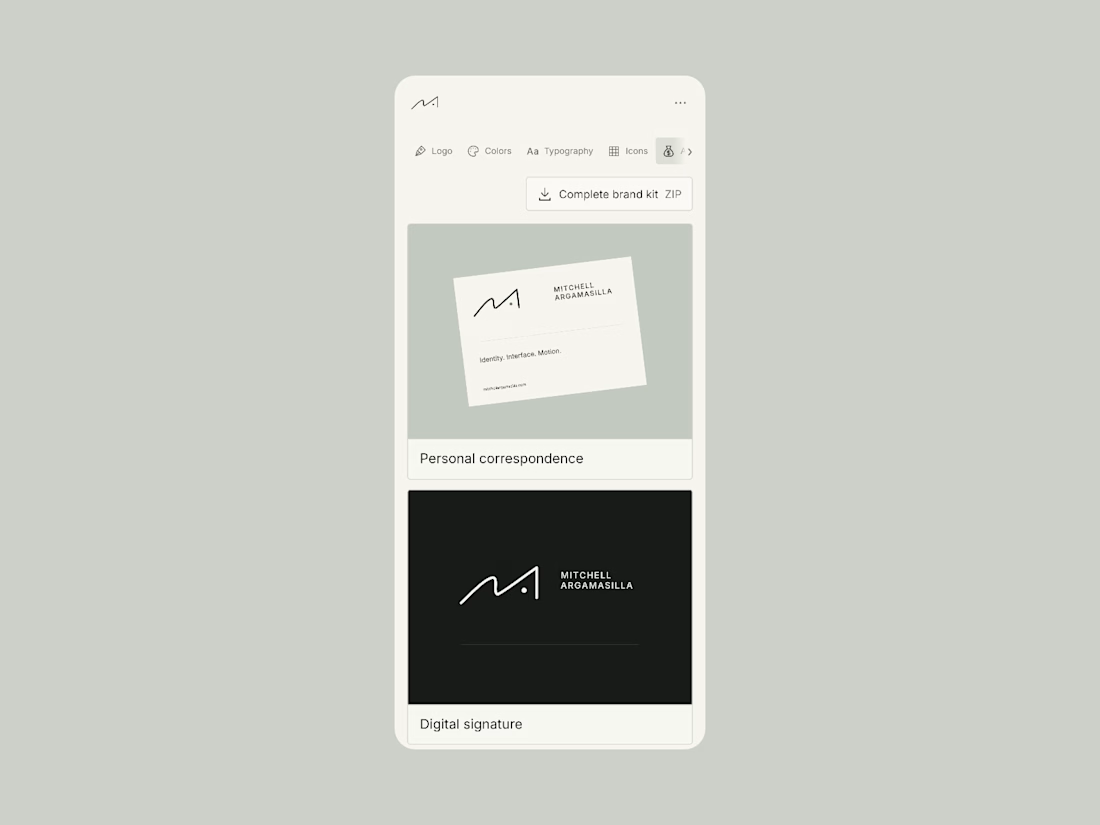

Such a lovely signature, Mitchell! Did you draw it by hand?


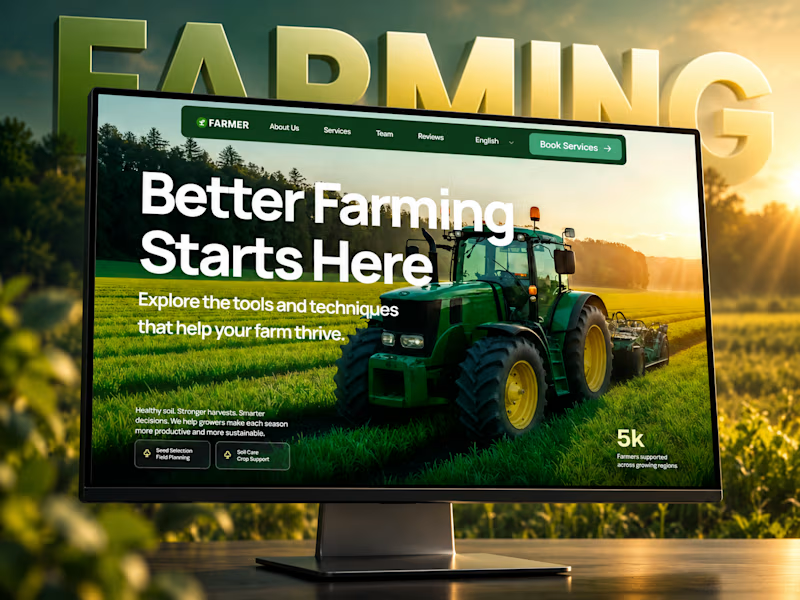
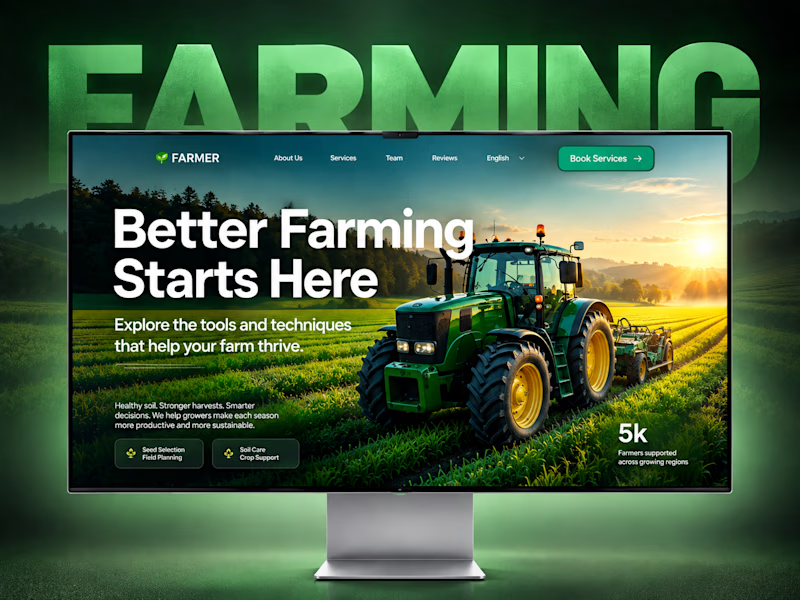

A is more visually alive great job Rohit🎉🎉🎉