The network for creativity
Join 1.25M professional creatives like you
Connect with clients, get discovered, and run your business 100% commission-free
Creatives on Contra have earned over $150M and we are just getting started
Back to feedPost


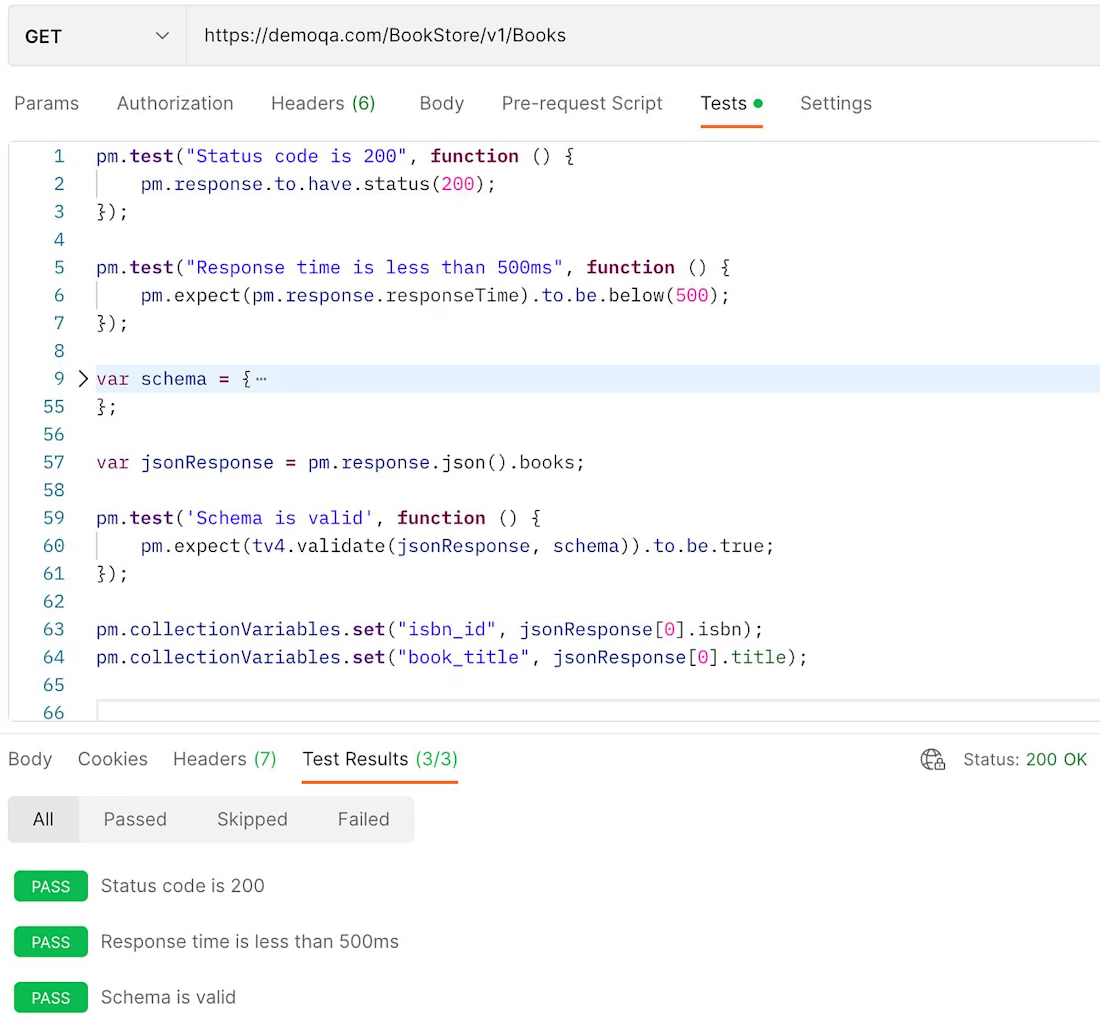
REST API Testing with Postman
Show request methods, status-code checks, response validation, negative test cases and documented defects.


The network for creativity
Join 1.25M professional creatives like you
Connect with clients, get discovered, and run your business 100% commission-free
Creatives on Contra have earned over $150M and we are just getting started





Related posts

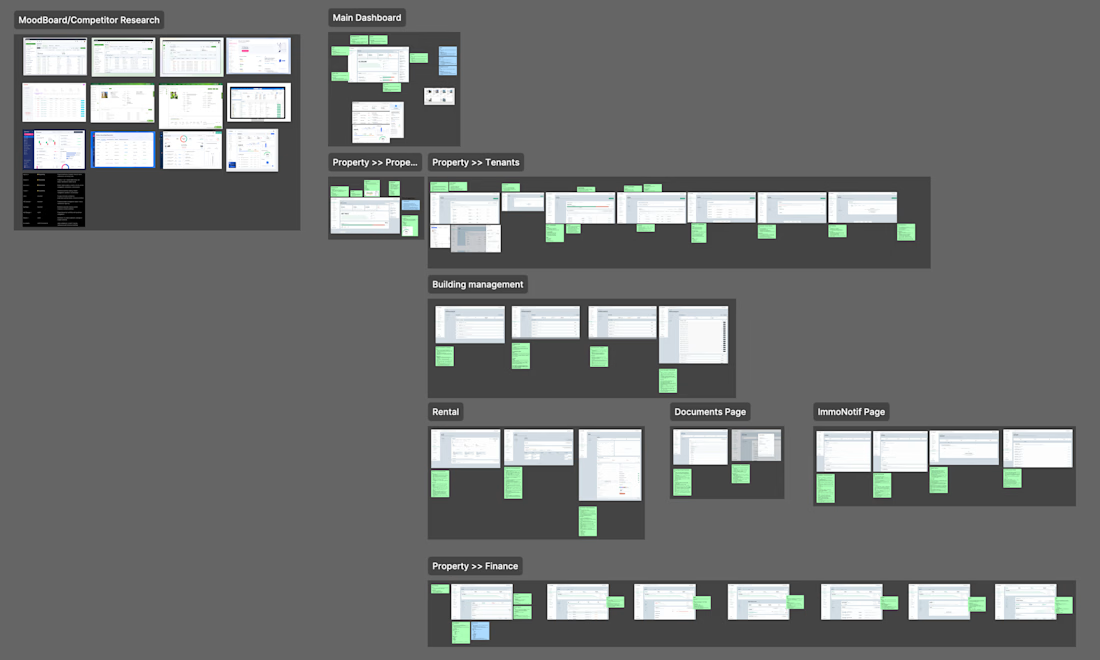
UX Audit: ImmoAdmin (Property Management SaaS)
-> UX issues mapped with improvement notes
-> Competitor research & mood board
-> 8 modules audited screen by screen
-> Wireframes with cleaner flows


Really thoughtful approach to simplifying complex SaaS flows. 👏

AI WROTE THE CODE. WHO CHECKS THE BUGS?
AI can generate a working-looking feature in seconds but “it runs” doesn't automatically mean “it's correct.”
One of the biggest lessons I’m learning with AI-assisted development is that the hardest bugs aren't always obvious. They can hide in:
🐛 Edge cases the original prompt never mentioned
🧠 Incorrect assumptions about how the application should behave
🔐 Security issues that don't appear during normal testing
🔄 Regression bugs that break something that previously worked
⚠️ Poor error handling when real users do unexpected things
🗄️ Data/API problems that only appear under different conditions
That’s why I don't treat AI-generated code as the final answer.
My workflow is:
GENERATE → REVIEW → REPRODUCE → TRACE → TEST → VERIFY → SHIP
First, I understand what the code is actually doing.
Then I test the happy path and the paths the AI may not have considered.
I check the stack trace, inspect the data flow, test edge cases, review dependencies and security-sensitive areas, and verify that the fix doesn't introduce another problem.
This is becoming even more important as coding agents take on larger development tasks. GitHub's current tooling, for example, combines code review, testing, dependency checks, secret scanning, and security analysis around agent-generated changes.
The lesson isn't “don't use AI to code.


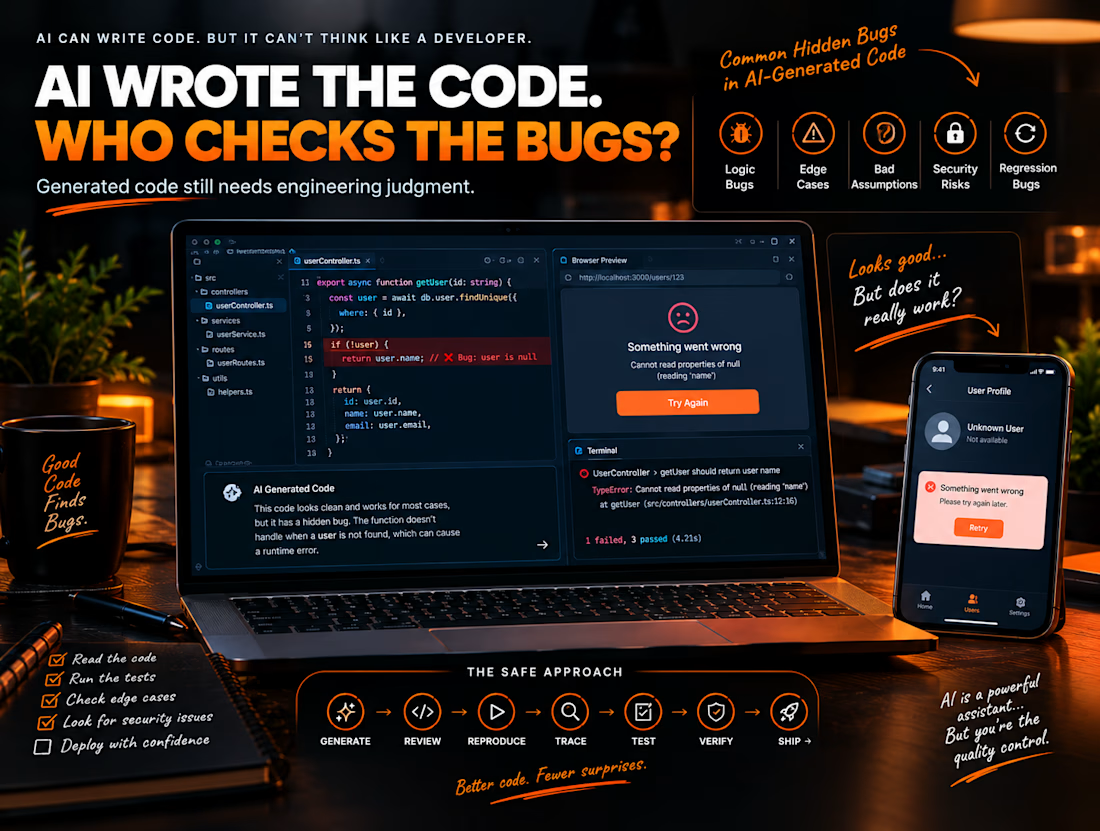

“It runs” vs “it’s correct” is the gap — AI-generated features need the same edge-case passes you’d do on junior dev output, just faster to produce.

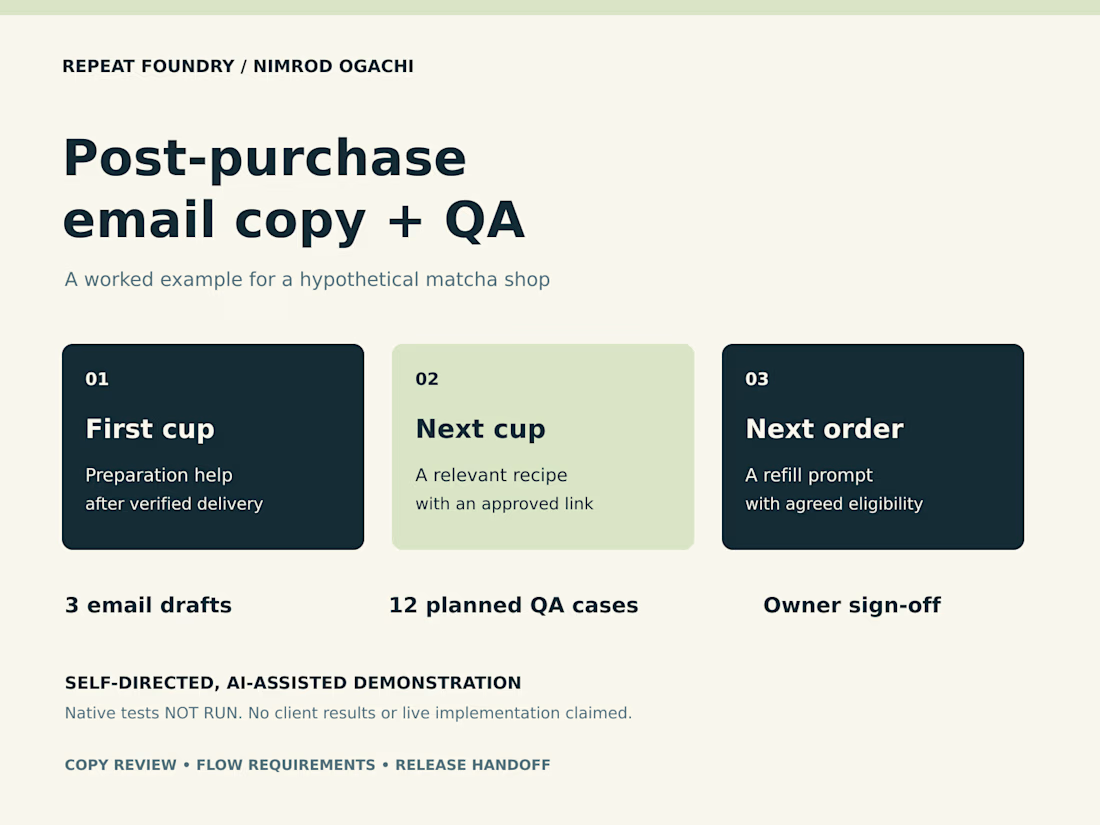
Three checks I put beside a post-purchase email draft:
Does the main CTA open the exact page the copy promises?
Does the recommendation match the product the customer bought?
What stops a refill message after another order or when a subscription already covers the item?
These questions shaped my new matcha-shop demonstration: three email drafts, an evidence-linked review and a 12-case QA plan. The handoff makes the remaining decisions explicit, including delivery evidence and refill timing.
This is self-directed, AI-assisted work for a hypothetical shop. Every native account test is marked NOT RUN, and no client or revenue results are claimed.
The full six-page example is here:
https://contra.com/p/7vFYWm3m-post-purchase-email-copy-review-and-qa-handoff
If your Shopify brand or email team needs a focused copy review, send the email count and the question you want answered.


Great QA approach. Checking the CTA, recommendations, and timing can prevent a lot of post-purchase mistakes.