The network for creativity
Join 1.25M professional creatives like you
Connect with clients, get discovered, and run your business 100% commission-free
Creatives on Contra have earned over $150M and we are just getting started
Back to feedPost

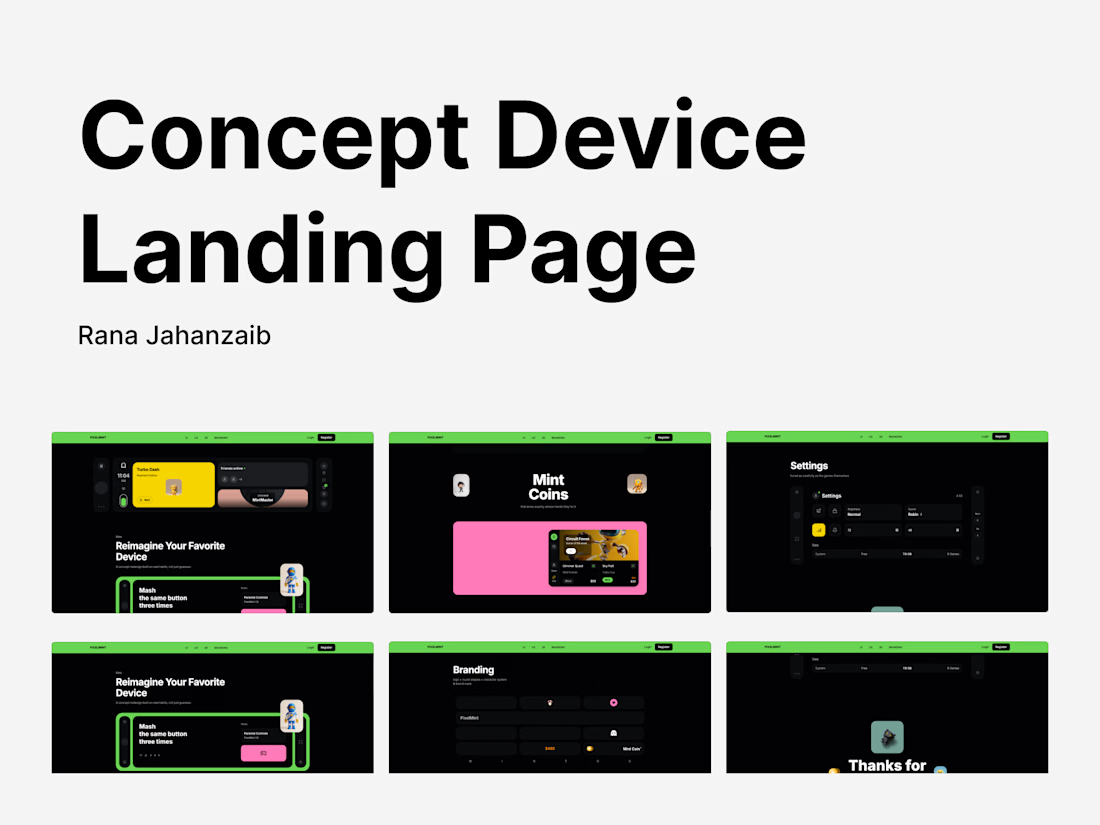
PixelMint — Concept Device Landing Page
A scroll-based concept case study for a reimagined handheld device, built on a reusable React template that deploys to Cloudflare with zero config.
Live Preview
PixelMint is a concept case study exploring what a favorite handheld device could look like if it were rebuilt around habit, not novelty. The page walks through the idea in layers... the lock screen, the branding system, the coin economy, the settings panel... each treated as its own small design problem rather than a single hero shot.
Beyond the visual design, this project was also an exercise in shipping infrastructure. It's built on a template designed to deploy to Cloudflare Workers with close to zero configuration, so a client could connect the repo and go live without touching a build pipeline by hand. That included:
- A single flat repo, one Cloudflare Worker with static assets, no unnecessary monorepo overhead
- A working contact form backed by D1, with spam protection, IP rate limiting, and email notifications via Resend, all optional and none of it requiring manual setup
- A self-healing database schema that brings itself up to date on first submission, so a first deploy never depends on remembering a migration step
- A real performance pass, not just eyeballed... measured before and after, landing at 99 to 100 on Performance and a clean 100 across Accessibility, Best Practices, and SEO on both mobile and desktop
The contrast fixes alone were a good reminder that fixing accessibility by eye isn't the same as fixing it by measurement. The first pass looked better and didn't move the score. The real fix came from actually rendering computed colors to a canvas and reading the pixels back, since Tailwind v4's oklch color format quietly breaks naive contrast checkers.


The network for creativity
Join 1.25M professional creatives like you
Connect with clients, get discovered, and run your business 100% commission-free
Creatives on Contra have earned over $150M and we are just getting started
Trending
retrofuturism
Share your favorite designs from the past exploring the distant future. Or your own take on the aesthetic 🚀
halftone
Dots. Texture. Grain. Let's see your designs using the halftone technique.

Midjourney
Creatives are showing off what they're making with Midjourney.
colorgrade
Video editors sound off: How do you enhance the mood of your video in color grading?


Related posts

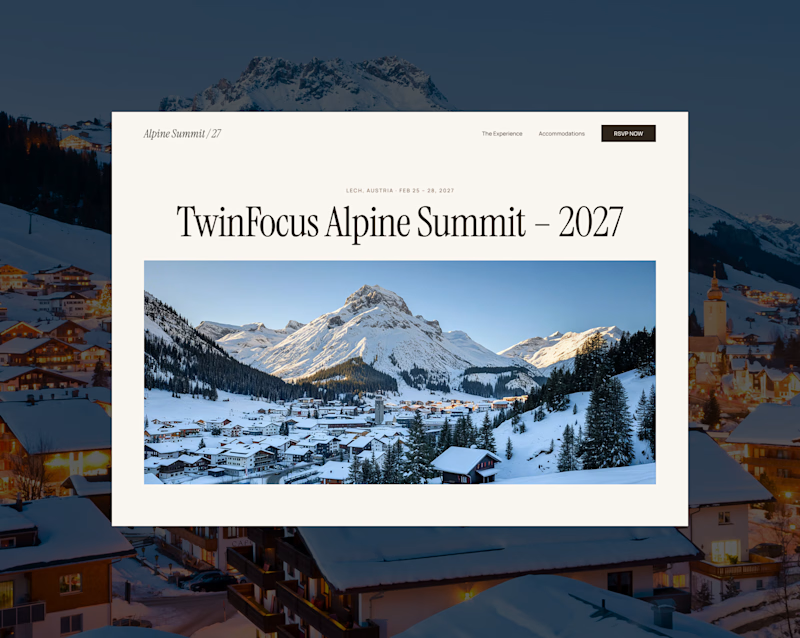
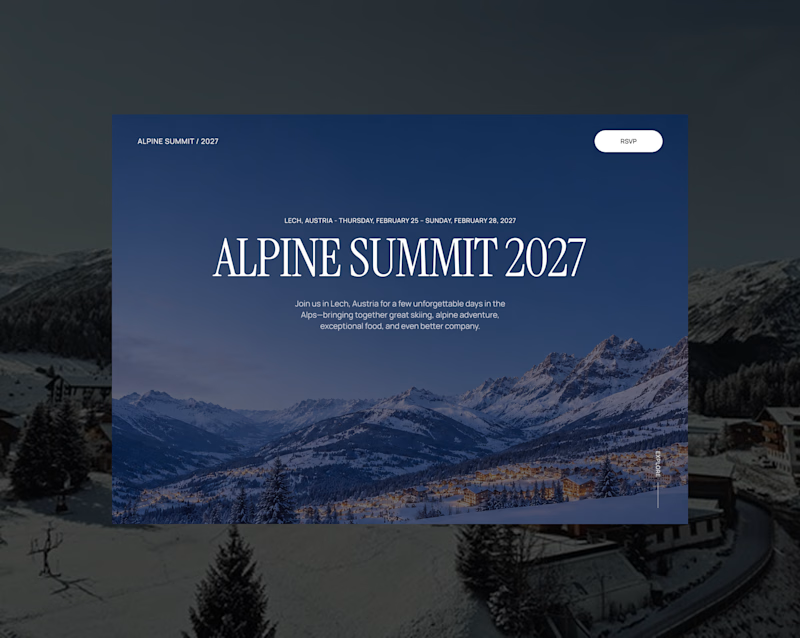
I’m exploring two homepage hero directions for the Alpine Summit website I’m working on and testing which visual direction feels stronger.
Both concepts are built around the same event: a premium alpine gathering in Lech, Austria for the 2027 TwinFocus Alpine Summit.
Direction 1 feels more refined, editorial, and invitation-like.
Direction 2 feels more immersive, cinematic, and destination-driven.
That’s the tradeoff I’m thinking through:
Direction 1: elegant, editorial, refined
Direction 2: immersive, cinematic, atmospheric
Since this site is for a luxury alpine event, the hero needs to feel premium while still making the destination feel exciting.
Which direction feels stronger for an event landing page?
47 voted
57%
35 voted
43%
82 votes
Closed

White one stands out and feels fresher. The dark one is nice too, just a bit more expected.


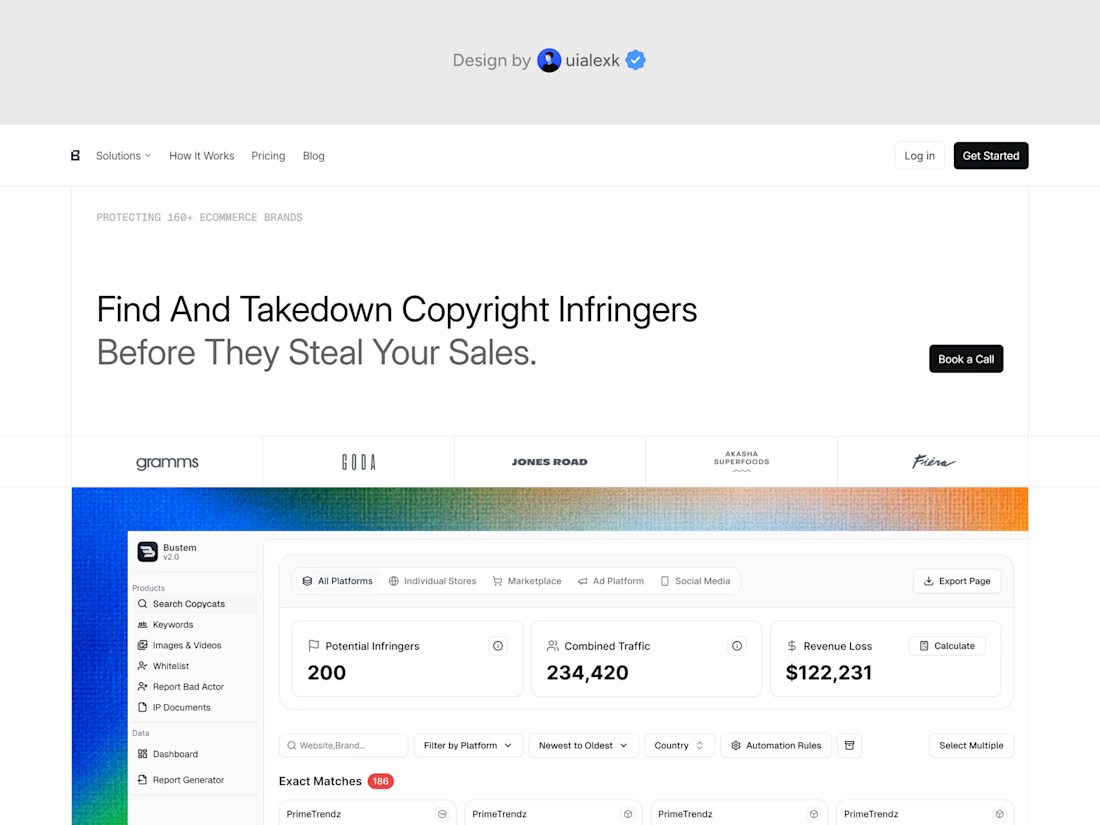


20 mins is kinda wild. The message is simple and gets the point across fast.

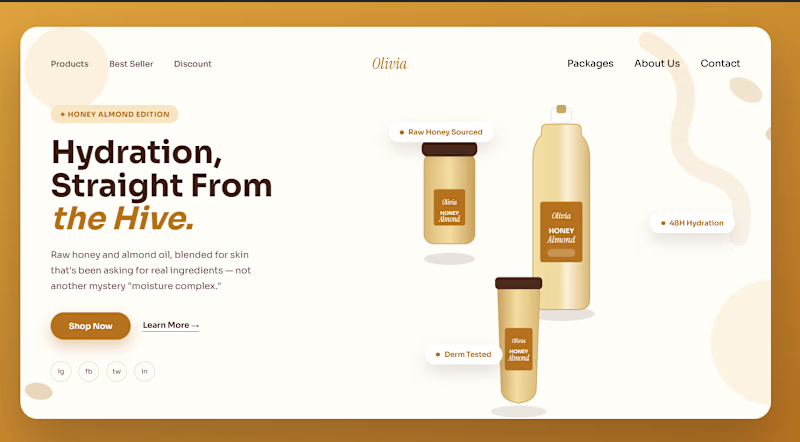
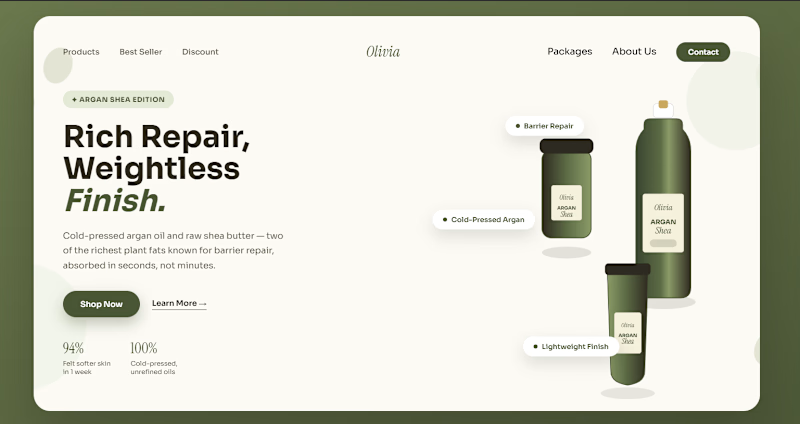
Same brand. Same product line. Two completely different moods.
I designed two hero sections — same layout structure, same goal, but each one built around a different product in the line:
🅰️ — warm, golden, cozy. Feels like something you'd reach for in winter.
🅱️ — sage green, mirrored layout, clean and minimal. Feels more clinical, more "skincare-routine" than "self-care ritual."
Both use real ingredient-driven color palettes (not random brand colors) and floating product badges instead of a wall of text.
Which one would make you stop scrolling and actually click "Shop Now" — A or B? Drop your pick below, curious which mood wins.

5 voted
36%
9 voted
64%
14 votes
Closed
A would probably stop my scroll first, but B feels more believable for skincare. I’d actually be curious which one converts better, because the one that grabs attention isn’t always the one that feels most trustworthy 👀