The network for creativity
Join 1.25M professional creatives like you
Connect with clients, get discovered, and run your business 100% commission-free
Creatives on Contra have earned over $150M and we are just getting started
Back to feedPost

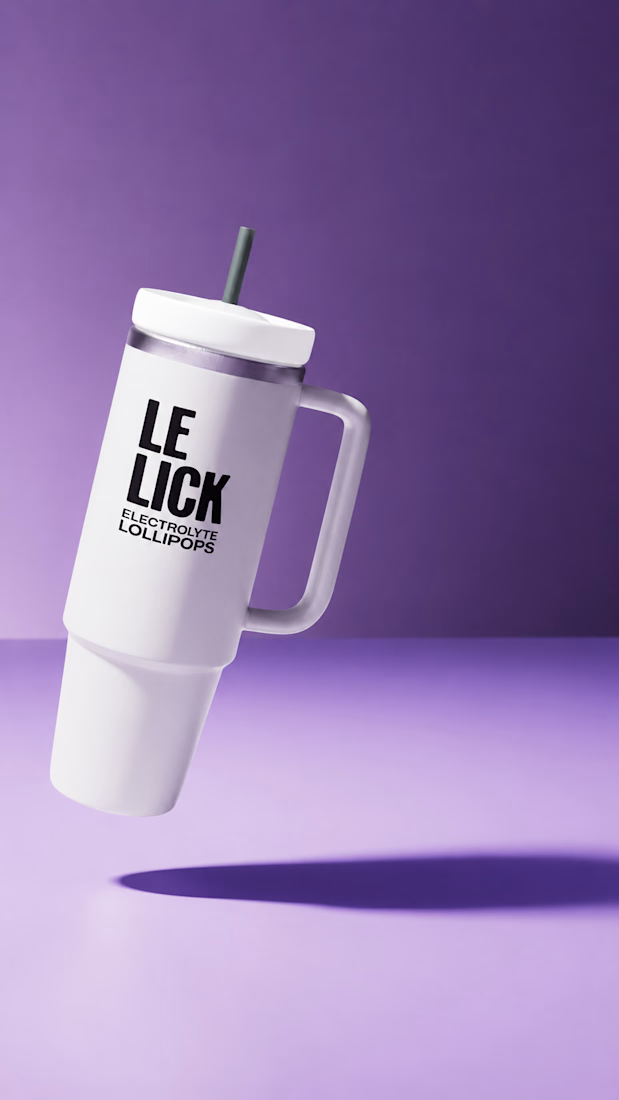
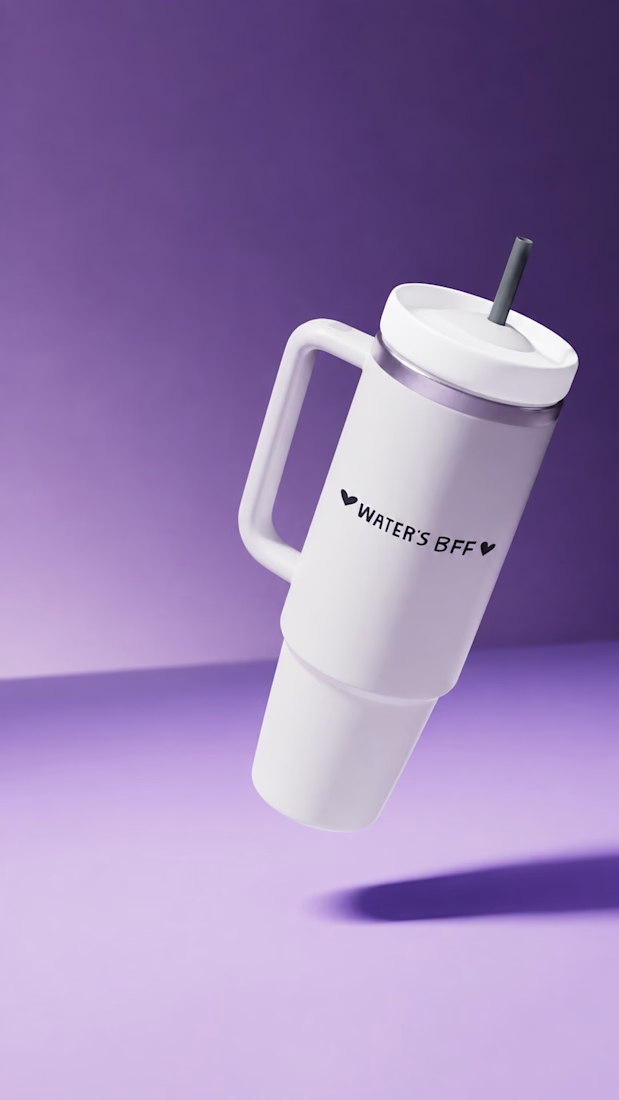
This project started with a very specific idea for how a static product visual should move.
The base artwork was created with ChatGPT and Nano Banana, but before generating the final animation, I spent time refining the prompt and defining the exact movement, camera behavior and energy we wanted.
I tested the direction with different models, including Kling 2.5, using those iterations to improve the prompt before producing the final sequence with Seedance 2.5.
The result was extremely close to what we had planned, including the animation and even the sound effect that completed the motion.
For me, this is where AI production gets interesting: the real work is not simply generating. It is art direction, prompt design, testing and refinement until the model delivers the intended result.


TOP work!!
Thank you so much! Really appreciate that.

That line about the real work being art direction and refinement rather than generation is something I don't think most clients grasp yet, they still see 'AI made it' as the whole story. Did you end up walking the client through that process, or did they only care about the final result?
Yes, exactly. In this case the client was mostly focused on the final result, so a lot of the process stayed behind the scenes.
What helps me a lot is having a background in motion, filmmaking and photography, because a big part of the work is literally imagining the scene first...


Excellent work👏🔥🔥
Thank you! Really enjoyed pushing the visual direction on this one.

Creative work
Thank you, really appreciate it. This was a fun one to experiment with.

Thank you! The purple setup was one of my favorite parts too. It helped give the product a much stronger visual identity.

Love the simplicity here, it gives the brand such a nice feel
Thank you! That was exactly the intention. Keeping it simple while still making the product feel distinctive and polished.

The testing phrase am sure clearly made a difference in getting the final motion.

Using Kling just to stress-test the direction before committing to Seedance for the final render is a smart way to spend the iteration budget. Curious how many rounds it took before the camera motion matched what you had in your head, was it close on the first couple tries or a longer grind?
I’m using Magnific, and Kling 2.5 generations are unlimited on my plan, so I can stress-test the prompt quite a bit before spending credits on Seedance 2.5.
Depending on the frame, it can take around 5–10 generations haha. It really depends on whether I’m getting the prompt at...
Good to know Seedance holds direction better for this kind of shot, that's useful since Kling and Seedance clearly aren't interchangeable. Do you usually start in Kling for speed and only bring in Seedance once you know the prompt works, or the other way around?

This is the part clients rarely see: the first generation may be fast, but creative direction lives in the decisions between versions.
When you tested Kling and Seedance, which model responded better after revision—not only on the first generation? That difference often reveals...
The network for creativity
Join 1.25M professional creatives like you
Connect with clients, get discovered, and run your business 100% commission-free
Creatives on Contra have earned over $150M and we are just getting started





Related posts


New case study: motion product film for a mobile streaming app. Some shots filmed on camera, some AI generated, the rest built in After Effects
Check it out


This is only high end

BEYOND THE FRAME 🎩✨
Three peculiar stories. One wonderfully distorted reality.
A suspiciously curious cat, an eccentric family with secrets dating back to 1892, and a collection of memories coming together to tell their own STORY.
For this project, I combined surreal AI-generated visuals with manually edited camera shakes, white flashes, music synchronisation and carefully timed transitions using the InVideo Editor.
Halfway through, my AI credits ran out — so I completed the remaining effects manually.
Apparently, even artificial intelligence has a budget. 😉
Creative direction, storytelling and final editing by The Triadic Studio.
#invideocontrachallenge


Manual work is always better than ai slop you can use ai for some clips but full video made with ai is unprofessional and a waste of money and resources

Product marketing has just become easier

Apply that human manual work and a pinch of ai( the trick up the sleeve).