The network for creativity
Join 1.25M professional creatives like you
Connect with clients, get discovered, and run your business 100% commission-free
Creatives on Contra have earned over $150M and we are just getting started
Back to feedPost
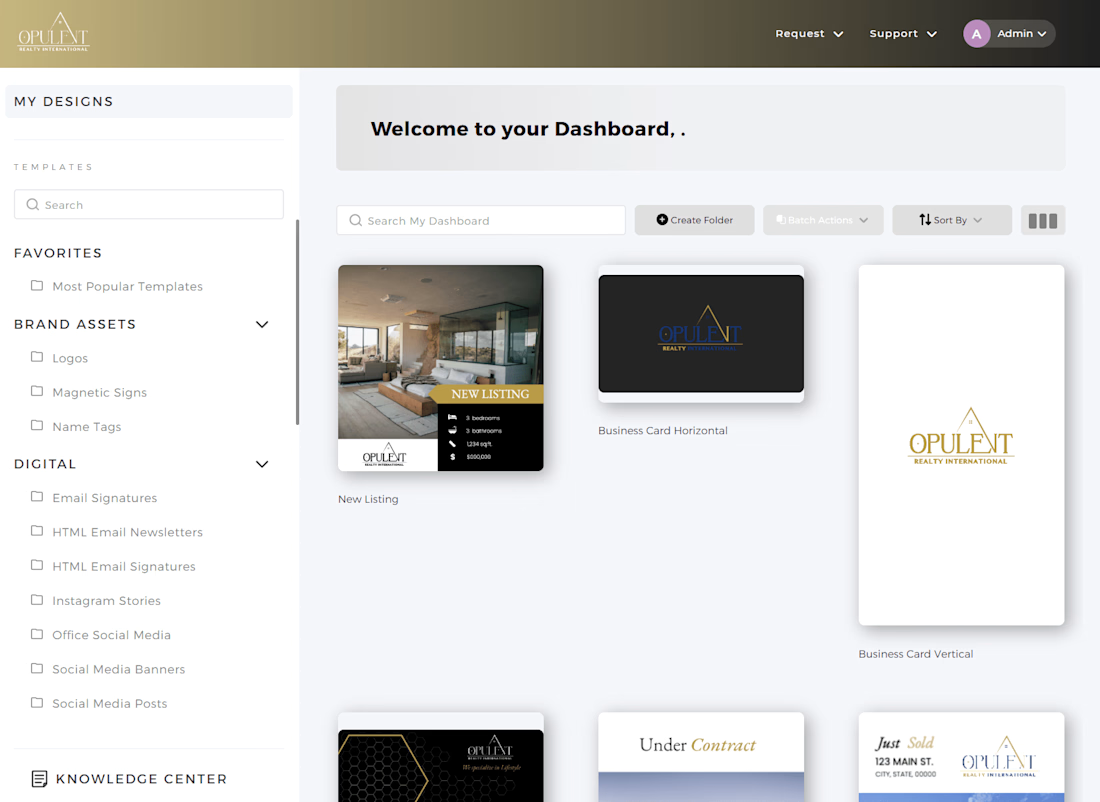
I worked on this and successfully built a web application using React and Fabric.js. It’s a real estate template design app, similar to Canva.


Thanks Ciro
The network for creativity
Join 1.25M professional creatives like you
Connect with clients, get discovered, and run your business 100% commission-free
Creatives on Contra have earned over $150M and we are just getting started







Related posts

firendev: brand identity and website.
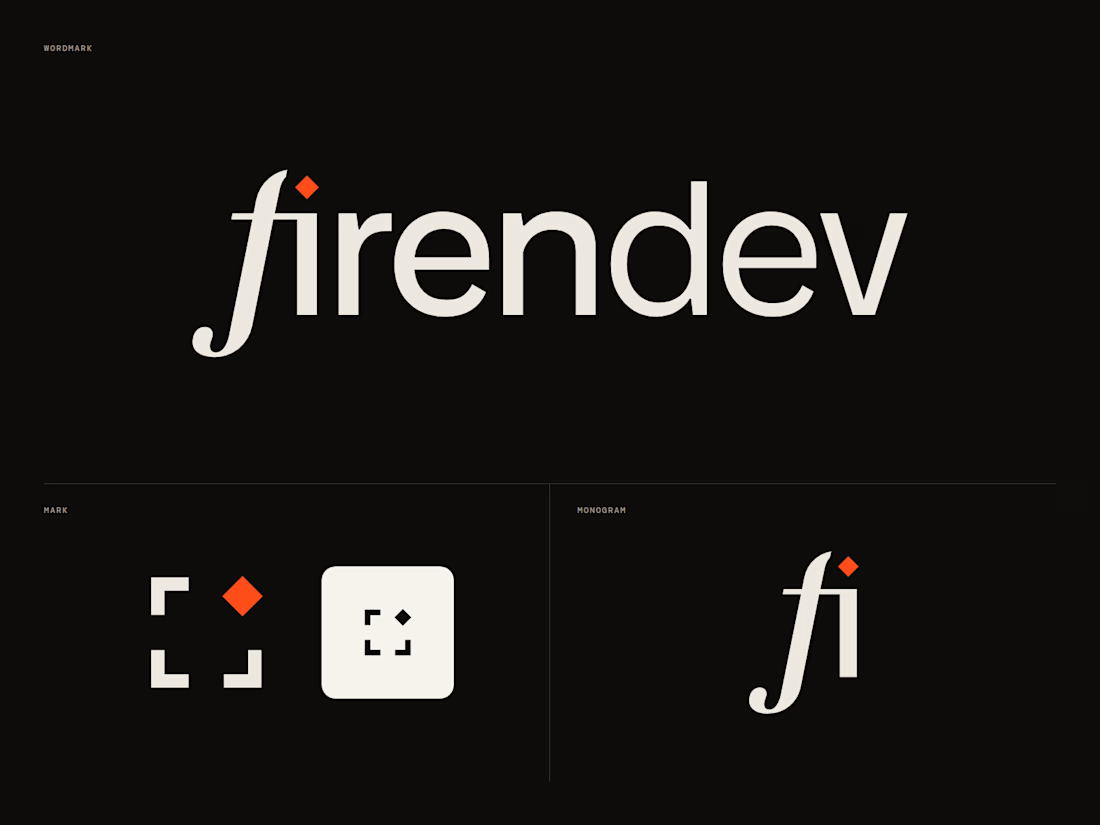
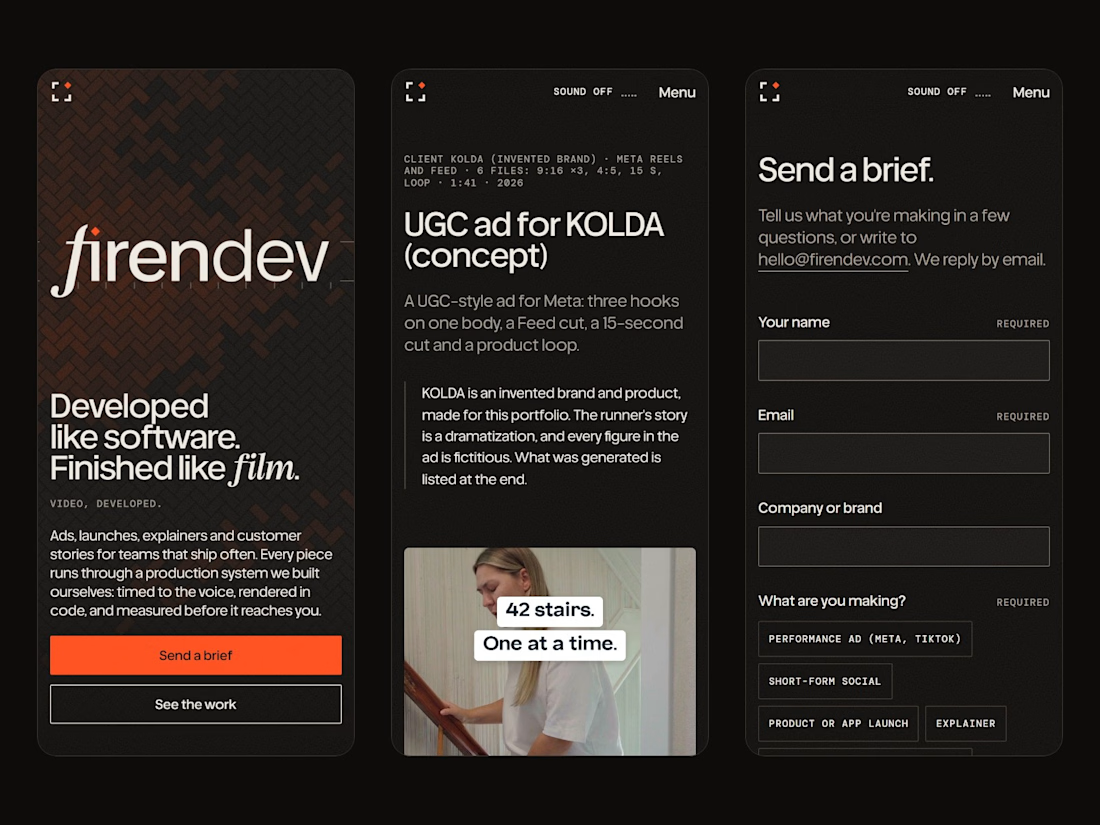
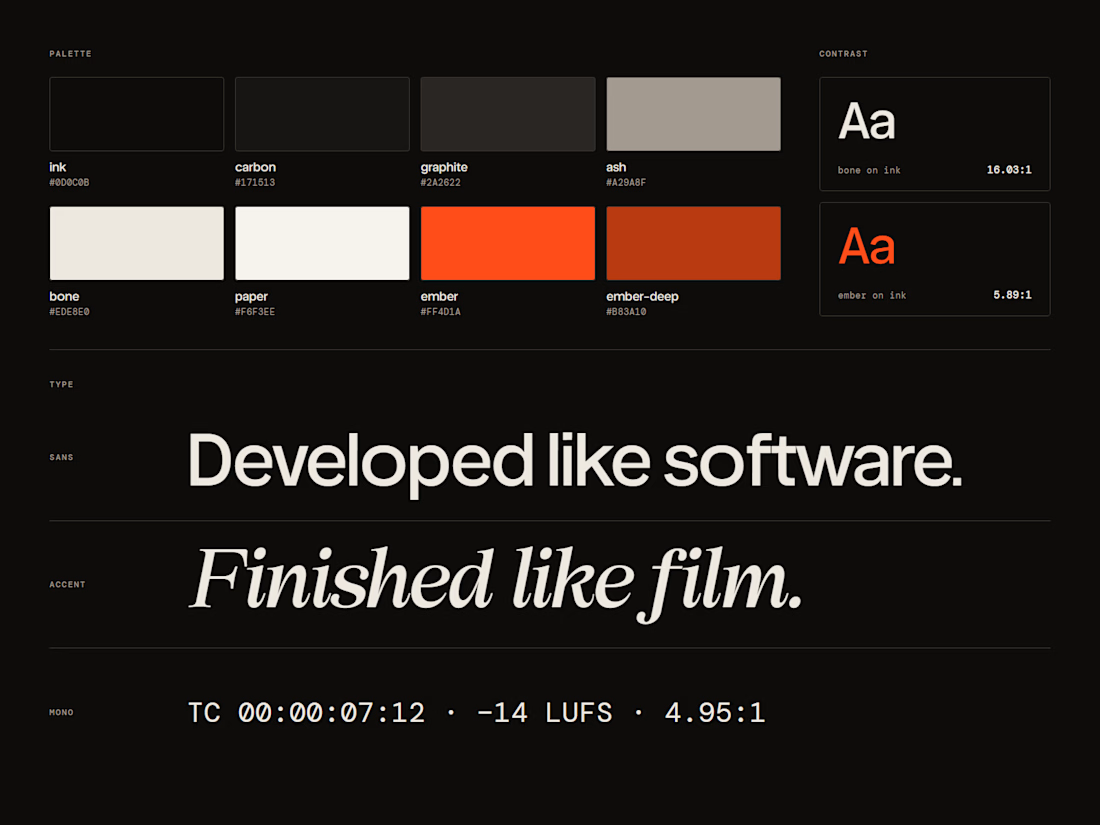
firendev is a video studio, and the name carries the whole brand. Fire, for the spark that starts every piece. Firenze, for a craft measured with proportion and geometry. Develop, in its two senses: developing film and developing software. One line holds it together: developed like software, finished like film.
Everything else grows from that. The spark is the dot of the i. The floor is the herringbone brick of Florence's Duomo. The mark is a camera frame waiting for its spark.
I'd love your honest take on the mark and the hero.
Full case study: https://contra.com/p/bWEMrvZW-firendev-brand-identity-and-website




It's a great design 🔥
I liked the animation in Hero; I'm curious which library you used.


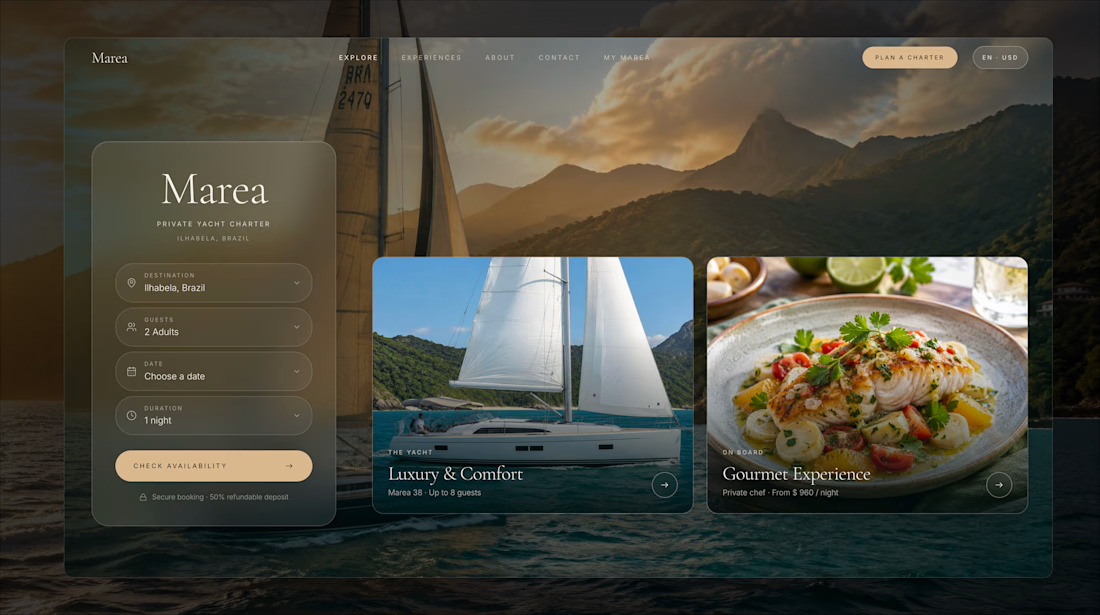
Marea — Private Yacht Charter
Booking a yacht sounds simple.
Until a guest wants a sunset dinner for six.
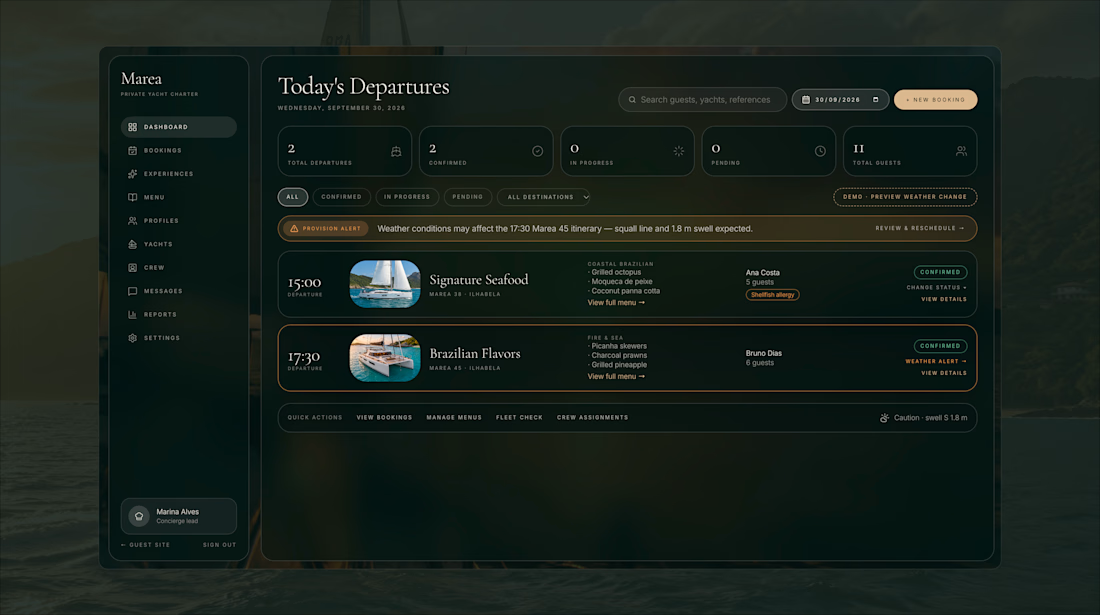
Now someone has to check availability, coordinate the yacht and chef, confirm the menu, collect dietary requirements, arrange the extras, and keep an eye on the weather.
For a small charter business, that can mean a lot of back-and-forth before a booking is actually confirmed.
So I built Marea around a simple idea:
The guest should choose the experience. Marea should handle the coordination.
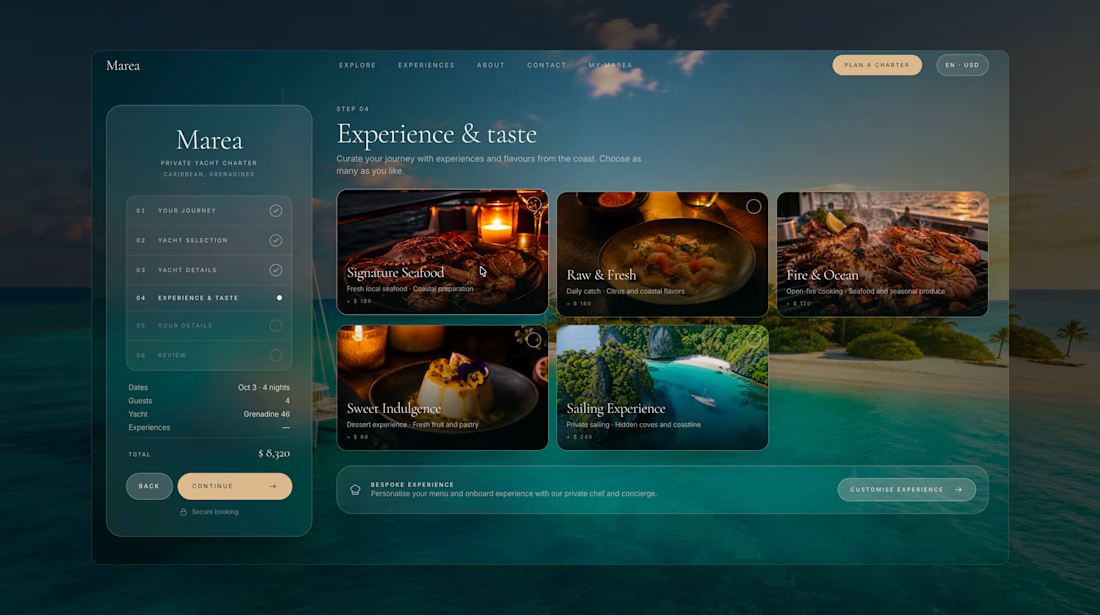
Instead of starting with a long inquiry form, guests can build their trip visually, choosing the destination, date, yacht, experience, dining options, and preferences through one guided flow.
Behind the scenes, the concierge gets everything they need in one place: guest details, preferences, special requests, payment, and trip status.
And because sailing doesn't always go according to plan, Marea also brings weather and rescheduling into the booking experience.
One booking. Boat, chef, dinner, and everything in between.


This is stunning, sign me up, where do I book?! 😅


Turning an Unbuilt Property Into an Experience
I built this real estate website around a simple problem:
How can a real estate business sell a property when the building itself hasn't been built yet?
Instead of relying only on static floor plans, renders, PDFs, or a few images, I wanted the website to give potential buyers a much clearer understanding of what the final property could look and feel like.
The website uses a scroll-based visual experience to gradually reveal the building and its structure. As the visitor moves through the experience, they can explore the property in a more engaging way and understand the design, structure, spaces, and overall vision of the development.
The goal isn't simply to make the website look impressive.
The goal is to make the future property easier to understand and easier to imagine.
For a developer selling apartments before construction is complete, this can be extremely valuable. A potential buyer cannot physically walk through a building that doesn't exist yet. A well-designed digital experience can bridge that gap by giving them a visual representation of what they are considering investing in.
From Interest to Appointment
The second part of the project focuses on automation.
A real estate business shouldn't have to manually respond to every person who wants to ask a question, request a meeting, or schedule a consultation.
The website allows interested visitors to move directly into the booking process.
Instead of:
Visitor → Message → Manual Response → Find Available Time → Confirm Appointment
the experience becomes:
Visitor → Explore Property → Book Appointment → Confirmation → Meeting
This allows the business owner or sales team to spend less time handling repetitive scheduling tasks and more time actually speaking with qualified prospects.
The idea is simple:
Let the website handle the repetitive work so the business owner can focus on the important conversations.
Why I Built It This Way
For me, a website shouldn't just be a digital brochure.
It should actively help the business communicate its product, create interest, and move potential customers toward the next step.
For real estate developers, especially those marketing properties that are still under construction or haven't started construction yet, the website can become part of the sales experience itself.
A visitor can:
Understand the concept of the development
Explore the building visually
Get a clearer idea of the structure and spaces
Experience the property before it physically exists
Learn about the project
Decide whether they are interested
Schedule an appointment without waiting for a salesperson
That creates a much more complete journey from discovery to conversation.
The Bigger Idea
I built this project with the belief that modern real estate websites should do more than display properties.
They should visualize the future, communicate the value of the development, and automate the journey toward a real conversation.
The combination of immersive visual presentation and appointment automation turns the website into a business tool rather than just another marketing page.
Show the buyer what is coming.
Help them understand the opportunity.
Let them book when they're ready.
And automate everything in between.
