The network for creativity
Join 1.25M professional creatives like you
Connect with clients, get discovered, and run your business 100% commission-free
Creatives on Contra have earned over $150M and we are just getting started
Back to feedPost

Would you trust an app that asks for your personal information out of nowhere?
I know I wouldn't, and I choose to believe you wouldn't either. I think this says a lot about the role of UX writing in building user trust.
Every time we interact with an app, we make small decisions: sharing personal information, accepting permissions, entering payment details, or confirming a purchase.
We all did that for Contra, didn't we?
But the words behind those interactions matter more than we might think.
A vague privacy notice can leave users wondering what they're agreeing to. An unclear payment confirmation can create uncertainty. A poorly written error message can make people feel frustrated or even question whether their information is safe.
On the other hand, transparent interface copy can make a digital experience feel more reliable.
Good UX writing doesn't just tell users what to do. It explains what happens next, why something is needed, and what users can expect.
And I think that trust isn't built by telling users your app is safe, no one trusts a stranger on their words alone. Trust is built by communicating in a way that makes them feel safe, informed and in control.
Clear consent language, honest privacy explanations, and transparent payment messages aren't just good writing practices. They're essential parts of a user experience that respects its audience.
Because when people understand what they're agreeing to, they're more likely to feel confident in the experience.
What do you think? Can a few poorly chosen words make you lose trust in an otherwise good app?

The network for creativity
Join 1.25M professional creatives like you
Connect with clients, get discovered, and run your business 100% commission-free
Creatives on Contra have earned over $150M and we are just getting started
Related posts

🚗 New project live: driveinbali.com, a car rental website for Bali
I worked as the UX designer on this build. Good UX design and UI design decide whether a visitor books or leaves, so here’s how I approached it:
🔹 UX design: one goal, booking.
Most rental sites hide the booking form. Here, pick-up place, dates and “Check availability” sit right in the hero, so a tourist can start booking in seconds.
🔹 A clear user journey.
The page follows the questions a traveller actually has: What’s included? → Which car? → Where can I go? → How do pickup and return work? → Can I trust them? Each section answers one question and leads to the next.
🔹 UI design that builds trust.
A warm palette of deep green and sunset orange, editorial serif headlines, transparent pricing cards, real reviews and a simple 4-step “how it works”. The design looks premium while staying simple to use.
🔹 Mobile first.
Most travellers book on their phones, so every section is fully responsive and touch-friendly.
🔹 Built to perform.
I built it on the BuilderDuck platform with a live car rental booking system, did the SEO optimisation, and now manage the site for the client on an ongoing basis.
I design and build across WordPress, Wix Studio, Shopify, Framer and Webflow.
📩 Looking for a UX/UI designer, or someone to build and manage your website? Let’s talk. My DMs are open.


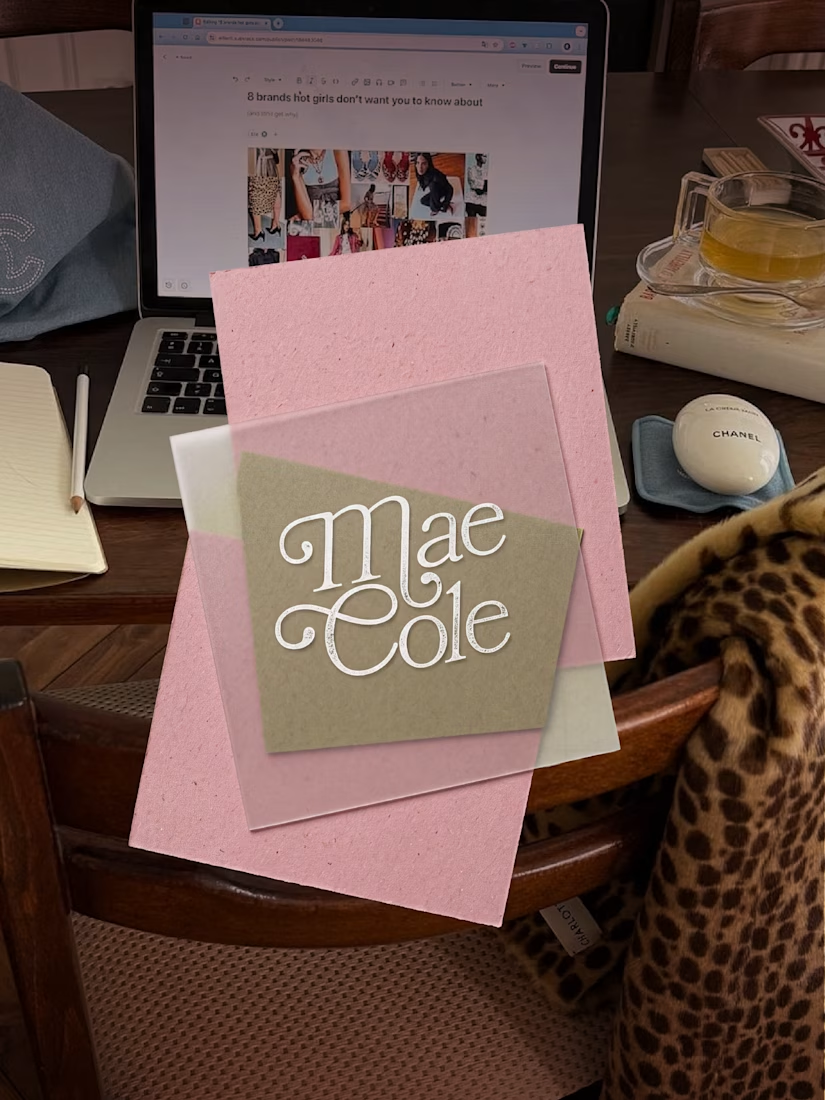
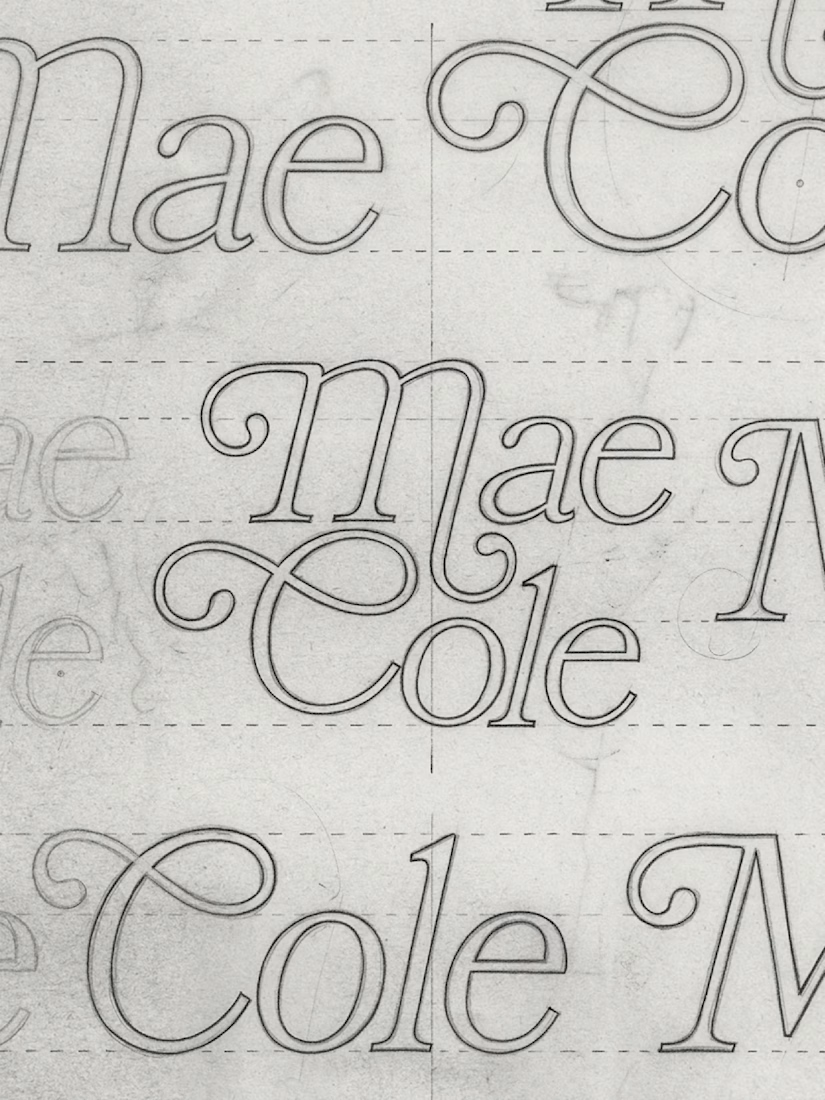
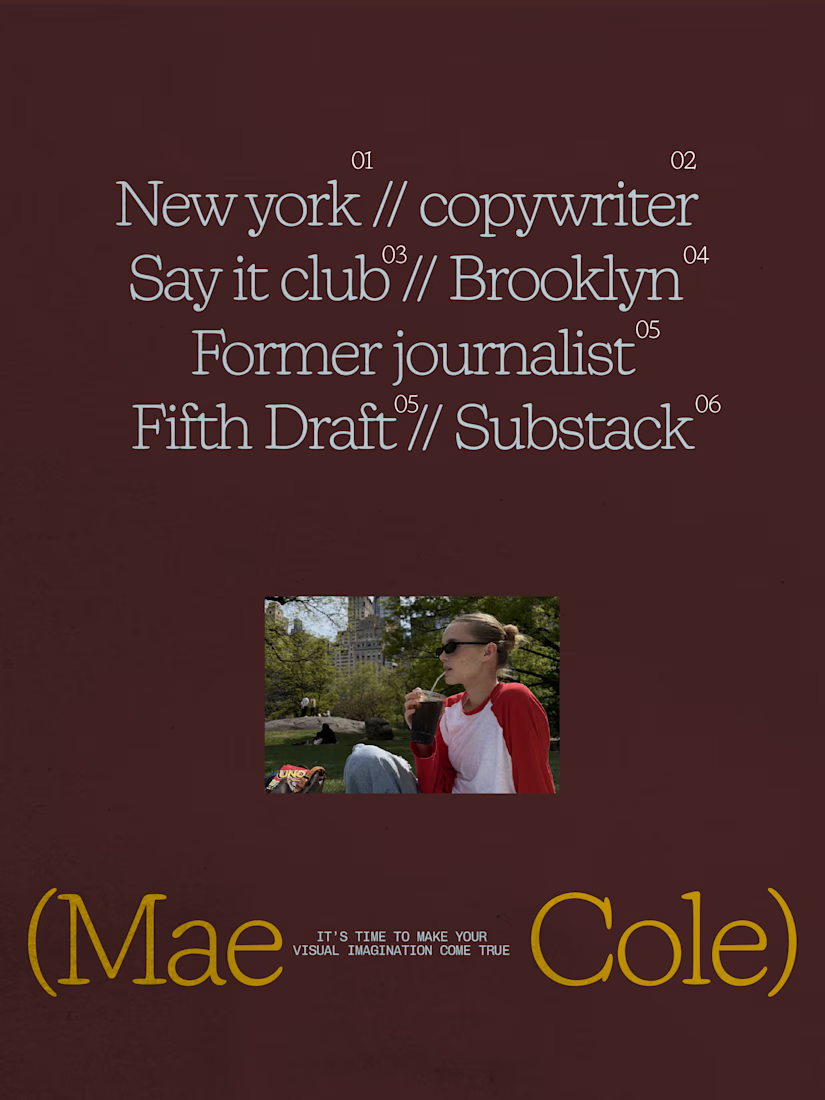
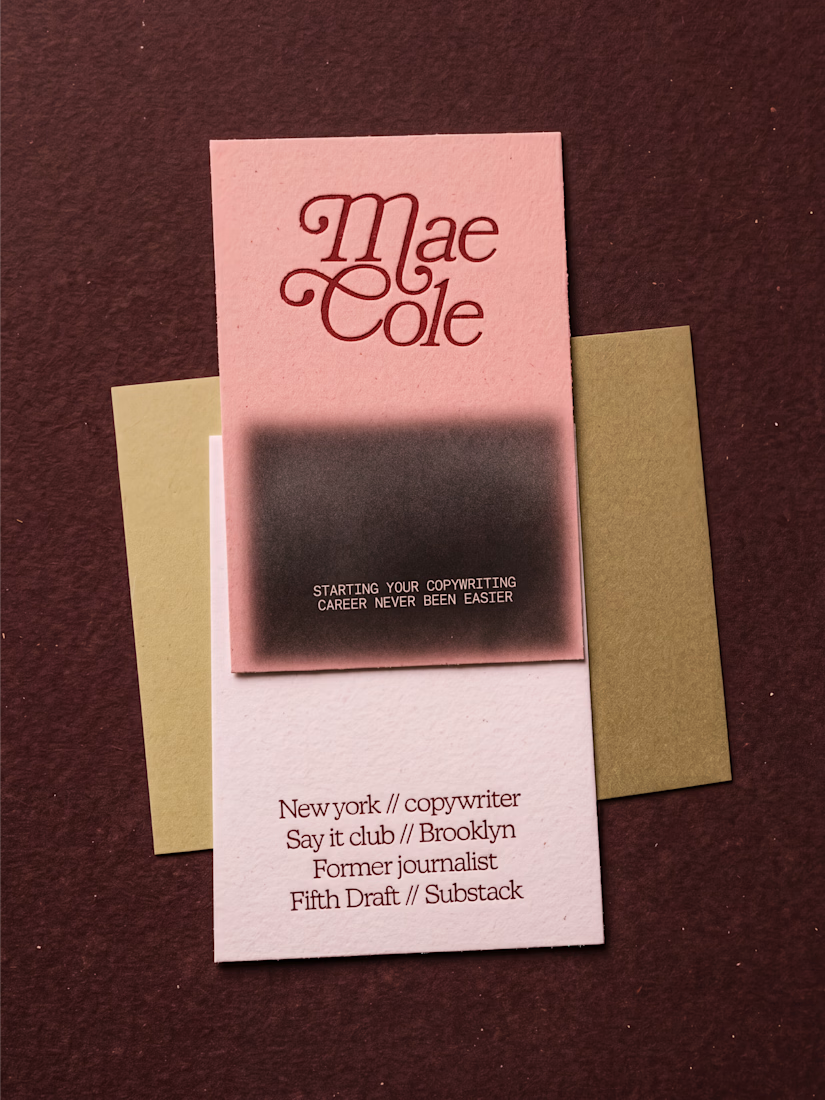
Meet Mae Cole 📝
Mae Cole is a Brooklyn copywriter who helps women founders say what they actually mean. Her world includes Fifth Draft, her Substack, and The Say It Club, small writing gatherings in New York.
The goal was a launch-ready brand that already feels lived in. Intellectual, analog romantic, warm under the cool, and effortlessly put together, like a New York magazine left open on a well-loved desk.
Scope: brand strategy, mood board, logo suite, typography, color palette, and brand assets across her studio, Substack, and The Say It Club.

Designed a SaaS that builds and maintains a team’s knowledge base on its own.
Most teams know they need one. Few have time to write it, and nobody has time to keep it updated. So the same questions keep landing in support, and new team members learn everything by asking around.
This tool turns the support tickets a team already has into docs that stay current. When an answer changes in a ticket, the article changes with it.
My focus on the design side was making auto generated content feel trustworthy. Each article shows which tickets it came from and when it was last updated, so teams can rely on it without double checking.
Fewer repeated tickets, faster onboarding, and a knowledge base that keeps up with the product.