The network for creativity
Join 1.25M professional creatives like you
Connect with clients, get discovered, and run your business 100% commission-free
Creatives on Contra have earned over $150M and we are just getting started
Back to feedPost

Design systems have always been built around one relationship: designer hands component to developer.
That's shifting. AI coding assistants are now reading Figma files and shipping UI directly — often without a human reviewing every screen.
That's made me rethink what a design system actually needs to do — not just guide people, but be legible to machines too. A lot of the tribal knowledge and implicit rules that live in someone's head just don't translate.
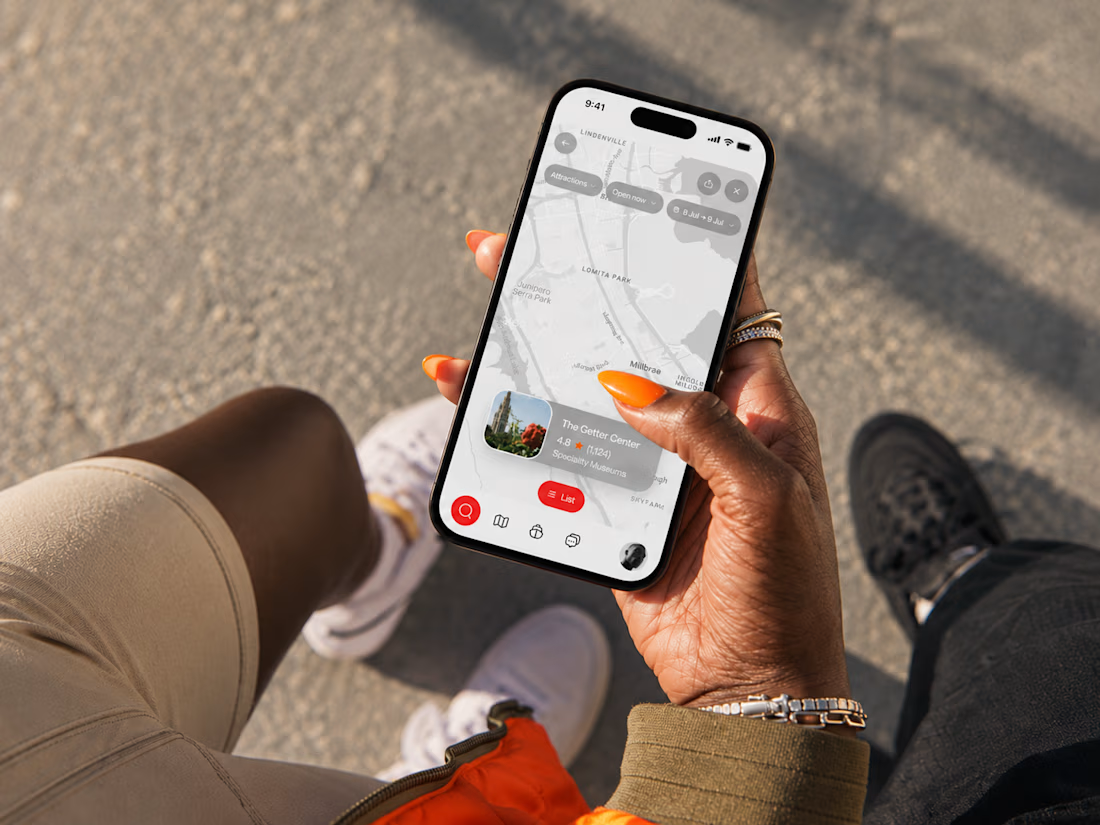
I've been working on a mobile design system for Figma — built on iOS Human Interface Guidelines and Material 3 — trying to make it something designers, developers, and AI tools can all work from consistently.
More on this soon.
hashtag#DesignSystems hashtag#UXDesign hashtag#ProductDesign hashtag#Figma hashtag#AIinDesign hashtag#DesignOps hashtag#UIDesign
The network for creativity
Join 1.25M professional creatives like you
Connect with clients, get discovered, and run your business 100% commission-free
Creatives on Contra have earned over $150M and we are just getting started











Related posts

New to Contra, but not new to design🚀
Hi, I’m a designer with 7+ years of experience. As a Top Rated Seller on Fiverr, I’ve completed over 3,500 projects for clients around the world.
Now I’m bringing my experience to Contra!
My team and I create Canva and Figma design systems, social media content, brand identities, and AI images and videos. We help businesses look consistent and make everyday content creation easier.


Wow Vladyslav that's cute❤️❤️


Working on a SaaS dashboard concept in Figma. 🚀
The goal is to make complex business data easier to scan and understand through clear visual hierarchy, structured analytics cards, and organized navigation.
Still refining the details and exploring ways to make the experience more intuitive.
What matters more to you in a dashboard: clean visuals or faster access to insightful?
#Ui designs #Ux design #Saas design #Figma
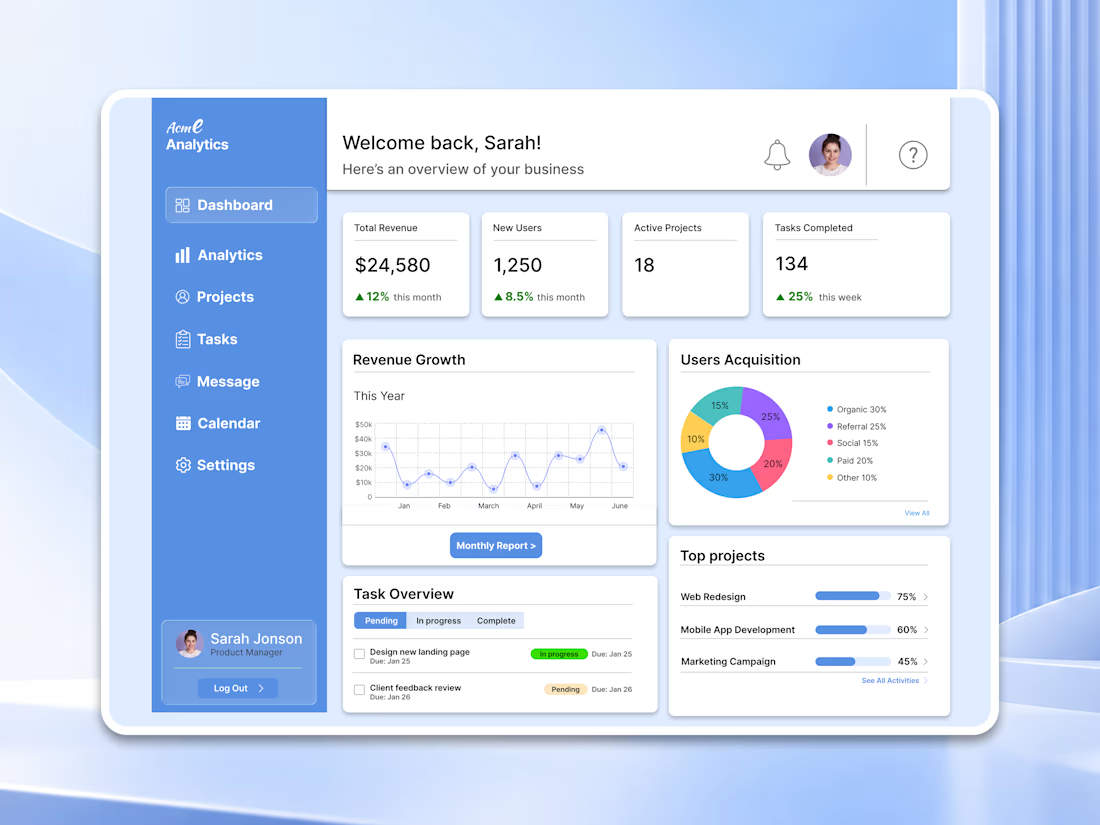

For a dashboard like this, I’d test whether the key action stays visible when the cards are filled with real, uneven data—not just placeholder numbers. What kind of business data are you designing the first view around?