The network for creativity
Join 1.25M professional creatives like you
Connect with clients, get discovered, and run your business 100% commission-free
Creatives on Contra have earned over $150M and we are just getting started
Back to feedPost

Built a dating app for Android & iOS — without starting with a traditional app development stack.
I recently built a mobile dating platform using Glide, with Instagram integration and a complete user-focused experience.
The idea was simple: make it easy for people to create a profile, discover others, and connect — while using Instagram to add another layer to their social identity.
What I worked on:
→ Mobile-first UI/UX
→ User profiles & profile management
→ Profile discovery
→ Matching & connections
→ Instagram integration
→ User preferences
→ Database & app logic
→ Android & iOS experience
→ Responsive screens and interactions
What I enjoyed most was turning a product idea into something people could actually interact with — from the first profile screen to discovering and connecting with other users.
This is also a good example of how I approach product development:
Idea → UX → App Logic → Integrations → Working Product
I don't believe every product needs to start with a complex tech stack.
Sometimes the right no-code/low-code tools can help you validate an idea, launch faster, and iterate based on real users.
If you're building an MVP, marketplace, social platform, internal tool, or AI-powered product, I'd be happy to help turn the idea into a working product.
#Glide #NoCode #AppDevelopment #MobileApp #UIDesign #UXDesign #InstagramIntegration #MVP #ProductDevelopment #AI #Automation


The network for creativity
Join 1.25M professional creatives like you
Connect with clients, get discovered, and run your business 100% commission-free
Creatives on Contra have earned over $150M and we are just getting started
Related posts

AI can generate a dashboard. But can it give a product its own identity?
The first design was created by my client using AI a familiar dashboard style you've probably seen across countless AI-generated products.
I redesigned it to feel less generic and more intentional, with a distinctive visual identity, clearer hierarchy, and an experience built around meaningful celebrations.
The goal wasn't just to make it look better. It was to make it feel like its own product.
What do you think is missing from most AI-generated interfaces?
#ProductDesign #UIDesign #AI
5 voted
23%
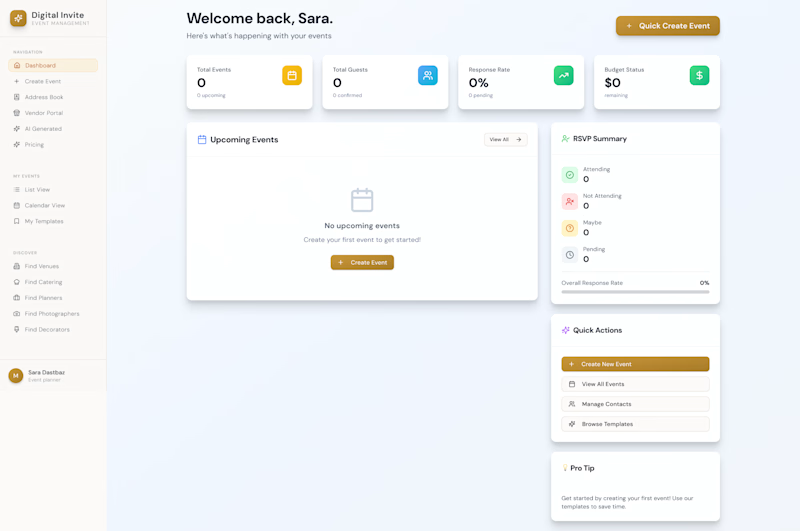
17 voted
77%
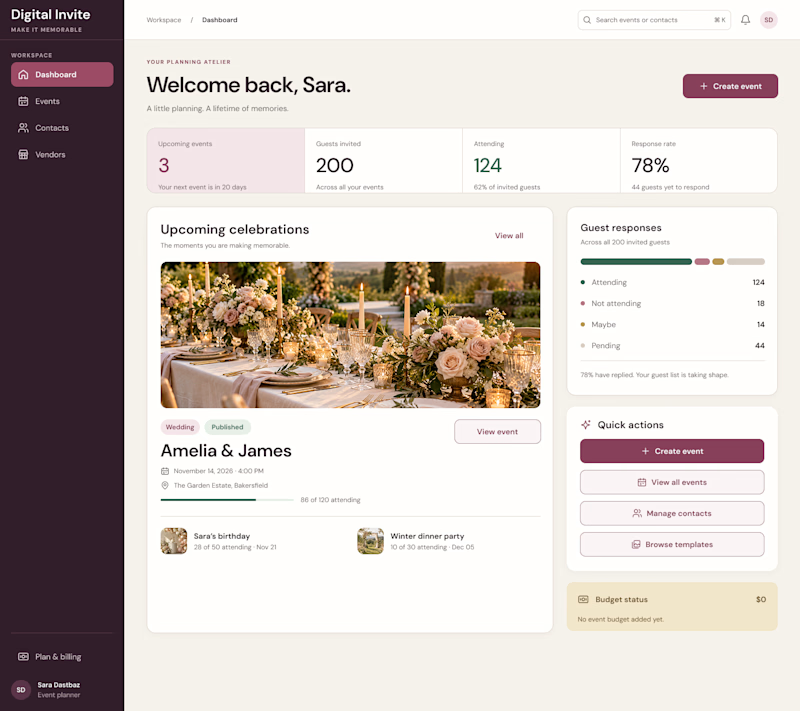
22 votes
Closed

I think personality is what makes a product stand out. A clean design is good, but it should also feel unique and memorable. 👏

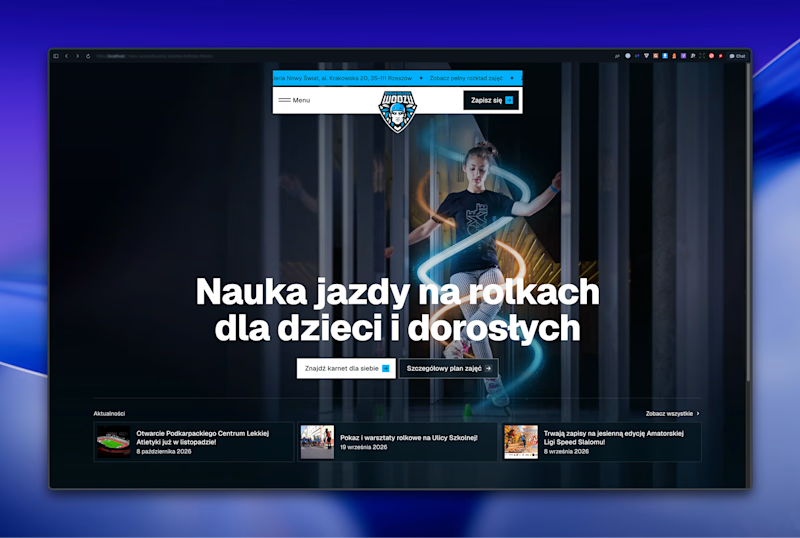
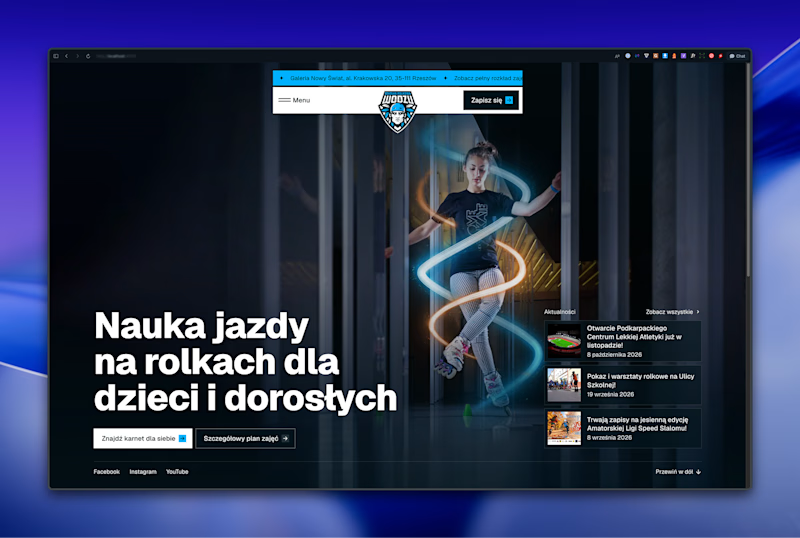

Left aligned for me. With that much body copy next to the headline it reads cleaner.

Proper Form — Social Media Branding System
A flexible social media system created for Proper Form as part of the wider brand identity.
The template system was designed to adapt across different post formats, banners and platforms while maintaining a consistent visual language.
Rather than repeating one rigid layout, the system gives the brand room to vary composition, imagery and content while remaining clearly recognizable.
Created by Lepisov Branding in collaboration with Creative Mints.
Logo design: Ilya Gorchanyuk
Creative direction: Dmitry Lepisov
Brand identity + social system: Lepisov Branding × Creative Mints


This is how a social system should work: strong enough rules that the brand reads at thumbnail size, loose enough that the feed never looks copy-pasted. Do you hand clients a Figma kit for this, or build it in something their team edits themselves?