The network for creativity
Join 1.25M professional creatives like you
Connect with clients, get discovered, and run your business 100% commission-free
Creatives on Contra have earned over $150M and we are just getting started
Back to feedPost

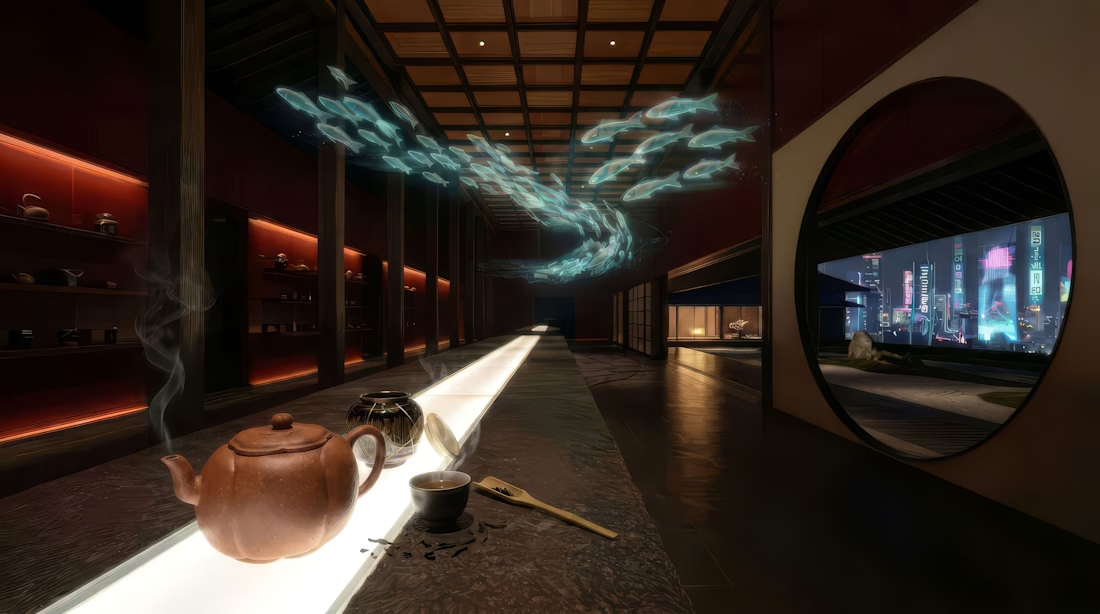
I didn't find this theme in the archive — I came to the archive from it. Tea is the material I work in: I build brands for tea houses and tea makers, I photograph dry leaf, I brew gongfu style at a table not unlike the one in this frame. So when I went looking through The Met's Asian Art collection, I wasn't browsing. I was looking for objects I already knew how to hold.
I went looking for a teapot and stayed for the repair.
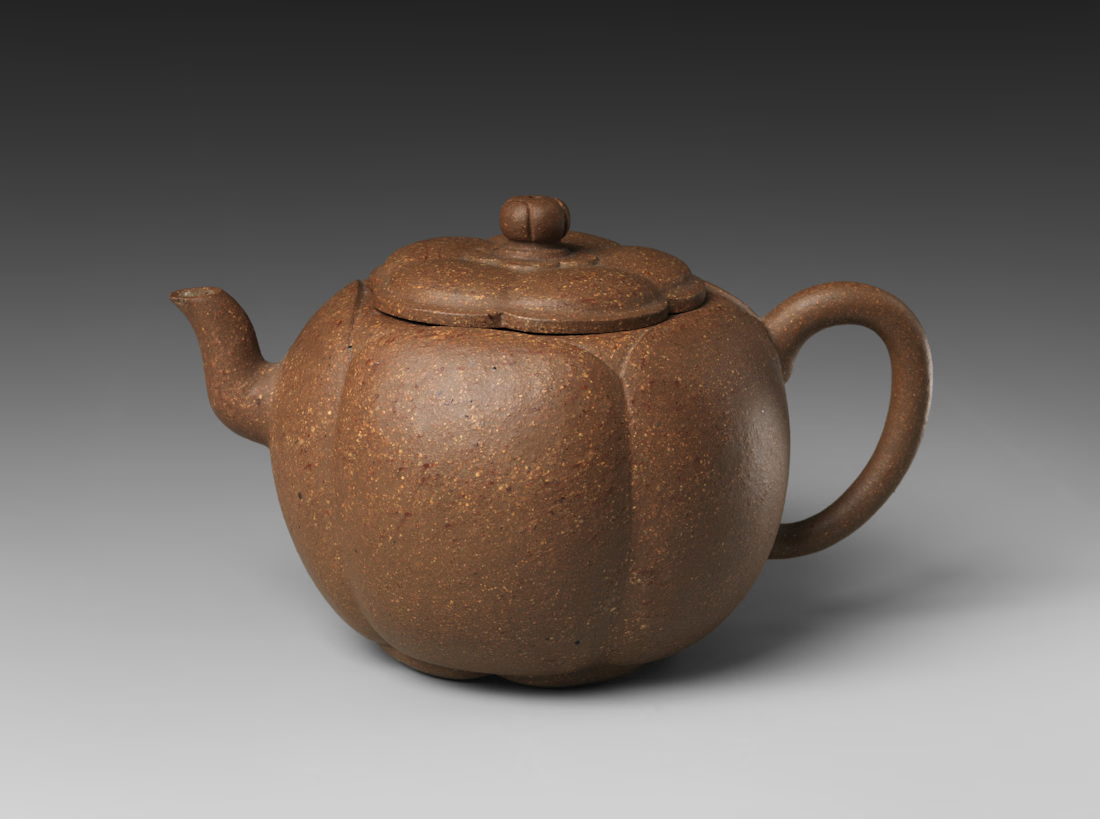
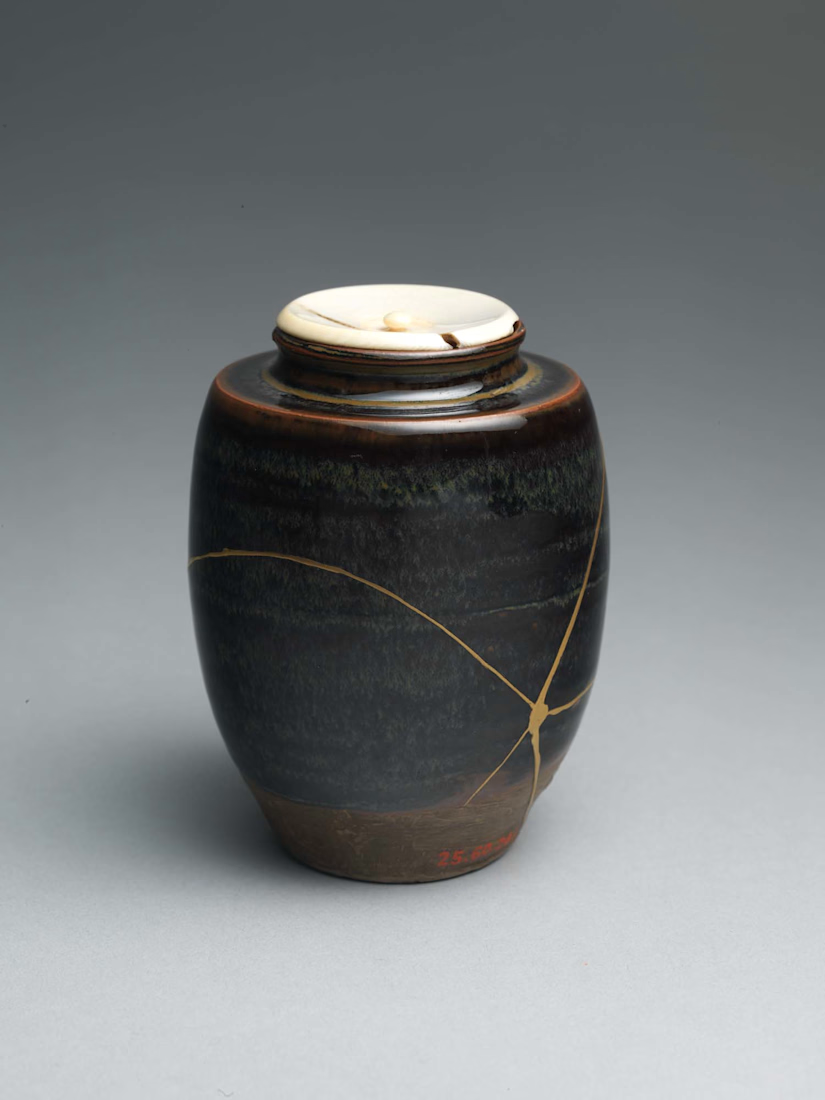
The Takatori tea jar, 18th century, has gold kintsugi veins across its body — it broke once, centuries ago, and someone decided it was worth mending with gold rather than discarding. Next to it I placed a Yixing stoneware teapot by Shi Dabin, shaped like a plum blossom, early 17th century — Yixing is where the teapot as a form was born. Both are palm-sized. The jar is 8.3 cm tall, smaller than a fist.
That scale nearly killed the piece. Every generation wanted to make them monumental — the teapot came out the size of a watermelon a dozen times before "smaller than the cups beside them" finally held. The failed versions are on the canvas, next to the one where the model gave the teapot an overhead kettle handle and I had to inpaint the correct side loop from the museum photograph. When you've poured from these shapes for years, you notice a wrong handle immediately.
The room is 2125. The koi overhead are holograms — a living pond is a luxury that future may not keep. The neon megacity glows through the moon gate. But the cup is still steaming and the leaves are still scattered, because someone just stepped away mid-ceremony. These objects are not artifacts there. They are still teapots.
The jar already survived one breaking. In my frame it is four hundred years further on — still held, still poured from. In 2125, the hologram is the copy of nature. The mended clay is what remains real.
Everything is on the canvas: the Met photographs, the oversized failures, the wrong handles, the frame that worked.
Original work: https://www.metmuseum.org/art/collection/search/63081
Tea jar, Takatori ware, 18th century. The Metropolitan Museum of Art, 25.60.24a, b. Open Access.
Original work: https://www.metmuseum.org/art/collection/search/42323
Teapot in the Shape of a Plum Blossom. Shi Dabin, early 17th century. The Metropolitan Museum of Art, 1982.362a, b. Open Access.

The network for creativity
Join 1.25M professional creatives like you
Connect with clients, get discovered, and run your business 100% commission-free
Creatives on Contra have earned over $150M and we are just getting started





Related posts

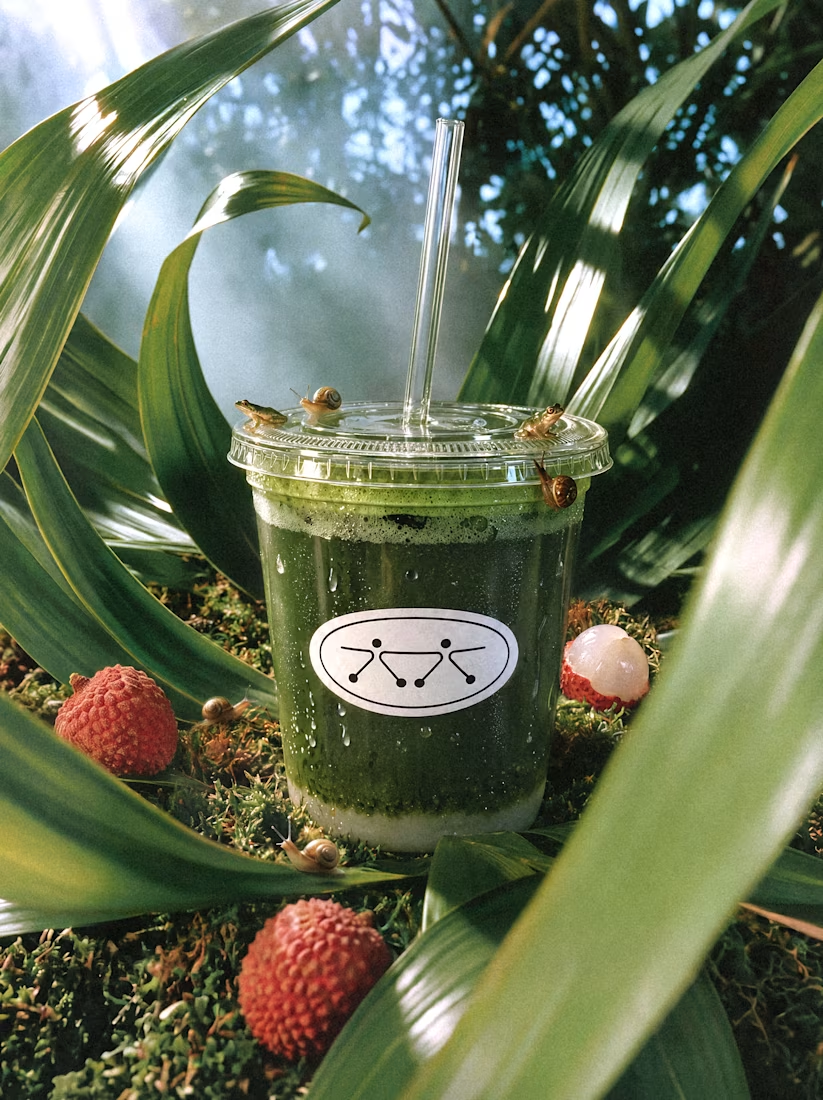
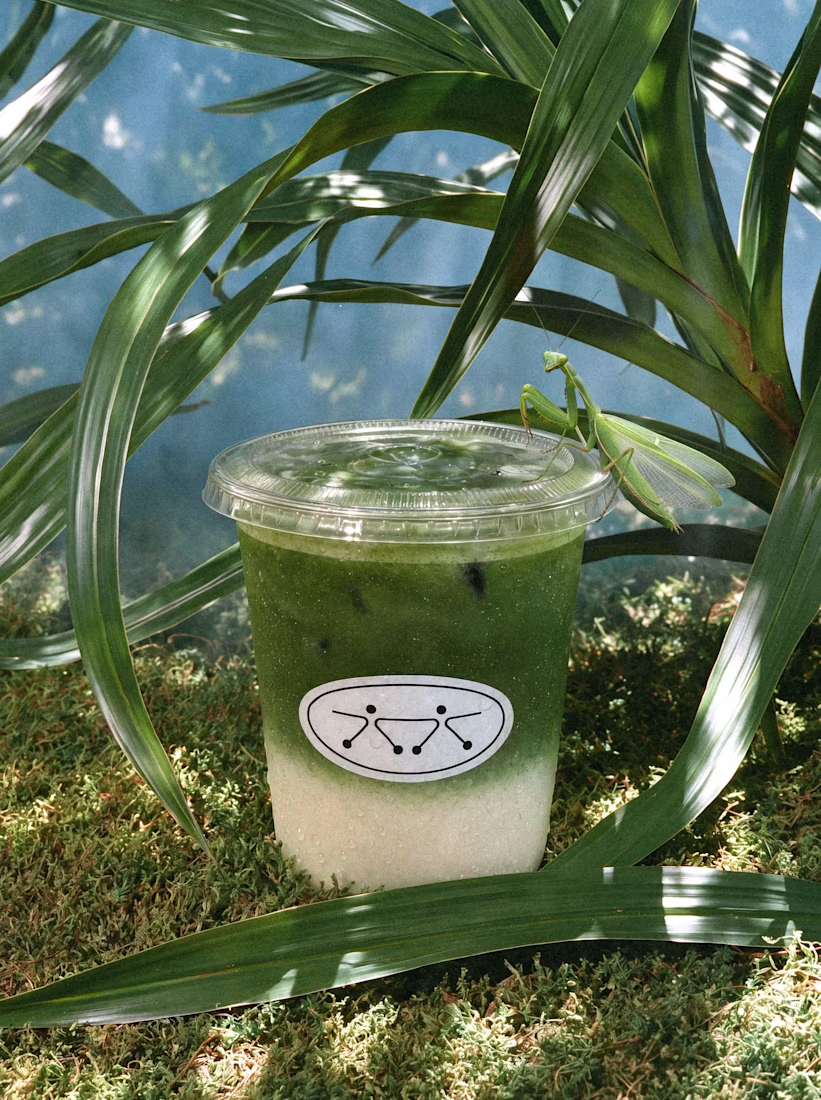
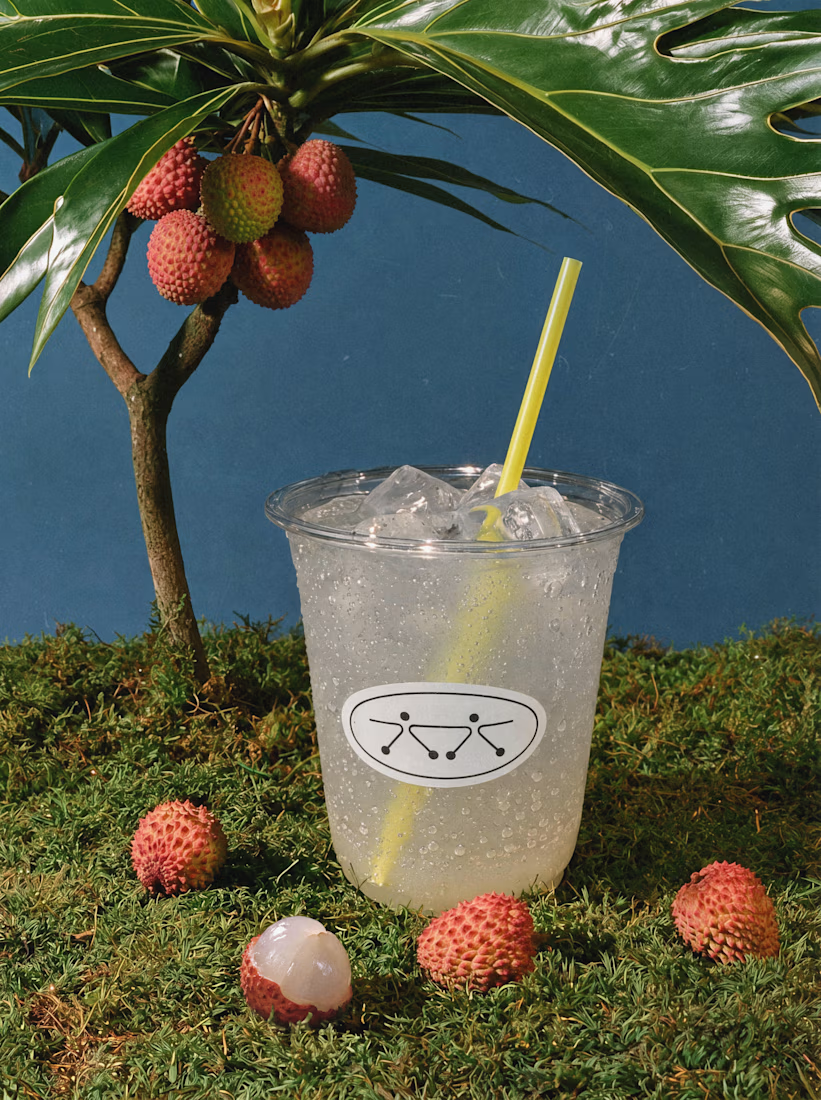
A little matcha ecosystem 🌿
AI campaign visuals for Brooklyn-based matcha brand boy bạn.
Creative Direction & AI Production — Se3d Studio


Love this!

What happens when AI pulls you into a field you know nothing about
I started this project knowing nothing about chemistry. I finished it reading molecular structures.
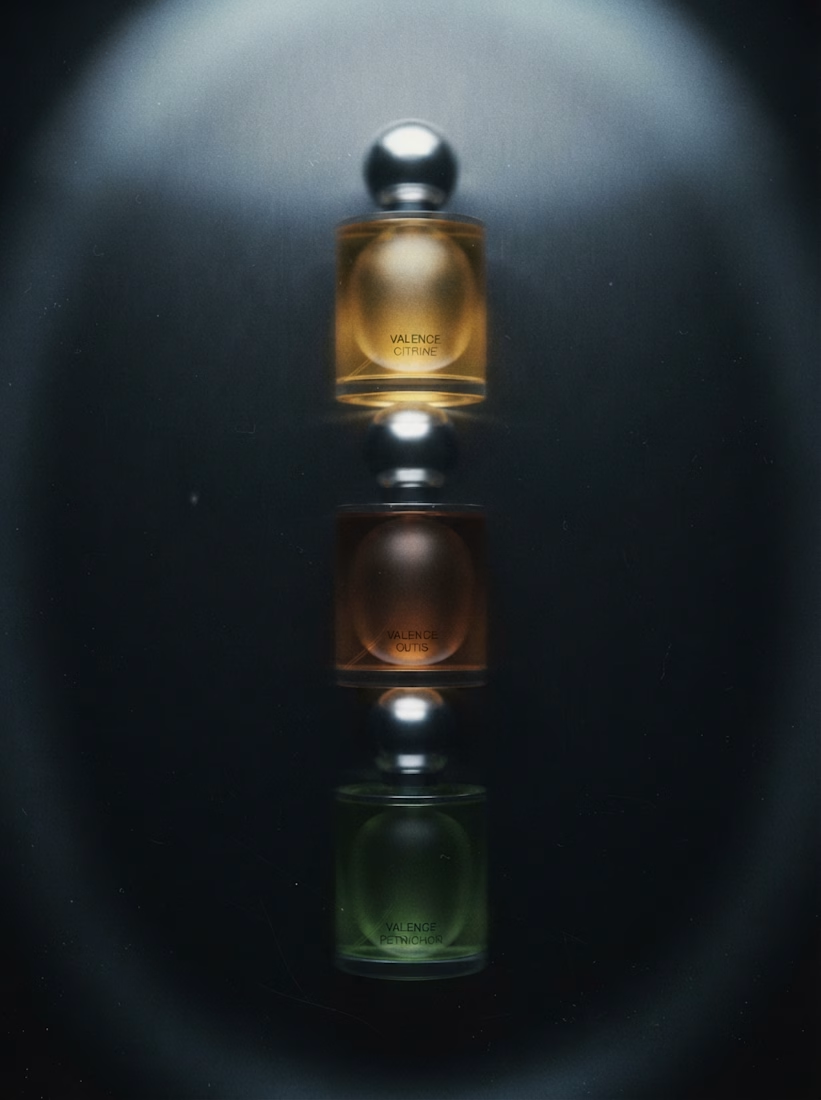
VALENCE is a speculative fragrance brand, but really it was an experiment: can AI help you go deeper into a concept, not just faster to a pretty image?
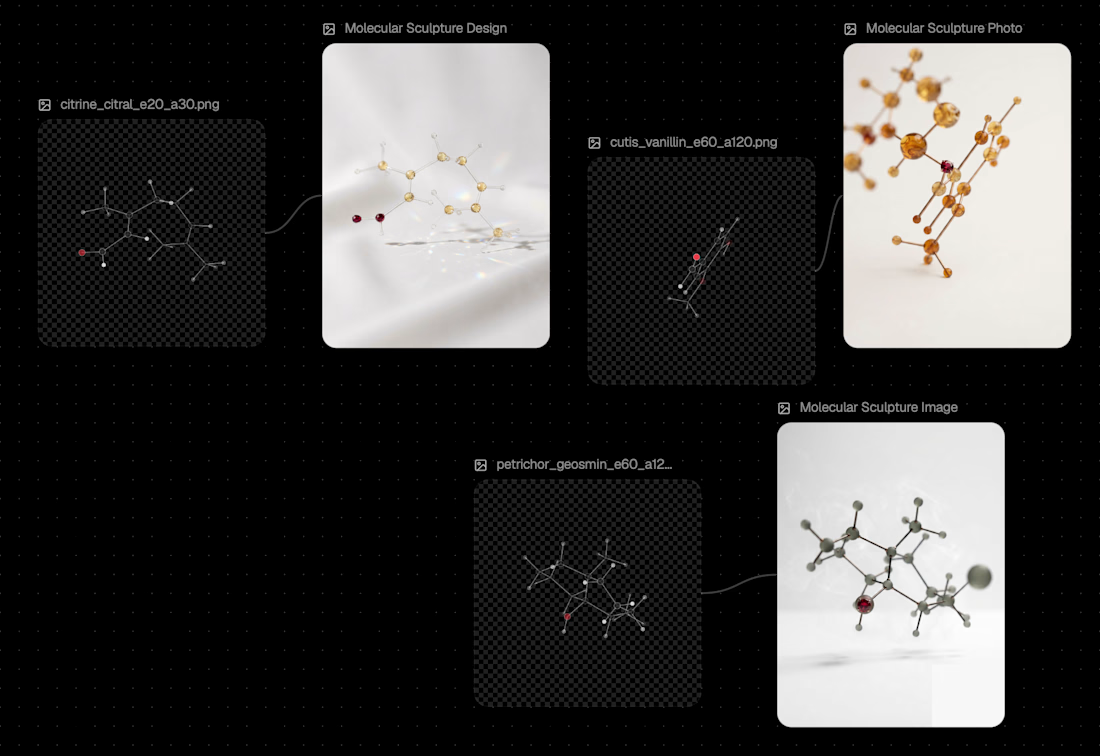
Every perfume is a formula, a handful of real molecules with real shapes. So instead of inventing a "scientific look," I built the whole brand from the actual chemistry. Three scents, nine molecules, all verified in PubChem. Geosmin, the molecule behind the smell of rain on dry earth, gave the scent Petrichor its name.
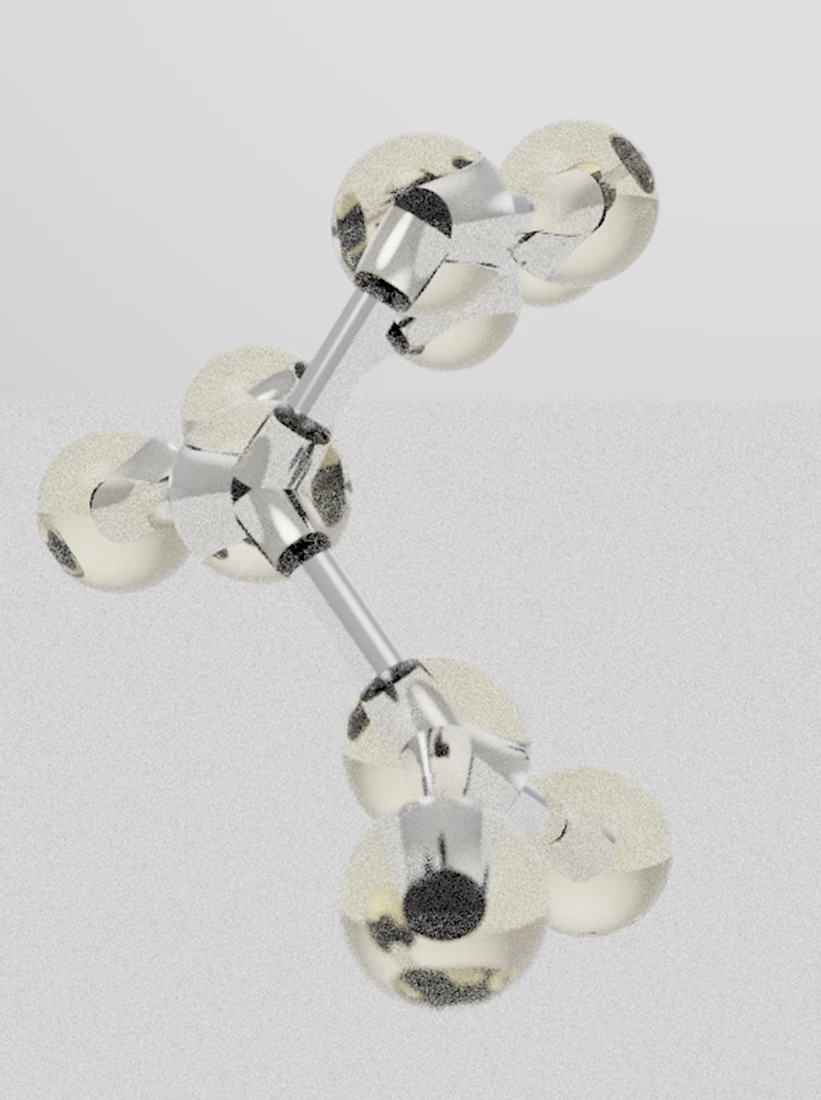
The process went one way only: from real data to image, never the other way round. Molecular geometry calculated in RDKit, molecules rendered as glass sculptures with a Python path tracer built together with Claude, and those renders used as references for AI-generated campaign visuals, motion and packaging. The bottle went through many iterations before it landed on one calm form: clear glass, a chrome sphere, each scent told apart only by its colour.
What I took away: an AI workflow can connect design with fields that seem far from it, and turn that connection into a campaign.
Tools: RDKit, Python, Claude, Midjourney, Flora, Kive



starting with zero chemistry and ending up reading molecules is wild. thats the best kind of rabbit hole

WARNING: This video contains strong strobe effects. ⚡
I recently watched The Moment, the Charli xcx mockumentary. I really liked the strobing typography layered over the footage, so I tried recreating it for the Contra × @Invideo challenge.
Everything was done directly in the new invideo Editor timeline. Although, to be fair, Agent Two did most of the work. I supplied the assets and creative brief, then watched it go.
And it did a freaking good job. Not perfect on the first try, but the fixes only needed a conversation in chat.
Watch the original effect in The Moment’s official teaser: https://www.youtube.com/watch?v=9-LlnenSEF4


