The network for creativity
Join 1.25M professional creatives like you
Connect with clients, get discovered, and run your business 100% commission-free
Creatives on Contra have earned over $150M and we are just getting started
Back to feedPost
Free weighted scorecard for choosing a video production partner. Includes a scoping call guide, outreach email, shortlist tracker, and vetting guide.


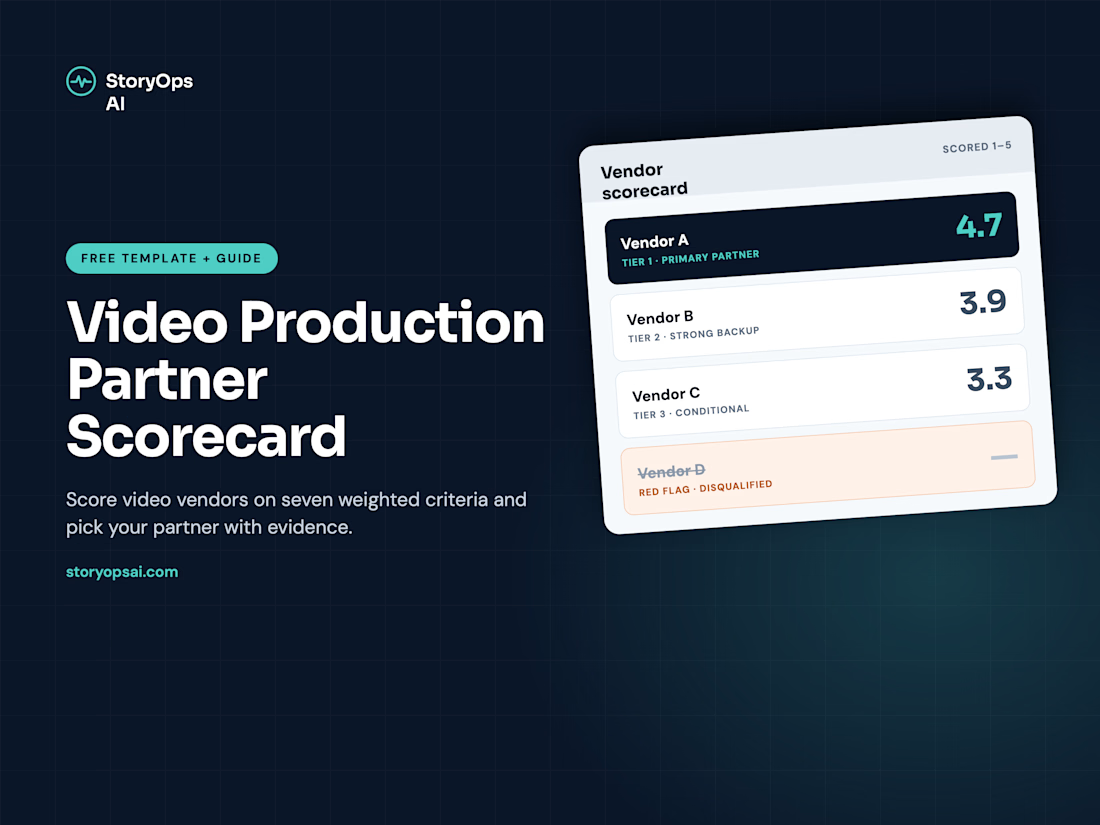
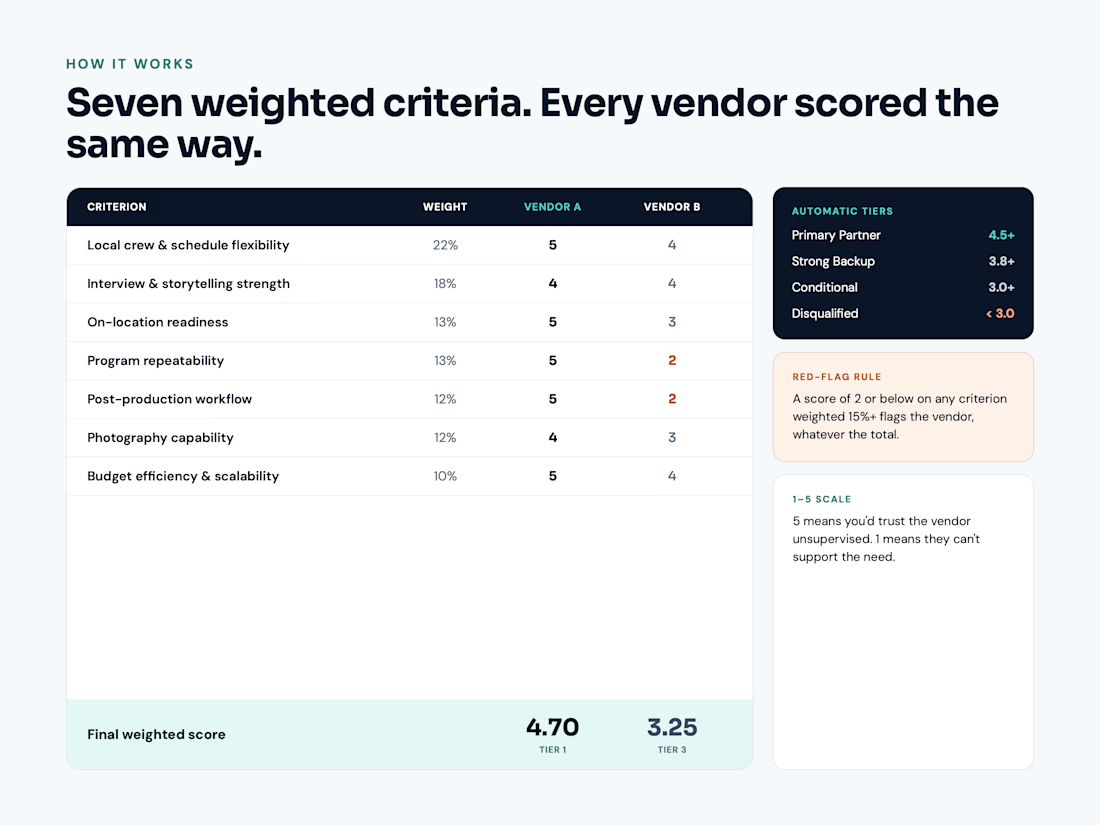
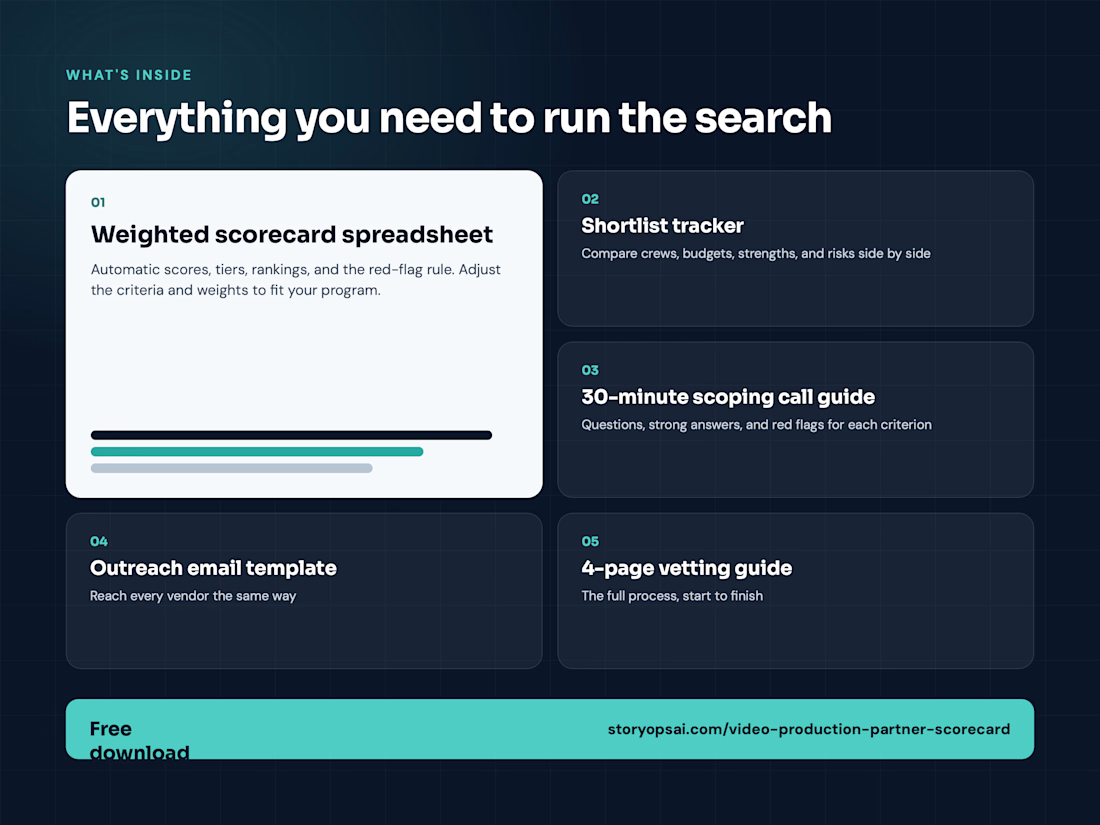

"Completed Work" Is the FREE Scorecard Template!
The network for creativity
Join 1.25M professional creatives like you
Connect with clients, get discovered, and run your business 100% commission-free
Creatives on Contra have earned over $150M and we are just getting started










Related posts

Title: Echo — a place you can only hear 🔊
Primary effect: Bring your own effect: "Echo" 🌊
invideo Editor timeline:https://invideo.io/share/ECHO-editable-timeline-n92j4troIbx
Process note:
🌑 Echo is a black screen where every sound sends a wave of light through the scene in real depth.
🎞️ Starting footage: one licensed stock clip of a temple corridor from invideo's stock library. The sound is original, synthesised for this piece. The voiceover is my own.
💬 What I asked for: a black screen where each ping lights the scene by distance, built from a depth map, with controls for each wave, afterglow, wave thickness, contour lines, outlines, colour and a final reveal.
🛠️ What was built: a depth map (Depth Anything Video), two "Echo" custom effects on the depth map (a Multiply layer for light and an Add layer for glow), an "Echo colour" effect on the footage, and keyframes for six waves and the reveal. The first build was done by Claude, connected to invideo Editor through invideo's MCP server.
🎚️ Refinement: I asked invideo's own agent (Agent Two Lite) in the editor to raise Afterglow from 0.14 to 0.3 on both Echo effects. It made the change on the timeline, and that conversation is shown in the video. I also tried a longer afterglow and a gold colour, both shown.
✅ All building and the final cut were done in invideo Editor.


Wow ✨

I've been working with a lot of leadership coaches on custom websites, so I decided to create a Framer template for this category.
Meet Waymark. A calm and clean template for leadership coaches.
https://www.framer.com/marketplace/templates/waymark-leadership/


is waymark aimed at solo coaches or bigger practices?

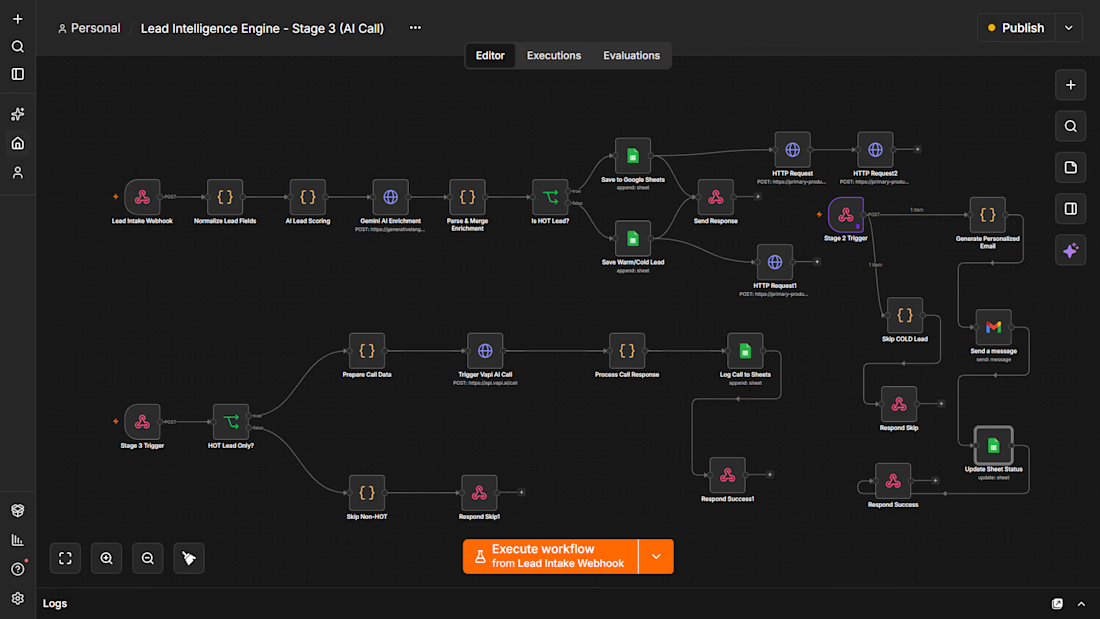
Stage 3 of the AI Lead Intelligence Engine is live.
HOT leads now receive an automatic AI voice call within 90 seconds of form submission, powered by Vapi.ai. The AI agent qualifies the lead, asks discovery questions, and attempts to book a meeting. No human involvement at any stage.
Full pipeline: Lead capture → AI scoring → Personalized email → AI voice call → CRM logging.
Built on n8n, Vapi.ai, Gemini AI, Gmail API, and Google Sheets.



Calling within 90 seconds is where most of the conversion lift comes from, so that's a smart stage to automate. How are leads reacting once they realise it's an AI on the line? I'd want a quick path to a human when someone asks for one.