The network for creativity
Join 1.25M professional creatives like you
Connect with clients, get discovered, and run your business 100% commission-free
Creatives on Contra have earned over $150M and we are just getting started
Back to feedPost
I designed it as a premium application for shaping the emotional quality of a private interior through light. Instead of treating lighting like a smart-home settings panel, the concept treats light as an architectural material.
From a single responsive surface, the user can:
adjust luminous intensity
tune atmosphere / bloom
scrub the solar meridian across the day
switch material emphasis
compare states
save a preset
open a commission summary
I used Stitch inside a multi-agent workflow orchestrated through Codex CLI + MCP. Stitch handled the interface generation and iterative design passes, while the agent workflow helped pressure-test directions, validate interaction states, and keep the concept moving toward a working product surface instead of a static mockup.
What I especially liked:
fast concept generation
strong visual exploration
quick iteration on layout and interaction direction
What I’d still like to improve:
stronger material-response differences
a more ownable room identity
even richer visual transitions between light states
Built for the Google Stitch Challenge on Contra.


This is really nice, especially the focus on emotional lighting and spatial control. Feels more like an experience than a smart home UI.
My submission for this challenge
https://on.contra.com/pnfJBQ
Open to feedback.

on.contra.com
Introducing Voya: Revolutionize Your Travel Planning Experience
Connect with next-gen talent and tools to get work underway. Hire more independents. Start more projects. Get more creative.


Thank you! I managed to pull it off at the very last minute 😄
The network for creativity
Join 1.25M professional creatives like you
Connect with clients, get discovered, and run your business 100% commission-free
Creatives on Contra have earned over $150M and we are just getting started
Related posts

Brand new case study up! Had loads of fun with this one
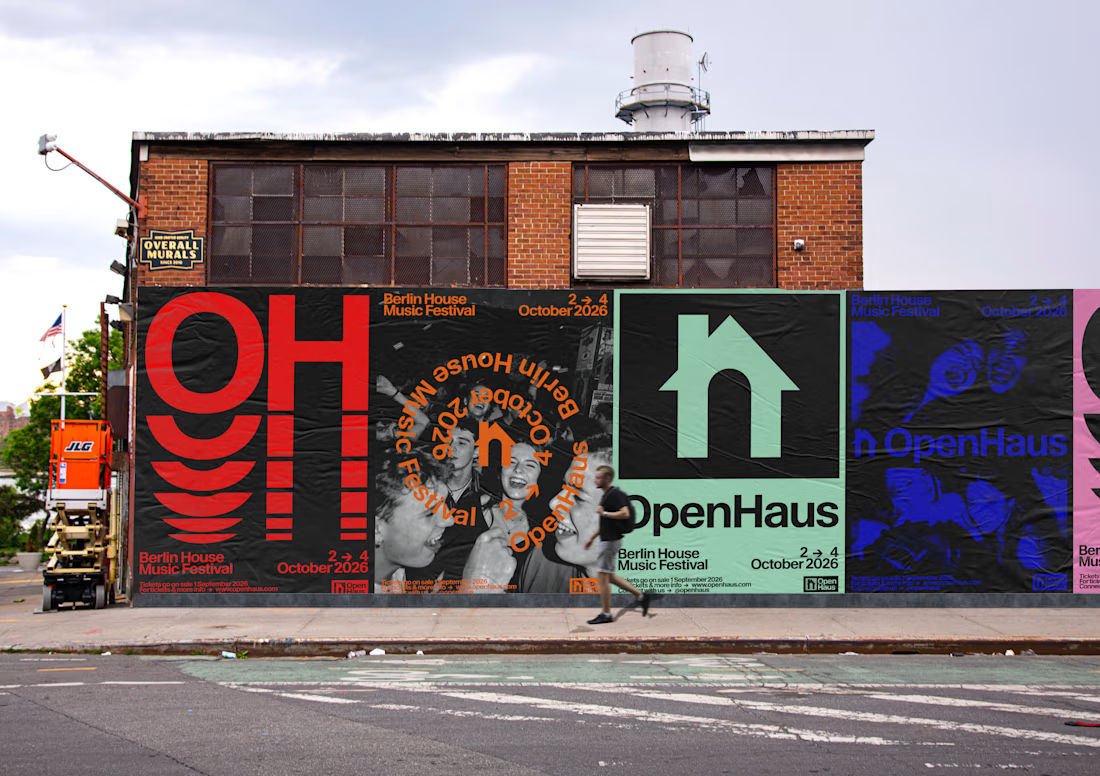
OpenHaus is a vibrant house music festival, made for anyone and everyone. The visual identity leans into bold, saturated color paired with bold typography and structured, grid-based layouts. It feels colorful and inviting on the surface, but stays grounded by a level of restraint that gives it a more considered feel.


Looks nice 👍🏻

Such a neat experiment in AI-assisted spatial design! Using 10 photos of a real setup to train a local model like FLUX 3 Klein is next-level prototyping.
Both options look great, but Option A totally wins on the cozy lighting front for me. Check out the post and drop your vote


Turned my real desk into a tiny clay diorama ☕️
Made with FLUX 3 Klein running locally, using 10 photos of my actual setup as references: the pegboard wall, headphones, mug, shelves...
Which one do you like more, A or B?
21 voted
58%
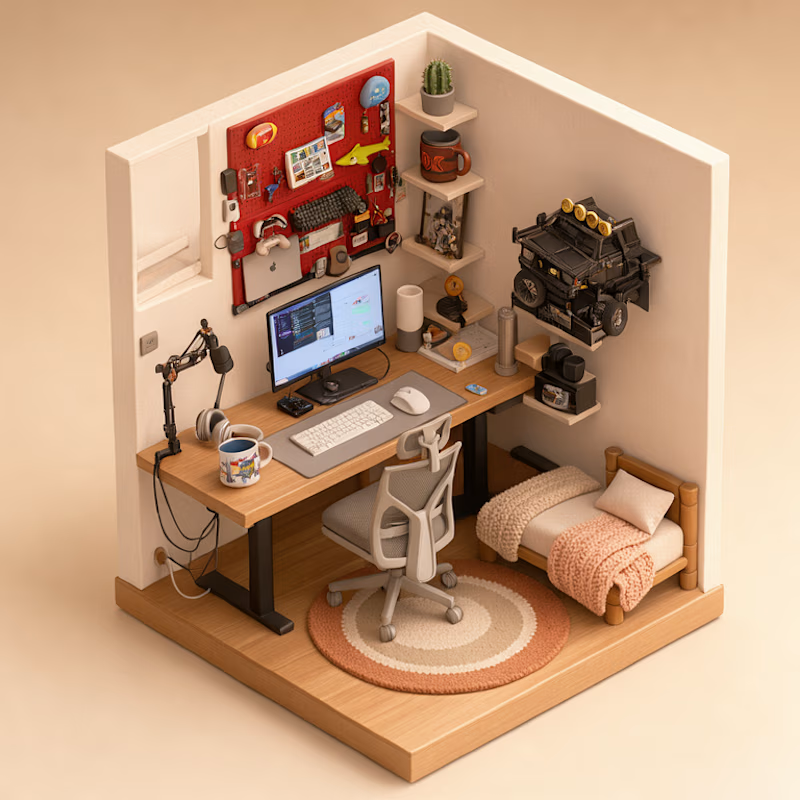
15 voted
42%
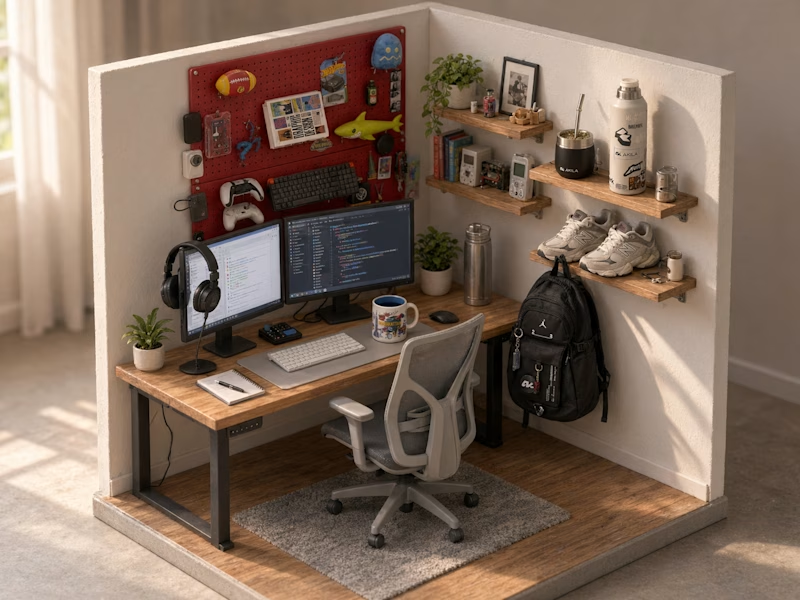
36 votes
Closed

This is insane! Option A is my favorite - the details are so realistic!
Love how you turned your real setup into clay with FLUX 3 locally, super creative idea!

AI Mental Wellness Platform UI/UX Design
Designed a modern and intuitive AI-powered mental wellness website focused on emotional well-being and personalized digital experiences.
The platform features an AI therapist, mood tracking, meditation, sleep improvement, wellness plans, and data-driven insights. A calming blue color palette, immersive visuals, clean layouts, and thoughtful UI elements create a seamless and engaging user experience.
mentalhealthwebsitedesignartificialintelligenceAI VIsual DesignerResponsive DesignWeb DesignClaudeFigma


love how calm the mood tracking and meditation screens feel in this wellness design