The network for creativity
Join 1.25M professional creatives like you
Connect with clients, get discovered, and run your business 100% commission-free
Creatives on Contra have earned over $150M and we are just getting started
Back to feedPost

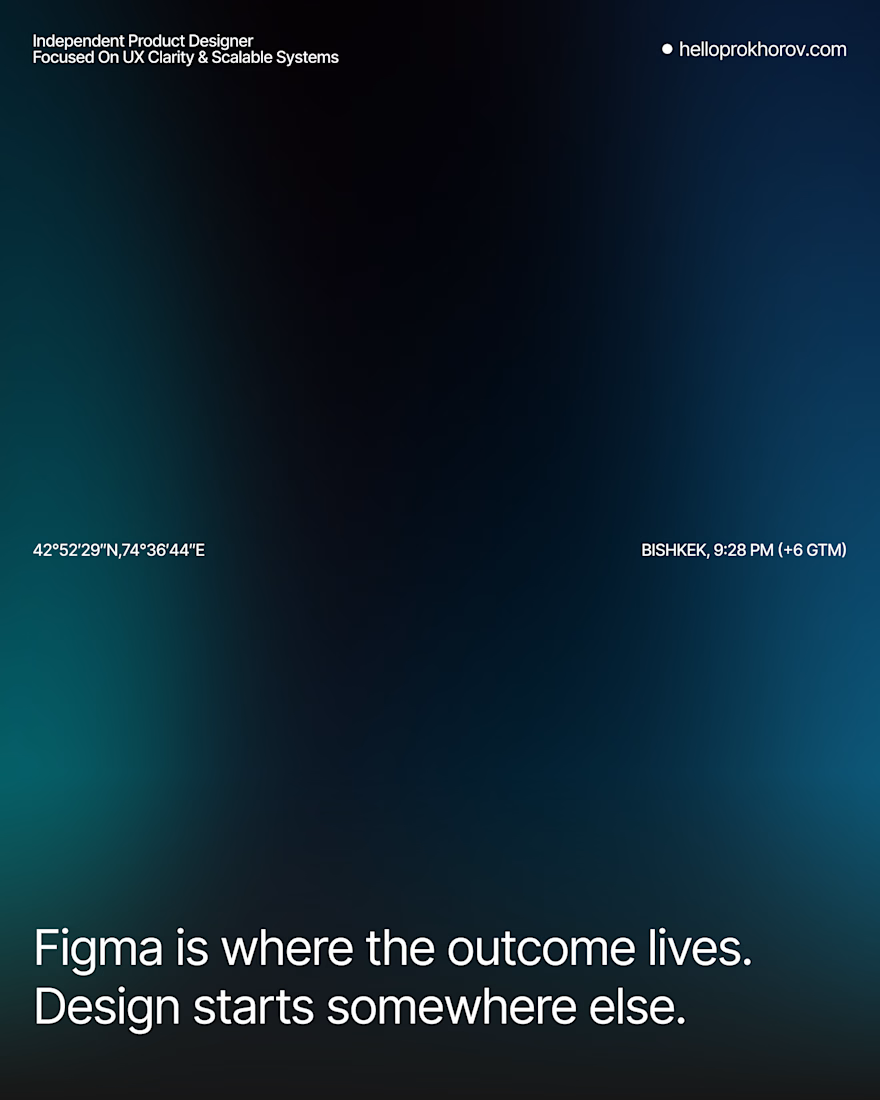
Figma is where the outcome lives.
Design starts somewhere else.
A lot of designers start their careers thinking that their job is simple: open Figma and create beautiful screens. And if those screens look modern, polished, and well-organized, then the job is done.
I used to think the same way.
But over time, I realized that frames in Figma are just the outcome of the work, not the work itself.
Real design starts much earlier. It starts with understanding who you’re designing for, what problem the product is solving, and why someone would choose it in the first place. It means asking difficult questions, challenging assumptions, removing unnecessary features, and finding a balance between user needs, business goals, and technical limitations.
Sometimes the best design decision is not adding a new feature, but deciding not to build one at all. Sometimes the most valuable thing a designer brings isn’t a mockup, but the right question at the right time.
That’s why design is more than just frames in Figma.
Figma is a tool. Just like a code editor is a tool for developers. It helps us communicate solutions, but it doesn’t replace critical thinking.
The longer I work in UX/UI, the more I believe that a great designer isn’t someone who can make things look good. It’s someone who can solve the right problems in the right way.
The network for creativity
Join 1.25M professional creatives like you
Connect with clients, get discovered, and run your business 100% commission-free
Creatives on Contra have earned over $150M and we are just getting started
Related posts

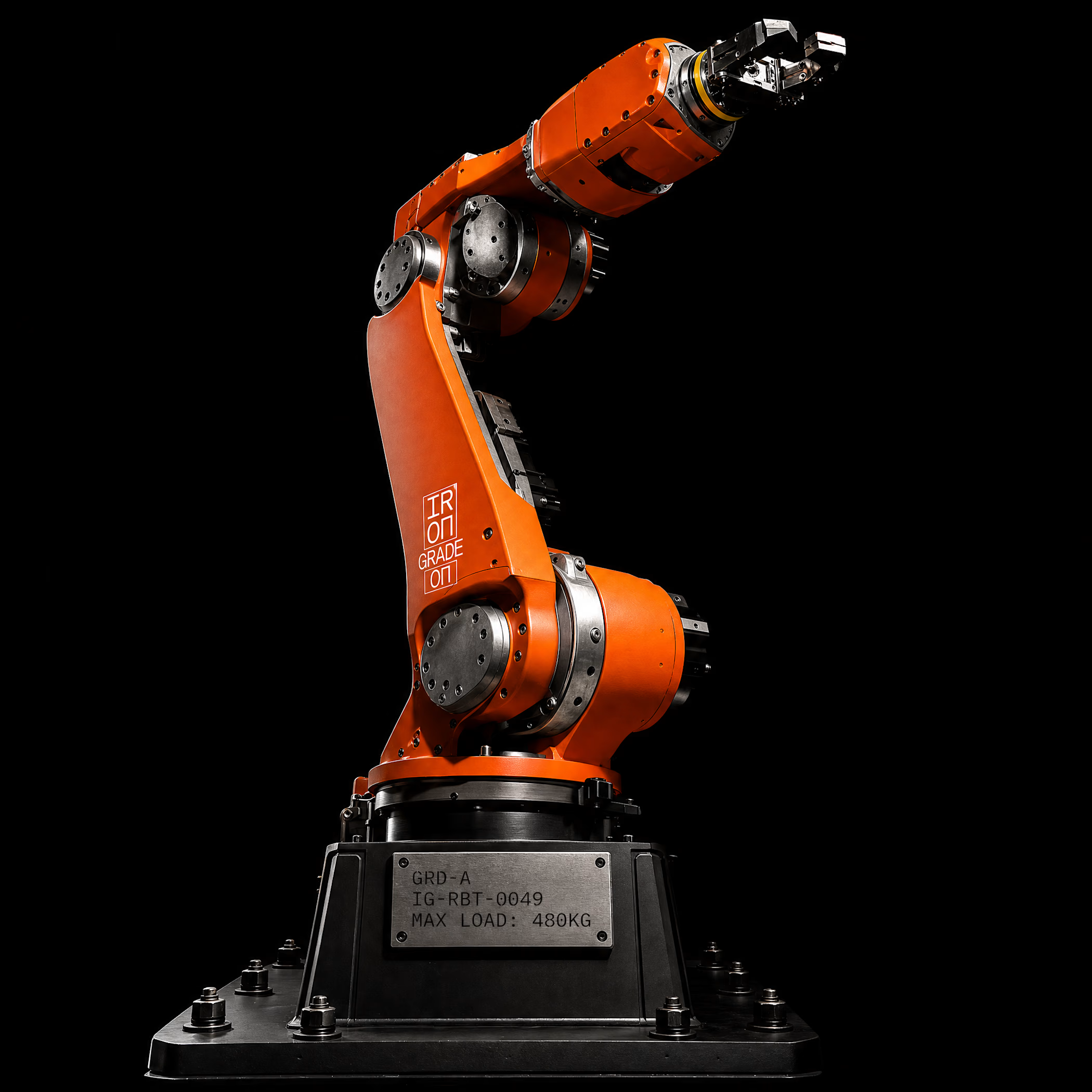
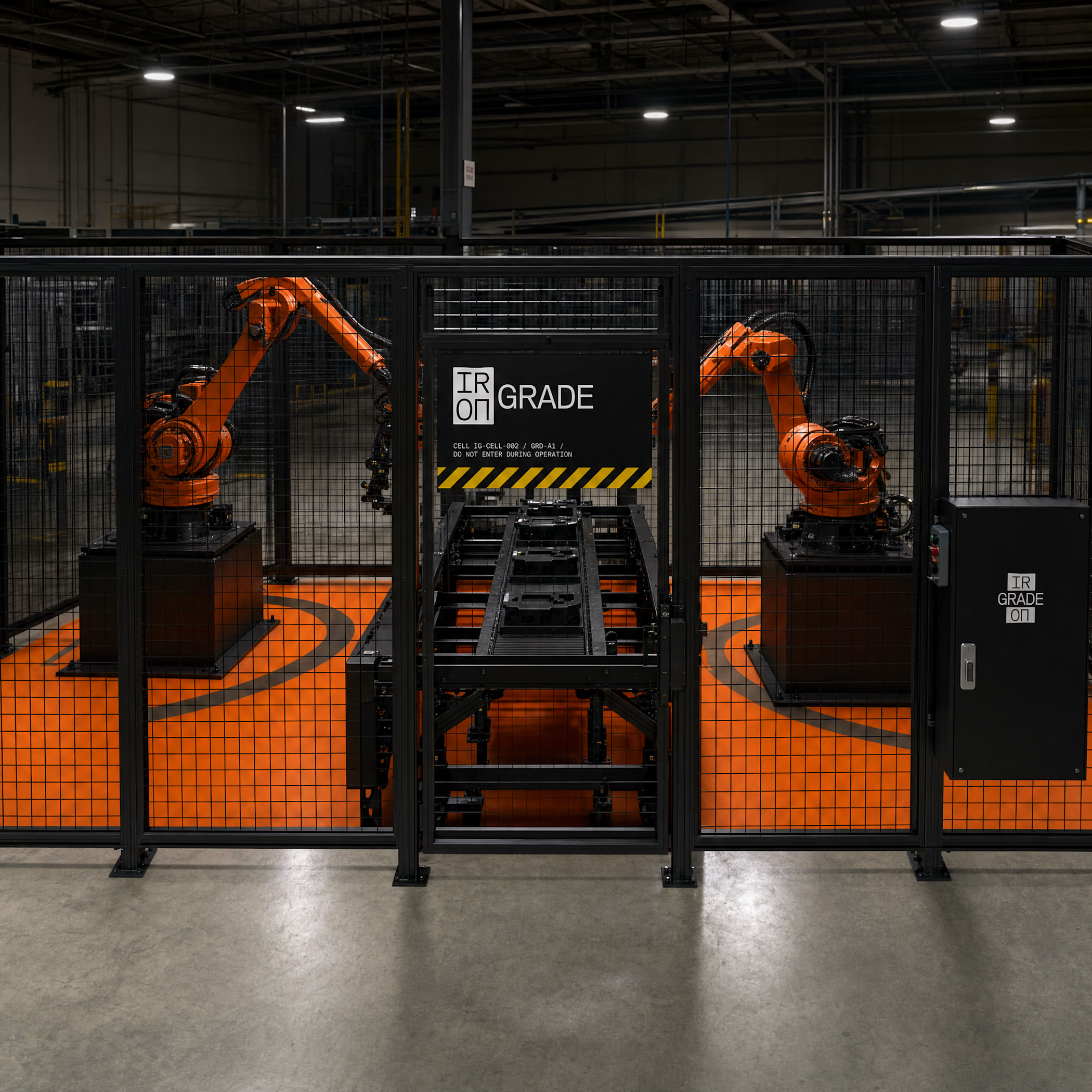
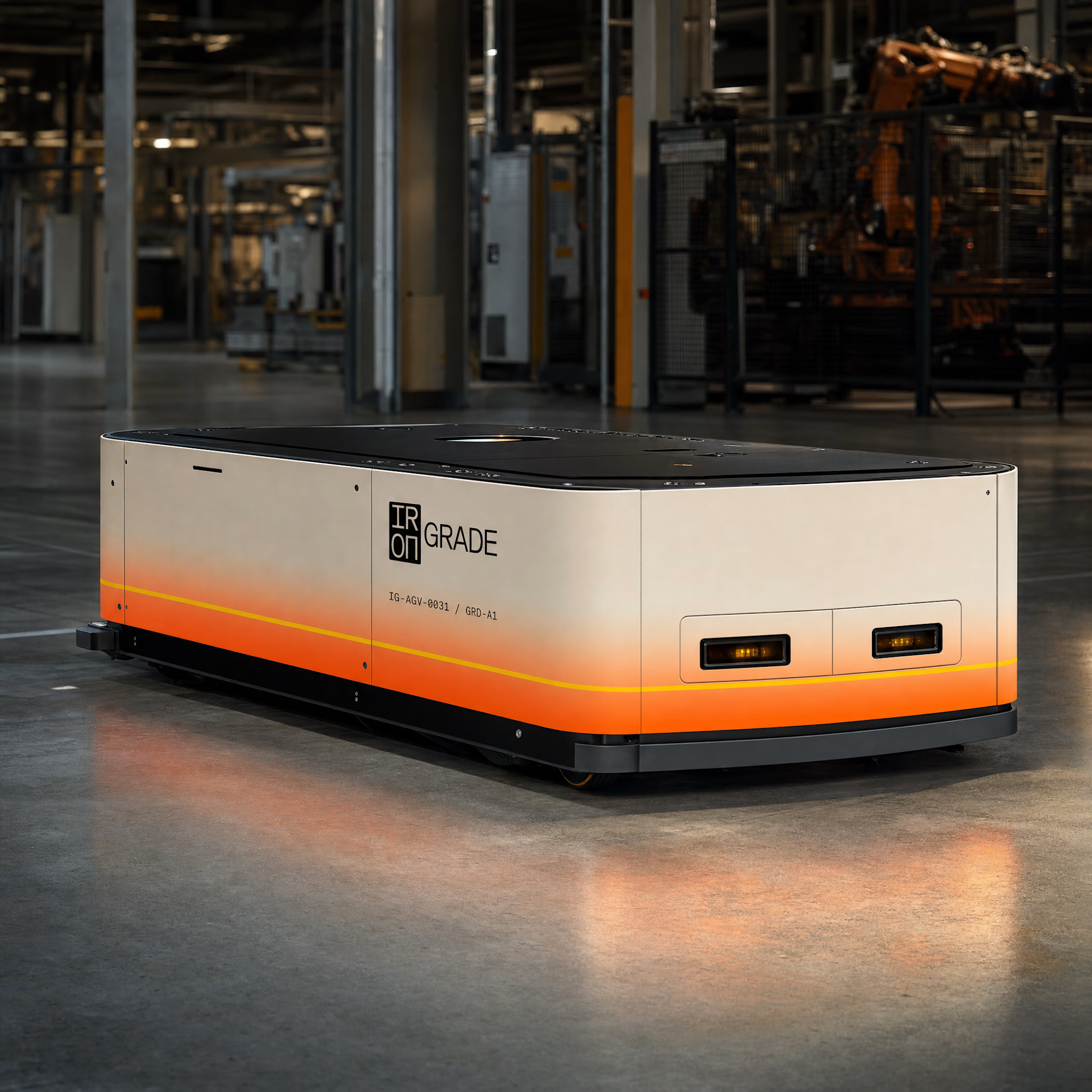
built a full brand identity for a robotics company that doesn't exist.
no client. no brief. just a hypothesis:
industrial hardware companies make some of the most visually powerful objects on earth — and then bury them under corporate blue and generic sans-serifs.
so I built IRONGRADE from scratch.
name. logo. color system. typography. 20 physical mockups. full landing page spec.
the rule: beauty is a byproduct of engineering, never the goal.

but this is amazing bro next level🔥

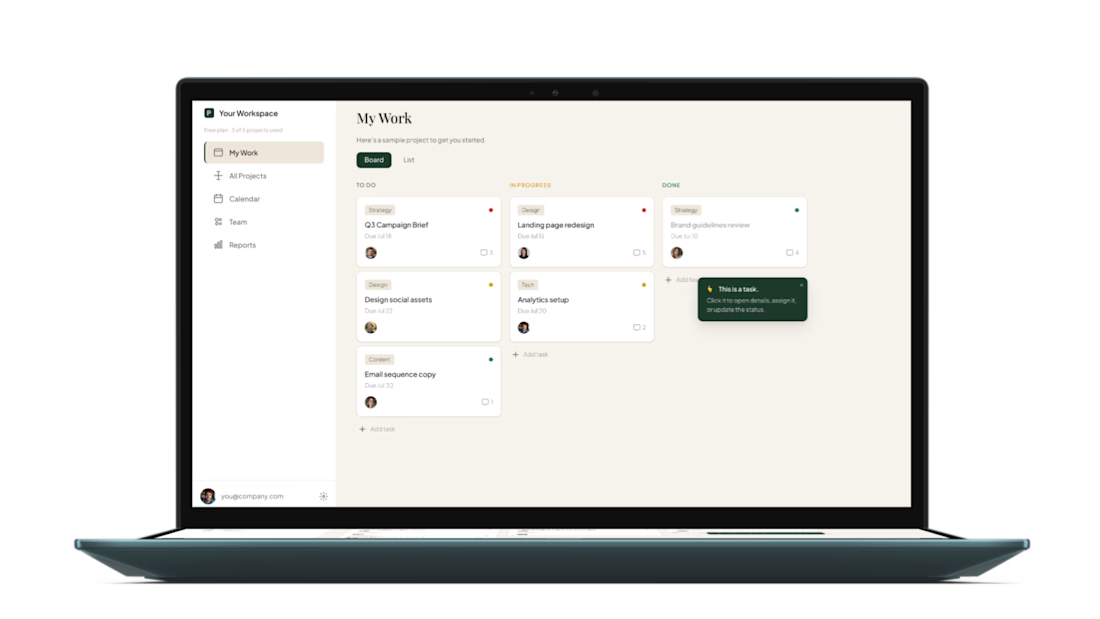
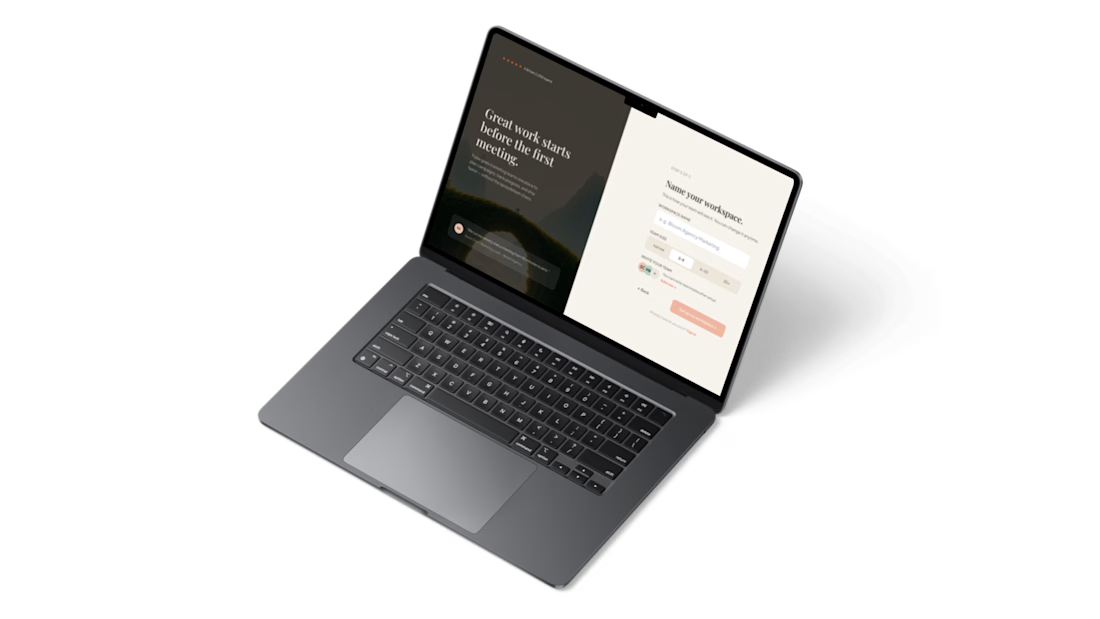
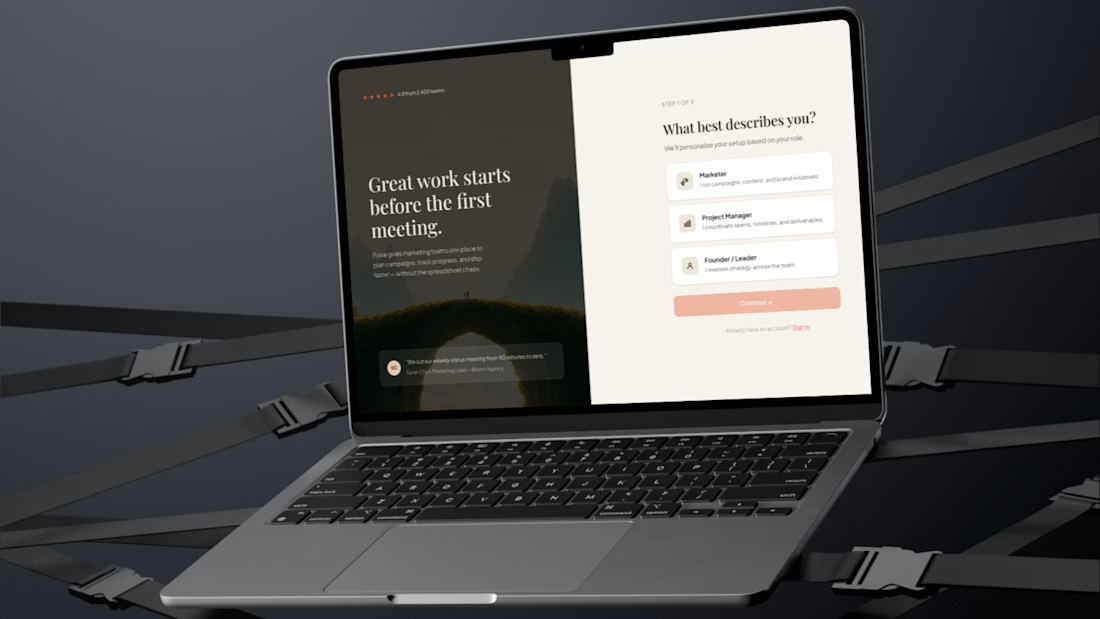
Here is my submission for the #makeathon
FocusDock is a calming focus timer designed for work, study, reading, and deep focus sessions.
https://detach-lime-09329627.figma.site/
The idea started from a simple problem: most focus timers are functional, but they don’t feel personal or emotionally engaging. I wanted to create a timer that feels more like a small ritual, choosing your environment, placing your clock, setting the mood, and starting a focused session with intention.
With FocusDock, users can:
Choose a focus duration
Pick from different illustrated desk, shelf, and table backgrounds
Select a clock style
Place the clock naturally inside the scene
Start a clean, distraction-free focus session
Use ambient sounds or music to support concentration
The design direction is soft, calm, and minimal, using 2D illustrated backgrounds with clear surfaces where the clock can sit naturally. The goal is to make the clock feel like an object inside the workspace, not just a floating timer UI.
I’m using Figma’s suite of tools to explore the visual system, generate the interface direction, and build the interactive prototype with Figma Make. A big part of the challenge is making the experience feel polished: smooth transitions, thoughtful placement, responsive layouts, and a focus flow that feels simple but meaningful.
For me, this project is about turning time management into a calmer, more intentional experience.
social post: https://x.com/sir_hsn/status/2063623301201858694?s=20




Challenges
View all



Trending

Claude
Claude has entered the design space. How are you using Claude Design?

Contra University
Learn from expert creatives how to earn more using next-gen AI tools.

MagicPath
The canvas is infinite, and exploration is becoming the workflow. How are you using MagicPath?
creativeaiflow
Creative AI workflows are evolving. What tools do you use, and what are their strengths and weaknesses?
freelancerlife
Freelancer life is wins, pivots, and everything in between. What’s yours right now?