The network for creativity
Join 1.25M professional creatives like you
Connect with clients, get discovered, and run your business 100% commission-free
Creatives on Contra have earned over $150M and we are just getting started
Back to feedPost
BriefPilot is an AI-powered tool that helps freelancers and designers turn messy client messages into clear project briefs, UX flows, MVP scope, screen recommendations, timelines, wireframe ideas, client-ready proposals, and portfolio case studies.
The idea comes from a real freelance challenge: clients often communicate project requirements through unstructured WhatsApp messages, emails, or short notes. BriefPilot transforms those unclear ideas into a practical design sprint that is easy to understand, review, and present.
My goal was to create a clean, simple, and useful SaaS experience that users and judges can understand within seconds.
🔗 Figma Make Prototype: [https://www.figma.com/make/WseWdSFzix1djCpKGbUK7H/Generate-full-design-prototype?fullscreen=1&t=m3oJurvOc7gCdlZN-1&code-node-id=0-9 ]
I would love to hear your feedback!
Hashtags
#FigmaMake #Figma #BriefPilot #UIDesign #UXDesign #ProductDesign #SaaSDesign #AIUX #AIDesign #DesignHackathon #InteractivePrototype #FreelanceTools #DesignTools #NoCode


This solves a real pain point. The jump from a vague client message to an actual brief is where most projects lose clarity. Turning that into UX flows and MVP scope automatically is smart. Would love to see how it handles ambiguous feedback.

Appreciate it! Handling ambiguous feedback is actually one of our my focus areas. The goal isn't just to generate flows and scopes, but to identify missing context, clarify assumptions, and turn vague client requests into something actionable. Still early, but the results have been promising so far.
The network for creativity
Join 1.25M professional creatives like you
Connect with clients, get discovered, and run your business 100% commission-free
Creatives on Contra have earned over $150M and we are just getting started
Related posts

Made some project page fixes on my Framer template in progress and made the project index page responsive before going to bed tonight.
To keep the UX feeling nice I added a scroll snapping effect to the project video panes so that they never appear only partially, but one pane at a time is always fully on screen as the user scrolls. 🔧


Really inspiring work! 😁


wow, impressive work

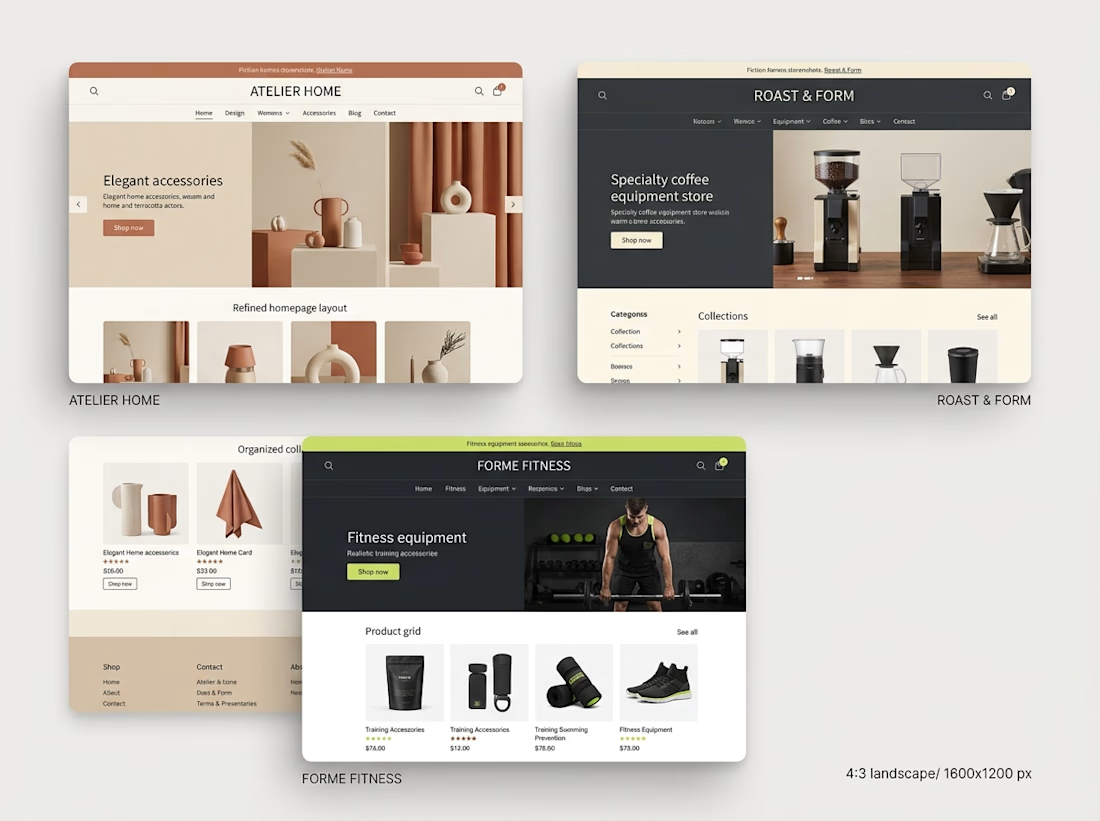
Over the past month, I've been spending more time exploring Shopify store design and thinking about what makes an online store work well.
One thing that stands out to me is that good e-commerce design involves much more than appearance.
I've been paying closer attention to:
→ How a homepage guides visitors
→ How product pages present important information
→ How collections help customers discover products
→ How navigation affects the shopping experience
→ How a store adapts to mobile screens
→ How consistent design builds a stronger brand experience
I'm also learning to think more carefully about the purpose behind each section instead of designing just because something looks good.
Every page should have a reason to exist, and every design decision should contribute to the overall experience.
I still have more to learn and improve, but each project gives me another opportunity to practice, experiment, and develop my approach.
My biggest takeaway so far: good Shopify design brings visual presentation, usability, and the customer's journey together.
What's one thing you believe every e-commerce designer should understand?

Understanding customer behavior is key to creating better shopping experiences. 👏


