The network for creativity
Join 1.25M professional creatives like you
Connect with clients, get discovered, and run your business 100% commission-free
Creatives on Contra have earned over $150M and we are just getting started
Back to feedPost

Why “it feels worse” is the wrong metric for evaluating GPT-5.2.
https://open.substack.com/pub/karozieminski/p/openai-chatgpt-52-vs-51-reliability-what-changed-why-everyone-is-wrong?


open.substack.com
ChatGPT 5.2: What It Really Changed, And Why The Internet’s Take Is Mostly Wrong
Why “it feels worse” is the wrong metric for evaluating GPT-5.2.
The network for creativity
Join 1.25M professional creatives like you
Connect with clients, get discovered, and run your business 100% commission-free
Creatives on Contra have earned over $150M and we are just getting started






Related posts

Paid social ads and a 24-page research report for Conversion, the agentic marketing automation platform replacing Marketo and HubSpot.


Bold pizza hook sells the report well.

The challenge:
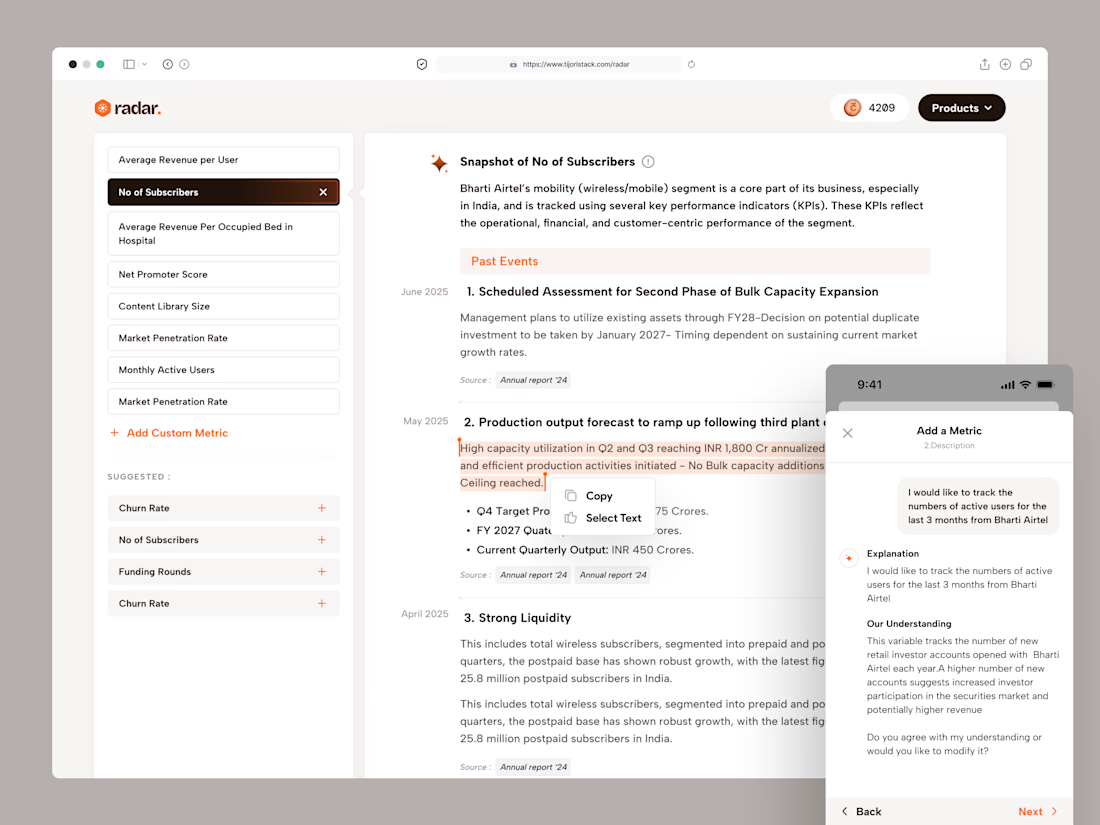
The KPIs that move a stock — subscribers, ARPU, capacity utilisation — are buried in annual reports and earnings calls. Screeners only show generic ratios. Tijoristack wanted investors to ask for any metric and get it back with dates and sources.
What I did:
As lead product designer, I ran research with investors, analysts and the founders, mapped the "add a metric" and "read a snapshot" journeys, and designed the web and mobile experience. I then worked with Tijoristack's developers through the build.
Key decisions:
• The AI restates its understanding of a new metric before tracking it, so one misread doesn't spoil every snapshot after it.
• Snapshots read as a dated timeline of events, not a lone number.
• A source chip on every claim, because investors won't act on what they can't trace.
Result
Shipped and live at tijoristack.ai/radar.
Building an AI or fintech product? I design complex workflows people actually get. Book a 30-min call
Check it out

The AI restating its understanding before tracking a metric is such a smart trust move. I design a GenAI analytics assistant and we hit the same problem: one silent misread and users stop trusting every answer after it. Did investors ever edit that restatement, or mostly just confirm it?

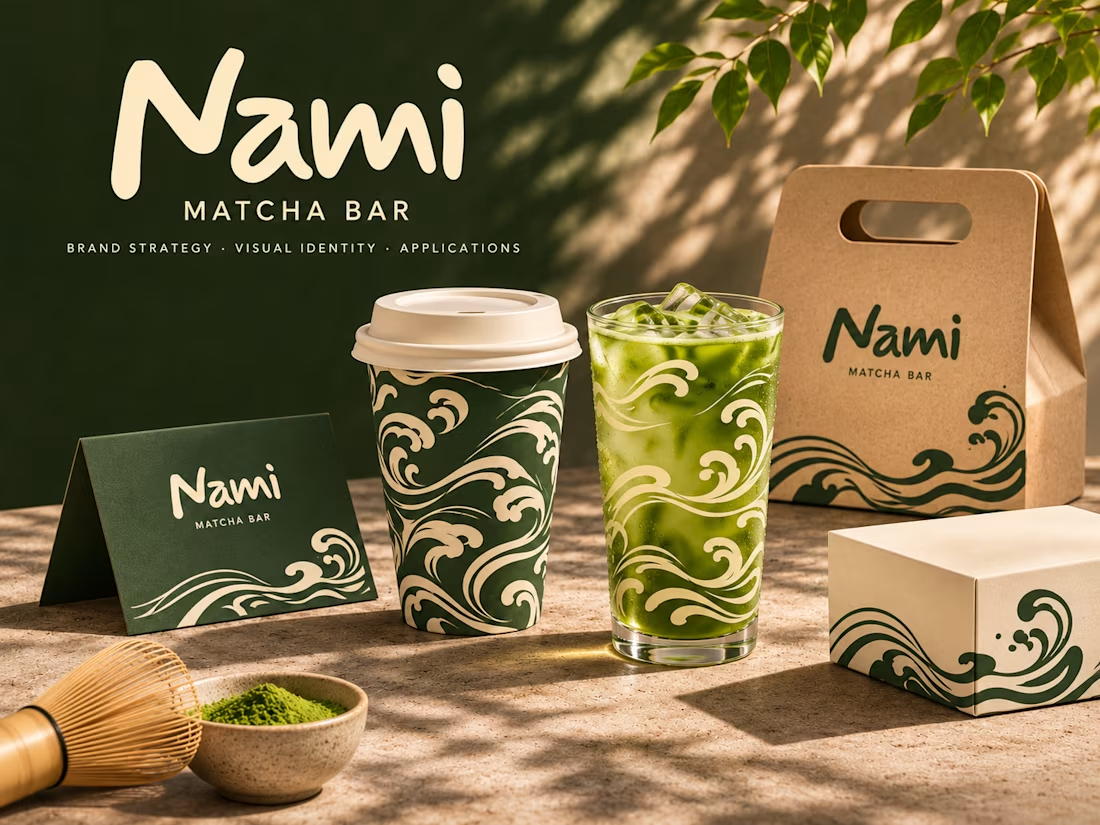
A thoughtful brand identity for Nami Matcha Bar, built around a calm visual language of forest green, warm ivory, and flowing wave details. The project brings t

Nice 👍