The network for creativity
Join 1.25M professional creatives like you
Connect with clients, get discovered, and run your business 100% commission-free
Creatives on Contra have earned over $150M and we are just getting started
Back to feedPost
PROJECT TITLE
Women’s Wellness Consumer Research & Customer Discovery
PROJECT DESCRIPTION
I developed this consumer research project to demonstrate a structured approach to understanding women’s experiences, purchasing behavior, pain points, and unmet needs related to recurring lower-back discomfort.
The research approach focuses on listening to consumers without pitching a product or leading participants toward a particular answer.
RESEARCH OBJECTIVES
• Understand consumers’ real experiences with recurring lower-back discomfort.
• Explore how they currently manage the problem.
• Identify products and solutions they have previously tried.
• Understand what influenced their purchasing decisions.
• Discover what they liked and disliked about existing solutions.
• Identify problems and frustrations that remain unresolved.
• Understand what consumers wish existing products could do better.
• Identify recurring patterns and opportunities for product development.
RESEARCH METHODOLOGY
Research Planning
Define the research objectives and target participant profile.
Interview Guide Development
Create clear, open-ended, and neutral questions designed to encourage honest responses.
Participant Screening
Establish appropriate criteria for identifying relevant consumers.
Consumer Interviews
Use short, structured conversations to explore participants’ real experiences, behaviors, and preferences.
Qualitative Analysis
Organize responses into themes and identify recurring pain points, behaviors, preferences, and unmet needs.
Insight Development
Translate research findings into practical insights that can support product development and marketing decisions.
KEY RESEARCH AREAS
Customer Experience
Understanding how consumers experience and manage recurring lower-back discomfort.
Purchasing Behavior
Exploring what consumers purchase, why they purchase it, and what influences their decisions.
Existing Solutions
Understanding what consumers have tried and their experiences with those solutions.
Customer Pain Points
Identifying frustrations and problems that remain unresolved.
Unmet Needs
Discovering what consumers wish existing products or solutions did better.
EXPECTED DELIVERABLES
• Research objectives
• Participant screening criteria
• Neutral interview guide
• Consumer interview framework
• Qualitative findings
• Customer pain-point analysis
• Purchasing behavior insights
• Unmet-needs analysis
• Recurring themes and patterns
• Actionable recommendations
• Research summary/report
MY APPROACH
My approach is centered on listening before recommending.
The goal is to understand what consumers actually experience, what they have already tried, what they liked or disliked, what problems remain, and what opportunities may exist to create better solutions.
This project demonstrates my ability to structure consumer research, conduct qualitative discovery, organize customer insights, and communicate research findings clearly and professionally.
SKILLS
Consumer Research
Market Research
Customer Discovery
Qualitative Research
Consumer Interviews
Customer Insights
Research Analysis
Research Writing
Product Research
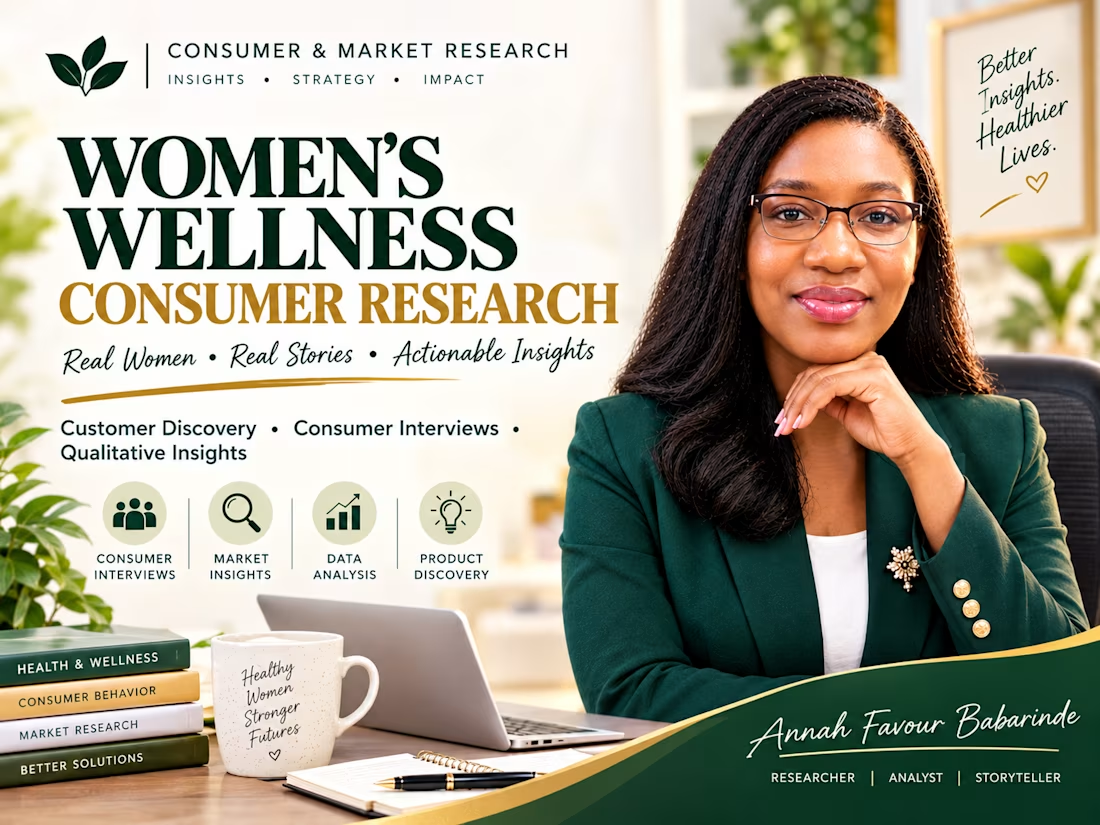

I’m excited to showcase this consumer research project, which demonstrates my approach to understanding real customer experiences, purchasing behavior, pain points, and unmet needs.
My approach is centered on listening first, asking neutral questions, identifying meaningful...
The network for creativity
Join 1.25M professional creatives like you
Connect with clients, get discovered, and run your business 100% commission-free
Creatives on Contra have earned over $150M and we are just getting started
Challenges
View all


Related posts

Designing for the little details that make a product feel more human.
Exploring visual direction, storytelling, and interaction to make financial products feel simpler, more approachable, and more engaging for kids. ✨

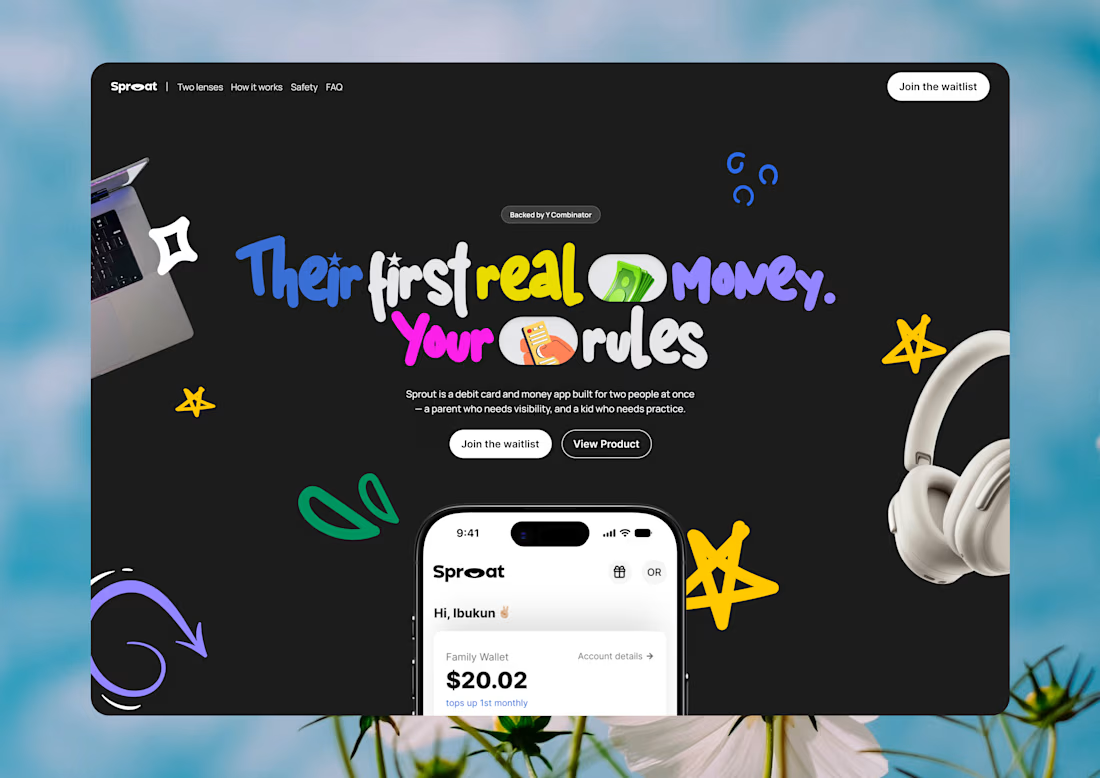

The playful visual direction feels well matched to making money less intimidating for kids. I especially like how the phone UI and expressive illustrations work together—Id keep testing the first-tap flow so the interaction stays as approachable as the art.

Private Equity Buyer Research for Technology & Software Acquisitions
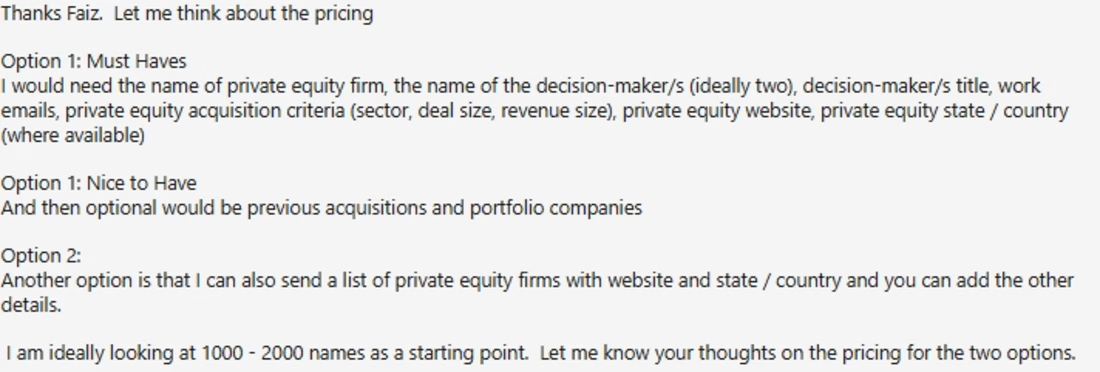
For this project, I researched and qualified private equity buyers focused on acquiring technology and software businesses.
The challenge was to identify relevant acquisition buyers, not simply collect a large list of PE firms.
The research focused on firms with:
• $5M–$50M target deal value
• $2M–$20M target company revenue
• Technology / Software acquisition focus
• Relevant geographic focus
• Active acquisition criteria
For each qualified buyer, I researched:
• PE firm & website
• Acquisition criteria
• Deal / revenue focus
• Relevant Partner / Principal / Managing Director
• Job title
• Verified business email
• LinkedIn profile
• Previous acquisitions / portfolio companies
• Source & verification details
The final database was structured for direct acquisition outreach and deal sourcing.
My focus is always on relevance, accuracy and actionable decision-maker data, rather than generic databases.
Need a targeted PE buyer list for your acquisition strategy? Let's connect.


Hi Faiz I need your help can u help me?

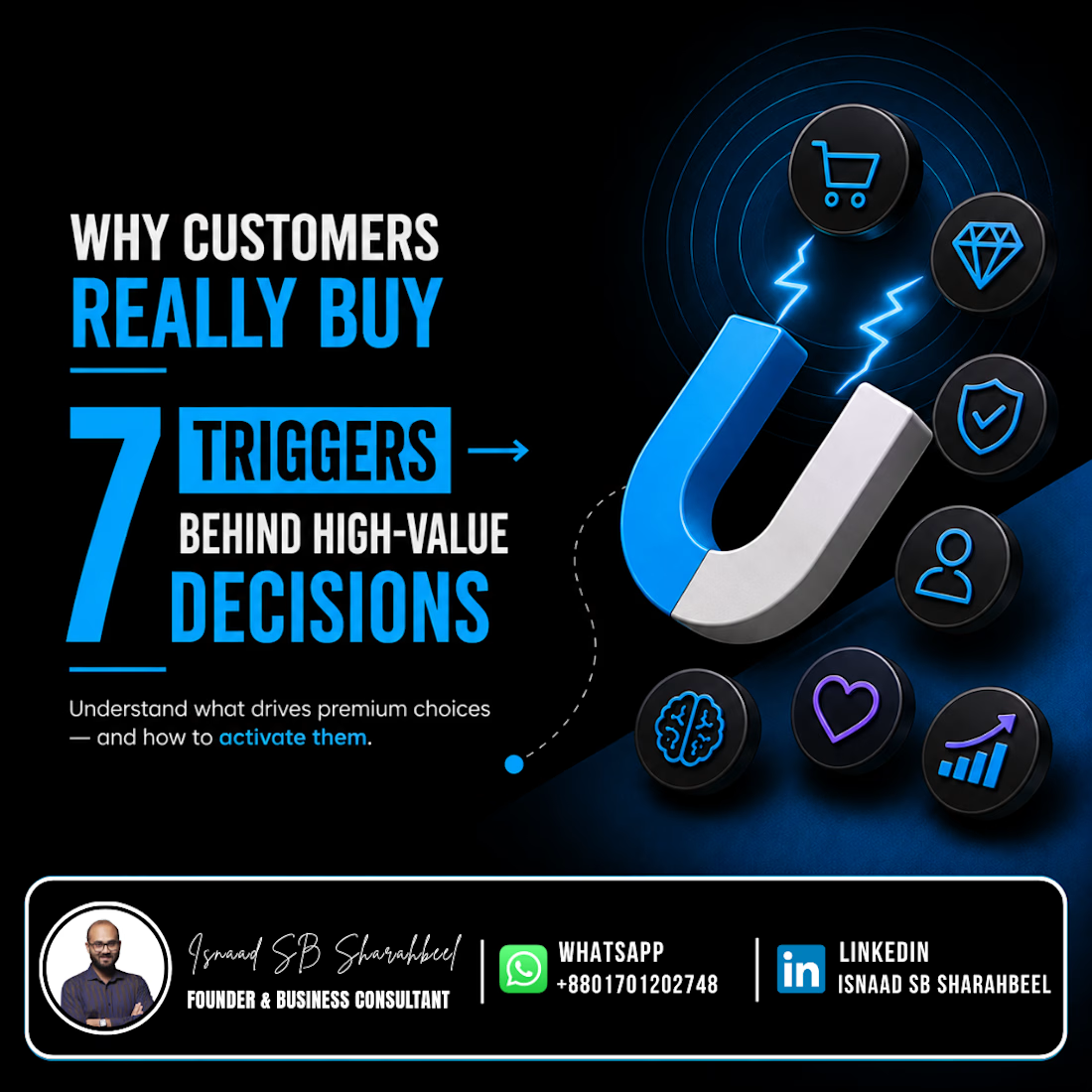
# 𝐖𝐡𝐲 𝐂𝐮𝐬𝐭𝐨𝐦𝐞𝐫𝐬 𝐑𝐞𝐚𝐥𝐥𝐲 𝐁𝐮𝐲: 𝟕 𝐓𝐫𝐢𝐠𝐠𝐞𝐫𝐬 𝐁𝐞𝐡𝐢𝐧𝐝 𝐇𝐢𝐠𝐡-𝐕𝐚𝐥𝐮𝐞 𝐃𝐞𝐜𝐢𝐬𝐢𝐨𝐧𝐬
Customers don't buy in large numbers because they "like" your product.
For most major purchases, the decision is fueled by a range of factors:
While price matters greatly, it is rarely the entire reason to move forward.
The following seven triggers are consistently at play when customers make a significant buying decision:
𝟏. 𝐀 𝐜𝐥𝐞𝐚𝐫 𝐩𝐫𝐨𝐛𝐥𝐞𝐦
Customers buy to solve their own personal pain points. High-value purchases are almost always connected to urgent, expensive, or highly bothersome challenges. The more painful the problem, the more compelling the need for a solution.
𝟐. 𝐀 𝐝𝐞𝐬𝐢𝐫𝐞𝐝 𝐨𝐮𝐭𝐜𝐨𝐦𝐞
Customers are not buying your product's features. They are buying an altered future state: lower costs, enhanced profit margins, reduced operational challenges, greater free time, or improved strategic positioning.
𝟑. 𝐏𝐞𝐫𝐜𝐞𝐢𝐯𝐞𝐝 𝐯𝐚𝐥𝐮𝐞
The value of a solution will dramatically alter the perception of its price. A $10,000 product will either seem cheap or incredibly expensive, depending on what customers will gain from it. They compare the price tag to the return on their investment.
𝟒. 𝐓𝐫𝐮𝐬𝐭
The more financially significant a purchasing choice becomes, the higher the perceived financial and psychological risks. Expertise, credibility, and transparency reduce the risks and build the necessary trust to pull the trigger.
𝟓. 𝐒𝐨𝐜𝐢𝐚𝐥 𝐩𝐫𝐨𝐨𝐟
Clients, case studies, success stories, referrals, and client results are essential because they address a burning customer question: Does your product work for people just like me?
𝟔. 𝐂𝐨𝐧𝐯𝐞𝐧𝐢𝐞𝐧𝐜𝐞
Even when the desired outcome is valuable, a challenging purchasing process can prevent a decision from being made. Complicated steps, poor communication, and undefined next actions can all create unnecessary buyer friction.
𝟕. 𝐔𝐫𝐠𝐞𝐧𝐜𝐲
A customer may clearly understand and appreciate the value, but still not purchase immediately. There needs to be an external trigger: an existing problem, an approaching deadline, a market shift, or the economic impact of prolonging the decision.
The bottom line is simple:
Customers do not purchase because of your product's features. They purchase because the decision logically makes sense to them.
𝐈𝐟 𝐲𝐨𝐮'𝐝 𝐥𝐢𝐤𝐞 𝐭𝐨 𝐠𝐚𝐢𝐧 𝐜𝐥𝐚𝐫𝐢𝐭𝐲 𝐨𝐧 𝐰𝐡𝐚𝐭'𝐬 𝐭𝐫𝐮𝐥𝐲 𝐝𝐫𝐢𝐯𝐢𝐧𝐠 𝐲𝐨𝐮𝐫 𝐜𝐮𝐬𝐭𝐨𝐦𝐞𝐫𝐬' 𝐛𝐮𝐲𝐢𝐧𝐠 𝐝𝐞𝐜𝐢𝐬𝐢𝐨𝐧𝐬, 𝐬𝐞𝐧𝐝 𝐦𝐞 𝐚 𝐃𝐌.